Choose a rollator walker by matching your height, weight needs, terrain, and daily use.
I have spent years helping people pick mobility aids and testing many rollator walkers in clinics and at home. This guide shows how to choose a rollator walker with clear steps, honest pros and cons, and real tips from hands-on experience. Read on to find the right fit, features to prioritize, and common mistakes to avoid so you can move safely and confidently.
Key factors to consider when choosing a rollator walker
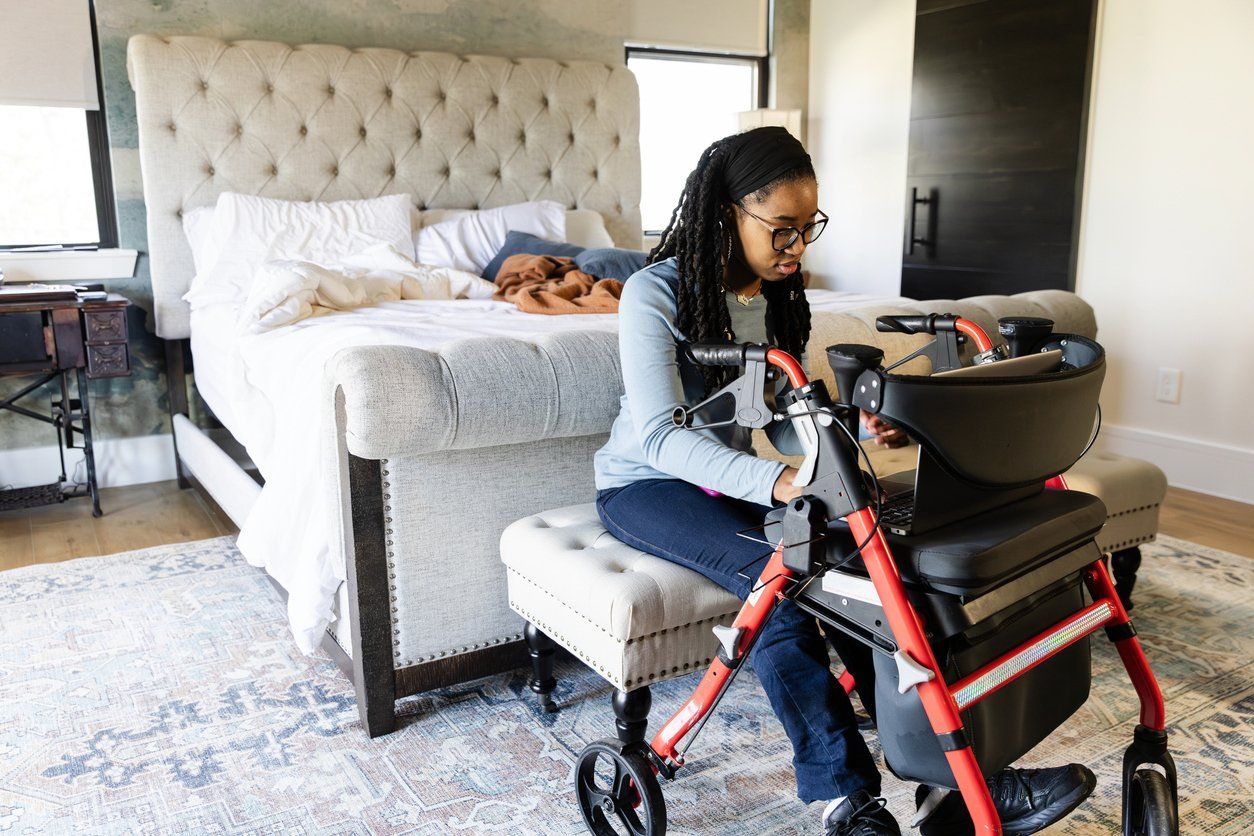
Choosing a rollator walker starts with core needs. Think about where you will use it most. Will you walk inside, on smooth sidewalks, or on rough trails? Measure your height and weight. Check the rollator's weight limit and handle height range. These steps keep you safe and comfortable.
Consider mobility needs next. Do you need a seat for rest? Do you need a basket or bag for errands? Do you need four wheels for stability or a three-wheel rollator for tight turns? Think about how often you will fold and carry it. Lightweight models are easier to lift into a car.
Budget and insurance matter too. Some models cost more but last longer. Some insurance plans cover rollators when prescribed. Ask your clinician about coverage. Small investments in quality can reduce falls and repairs later.
How to choose a rollator walker tip: prioritize fit and safety over bells and whistles. A well-fit rollator prevents strain and wobble. I learned this after testing many models and seeing users change to better-fitting frames with immediate improvement in comfort and walking confidence.
How to choose a rollator walker appears here as your guiding question. Keep that in mind while you read each section. Small choices add up to a big difference in daily life.

Types of rollators and which to pick
There are several rollator types. Choose the style that matches your daily routine.
Three-wheel rollators
- Best for tight indoor spaces and quick turns.
- Lighter and easier to steer, but less stable on rough ground.
Four-wheel rollators
- Most common and stable on sidewalks and parks.
- Often come with seats and storage, and can support higher weight limits.
Heavy-duty rollators
- Made for higher weight capacity and rugged use.
- Heavier but very durable and stable.
Specialty rollators
- Designed for stairs, transport, or extra features like cane holders.
- Choose if you have specific needs like travel or frequent stairs.
How to choose a rollator walker means matching type to use. If you move mostly inside, a compact three-wheeler may be best. If you go outdoors and rest often, choose a four-wheel with a seat and larger wheels.

How to measure and fit a rollator walker properly
A good fit drives comfort and safety. Follow these steps.
Measure your wrist height while standing in normal shoes. The handle grips should sit at wrist height when your arms hang naturally. This keeps your elbows slightly bent and avoids shoulder strain.
Check seat height. When seated, your feet should rest flat on the floor. Knees should be at a right angle or slightly lower than hips. This makes standing up easier.
Confirm the width. The rollator must pass through your doorways. Measure door frames and hallways. Also check folded width if you store it in a car.
Test the brakes. Apply them while standing and sitting. Brakes must lock firmly without extra force. Practice on slopes in a safe area.
How to choose a rollator walker depends on precise measuring. I once had a client with sore wrists who switched to a model with adjustable handles and felt immediate relief. Small changes can be life changing.
Features to look for and why they matter
Look for features that match your routine and safety needs.
Wheels
- Larger wheels handle rough ground better.
- Smaller wheels are lighter and work well indoors.
Brakes
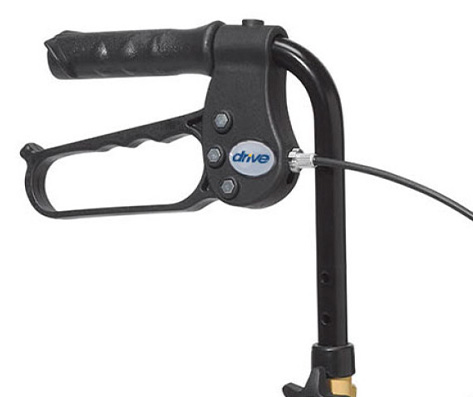
- Loop-style or cable brakes are common.
- Locking brakes let you sit safely on the seat.
Seat and backrest
- A padded seat helps on long walks.
- A backrest adds comfort for longer rests.
Storage
- Baskets or bags carry groceries and essentials.
- Removable bags make shopping easier.
Frame and weight
- Aluminum frames are light and rust-resistant.
- Steel frames are heavier but very sturdy.
Foldability
- Easy fold systems make travel and storage simple.
- Test folding with one hand if you often lift it.
Accessories
- Cup holders, trays, cane clips, and trays add convenience.
- Choose only what you will use to avoid extra weight.
How to choose a rollator walker includes weighing these features. I often recommend starting with the basics and adding accessories later. Many accessories can be added, but a poor fit cannot be fixed with add-ons.
Safety tips and testing before you buy
Safety is the top priority when choosing and using a rollator walker. Follow this checklist.
Try before you buy. Walk with it in a store or borrow a model for a day.
Test the brakes on a gentle slope.
Sit and stand several times to ensure seat height is right.
Check weight capacity and add a safety margin.
Make sure it fits through your most-used doors.
Consider flooring and terrain at home. Rugs and thresholds can trip small wheels. Consider larger wheels or carpets-friendly models if needed.
How to choose a rollator walker safely means practicing with it in real-life spaces. I recommend a trial walk in each area you use often. My trials helped spot balance issues before purchase and kept users from buying models they could not use safely.

Maintenance, care, and lifespan
Proper care extends the life of a rollator walker and keeps it safe.
Daily checks
- Inspect wheels for wear and debris.
- Test brakes and tighten any loose bolts.
Cleaning
- Wipe frame with mild soap and water.
- Remove fabric bags and air dry.
Servicing
- Replace worn wheels and brake cables promptly.
- Follow manufacturer service intervals.
Storage
- Store in a dry place to prevent rust.
- Keep it folded securely for travel.
How to choose a rollator walker also includes planning for upkeep. Simple checks once a week can prevent failures and keep the rollator dependable. From experience, users who follow a short checklist avoid most common problems.
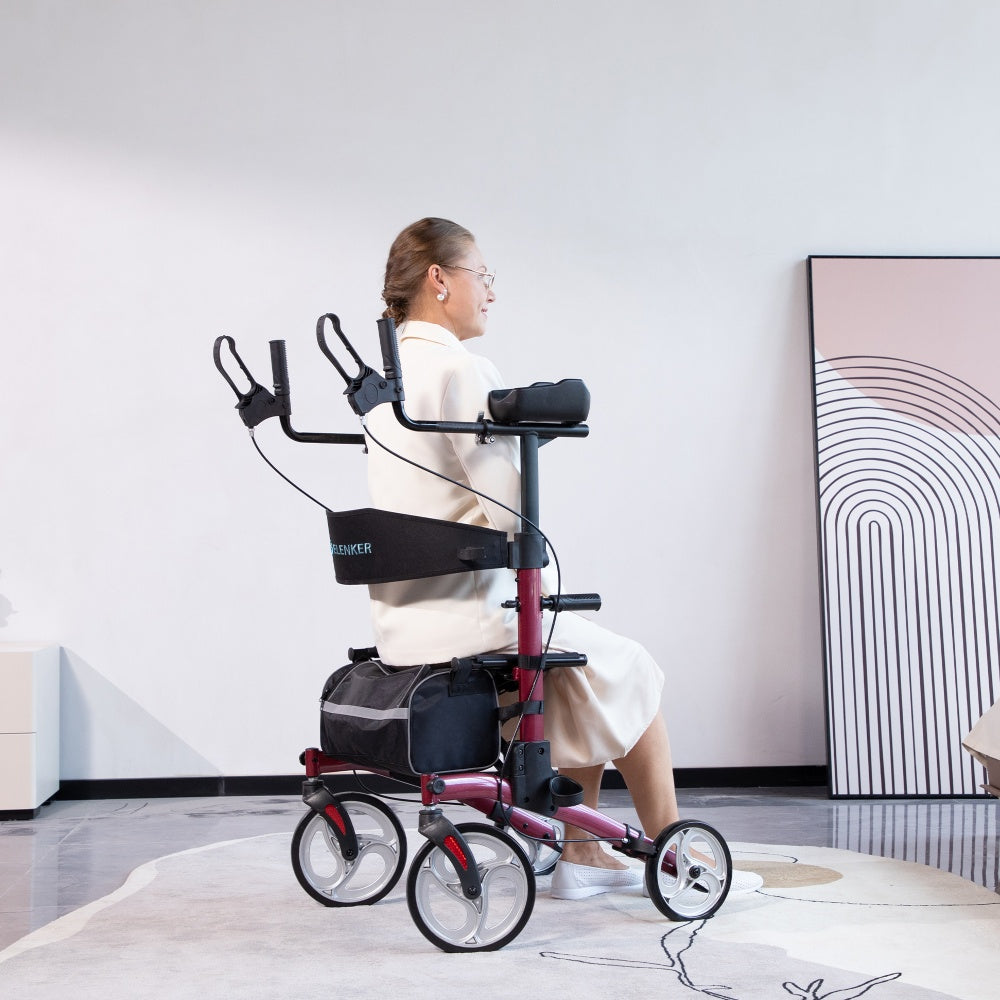
Common mistakes and practical tips from experience
Avoid these mistakes I have seen often.
Choosing by price alone
- Cheaper is not always better.
- A low-cost rollator may fail sooner or be uncomfortable.
Ignoring weight limits
- Overloading stresses frames and brakes.
- Always match your weight and cargo.
Skipping a trial
- Buying online without a try can lead to returns.
- Try in real settings when possible.
Over-accessorizing
- Too many add-ons add weight and can cause imbalance.
- Pick one or two useful accessories.
My practical tip: bring a friend or clinician when you test models. They can observe your posture and gait. In my work, a second set of eyes often finds subtle fit issues that users miss.
How to choose a rollator walker becomes simpler when you avoid these errors and use real tests. Small, real-world checks beat long spec lists.
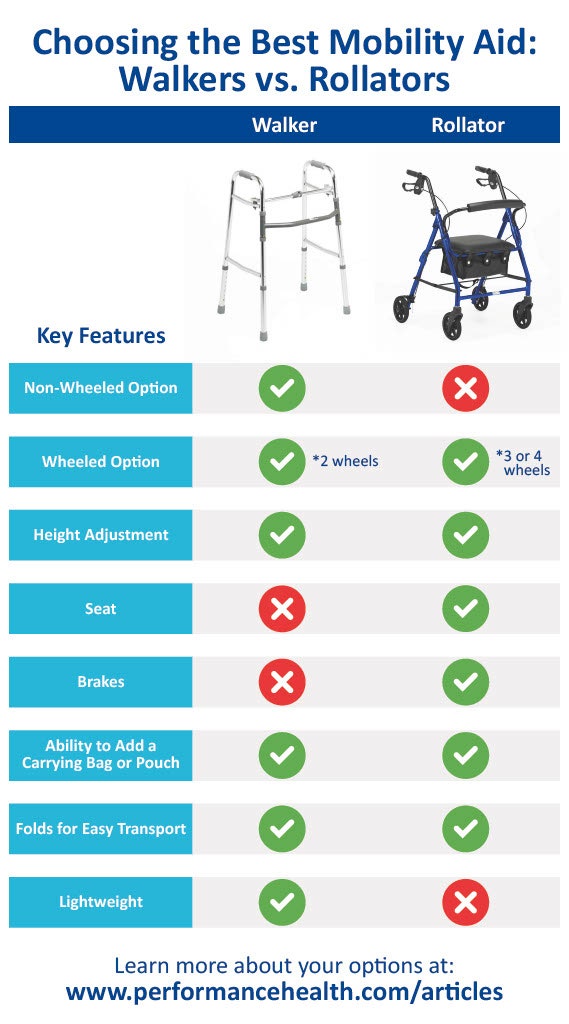
PAA-style questions
What is a rollator walker and who should use one?
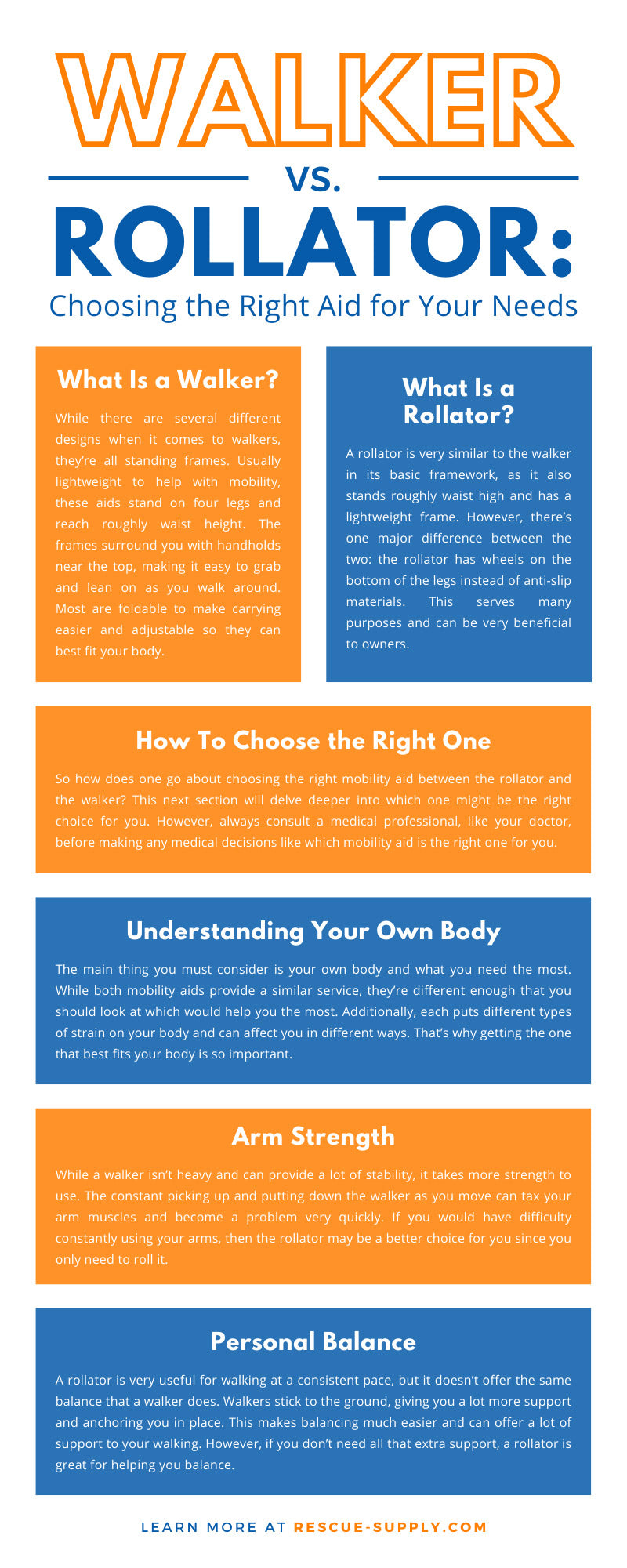
A rollator walker is a wheeled mobility aid with brakes, a seat, and storage. It suits people who need balance support and a place to rest while walking.
How do I know the right wheel size for my needs?
Larger wheels handle uneven ground and outdoor use better. Small wheels are fine for indoor and smooth surfaces.
Can I use a rollator walker on stairs?
Rollators are not safe for stairs. Use ramps or ask for assistance when stairs are present.
How often should I replace a rollator walker?
Replace it if the frame bends, brakes fail, or wheels wear beyond repair. Regular maintenance extends life but watch for safety signs.
Is a lightweight rollator always the best choice?
Not always. Lightweight models are easy to carry but may have lower weight limits. Match weight capacity to your needs.
Frequently Asked Questions of How to choose a rollator walker
How high should rollator handles be set?
Handles should sit at your wrist level when standing in regular shoes. This keeps your elbows slightly bent and reduces strain.
Can I take a rollator on public transport?
Many buses and trains allow rollators if folded or stored safely. Check local transit rules and use a lightweight model if you travel often.
Do rollators help prevent falls?
A well-fitted rollator can reduce falls by adding stability and offering a seat to rest. Proper fit and brake use are key to safety.
Are there rollators for heavy users?
Yes, heavy-duty rollators offer higher weight limits and wider frames. Choose one with a tested weight capacity above your body weight.
How do I choose between a three-wheel and four-wheel rollator?
Pick a three-wheel for tight indoor spaces and easy turning. Pick a four-wheel for stability and outdoor use.
Will insurance cover a rollator walker?
Some insurance plans cover rollators with a medical prescription. Ask your provider and your clinician for documentation and billing codes.
Conclusion
Choosing the right rollator walker boils down to fit, function, and safety. Focus on height fit, weight capacity, wheel size, brakes, and seat needs. Test models in real spaces and keep maintenance simple. Take action by measuring yourself, trying a few models, and asking your clinician about coverage and fit. If you found this guide helpful, try a local trial, share your experience, or leave a comment with your questions.

Michael Reynolds is a senior contributor at RetirementGazette.com, where he focuses on helping readers navigate the journey toward a secure and fulfilling retirement. With over a decade of experience in personal finance, retirement planning, and lifestyle writing, Michael combines practical strategies with easy-to-understand guidance tailored for both pre-retirees and those already enjoying their golden years.