Senior discounts are usually not age discrimination because they offer a voluntary benefit, not a harmful penalty.
The question “are senior discounts age discrimination” often comes up at stores, restaurants, theaters, and public services. In most cases, U.S. law allows businesses to give older adults special savings. Still, the answer can change when a discount denies service, violates a state rule, or affects employment. This guide explains the legal rules, common examples, limits, and smart steps to take before making a complaint.

Are senior discounts age discrimination?
Usually, senior discounts are not age discrimination under U.S. law. A business may offer a lower price to older customers as a marketing choice or as a way to support people living on fixed incomes.
Age discrimination usually means treating someone unfairly because of age. The law often focuses on harmful treatment, such as refusing to hire a person, firing an employee, or denying a service. A voluntary discount does not usually create that kind of harm.
For example, a restaurant might offer 10% off to customers age 60 and older every Tuesday. A younger customer may pay the regular price, but that does not normally create an illegal claim.
The key difference is simple:
• A senior discount gives one group a benefit.
• Age discrimination often blocks a person from a job, service, home, or opportunity.
• A discount usually does not stop younger customers from buying the same product.
That is why the answer to “are senior discounts age discrimination” is generally no. However, the details matter.

Why businesses offer senior discounts
Senior discounts have been common in the United States for decades. Many businesses use them to attract customers during slower hours. Others use them to show community support.
Older adults may also face financial pressure from rising costs. Retirement income, Social Security payments, medical bills, and housing costs can make small savings useful. A 10% discount may seem modest, but it can help with groceries, meals, travel, or entertainment.
Businesses may gain value, too. A senior discount can:
• Bring customers in during quiet periods.
• Build loyalty with local residents.
• Encourage repeat visits.
• Improve a company’s public image.
• Help fill seats at theaters, museums, and events.
A discount is also a choice. Most businesses do not have to offer one unless a law, contract, or public program requires it. They may set the age limit, hours, products, and proof rules, as long as the policy follows applicable law.
This business purpose helps explain why senior discounts are usually legal. The policy is often meant to increase sales or provide support, not to punish younger people.

What U.S. age discrimination laws cover
The answer to “are senior discounts age discrimination” becomes clearer when you look at the main federal laws.
The Age Discrimination in Employment Act protects workers and job applicants who are age 40 or older. It generally applies to employers with 20 or more employees. The law can prohibit age-based decisions involving:
• Hiring.
• Firing.
• Promotions.
• Pay.
• Training.
• Benefits.
• Job assignments.
This law does not usually control prices at a private restaurant or retail store. It is mainly an employment law.
The Older Workers Benefit Protection Act also affects some employee benefits. It limits certain age-based changes to benefits and sets rules for valid waivers of age discrimination claims. These workplace rules are different from a senior customer discount.
The Fair Housing Act can address age-related housing discrimination in some situations. The Americans with Disabilities Act covers disability discrimination, not age discrimination in general. Some state and local laws may provide wider protection than federal law.
This matters because legal rights depend on context. A customer discount, an employee benefit, and a housing decision may all involve age, but they are not judged under the same rules.
When a senior discount is usually legal
A senior discount is generally lawful when it meets common-sense conditions. The business should offer it as a benefit and apply the policy in a clear, consistent way.
Examples include:
• A movie theater offers lower ticket prices to adults age 65 and older.
• A grocery store gives seniors 5% off on one morning each week.
• A hotel offers a reduced room rate to guests above a stated age.
• A museum provides senior admission prices.
• A public transit system offers reduced fares to older riders.
These programs are common because they do not usually deny service to other customers. A younger person can still enter the theater, stay at the hotel, or shop at the store. The person simply pays the standard price.
A business should also avoid misleading terms. If the sign says “55 and older,” the cashier should not change the rule to “65 and older” without notice. Clear terms help prevent disputes and protect both customers and staff.
In practice, this is why are senior discounts age discrimination questions often have a simple answer: a price reduction is usually treated as a benefit, not an unlawful barrier.

When a senior discount could create legal concerns
Although senior discounts are usually legal, some situations deserve closer review. The issue may not be the discount itself. It may be the way the business applies it.
Potential concerns include:
• The discount is required by a contract but is not provided.
• A public agency applies the rule in a way that conflicts with state law.
• The policy hides another form of discrimination.
• The business refuses service to people below the age limit.
• An employee uses the discount rule to insult or harass a customer.
• The discount is tied to a false or misleading advertisement.
• A worker receives worse pay or benefits because of age.
For example, a restaurant may lawfully offer a senior price. It may not lawfully refuse to serve a younger customer because the customer is too young, if another law protects that person from the type of refusal involved.
The legal question can also change when a discount is connected to employment. An employer cannot assume that every age-based benefit is legal simply because it helps older people. Employee benefit plans must follow federal rules and may need a valid business or legal basis.
State law is another factor. Some states and cities regulate age-based pricing in specific industries. Public transportation, government programs, insurance, and utilities may have special rules. When money or employment is involved, checking local law is wise.

Is it fair to charge younger customers more?
Fairness and legality are not always the same. Some younger customers may feel that a senior discount treats them unfairly. They may have low income, student debt, or family costs of their own.
That concern is understandable. Yet many discounts are based on broad groups rather than personal need. Businesses may use age because it is easy to verify and simple to explain. A needs-based discount would require more private financial information.
A senior discount can be viewed like a student discount. It is a targeted benefit designed to reach a group that may have limited income or special costs. The policy does not claim that every senior needs help or that every younger person is financially secure.
Still, businesses can choose a fairer model. They might offer:
• Low-income discounts.
• Membership rewards.
• Military discounts.
• Student discounts.
• Community assistance days.
• Off-peak pricing for all customers.
These options can reduce complaints while keeping prices accessible. The best policy depends on the business, its customers, and local law.

Senior discounts and workplace age discrimination
Customer discounts and workplace benefits should not be confused. The answer to “are senior discounts age discrimination” may be different in an employment setting.
Suppose a company gives older workers a benefit but removes a valuable benefit from younger workers. That policy may need legal review. The Age Discrimination in Employment Act and related rules can apply to pay, pensions, health benefits, and other employment terms.
Employers should consider:
• Whether the benefit is based on a valid plan.
• Whether the plan meets federal requirements.
• Whether workers age 40 and older are protected from unfair treatment.
• Whether younger workers are being denied earned wages.
• Whether the policy has a clear, documented purpose.
An employer should not use “senior discount” language for workplace pay. Employment policies should use accurate terms, such as a retirement benefit, service award, or age-based benefit that follows a lawful plan.
If you believe your employer changed your pay or benefits because of age, keep records. Save emails, policy documents, pay statements, and notes about key conversations. You can contact the Equal Employment Opportunity Commission or a licensed employment attorney for guidance.

How to use a senior discount without problems
Using a senior discount is usually simple, but a few habits can prevent awkward moments.
-
Check the age requirement before ordering.
-
Ask whether the discount applies on that day.
-
Confirm which items qualify.
-
Bring an accepted form of identification if required.
-
Do not assume the discount combines with another sale.
-
Ask whether the discount applies before paying.
-
Review the receipt.
Many businesses accept a driver’s license, state identification card, passport, or membership card. Some do not ask for proof at all. A business should explain its policy politely and apply it consistently.
If a cashier refuses the discount, stay calm. Ask for the written policy or speak with a manager. A small misunderstanding is often easier to solve than a heated argument.
One common mistake is assuming that a senior discount applies everywhere. Each business sets its own terms. A discount may apply at one location but not another, or it may stop during holidays and special events.
What to do if you believe discrimination occurred
If you think an age-based policy is unlawful, first identify what happened. A different price alone may not prove illegal discrimination. The surrounding facts matter.
Write down:
• The business or employer name.
• The date and time.
• The exact words used.
• The price difference.
• Names of witnesses.
• Copies of signs, receipts, emails, or messages.
Next, ask for the policy in writing. A manager may explain that the discount has an age limit, excludes certain items, or ended on a specific date.
If the matter involves employment, contact the EEOC or a qualified employment lawyer. If it involves housing, contact the appropriate fair housing agency. If it involves a state or local program, contact the relevant consumer protection or civil rights office.
Do not wait too long. Legal filing deadlines can be short, and they vary by claim and location. A government agency or attorney can help explain whether a formal complaint makes sense.
From a practical standpoint, clear records are more useful than general statements such as “they treated me badly.” Details help show whether the issue was a lawful discount, a broken promise, harassment, or a larger pattern.
Benefits and limits of senior discounts
Senior discounts can offer real value, but they are not a complete answer to financial hardship.
Benefits
• They reduce everyday costs.
• They can make travel and entertainment more affordable.
• They support older adults on fixed incomes.
• They reward loyal customers.
• They help businesses attract customers during slow periods.
Limits
• The discount may apply only at certain times.
• Some products may be excluded.
• The savings may be small.
• Not every business offers one.
• Proof of age may be required.
• A discount does not replace public benefits or legal protections.
It is also important to compare prices. A store with a senior discount may still charge more than a competitor. Check the final price, not just the discount percentage.
A useful habit is to ask, “What will I pay after all fees?” This matters for hotels, travel tickets, memberships, and event bookings. A senior rate may not cover resort fees, taxes, booking fees, or add-ons.
Common myths about senior discounts
Several myths make this topic more confusing than it needs to be.
Myth: Every senior discount is required by law
Most private businesses offer senior discounts voluntarily. Some public programs or state laws may require special rates, but there is no general federal rule requiring every business to offer one.
Myth: A senior discount violates the Age Discrimination in Employment Act
The ADEA mainly covers employment decisions. It does not normally ban a restaurant or store from offering a lower customer price to older adults.
Myth: Any age-based price is automatically legal
Not always. The policy may involve employment, housing, government services, contracts, or a state law with stricter rules. The facts and location matter.
Myth: Younger customers have no legal rights
Younger customers may have rights under other laws, contracts, consumer protection rules, or state civil rights laws. Age alone does not answer every legal question.
Myth: Asking for identification is always discriminatory
A business may ask for reasonable proof of age to apply a discount. It should do so in a consistent and respectful way.
These distinctions help answer “are senior discounts age discrimination” without relying on a one-size-fits-all rule.
Frequently Asked Questions About Are Senior Discounts Age Discrimination
Are senior discounts legal in the United States?
In most cases, yes. Private businesses can usually offer lower prices to older customers as a voluntary benefit, but special state or industry rules may apply.
Can a younger person sue because a senior paid less?
Usually, a price difference alone is not enough for an age discrimination claim. A stronger case would require facts showing that another law, contract, public program, or protected right was violated.
Does the Age Discrimination in Employment Act cover customer discounts?
Generally, no. The ADEA focuses on employment decisions, such as hiring, firing, pay, promotions, and benefits for workers age 40 and older.
Can an employer offer extra benefits to older workers?
Sometimes, but the benefit must follow applicable employment laws and benefit plan rules. An employer should have a lawful basis and should avoid reducing earned benefits in an improper way.
Can a business ask for proof of age?
Yes, a business may usually ask for reasonable proof when its discount has an age requirement. The request should be applied consistently and handled with respect.
Do all senior discounts start at age 65?
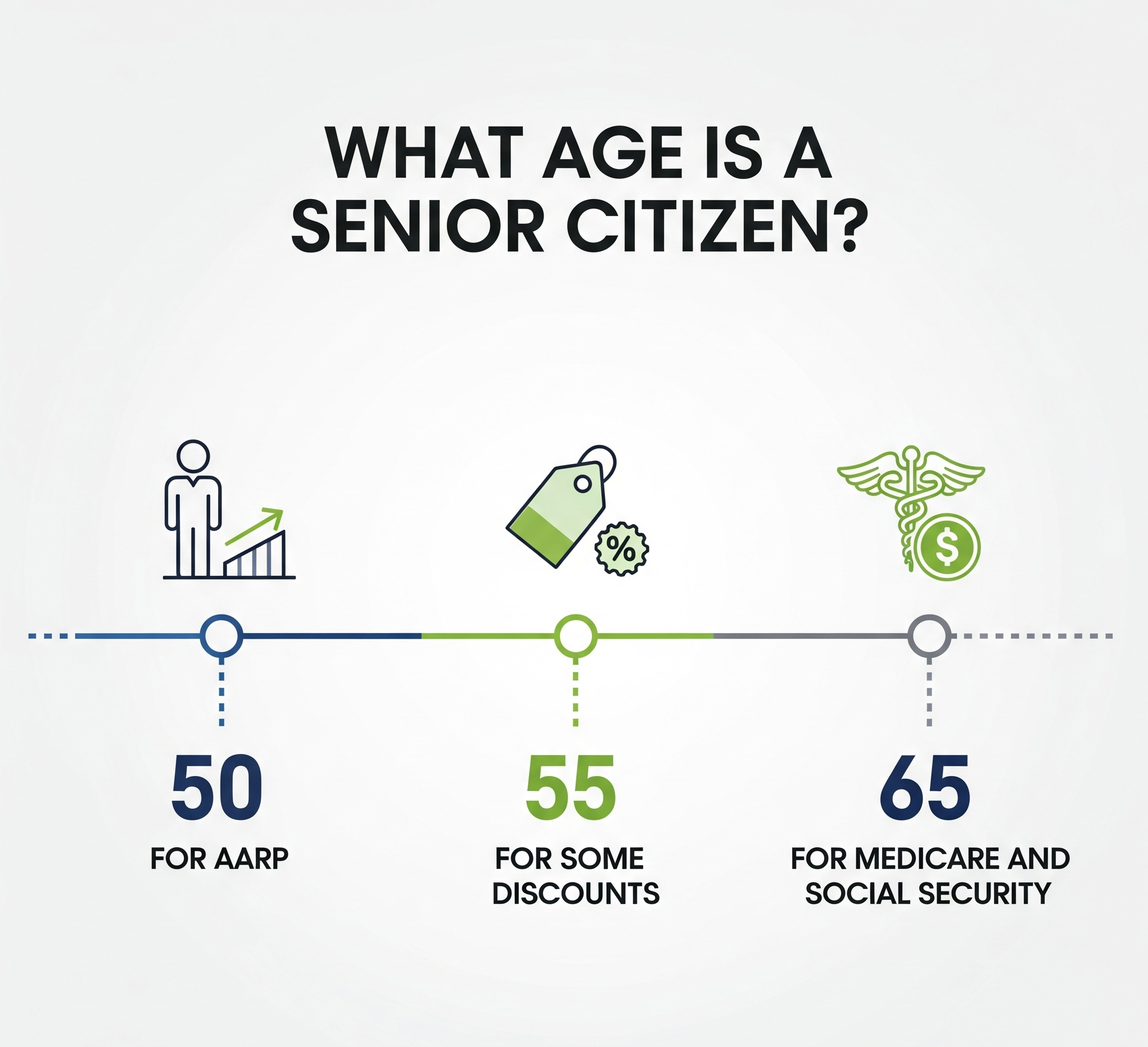
No. Each business sets its own age limit. Common limits include 55, 60, 62, and 65, but the posted policy controls.
What should I do if a business refuses a promised senior discount?
Keep the receipt and take a photo of the discount terms if possible. Ask a manager to explain the decision, then consider contacting a consumer protection agency if the advertisement was misleading.
Conclusion
So, are senior discounts age discrimination? In most everyday shopping situations, no. A senior discount is usually a legal benefit that helps older customers save money while helping businesses attract and retain shoppers.
The answer can change when the policy involves employment, housing, government services, a contract, or a state law with broader protections. Read the terms, save your records, and seek local legal advice when the issue affects your job, benefits, or a large amount of money.
Use senior discounts wisely, compare final prices, and ask clear questions before paying. If you have seen a confusing age-based policy, share your experience or explore guidance from a trusted consumer protection or civil rights agency.

Michael Reynolds is a senior contributor at RetirementGazette.com, where he focuses on helping readers navigate the journey toward a secure and fulfilling retirement. With over a decade of experience in personal finance, retirement planning, and lifestyle writing, Michael combines practical strategies with easy-to-understand guidance tailored for both pre-retirees and those already enjoying their golden years.