Most businesses set senior discount age rules between 55 and 65, but policies vary.
Knowing how old to qualify for senior discount benefits can help you save on meals, travel, shopping, entertainment, and everyday services. The most common starting age is 55, but some companies require you to be 60, 62, or 65. This guide explains the rules, shows where age limits differ, and shares simple ways to ask for a discount with confidence.

How old do you have to be for a senior discount?
There is no single senior discount age in the United States. Each business sets its own policy. Many offers begin at age 55, while others start at 60, 62, or 65.
For example, a restaurant may offer a discount at 55, while a public transit system may use age 65. A hotel could set a different rule for each location. This means the answer to “how old to qualify for senior discount” depends on the company and the offer.
Common age limits include:
• Age 50 or older: Some membership groups, insurance programs, and local businesses use this lower age.
• Age 55 or older: A very common starting point for restaurant, retail, and recreation discounts.
• Age 60 or older: Often used by community programs, public services, and some travel providers.
• Age 62 or older: Common for transportation, housing programs, and certain government benefits.
• Age 65 or older: Often linked with Medicare eligibility and older-adult programs, though Medicare itself is not a discount program.
A senior discount is usually a voluntary business promotion. It is not a legal benefit that every company must provide. The business decides the age, discount amount, eligible products, and days when the offer applies.

Why senior discount ages vary
Businesses choose different age requirements based on their customers, costs, and marketing goals. A local diner may use age 55 to attract more customers during slower hours. A large retailer may not offer a permanent discount at all.
Some programs also use the term “older adult discount” instead of “senior discount.” The name may sound different, but the age rule still controls eligibility.
Here are the main reasons the age limit changes:
• Business policy: The company creates its own rules.
• Location: A national chain may have different policies by state or store.
• Membership terms: Some clubs offer benefits at age 50, even when a store does not.
• Public funding: Transit and community programs may follow local or state rules.
• Promotion dates: A discount may apply only on one day each month.
• Product limits: The offer may exclude alcohol, prescriptions, sale items, delivery fees, or gift cards.
This is why searching for “how old to qualify for senior discount” without checking the specific business can lead to the wrong answer. Think of the age requirement as a house rule. The general custom gives you a clue, but the business has the final say.

Typical senior discount ages by category
The easiest way to understand how old to qualify for senior discount is to look at common categories. These examples are general patterns, not promises. Policies can change, so confirm the details before making a purchase.
Restaurants and coffee shops
Many restaurants begin senior discounts at age 55 or 60. The discount may be 5% to 15%, or it may be a special menu with smaller portions and lower prices.
Some restaurants offer the discount only during breakfast or lunch. Others may require you to dine in, use a loyalty card, or visit on a specific weekday.
Retail stores
Retail discounts vary more than restaurant discounts. Some stores offer a senior shopping day at age 55 or 60. Others provide no regular discount but run occasional promotions.
Ask whether the discount applies before paying. This matters because many stores cannot add it after the transaction is complete.
Grocery stores
Grocery senior discounts are often local. An independent market may offer 5% off every Wednesday for customers age 55 and older. A national chain may offer special events instead of a weekly discount.
Always ask about exclusions. Tobacco, alcohol, fuel, pharmacy items, and sale products may not qualify.
Travel and hotels
Travel discounts may begin at age 55, 60, or 62. Some hotel programs use age 55, while others use age 62. Airlines often have limited senior fares, and they may not always be cheaper than a standard online fare.
Compare the final price before booking. A senior rate may have different cancellation rules or may not include the same benefits as another fare.
Public transportation
Transit systems often set eligibility at age 60 or 65. Some require a senior photo ID or a reduced-fare card. Local rules may also differ between buses, trains, paratransit, and regional services.
Public transportation discounts can be especially valuable because repeated small savings add up over time.
Museums, parks, and entertainment
Museums, movie theaters, zoos, and national attractions often use ages 55, 60, or 65. Some attractions offer a senior price without asking for proof, while others require identification.
Check whether the discount applies to special exhibits, evening shows, guided tours, or online tickets. These details can change the actual value of the offer.

How to confirm how old to qualify for senior discount
A quick question can prevent confusion at the register. Try asking, “What age qualifies for your senior discount, and are there any limits?”
You can also follow these steps:
-
Check the official website. Look for pages titled “Coupons,” “Offers,” “Accessibility,” “Membership,” or “Discounts.”
-
Call the location. Local managers may know rules that are not listed online.
-
Ask before ordering. Confirm the age and discount before the bill is prepared.
-
Bring identification. A driver’s license, state ID, passport, or senior transit card may be accepted.
-
Read the terms. Check blackout dates, minimum purchases, excluded items, and expiration dates.
-
Save the policy. If the offer is important, take a screenshot or print the terms.
You usually do not need to prove your age until you request the discount. Still, carrying a valid photo ID makes the process easier. Never feel embarrassed about asking. Employees hear this question often, and a polite request is all that is needed.
One practical lesson is to ask even when the discount is not advertised. Some small businesses offer a discount by word of mouth. Others may provide a better price through a loyalty program, a cash payment, or a slower-day promotion.
What proof is needed for a senior discount?
The proof required depends on the business. Many stores accept a government-issued photo ID that shows your date of birth. A membership card may also work when the discount comes through a group or program.
Common forms of proof include:
• State driver’s license
• State identification card
• Passport
• Military identification
• Medicare card, when the business specifically accepts it
• Senior transit card
• Membership card from an approved organization
A Medicare card does not automatically prove that every senior discount applies. Medicare eligibility often begins at 65, but some people qualify earlier because of disability or certain health conditions. A business may still use a different age rule.
Avoid sharing more personal information than necessary. The employee generally needs to confirm your age, not collect your Social Security number or medical details.
If you are close to the age limit, ask whether eligibility begins on your birthday or at the start of the calendar year in which you reach that age. Most businesses use your actual age, but the written policy should control.
How much can a senior discount save?
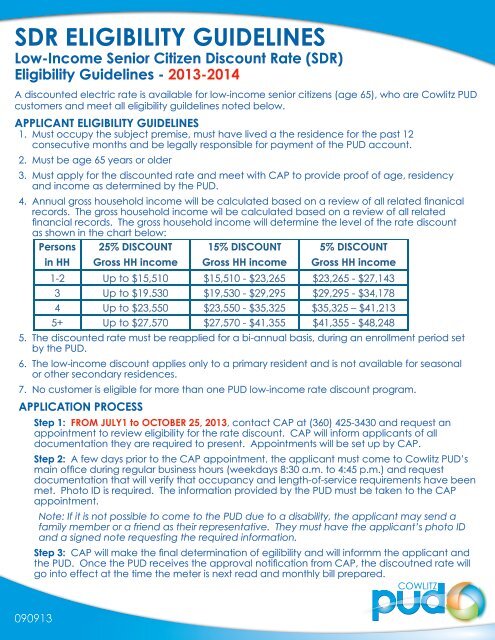
The value depends on the discount rate and how often you use it. A 10% discount on a $30 meal saves $3. That may seem small, but using similar savings several times each week can create a useful yearly total.
For example, imagine a person saves:
• $3 on two restaurant visits each week
• $5 on one grocery trip each month
• $10 on one museum or entertainment visit each month
That adds up to more than $400 per year. The exact amount will vary, but the example shows why small discounts matter.
Look beyond the percentage. A “free drink” may be worth less than a 10% discount on the full bill. A travel discount may look large but have higher fees or fewer flexible booking options.
Compare the senior price with:
• Loyalty program prices
• Student or military discounts
• Seasonal promotions
• Online coupon codes
• Membership rates
• Cash or local resident prices
The best deal is the lowest final price with terms you can use. A discount is only helpful if it does not force you to buy something you do not need.

Common mistakes to avoid
Many people search “how old to qualify for senior discount,” find a general age, and assume it applies everywhere. That is the most common mistake. The correct age must come from the specific business or program.
Avoid these errors:
• Assuming age 65 is the universal standard. It is common, but not required for every discount.
• Assuming every business offers a senior discount. Many do not.
• Waiting until after payment to ask. The discount may not be added later.
• Ignoring exclusions. Sale items, alcohol, fees, and gift cards may not qualify.
• Using an outdated website or social media post. Offers can change without much notice.
• Confusing Medicare age with discount age. Medicare rules do not control private business promotions.
• Forgetting local differences. One branch may participate while another does not.
• Buying a membership without checking the math. The membership fee may be higher than your expected savings.
A calm, respectful approach works best. If an employee says the business does not offer a discount, thank them and ask whether another promotion is available. Good manners often lead to more useful information.

How senior discounts relate to government benefits
A private senior discount is different from a government benefit. Age-based programs may include Social Security retirement benefits, Medicare, Medicaid rules, property tax relief, nutrition programs, and local transportation assistance. Each program has its own age, income, work history, or health requirements.
For example, Social Security retirement benefits do not begin at one universal age for everyone. People may claim benefits as early as 62, while full retirement age depends on birth year. Medicare commonly begins at 65, but exceptions exist.
This distinction matters when researching how old to qualify for senior discount. A person may qualify for a restaurant discount at 55 but not qualify for a public benefit until later. Another person may qualify for Medicare before 65 for reasons unrelated to a store’s age policy.
Use official government websites or a qualified benefits counselor for public programs. Do not rely on a private store’s policy to understand healthcare, retirement, or tax eligibility.
A simple strategy for finding more discounts
You can find useful offers without spending hours searching. Start with businesses you already use, then check their official websites and customer service pages.
Try this routine:
-
Make a list of regular expenses, such as groceries, meals, prescriptions, transportation, and entertainment.
-
Search each company’s name with “senior discount” or “older adult discount.”
-
Check the age requirement and expiration date.
-
Ask at the location before you pay.
-
Record the discount in a phone note.
-
Review the list every few months.
Libraries, senior centers, community centers, and local visitor bureaus can also share information about area discounts. These organizations often know about local programs that do not rank well in online searches.
Be careful with websites that promise huge savings but ask for sensitive information. Use trusted organizations, official business pages, and secure payment systems. If an offer seems too good to be true, check it with the business before joining.
Frequently Asked Questions About How Old to Qualify for Senior Discount
What is the most common age for a senior discount?
Age 55 is one of the most common starting points for private senior discounts. However, many businesses use age 60, 62, or 65, so you should confirm the policy before purchasing.
Can someone under 65 get a senior discount?
Yes. Many private businesses offer senior discounts at age 55 or 60. Age 65 is not a universal requirement for private promotions.
Do all businesses offer senior discounts?
No. Senior discounts are optional, and many businesses do not offer them. Some companies provide loyalty rewards or special promotions instead.
Do I need an ID to receive a senior discount?
Some businesses ask for a government-issued photo ID, while others rely on a verbal confirmation. Carrying a valid ID is helpful, especially for travel, transportation, and age-restricted programs.
Is a senior discount the same as Medicare eligibility?
No. Medicare eligibility commonly begins at age 65, but a senior discount may begin at 55, 60, or 62. The two systems have separate rules.
Can I use a senior discount with another coupon?
Usually, discounts cannot be combined unless the policy says otherwise. Ask whether the senior offer applies to sale items, loyalty prices, or other coupons before completing the transaction.
Does the senior discount apply online?
Sometimes, but not always. Online discounts may require a membership, a special code, age verification, or an in-store purchase.
Conclusion
The answer to how old to qualify for senior discount is usually between 55 and 65, but there is no single rule across the United States. Businesses set their own age limits, discount amounts, exclusions, and proof requirements.
Check the official policy, ask before paying, and compare the final price with other offers. A few simple questions can turn small savings into a meaningful yearly benefit. Keep a list of discounts you use, review it often, and share your best local finds with friends or family.

Michael Reynolds is a senior contributor at RetirementGazette.com, where he focuses on helping readers navigate the journey toward a secure and fulfilling retirement. With over a decade of experience in personal finance, retirement planning, and lifestyle writing, Michael combines practical strategies with easy-to-understand guidance tailored for both pre-retirees and those already enjoying their golden years.