
You can get senior citizen benefits by checking eligibility, gathering documents, and applying through official government programs.
Learning how to get senior citizen benefits can make retirement safer and less stressful. Benefits may include Social Security, Medicare, Medicaid, Supplemental Security Income, food help, housing support, tax relief, and veterans’ services. This guide explains where to apply, what documents you need, how eligibility works, and which mistakes to avoid.
What Are Senior Citizen Benefits?
Senior citizen benefits are public programs that help older adults pay for health care, food, housing, transportation, and daily needs. Some benefits are based on your work record. Others depend on your income, age, disability, military service, or state of residence.
There is no single application for every program. To learn how to get senior citizen benefits, you must first identify the programs that match your needs.
Common benefits include:
• Social Security retirement benefits
• Medicare health insurance
• Supplemental Security Income, also called SSI
• Medicaid and Medicare Savings Programs
• Supplemental Nutrition Assistance Program, or SNAP
• Low Income Home Energy Assistance Program, or LIHEAP
• Housing assistance
• Property tax relief
• Veterans benefits
• State and local senior programs
Eligibility rules can differ by state. A person may qualify for several programs at the same time. For example, someone may receive Social Security, Medicare, SNAP, and a Medicare Savings Program.
Check Which Benefits You May Qualify For
The first step in how to get senior citizen benefits is to review your age, income, work history, health needs, and living situation. Do not assume that you earn too much or that you have too few work credits. Many programs use different rules.
Social Security retirement benefits
You may qualify for Social Security retirement benefits if you worked and paid Social Security taxes. In most cases, you need 40 work credits, which is about 10 years of work.
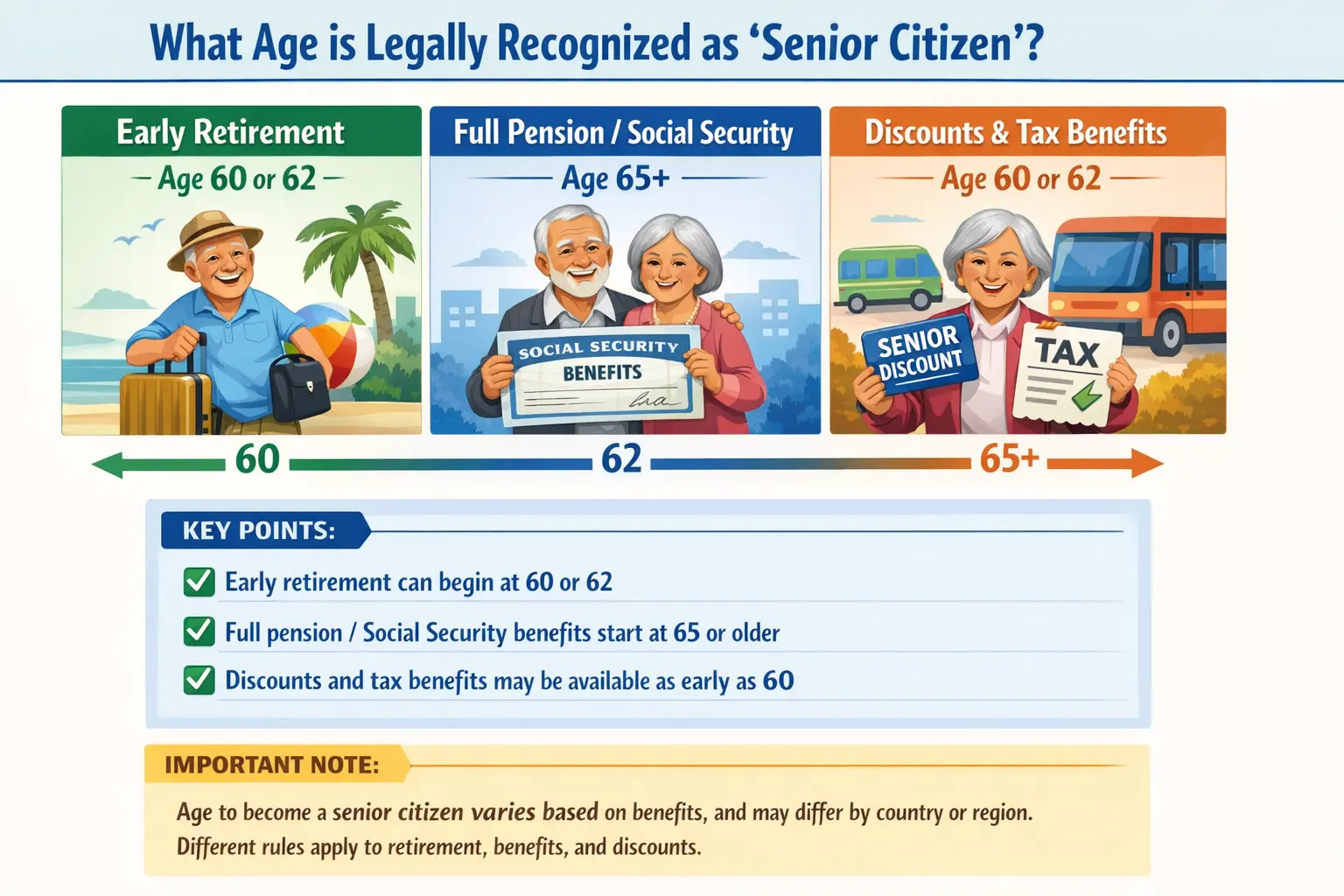
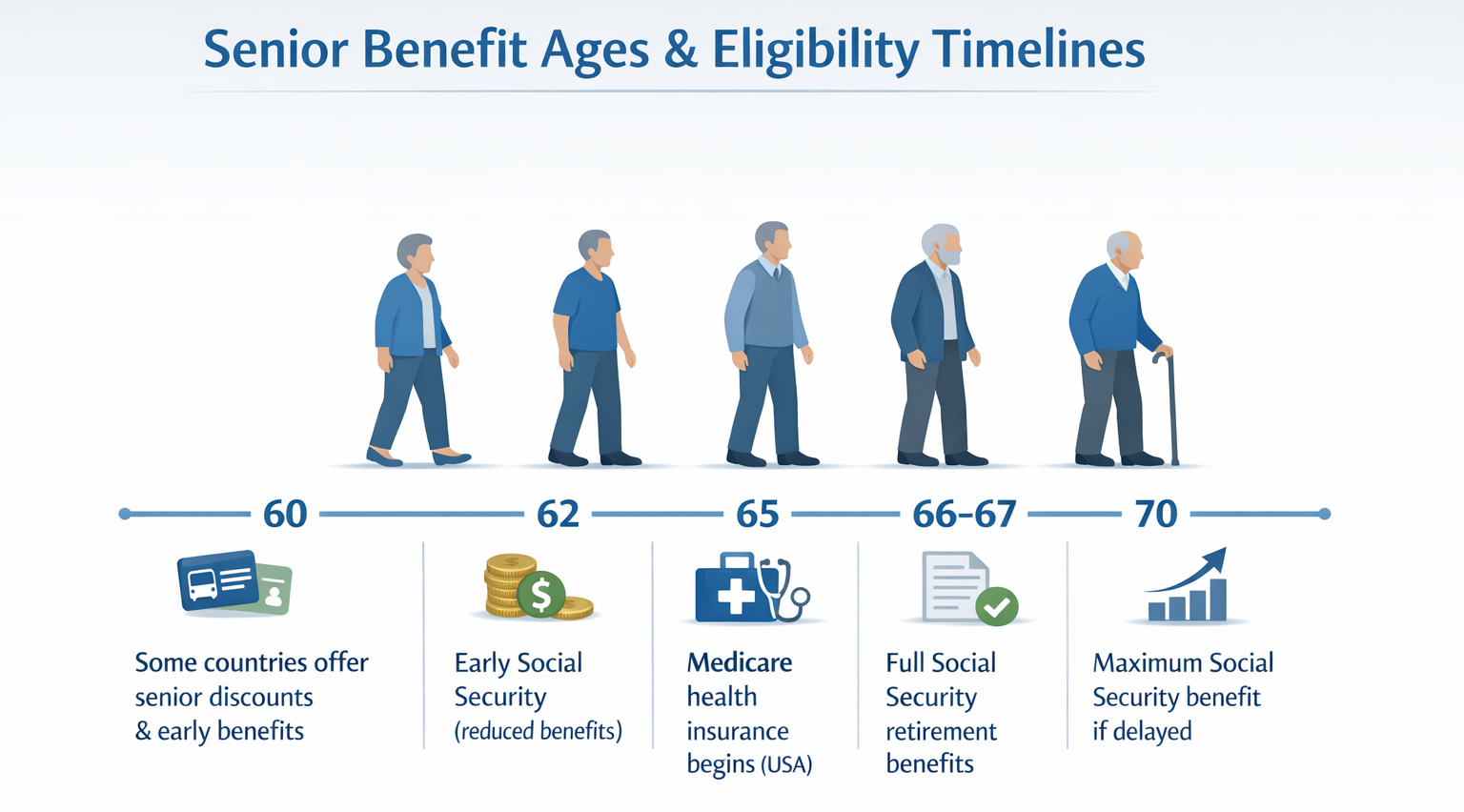
You can usually start retirement benefits between age 62 and age 70. Starting before your full retirement age may reduce your monthly payment. Waiting beyond full retirement age can increase your benefit until age 70.
Social Security retirement benefits are not the same as SSI. Social Security is mainly based on your work record. SSI is a needs-based program for people with limited income and resources.
Medicare
Most people become eligible for Medicare at age 65. You may also qualify earlier if you have certain disabilities, permanent kidney failure, or amyotrophic lateral sclerosis.
Medicare has several parts:
• Part A helps cover inpatient hospital care.
• Part B helps cover doctor visits and outpatient care.
• Part C refers to Medicare Advantage plans offered by private insurers.
• Part D helps pay for prescription drugs.
Your enrollment window matters. Missing the correct Medicare enrollment period may lead to late penalties or a gap in coverage.
Supplemental Security Income
SSI helps people who are at least 65, blind, or disabled and have limited income and resources. You do not need a long work history to qualify for SSI.
The Social Security Administration reviews your income, assets, living arrangements, and other support. Some assets do not count, such as one home and one vehicle in many cases, but detailed rules apply.
Medicaid and Medicare Savings Programs
Medicaid may help pay for health care if your income and assets fall within your state’s limits. Medicare Savings Programs can help eligible Medicare beneficiaries pay premiums, deductibles, and other costs.
These programs are especially important for people who have Medicare but still struggle with medical bills. You apply through your state Medicaid agency, not only through Medicare.
Food and nutrition benefits
SNAP helps eligible households buy food. Older adults may qualify even if they live alone or have high medical costs. Some states offer simpler applications or special rules for older households.
Other programs may include:
• Senior Farmers’ Market Nutrition Programs
• Meals on Wheels
• Congregate meals at senior centers
• Commodity Supplemental Food Program
• Local food banks and community meal programs
Housing and utility assistance
Older adults may qualify for public housing, housing vouchers, subsidized senior apartments, or emergency rent help. Waiting lists can be long, so apply early.
LIHEAP may help with heating or cooling bills. Some utility companies also offer senior discounts, payment plans, or weatherization services.
How to Get Senior Citizen Benefits Step by Step
A clear process can make applying easier. Think of it like building a folder for your future. Each document adds one piece to the picture.
1. Make a benefits checklist
Write down the help you need. You may need:
• Monthly income
• Health insurance
• Prescription assistance
• Food support
• Rent or mortgage help
• Utility assistance
• Transportation
• Tax relief
• Help with personal care
This list can guide you to the right agencies.
2. Use official benefit screeners
Government benefit screeners can help you find programs. Benefits.gov provides information about many federal and state programs. Your local Area Agency on Aging can also connect you with services in your community.
You can find an Area Agency on Aging through the Eldercare Locator. Local agencies often help older adults understand forms, compare programs, and find transportation or meal services.
3. Gather your documents
Prepare copies of key records before you apply. Common documents include:
• Social Security number
• Birth certificate or proof of age
• Government-issued photo identification
• Proof of citizenship or qualified immigration status
• Recent pay stubs
• Social Security award letters
• Pension or retirement statements
• Bank statements
• Rent or mortgage records
• Utility bills
• Medical bills and insurance cards
• Military discharge papers, if applying for veterans benefits
Not every program asks for every document. Keep a simple list of what you submit.
4. Apply through the correct agency
Use the agency that manages the benefit. For example:
• Apply for Social Security and SSI through the Social Security Administration.
• Apply for Medicare through Social Security or Medicare enrollment channels.
• Apply for Medicaid through your state Medicaid office.
• Apply for SNAP through your state or county human services agency.
• Apply for veterans benefits through the Department of Veterans Affairs.
• Apply for housing through a local public housing agency.
Avoid unofficial websites that charge a fee to submit a basic government application.
5. Save confirmation numbers
After submitting an application, save the confirmation page, email, or receipt. Write down the date, agency, phone number, and name of any representative you speak with.
This small habit can save hours later. It also helps if an agency says it did not receive your application.
6. Respond to follow-up requests
An agency may ask for more information. Read each letter carefully and answer by the deadline. If you need more time, call before the deadline and ask about an extension.
Failure to answer can cause a delay or denial, even when you meet the basic eligibility rules.
How to Apply for Social Security and Medicare
Social Security and Medicare are two of the most important programs for older adults, but they work in different ways.
You can apply for Social Security retirement benefits online, by phone, or through a local office. Before you apply, review your earnings record. Errors in your record can lower your benefit estimate.
Consider these points:
• Check your estimated benefit at different claiming ages.
• Review whether a spouse or former spouse may qualify for benefits.
• Ask how work may affect benefits before full retirement age.
• Consider taxes on Social Security benefits.
• Learn how survivor benefits may affect your household.
For Medicare, pay attention to your Initial Enrollment Period. It usually begins three months before the month you turn 65 and ends three months after that month. If you have employer health coverage, ask how that coverage affects Medicare enrollment.
Medicare does not cover every health care cost. You may need a supplement, Medicare Advantage plan, prescription drug plan, or financial assistance program. Compare coverage each year during the appropriate enrollment period.

How to Get Senior Citizen Benefits With Limited Income
Limited income does not mean you should skip applying. Many older adults qualify for help because of medical expenses, rent, or other costs that reduce their usable income.
Start with SSI, Medicaid, SNAP, Medicare Savings Programs, and utility assistance. Each program may count income and assets in a different way.
Useful steps include:
- Report all income honestly, including pensions and support from family.
- Keep records of medical expenses and health insurance premiums.
- Ask whether your state allows deductions for shelter or medical costs.
- Report changes in rent, household size, or health needs.
- Request a written explanation if an agency denies your application.
Some older adults avoid benefits because they feel embarrassed. There is no shame in using programs funded to support people during retirement. These benefits can protect health, prevent hunger, and help a fixed income last through the month.
Additional Benefits for Veterans and Caregivers
Veterans may qualify for health care, disability compensation, pensions, burial benefits, or help with home and community services. A veteran’s surviving spouse or dependent may also qualify for certain programs.
The VA Aid and Attendance benefit may help some eligible veterans and survivors who need assistance with daily activities. Eligibility depends on service, disability, income, assets, and other factors. A certified veterans service officer can explain the rules and help with paperwork.
Family caregivers should also look for support. Some states offer respite care, training, counseling, or payments through Medicaid programs. The National Family Caregiver Support Program may connect caregivers with local services.
Keep military records, marriage records, medical reports, and financial documents together. Missing records can slow a claim, but a veterans service officer may help locate replacements.

Senior Tax Relief and Transportation Programs
Tax rules vary widely by state and county. Older homeowners may qualify for property tax exemptions, freezes, deferrals, or circuit-breaker credits. Some states also offer income tax deductions for retirement income.
Ask your local tax assessor or state tax department about:
• Senior property tax exemptions
• Property tax deferral programs
• Homestead exemptions
• Renters’ tax credits
• Sales tax relief
• Tax help for low-income older adults
Free tax preparation may be available through the Volunteer Income Tax Assistance program or Tax Counseling for the Elderly program. Use trained volunteers and bring all income documents.
Transportation support may include reduced bus fares, paratransit, volunteer driver programs, and non-emergency medical rides. Your Area Agency on Aging is often the best place to start.
Mistakes to Avoid When Applying
Knowing how to get senior citizen benefits also means knowing what can cause delays.
Waiting too long
Some programs have enrollment periods or limited funding. Apply as soon as you think you may qualify.
Using the wrong website
Scammers may copy government logos and ask for money or personal data. Begin with official websites ending in .gov or a verified state website.
Failing to report changes
Report changes in income, address, household members, marital status, or health coverage. Incorrect information can lead to repayment demands or loss of benefits.
Assuming denial is final
You may have appeal rights. Read the denial notice and follow the instructions. Many deadlines are short.
Paying a middleman unnecessarily
You usually do not need to pay someone to apply for Social Security, Medicare, SNAP, or Medicaid. Free help is often available through government agencies, legal aid groups, State Health Insurance Assistance Programs, and senior centers.
Sharing personal information by phone
Government agencies will not demand gift cards, cryptocurrency, or immediate payment to protect your benefits. If a caller pressures you, hang up and contact the agency using its official phone number.

How to Appeal a Denied Benefit
A denial does not always mean you are ineligible. The agency may have missing documents, incorrect income information, or an outdated record.
Read the notice and look for:
• The reason for the decision
• The date of the decision
• The appeal deadline
• The correct appeal method
• Documents you should submit
Write a short explanation of why you disagree. Include copies of proof, but keep the originals. Ask for help from legal aid, a benefits counselor, a State Health Insurance Assistance Program counselor, or an accredited veterans service officer.
Do not ignore an appeal deadline. If you miss it, you may have to start over or lose benefits for a period of time.
A Simple Document System That Works
One practical lesson from helping people organize benefit applications is that paperwork becomes easier when it has a home. Use one paper folder or secure digital folder for each person in the household.
Create sections for:
• Identity records
• Income records
• Bank and asset records
• Medical information
• Housing and utility bills
• Benefit applications
• Agency letters
• Appeal documents
Write the date on every letter. Keep a call log with the representative’s name and the next step. This system may seem simple, but it can prevent missed deadlines and repeated work.
Never email sensitive documents unless the agency provides a secure method. Shred old records that show Social Security numbers or account information.
Frequently Asked Questions About How to Get Senior Citizen Benefits
What is the easiest way to find senior citizen benefits?
Start with Benefits.gov, your state benefits office, and your local Area Agency on Aging. These resources can help you identify programs for income, health care, food, housing, and transportation.
Can I get senior citizen benefits if I worked only part time?
You may qualify for some benefits even with limited work history. Social Security retirement benefits depend on work credits, while programs such as SSI, SNAP, Medicaid, and housing assistance use separate eligibility rules.
Do I need to be 65 to receive senior citizen benefits?
Not always. Social Security retirement benefits may begin at 62, and SSI may be available at 65 or earlier for people who are blind or disabled. Some state and local programs use ages 55, 60, or 62.
Can I receive Social Security and SSI at the same time?
Yes, some people receive both programs. Social Security may count as income when SSI eligibility is calculated, so the SSI amount may be reduced.
How long does it take to get senior citizen benefits?
The time varies by program and by case. Some applications take a few weeks, while disability claims, housing programs, and appeals may take much longer.
What should I do if my benefits application is denied?
Read the denial letter and file an appeal before the stated deadline. Gather supporting documents and consider free help from legal aid, a benefits counselor, or the relevant government agency.
Are senior citizen benefits taxable?
Some Social Security benefits may be taxable based on your total income. Pension income, retirement account withdrawals, and other benefits may also affect taxes, so consider speaking with a qualified tax professional.
Conclusion
Learning how to get senior citizen benefits starts with identifying your needs, checking eligibility, gathering records, and applying through trusted agencies. Social Security, Medicare, SSI, Medicaid, SNAP, housing assistance, veterans benefits, and tax relief can work together to support a stable retirement.
Do not wait until a financial crisis forces you to apply. Make a benefits checklist, contact your local Area Agency on Aging, and review official program information today. Share your questions with a trusted benefits counselor or explore additional government resources to take the next step with confidence.

Michael Reynolds is a senior contributor at RetirementGazette.com, where he focuses on helping readers navigate the journey toward a secure and fulfilling retirement. With over a decade of experience in personal finance, retirement planning, and lifestyle writing, Michael combines practical strategies with easy-to-understand guidance tailored for both pre-retirees and those already enjoying their golden years.