
Senior citizens qualify for food stamps by meeting SNAP income, resource, residency, and household rules.
Many older adults qualify for food stamps, officially called the Supplemental Nutrition Assistance Program, or SNAP. Yet some seniors do not apply because they expect the process to be too hard or assume their Social Security income is too high. This guide explains how do senior citizens qualify for food stamps, how deductions help, what documents to gather, and how to apply with less stress.
What Are Food Stamps for Senior Citizens?
Food stamps are now called SNAP benefits. SNAP helps people with limited income buy food at approved grocery stores, farmers markets, and some online retailers.
Senior citizens may qualify for food stamps if they meet their state’s SNAP rules. In most cases, the state reviews:
• Household income
• Countable resources
• Household size
• Age or disability
• U.S. citizenship or qualified immigration status
• State residency
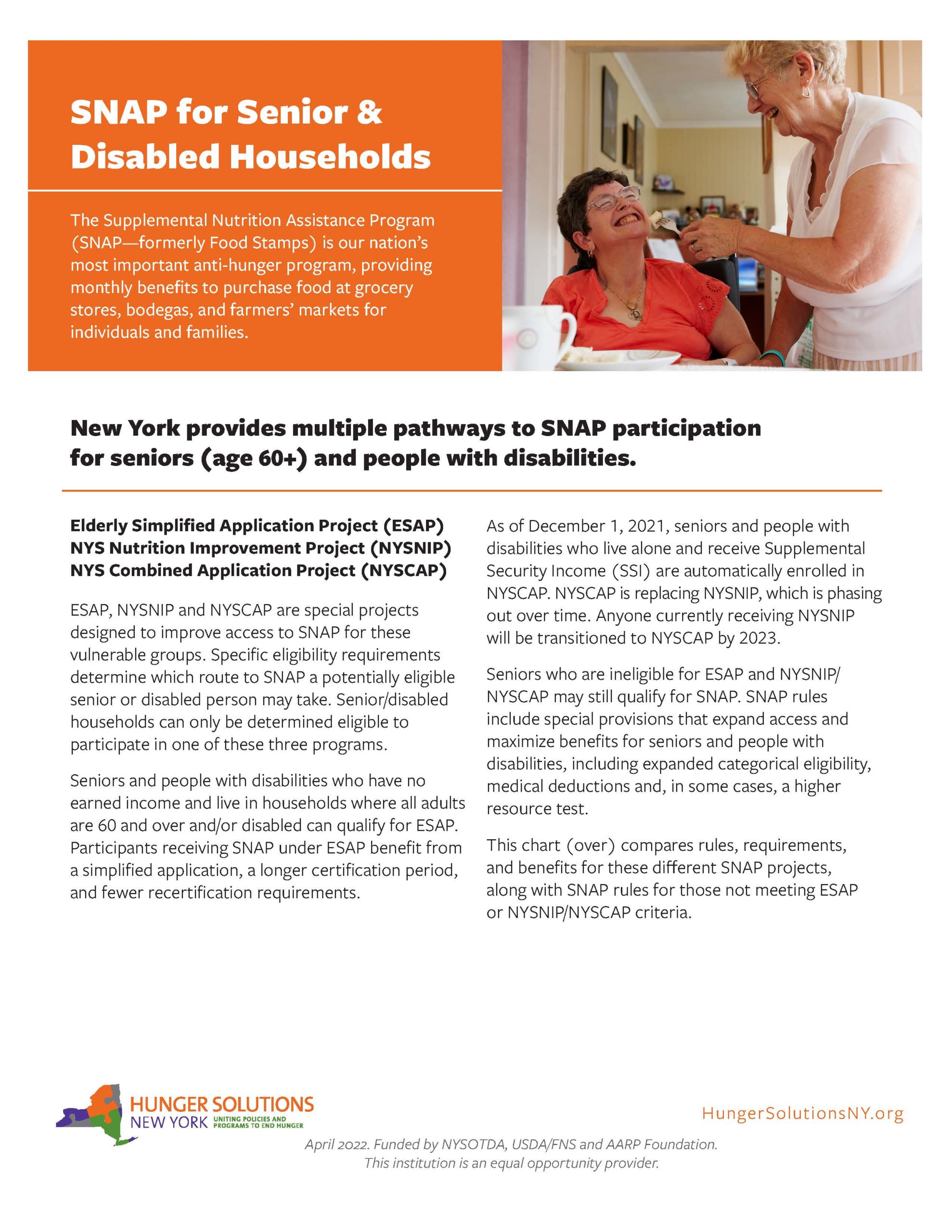
A senior is usually considered an elderly household member at age 60 or older. This matters because households with an older adult often receive more favorable SNAP rules.
For example, most households must meet both gross and net income tests. However, a household with a person age 60 or older may only need to meet the net income test in many cases. This can make a major difference for seniors who pay rent, medical bills, or utility costs.
SNAP benefits are placed on an electronic benefit transfer card, often called an EBT card. The card works much like a debit card, but it can only be used for eligible food.
How Do Senior Citizens Qualify for Food Stamps?
To understand how do senior citizens qualify for food stamps, start with the basic eligibility tests. Each state runs its own SNAP program, but federal rules guide the process.
A senior may qualify when:
• The household has low enough countable income
• The household meets the applicable resource rules
• The applicant lives in the state where they apply
• The applicant is a U.S. citizen or meets qualified immigration rules
• The applicant provides enough information for the agency to verify eligibility
A household does not have to be completely without income. Many seniors receive Social Security, Supplemental Security Income, pensions, or retirement payments and still qualify.
The most important point is that SNAP does not simply look at the amount of money coming in. It may subtract certain allowed expenses first. Think of the process like measuring the water left in a cup after necessary bills have been poured out.
Gross income and net income
Gross income is money received before deductions. Net income is the amount left after SNAP-approved deductions.
For many households, gross income must be at or below 130% of the federal poverty level, while net income must be at or below 100%. Elderly-only households and households with a qualifying disability often receive an exception from the gross income test, though state rules can vary.
Income may include:
• Social Security retirement benefits
• Supplemental Security Income
• Pension payments
• Veterans benefits
• Railroad retirement payments
• Wages from part-time work
• Interest or dividends
• Regular help from another person
Some income may be excluded under specific rules. The state SNAP office makes the final decision.
SNAP Income Limits for Seniors
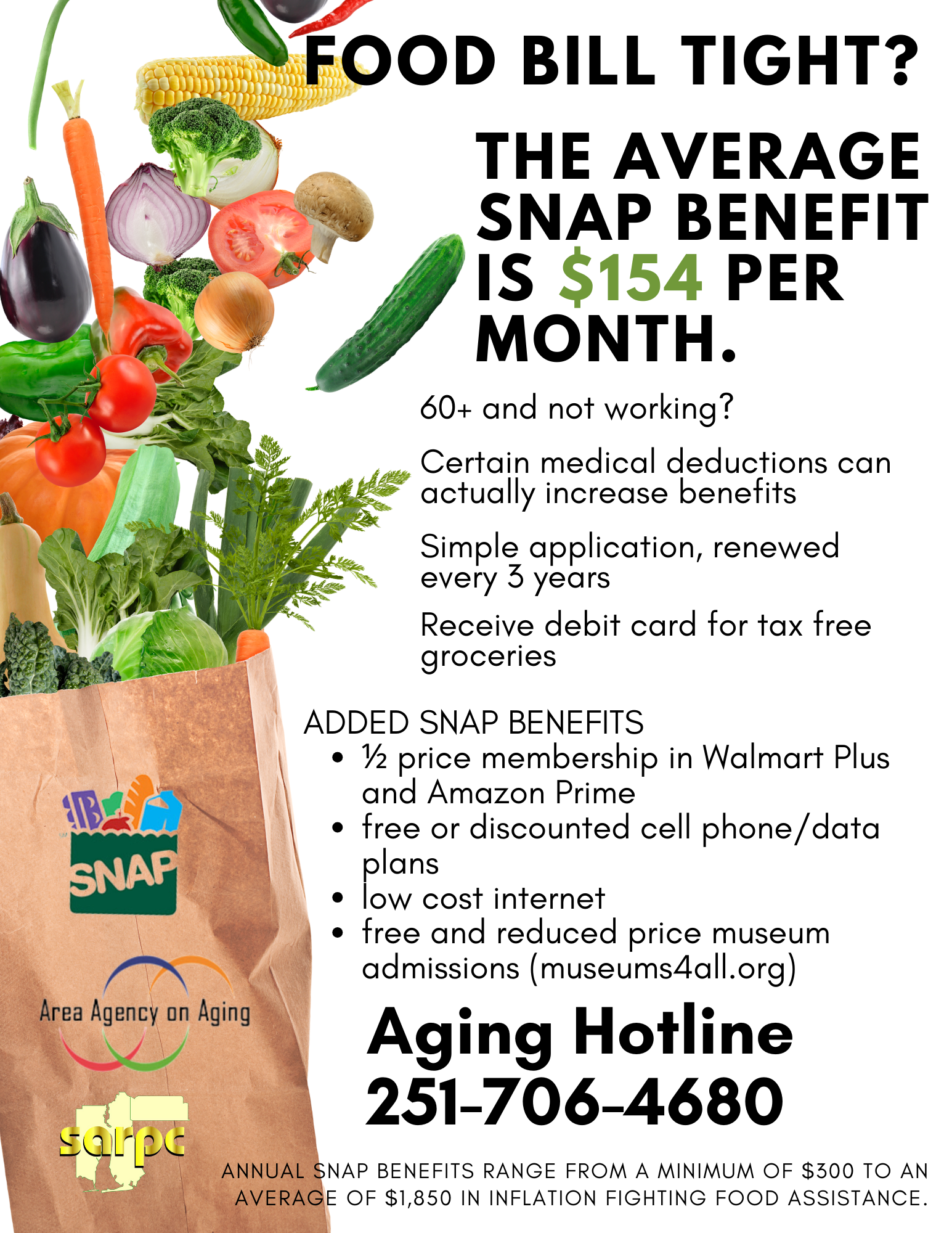
SNAP income limits change each year and vary by household size. The amount also depends on whether the household includes a senior or a person with a disability.
For the current limits, applicants should check the official SNAP website or contact their state SNAP agency. Online articles can become outdated when the federal poverty guidelines change, so using a current state source is important.
A senior household may have a better chance of qualifying when it has:
• Social Security income but high medical costs
• A small pension and significant rent
• Fixed income with high utility bills
• Part-time income and regular prescription expenses
• A combination of retirement income and housing costs
Social Security and SNAP
Social Security is usually counted as income for SNAP. This includes retirement benefits, survivor benefits, and Social Security Disability Insurance.
That does not mean Social Security automatically disqualifies a senior. The agency may apply deductions for shelter, medical costs, and other permitted expenses. A senior receiving $1,500 per month should not assume they are ineligible without completing a screening.
Supplemental Security Income and SNAP
SSI is also generally counted as income. Some states have special arrangements or different application procedures for SSI recipients.
SSI recipients should still apply or ask their state SNAP office for a screening. In a few places, an SSI application may connect with nutrition assistance, but SNAP approval is not always automatic.
Pensions and veterans benefits
Pensions and veterans benefits are usually counted. However, eligible deductions may reduce the income used in the SNAP calculation.
A person receiving a small pension may qualify if rent, utilities, and medical bills take up much of the monthly budget. The exact result depends on the state calculation and household facts.

Deductions That Help Senior Citizens Qualify
Deductions are one of the main reasons seniors may qualify for food stamps even when their monthly income looks too high at first.
Common SNAP deductions may include:
• A standard deduction for basic household expenses
• A shelter deduction for rent, mortgage payments, and some utility costs
• Certain dependent care expenses
• Some legally owed child support payments
• Medical expenses above a permitted amount for elderly or disabled members
Medical expense deduction
Medical expenses can be especially important for older adults. A senior may be able to claim out-of-pocket medical costs that are not paid by insurance or another person.
Possible expenses may include:
• Medicare premiums
• Medicaid or insurance premiums paid by the household
• Prescription drugs
• Doctor visits
• Dental care
• Eyeglasses
• Hearing aids
• Medical equipment
• Transportation to medical appointments
• In-home care
• Health-related supplies
Keep receipts, bills, pharmacy records, and insurance statements. Even small monthly costs can matter when they continue throughout the year.
Rules differ by state. Some states use a standard medical deduction, while others require detailed proof of actual expenses.
Housing and utility deductions
Rent and mortgage costs may help lower countable SNAP income. Utility costs may also qualify for a standard utility allowance.
A senior should report:
• Monthly rent
• Mortgage payments
• Property taxes
• Home insurance
• Electricity
• Gas
• Water
• Heating or cooling costs
• Telephone expenses, when allowed by state rules
Do not leave these costs off the application. One common mistake is reporting income but not reporting regular expenses that may reduce the SNAP calculation.
SNAP Resource and Asset Rules for Seniors
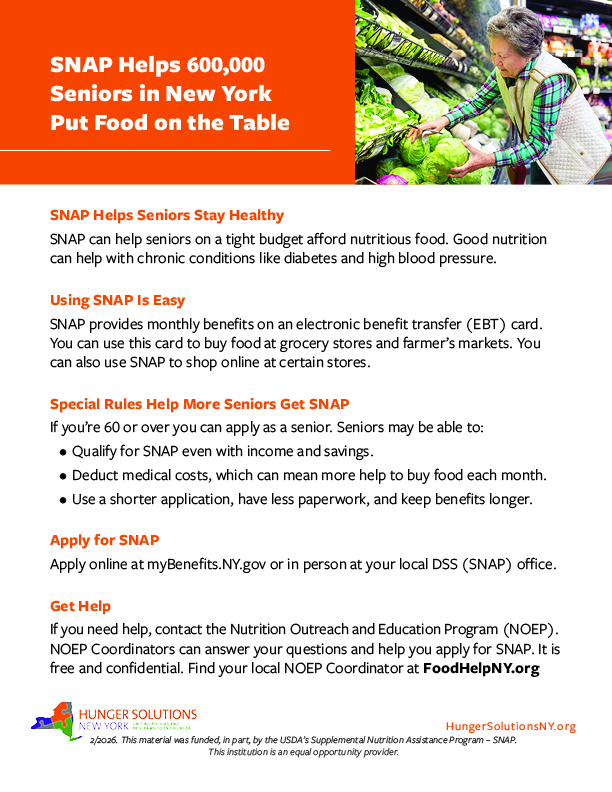
Resources are money or property that a household owns. Depending on the state, SNAP may review bank accounts, cash, and other assets.
Federal SNAP rules often use a higher resource limit for households with an elderly or disabled member. A commonly cited federal limit is $3,000 for such households, compared with $2,000 for households without an elderly or disabled member. However, many states use broad-based categorical eligibility rules that raise or remove the resource test.
Commonly reviewed resources may include:
• Checking accounts
• Savings accounts
• Cash on hand
• Certificates of deposit
• Some investment accounts
• Certain lump-sum payments
Some resources are usually excluded, such as:
• The home a person lives in
• Personal belongings
• One vehicle used for transportation, depending on state rules
• Certain retirement accounts
• Burial plots
• Some education accounts
Rules can be complex. A senior should not transfer money, close an account, or sell property simply to try to qualify. Such actions can create tax, legal, or benefit problems.
Report information honestly and ask the caseworker which resources count in that state. The agency, not a general online calculator, makes the official decision.

How Household Size Works for Senior SNAP Applications
SNAP household size is based mainly on who buys and prepares food together. People who live in the same home do not always have to be in the same SNAP household.
For example, an older parent may live with an adult child but buy and prepare food separately. In that case, the parent may be able to apply as a separate household, depending on the facts and state rules.
Spouses and parents living with children under age 22 are generally treated as one SNAP household, even if they say they purchase food separately. Other living arrangements may receive different treatment.
When learning how do senior citizens qualify for food stamps, household rules are just as important as income rules. Explain the living arrangement clearly on the application.
A caseworker may ask:
• Who lives at the address?
• Who buys food?
• Who cooks meals?
• Are meals shared?
• Is anyone a spouse or a child under age 22?
• Does someone help pay for food or bills?
Answer these questions accurately. Do not leave someone out simply because that person does not want benefits.

Special SNAP Rules for Elderly and Disabled Households
SNAP gives some flexibility to households that include an older adult or a person with a qualifying disability.
These households may benefit from:
• The net income test instead of both income tests
• A deduction for eligible medical expenses
• Different interview options in some states
• Simplified reporting rules
• Potentially higher resource limits
• Special certification periods
A qualifying disability may include receipt of certain disability benefits or a condition recognized under SNAP rules. The state agency decides whether the person meets the definition.
Some states also offer simplified applications for elderly households. These applications may ask fewer questions or allow longer periods between renewals. Ask about an elderly or disabled household option when applying.

How to Apply for Food Stamps as a Senior
The application process is usually handled by the state or local SNAP agency. Applications may be available online, by phone, by mail, or in person.
Follow these steps:
-
Find your state SNAP agency through the official government website.
-
Ask whether the state offers a senior or elderly household application.
-
Complete the application with your legal name, address, household details, income, and expenses.
-
Provide documents that support your information.
-
Complete the interview, unless the state grants an exception.
-
Respond quickly to requests for missing information.
-
Read the approval or denial notice carefully.
-
Appeal if you believe the decision is wrong.
The application date can affect when benefits begin. Submit the application as soon as possible, even if you do not yet have every document. The agency can explain what is missing.
Documents to gather
Useful documents may include:
• Government identification
• Social Security numbers for applicants
• Proof of address
• Social Security award letters
• Pension statements
• SSI or veterans benefit letters
• Recent pay stubs
• Bank statements, when required
• Rent or mortgage records
• Utility bills
• Medicare premium information
• Medical receipts and pharmacy records
• Child support records, if applicable
A senior who cannot use a computer may ask a trusted person, legal aid office, senior center, or benefits counselor for help. Never give a stranger control of an EBT card or personal identification number.
Can Someone Apply for a Senior Relative?
A senior may authorize another person to apply or speak with the SNAP agency on their behalf. This person may be called an authorized representative.
An authorized representative can help with:
• Completing forms
• Attending the interview
• Submitting documents
• Receiving notices
• Reporting changes
The senior remains responsible for choosing someone trustworthy. A caregiver, adult child, social worker, or trusted friend may help, but the senior should understand what information is being submitted.
Power of attorney rules and SNAP authorized representative rules are not always the same. Ask the agency what form is needed.
Help for seniors with limited mobility
Many states offer accommodations for people who cannot travel. Possible options include:
• Phone interviews
• Mail applications
• Online interviews
• Home visits in limited cases
• Help from a local social service office
• Language interpretation
• Disability accommodations
If a senior cannot attend an interview, call the agency before the appointment. Missing an interview without contacting the agency can delay the application.
Common Reasons Senior SNAP Applications Are Denied
A denial does not always mean the person can never qualify. Applications may fail because information is missing or because the agency used an incorrect household size.
Common problems include:
• Missing the interview
• Not reporting medical costs
• Failing to provide proof of rent
• Forgetting Medicare premium deductions
• Listing the wrong people in the household
• Not answering a verification notice
• Using old income information
• Giving unclear information about bank accounts
• Assuming Social Security makes approval impossible
Read the notice carefully. It should explain the reason for the decision and the deadline to request a fair hearing.
If the agency made a mistake, request an appeal. A legal aid program, senior legal service, or benefits counselor may be able to help at little or no cost.
A practical lesson from helping people navigate benefit forms is simple: keep a folder for every notice, bill, receipt, and application date. Good records can turn a confusing case into a clear one.
How Much Can Senior Citizens Receive in SNAP Benefits?
The SNAP benefit amount depends on household size, net income, and eligible expenses. It is not a fixed payment for every senior.
A household with lower net income may receive more than a household with higher net income. The maximum allotment also changes each fiscal year and depends on household size.
SNAP benefits are intended for eligible food, including:
• Fruits and vegetables
• Meat, poultry, and fish
• Dairy products
• Bread and cereals
• Seeds and plants that produce food
SNAP generally cannot be used for:
• Alcohol
• Tobacco
• Vitamins and medicines
• Hot prepared foods in most cases
• Pet food
• Household supplies
• Personal care items
Some states offer programs that match SNAP purchases at farmers markets. A senior can ask the local market or state agency whether such benefits are available.
Tips to Improve the SNAP Application
Knowing how do senior citizens qualify for food stamps is helpful, but careful preparation can make the process smoother.
Use these tips:
• Apply even if you are unsure you qualify.
• Report every allowed expense, especially medical and shelter costs.
• Keep copies of the application and every document sent.
• Write down the date, time, and name of each agency worker.
• Ask for an interpreter or disability accommodation when needed.
• Use current income information.
• Explain unusual payments, such as a one-time refund or insurance settlement.
• Check the EBT card balance after approval.
• Protect the card number and PIN.
• Report changes when the agency requires them.
Do not pay a person who promises guaranteed SNAP approval. No private company can guarantee eligibility. Official applications are handled through government agencies, and many community organizations offer free assistance.
Frequently Asked Questions
How do senior citizens qualify for food stamps if they receive Social Security?
Social Security usually counts as income, but it does not automatically prevent SNAP approval. Medical, housing, and utility deductions may lower the income used to determine eligibility.
Can a senior qualify for SNAP while owning a home?
Yes. The home where the senior lives is generally not counted as a SNAP resource. Income, other assets, household size, and allowed expenses still affect eligibility.
Do Medicare premiums count as a SNAP deduction?
Medicare premiums may count as an eligible medical expense for a senior household. The applicant should provide current premium records and ask the state agency how to document them.
Can seniors apply for food stamps online?
Most states offer online SNAP applications, but options vary. Seniors may also apply by phone, mail, or in person and may request help or an accommodation.
Can an adult child and parent receive separate SNAP benefits?
Sometimes. SNAP household rules often depend on who buys and prepares food, but spouses and parents with children under 22 may have to apply together. The state agency reviews the living arrangement.
What happens if a senior is denied SNAP?
The denial notice should explain the reason and appeal deadline. A senior can request a fair hearing and may seek help from legal aid, a senior center, or a benefits counselor.
Are food stamps and SNAP the same thing?
Yes. “Food stamps” is the older term, while SNAP is the official name. Benefits are usually provided through an EBT card.
Conclusion
Senior citizens qualify for food stamps by meeting SNAP rules for income, household size, resources, residency, and eligible expenses. Social Security, SSI, pensions, or homeownership do not automatically disqualify someone. Medical bills, Medicare premiums, rent, mortgages, and utilities may significantly improve eligibility.
The best next step is to apply through the official state SNAP agency and provide complete records. If the process feels difficult, ask a trusted relative, senior center, legal aid office, or benefits counselor for help. Share this guide with a senior who may need food support, and explore your state’s current SNAP resources today.

Michael Reynolds is a senior contributor at RetirementGazette.com, where he focuses on helping readers navigate the journey toward a secure and fulfilling retirement. With over a decade of experience in personal finance, retirement planning, and lifestyle writing, Michael combines practical strategies with easy-to-understand guidance tailored for both pre-retirees and those already enjoying their golden years.