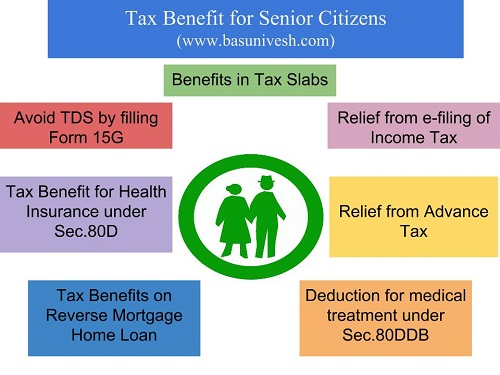
To apply for senior home care, assess needs, check funding, compare providers, and complete the required care application.
Finding care for an older loved one can feel like walking through a maze. You may wonder where to begin, which services are covered, and how fast help can start. This guide explains how to apply for senior home care in the United States, with clear steps for planning, funding, choosing a caregiver, and avoiding common delays.
What Is Senior Home Care?
Senior home care is support provided in a person’s home. It can help with daily tasks, personal care, health needs, safety, and companionship. The goal is to help older adults remain comfortable and independent at home for as long as possible.
Home care may include:
• Bathing, dressing, and grooming
• Toileting and incontinence support
• Meal planning and preparation
• Light housekeeping and laundry
• Medication reminders
• Transportation to appointments
• Companionship and social support
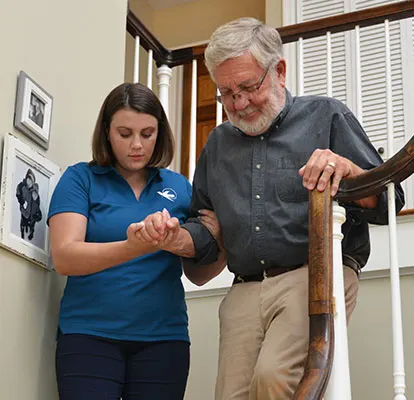
• Help with walking and transfers
• Skilled nursing or therapy after an illness or surgery
It is helpful to separate home care from home health care. Home care usually focuses on daily living and personal support. Home health care is medical care provided by licensed professionals, such as nurses, physical therapists, or occupational therapists.
For example, an aide may help an older adult shower and prepare lunch. A home health nurse may check a wound, teach medication use, or monitor recovery after surgery. Some people need one type of service, while others need both.

When Should You Apply for Senior Home Care?
You should consider how to apply for senior home care when daily tasks become unsafe, stressful, or difficult to manage. A sudden fall, hospital stay, memory problem, or new diagnosis may create an urgent need.
Common signs that support may be useful include:
• Frequent falls or trouble using stairs
• Missed medicines or medical appointments
• Poor eating habits or weight loss
• Unpaid bills or confusion with finances
• Difficulty bathing, dressing, or using the bathroom
• Unsafe driving or getting lost
• A home that is becoming cluttered or unhygienic
• Caregiver stress, sleep loss, or burnout
• Loneliness, depression, or withdrawal from normal activities
Do not wait for a crisis if you can plan ahead. Applying early gives you time to compare agencies, check costs, complete assessments, and join waiting lists if needed.
A simple care conversation can help. Ask the older adult what feels hard, what help they would accept, and what routines matter most. Respect is important. Home care works best when it supports a person’s choices rather than taking control away.
Step 1: Assess the Senior’s Care Needs
The first step in how to apply for senior home care is to identify the type and amount of help needed. Write down what the person can do alone, what requires support, and what requires professional medical care.
Use a basic daily needs checklist:
• Can the person safely get out of bed or a chair?
• Can they bathe and dress without help?
• Can they prepare and eat meals?
• Can they take medicines as directed?
• Can they walk safely inside and outside the home?
• Can they use the phone in an emergency?
• Can they manage money and appointments?
• Do they need supervision because of dementia or confusion?
Track needs for several days. Note the time of day when problems occur. For example, someone may manage well in the morning but become confused or unsteady in the evening.
A doctor, nurse, occupational therapist, or social worker can also assess care needs. Their notes may be useful when applying for Medicaid, long-term care benefits, or home health services.
Create a short care plan that lists:
• The tasks that need help
• The number of hours needed each week
• Preferred days and times
• Medical or safety concerns
• Language, cultural, or dietary preferences
• The senior’s wishes and limits
This information makes the next steps easier and helps agencies give you a more accurate price.

Step 2: Decide Which Type of Care You Need
Understanding the care type can prevent delays and unexpected bills. Different programs pay for different services.
Nonmedical personal care
This care helps with daily activities. A personal care aide may assist with bathing, dressing, toileting, meals, walking, and light housekeeping.
Companion care
Companion caregivers provide conversation, supervision, games, reading, and help with errands. This service may support someone who is lonely or needs a safe presence but does not need medical care.
Homemaker services
Homemaker support may include laundry, cleaning, meal preparation, and shopping. The exact services vary by state and agency.
Home health care
Home health care is medical care ordered by a qualified health professional. It may include skilled nursing, physical therapy, speech therapy, occupational therapy, or medical social work.
Respite care
Respite care gives an unpaid family caregiver time to rest, work, attend appointments, or handle personal needs. It may be available through Medicaid programs, veteran benefits, local aging programs, or nonprofit services.
Hospice or palliative care
Hospice supports people with a terminal illness who meet program requirements. Palliative care focuses on comfort and symptom control and may be available at different stages of serious illness.
The right service depends on the senior’s health, goals, income, insurance, and living situation. A care coordinator can help you match the need to the correct program.

Step 3: Check How Senior Home Care Will Be Paid For
Cost is one of the most important parts of how to apply for senior home care. Payment rules differ by state, insurance plan, income, assets, and care type.
Medicare
Original Medicare may cover certain home health services when a person meets specific conditions. These services generally require a medical need, a provider’s order, and care from a Medicare-certified agency.
Medicare usually does not pay for unlimited personal care or ongoing custodial care when that is the only service needed. Always ask the provider to explain what Medicare will cover and what you may owe.
Medicare Advantage plans may have different benefits and rules. Call the plan before starting care and ask about network agencies, authorization, copayments, and visit limits.
Medicaid
Medicaid is often a major source of funding for long-term home care. Each state sets its own rules. Some states offer personal care services through regular Medicaid, while others use home and community-based services waivers.
Medicaid may consider:
• Monthly income
• Savings and other assets
• Medical needs
• Functional limitations
• Residency and citizenship rules
• Whether the person meets a nursing-facility level of care
Some Medicaid programs have waiting lists. Apply as soon as possible if you think the senior may qualify.
Veterans benefits
A veteran or surviving spouse may qualify for help through the Department of Veterans Affairs. Possible programs include home-based primary care, homemaker and home health aide services, respite care, and certain pension benefits.
Eligibility depends on factors such as service history, health needs, income, assets, and enrollment. Contact a VA social worker or an accredited veterans service representative for guidance.
Long-term care insurance
Some long-term care insurance policies pay for in-home assistance. Read the policy carefully. It may require an inability to perform a certain number of daily activities, a waiting period, a care plan, or certification from a health professional.
Private pay
Families may pay an agency or independent caregiver directly. Ask for a written rate sheet. Costs may change based on evenings, weekends, holidays, minimum shifts, transportation, or specialized dementia care.
Community and local programs
Area Agencies on Aging, senior centers, local nonprofits, faith groups, and county programs may offer meals, transportation, respite care, or limited in-home help. Many programs have income or age rules, but some services are available more widely.

Step 4: Gather Documents Before Applying
Having documents ready can make how to apply for senior home care faster and less stressful. Keep paper copies and secure digital copies when possible.
You may need:
• The senior’s full legal name and date of birth
• Social Security number or Medicare number
• Proof of address and state residency
• Proof of income, such as Social Security or pension statements
• Bank and asset information for Medicaid
• Health insurance cards
• Medical records or a diagnosis
• A medication list
• A doctor’s order for home health care
• Power of attorney or health care proxy documents
• Veteran discharge papers, if applying for VA benefits
• Emergency contact information
Do not send sensitive documents by regular email unless the organization provides a secure system. Confirm that you are dealing with an official agency before sharing Social Security numbers, banking details, or medical records.
If a family member is applying for the senior, the program may ask for proof that the person is authorized to help. A power of attorney may allow help with finances, but it does not always replace the senior’s consent for health decisions.
Step 5: Apply Through the Correct Program
The application path depends on the care needed and how it will be paid for.
Applying for private home care
If you plan to pay privately, contact several licensed home care agencies. Ask for an in-home assessment. The agency will usually review the senior’s needs, schedule, home environment, and preferences.
A typical process includes:
- Call the agency and describe the needed care.
- Ask about licensing, insurance, and caregiver screening.
- Schedule an assessment at the senior’s home.
- Review the proposed care plan and hourly rate.
- Read the service agreement before signing.
- Confirm the caregiver’s start date and schedule.
Applying for Medicare home health
Ask the senior’s doctor or hospital discharge team whether home health is appropriate. The doctor must generally certify the need for covered skilled services and provide an order.
The home health agency may then verify eligibility, assess the home, and create a plan of care. Ask whether the agency accepts the senior’s Medicare plan and whether prior authorization is needed.
Applying for Medicaid home care
Start with the state Medicaid office or the official benefits website. You may need to complete a financial application and a separate functional assessment.
After the financial review, a nurse or assessor may determine whether the senior needs help with daily activities. If approved, the state may offer agency care, consumer-directed care, or another service model.
Applying for VA home care
Contact the local VA medical center or speak with the senior’s VA primary care team. Ask for a social work consultation and explain the help needed at home.
VA programs can have different eligibility rules and may not provide unlimited hours. Ask about wait times, copayments, caregiver support, and backup care.
Applying through an Area Agency on Aging
Your local Area Agency on Aging can explain community services and public benefits. It may help with referrals, meals, transportation, caregiver support, and long-term care options.
In the United States, you can also call 211 for local community resources. The Eldercare Locator can help families find aging services by location.

Step 6: Compare Home Care Agencies
Choosing a provider is about more than finding the lowest hourly rate. A reliable agency should communicate clearly, protect the senior’s privacy, and respond when a caregiver is absent.
Ask each agency:
• Is the agency licensed in this state?
• Is it bonded and insured?
• Are caregivers employees or independent contractors?
• Does the agency complete background checks?
• Does it verify references and work history?
• What training do caregivers receive?
• Can the agency handle dementia, transfers, or toileting?
• How does it supervise caregivers?
• What happens if a caregiver calls out?
• Is there a 24-hour contact number?
• Are there minimum shift lengths?
• What fees are not included in the hourly rate?
• Can the family interview the caregiver?
• How are complaints handled?
A good agency should provide a written service plan. It should state the tasks caregivers may perform and the tasks they may not perform.
For instance, a home care aide may remind someone to take a medicine. The aide may not be allowed to change a prescription, give an injection, or perform skilled nursing duties unless properly licensed and authorized.

Step 7: Prepare the Home and Welcome the Caregiver
A safe home helps care begin smoothly. Remove loose rugs, improve lighting, clear paths, and place needed items within easy reach.
Consider adding:
• Grab bars in the bathroom
• A shower chair
• Nonslip mats
• A raised toilet seat
• Night-lights
• A sturdy chair with arms
• A lockbox for emergency access
• A visible list of emergency contacts
• A labeled medication area
Create a welcome folder for the caregiver. Include the senior’s routines, food preferences, allergies, medical contacts, emergency plan, and communication preferences.
The first visit may feel awkward. The senior may worry about losing privacy or independence. Start with a small number of hours and familiar tasks when possible. A calm introduction often works better than making many changes at once.
I have seen families make one common mistake: they describe the senior as “fine” during the agency assessment because they want to protect the person’s dignity. That can lead to too little care. Be respectful but honest about falls, confusion, missed meals, and difficult tasks.
Step 8: Review the Care Plan After Care Begins
Applying for senior home care is not the final step. Needs can change after an illness, fall, medication change, or hospital visit.
Review the care plan after the first week, then regularly. Ask:
• Is the caregiver arriving on time?
• Are the agreed tasks being completed?
• Does the senior feel safe and respected?
• Are meals, hygiene, and medicines being managed?
• Is the schedule long enough?
• Is the caregiver a good match?
• Are there new changes in mood, walking, memory, or appetite?
Keep notes about concerns and share them with the agency. Clear records help solve problems before they become serious.
If the senior has dementia, watch for wandering, unsafe cooking, repeated questions, sleep changes, or agitation. These signs may require a new safety plan or a higher level of care.
A care plan should be flexible. It is more like a map than a permanent contract. Update it when the senior’s health or goals change.
Common Mistakes to Avoid
Families often lose time or money because they begin with the wrong program or fail to ask detailed questions. Avoid these mistakes:
• Waiting until a crisis forces a rushed decision
• Assuming Medicare pays for all long-term personal care
• Choosing an agency based only on price
• Failing to ask about minimum shifts and cancellation fees
• Not checking licensing and insurance
• Giving a caregiver tasks outside their training
• Ignoring the senior’s preferences
• Forgetting to plan for caregiver absences
• Sharing financial information with an unverified person
• Failing to report changes in health or function
• Signing a contract without reading the billing terms
• Assuming approval means services start immediately
One practical lesson is to keep a folder for every application. Save forms, names, phone numbers, approval letters, assessment results, and notes from calls. Write down the date, the person you spoke with, and the next step.
If an application is denied, read the notice carefully. It should explain appeal rights and deadlines. You may be able to request a review, submit missing information, or ask for a new assessment.
How Long Does the Application Process Take?
The time varies by program and location. Private agencies may arrange an assessment within a few days. Medicare home health may begin soon after a qualifying hospital stay or medical order.
Medicaid applications often take longer because they may include financial checks, medical records, and a functional assessment. State waiver programs may also have waiting lists.
To reduce delays:
• Apply before the need becomes urgent
• Answer every question on the form
• Submit clear copies of documents
• Respond quickly to requests for information
• Ask whether an interview is required
• Keep proof that you submitted the application
• Request an interpreter or disability accommodation if needed
• Ask how to check the application status
If the senior is unsafe while waiting, ask the hospital discharge planner, doctor, social worker, or local aging agency about temporary support.
Understanding Safety, Privacy, and Quality
Home care should protect the senior’s safety and dignity. Caregivers should respect personal choices, knock before entering private spaces, and keep health information confidential.
Watch for warning signs:
• Unexplained bruises or injuries
• Missing money or valuables
• Sudden fear around a caregiver
• Poor hygiene despite scheduled visits
• Missed medicines or meals
• Caregivers who refuse supervision
• Pressure to sign financial documents
• Changes in behavior after visits
If you suspect abuse, neglect, or exploitation, report it to Adult Protective Services or the appropriate emergency service. Call 911 if there is immediate danger.
Ask the agency how it handles complaints and incident reports. Trust your instincts, but also document facts such as dates, times, injuries, missed visits, and statements made by the senior.
Quality care is a partnership. Family members, caregivers, doctors, and the senior should share information within appropriate privacy limits.
Frequently Asked Questions About How to Apply for Senior Home Care
Does Medicare pay for senior home care?
Medicare may cover eligible home health services, such as skilled nursing or therapy, when medical requirements are met. It generally does not pay for unlimited personal care when custodial help is the only need.
How do I apply for Medicaid home care?
Contact your state Medicaid office or official benefits website. You may need to complete a financial application, provide documents, and schedule a functional needs assessment.
Can a family member be paid to provide home care?
Some Medicaid consumer-directed programs allow an eligible senior to choose and direct a caregiver, sometimes including a family member. Rules vary by state, and spouses or legal representatives may have different restrictions.
How do I apply for senior home care through the VA?
Contact the senior’s VA medical center, primary care team, or a VA social worker. The VA can review health needs, service history, income, and available home-based programs.
How much does senior home care cost?
Private-pay costs vary by location, care type, caregiver training, and visit schedule. Request a written estimate that includes hourly rates, minimum shifts, transportation charges, overtime, and cancellation fees.
What if the senior refuses home care?
Listen to the reason for the refusal and offer choices instead of giving orders. A short trial with a carefully matched caregiver may feel less threatening than a large change.
Can home care prevent nursing home placement?
Home care may help some older adults remain at home by supporting daily tasks and safety. It cannot meet every need, especially when there is severe medical instability, advanced dementia, or a home environment that cannot be made safe.
Conclusion
Learning how to apply for senior home care starts with an honest assessment of daily needs. Next, identify the right service, review Medicare, Medicaid, VA, insurance, and private-pay options, gather documents, and compare qualified providers.
Apply early, ask clear questions, and include the senior in each decision. A thoughtful care plan can bring more safety to the home and more peace of mind to the whole family. Use this guide to begin your care search today, and contact your state aging or benefits office for personalized help.

Michael Reynolds is a senior contributor at RetirementGazette.com, where he focuses on helping readers navigate the journey toward a secure and fulfilling retirement. With over a decade of experience in personal finance, retirement planning, and lifestyle writing, Michael combines practical strategies with easy-to-understand guidance tailored for both pre-retirees and those already enjoying their golden years.