About 32,000 people age 65 and older were homeless in the United States during the 2024 count.
The question of how many senior citizens are homeless is more complex than one number suggests. Federal counts show a growing share of older adults without stable housing, but many people stay hidden in cars, shelters, motels, or temporary homes. This guide explains the latest data, why homelessness rises in later life, and what help may be available.
How many senior citizens are homeless in the United States?
The best national estimate comes from the U.S. Department of Housing and Urban Development’s 2024 Point-in-Time count. This count found about 771,000 people experiencing homelessness on one night in January 2024.
Based on the age breakdown, roughly:
• About 32,000 people age 65 and older were homeless.
• About 140,000 people age 55 and older were homeless.
The wider 55-and-older figure is useful because many housing programs and studies define “older adult” as age 55 or older. However, the common meaning of “senior citizen” often begins at age 65.
So, when people ask how many senior citizens are homeless, the clearest answer is this: around 32,000 people age 65 and older were counted as homeless on a single night in 2024, while the number rises to about 140,000 when adults age 55 and older are included.
These figures are estimates, not a full census. They count people who were visible to local outreach teams or staying in emergency shelters, transitional housing, cars, or other locations during the official count.

What does the national homeless count include?
The Point-in-Time count is a yearly survey held during one night in January. Local agencies count people staying in:
• Emergency shelters
• Transitional housing
• Cars, vans, and recreational vehicles
• Streets and sidewalks
• Abandoned buildings
• Parks and encampments
• Other places not meant for regular living
The count does not measure every person who loses housing during the year. Someone may become homeless in February, stay with relatives, or move between short-term housing and a shelter without appearing in the January count.
This is one reason the answer to how many senior citizens are homeless should always include a warning about undercounting. A one-night count is like taking one photograph of a moving crowd. It shows part of the story, but not every person who passes through.
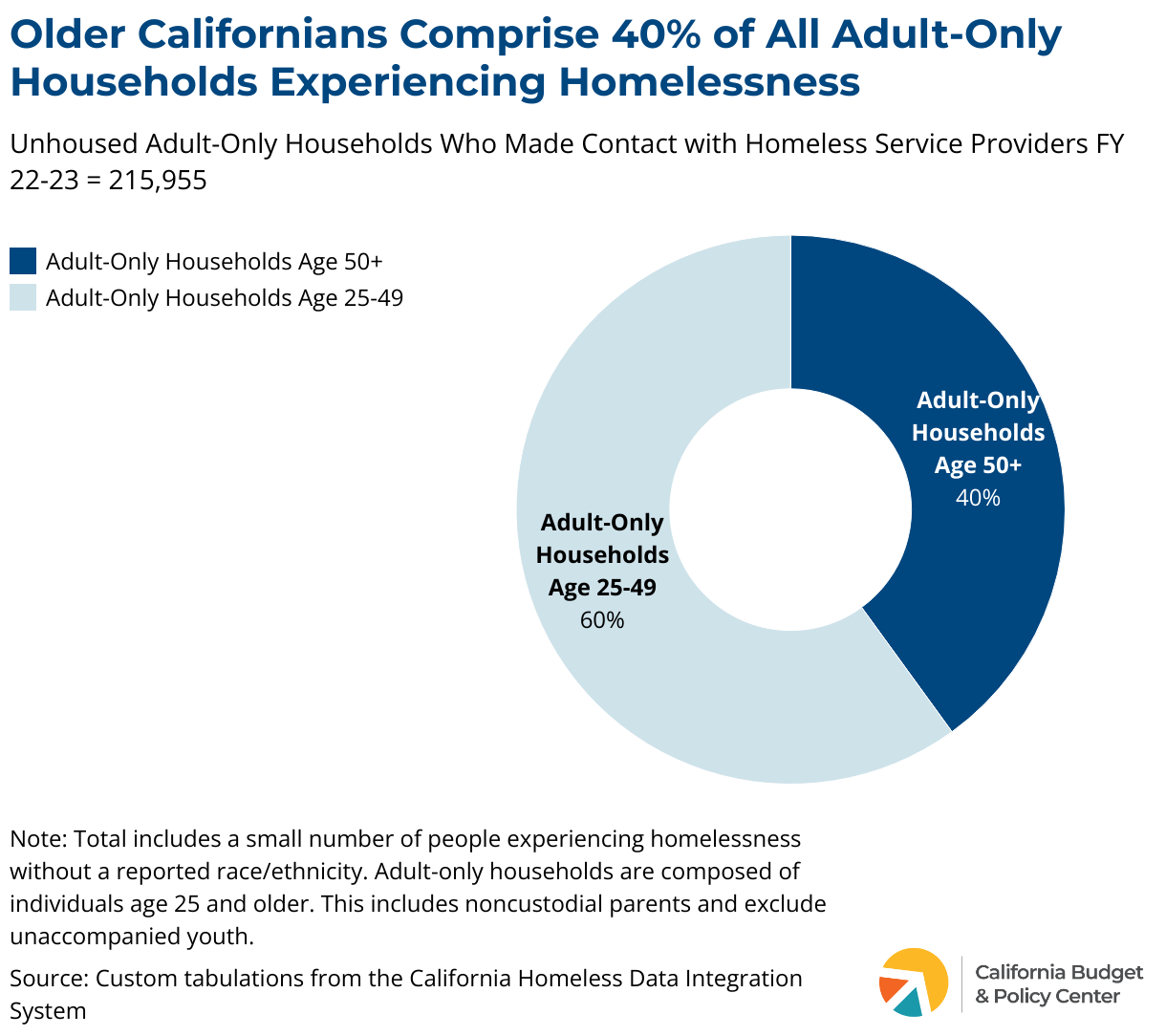
HUD also uses age groups that do not always match the everyday definition of a senior. A person age 55 to 61 may be included in the “older adult” group even though they may not yet qualify for Social Security retirement benefits or senior housing.
Why are older adults becoming homeless?
Senior homelessness usually develops from several problems that build over time. A person may manage one challenge, but a sudden rent increase, medical bill, or job loss can remove the last bit of financial balance.
Common causes include:
High housing costs
Rent has risen faster than income in many parts of the country. Older adults living on Social Security may have little money left after paying for housing, food, medicine, and utilities.
A person who spends most of a fixed income on rent may be only one missed payment away from eviction. Even a small rent increase can create a serious crisis.
Low retirement income
Not every older adult has a pension, savings account, or home that is fully paid off. Many depend mainly on Social Security. The average monthly benefit may cover basic needs, but it may not match the cost of housing in a high rent area.
Some seniors also worked in jobs without retirement plans. Others had to stop working early because of illness or caregiving duties.
Medical problems and disability
Health problems can raise costs while reducing income. A stroke, fall, cancer diagnosis, or serious heart condition may lead to hospital bills, transportation costs, or the loss of a job.
Disability can also make it harder to find affordable housing. A person may need an elevator, a ground floor unit, a wheelchair accessible bathroom, or space for medical equipment.
Eviction and foreclosure
Older adults may lose housing after falling behind on rent, property taxes, mortgage payments, or utility bills. Some face eviction after a landlord sells a building or raises the rent.
Homeowners can also become homeless. Property tax increases, major repairs, or unpaid mortgage debt may force an older person to leave a home they have lived in for decades.
Family changes
The death of a spouse can cause a major financial shock. A surviving partner may lose part of the household income while still paying the same rent, mortgage, or utility bills.
Divorce, family conflict, abuse, or the loss of a caregiver can also make housing unsafe or impossible to maintain.
Domestic violence and elder abuse
Some older adults leave home to escape violence or financial abuse. They may give control of money or property to a relative, partner, or caregiver and later lose access to their own resources.
These cases are often hard to detect because the person may feel ashamed, afraid, or worried about losing family support.
Is senior homelessness increasing?
The number of older people experiencing homelessness has become a major concern for housing and aging experts. The overall homeless population rose sharply between 2023 and 2024, and older adults were part of that increase.
Several long-term trends help explain the risk:
• The population age 65 and older is growing.
• More older renters face high housing costs.
• Affordable housing supply remains limited.
• Many cities have long waiting lists for rental assistance.
• Medical and long-term care costs continue to strain household budgets.
• Older adults who entered homelessness years ago are aging while still without stable housing.
It is important to separate two groups. Some older adults become homeless for the first time after age 55 or 65. Others experienced homelessness earlier in life and are now growing older in shelters or on the street.
These groups may need different services. A person newly evicted may need rental help and legal support. A person who has lived outside for years may need medical care, disability services, and permanent supportive housing.

Why official numbers may be lower than the real number
The answer to how many senior citizens are homeless is likely lower than the true number because many older adults do not appear in official counts.
Some stay temporarily with friends or relatives. This is sometimes called hidden homelessness or doubling up. Others sleep in motels, rotate between family homes, or live in unsafe buildings that are not officially classified as homeless settings.
Older adults may also avoid shelters because of:
• Fear of theft or violence
• Mobility problems
• Lack of accessible bathrooms
• Rules about pets or medications
• Distrust of government agencies
• Shame or embarrassment
• Confusion caused by memory loss
• Lack of transportation
An older person may also describe their situation as “staying with family” rather than homelessness, even when they have no legal right to remain there.
The Point-in-Time count has other limits. Weather can affect where people stay. Some communities have better outreach teams than others. Rural areas may be especially difficult to count because people live far apart and may not visit shelters.
For these reasons, researchers often use shelter records, eviction data, school records, hospital data, and annual service reports to understand the wider problem.

Where do homeless seniors live?
Older adults experiencing homelessness may live in many different places. Not all are visible in public spaces.
Common situations include:
• Emergency shelters
• Permanent supportive housing
• Cars or vans
• Tent encampments
• Motels paid for with short-term assistance
• Abandoned homes or buildings
• Hospitals after discharge
• Nursing facilities they cannot afford
• A friend’s or relative’s home
• Outdoor areas near transit stations or service centers
Shelters can protect people from extreme weather, but they may not meet the needs of seniors. Some shelters have stairs, crowded rooms, limited privacy, or no space for walkers and wheelchairs.
A person with diabetes, dementia, or a serious heart condition may need more than a bed for the night. They may need a safe room, regular medication support, meals, transportation, and help with benefits.
What risks do homeless senior citizens face?
Homelessness is dangerous at any age, but it can be especially harmful for older adults. Aging bodies often have less ability to recover from cold, heat, poor sleep, infection, or untreated injuries.
Major risks include:
Health decline
Small health problems can become serious when a person lacks a safe place to rest. A foot wound may become infected. A fall may lead to a broken hip. Missed medication can worsen heart disease, diabetes, or mental health conditions.
Extreme weather
Older adults are more vulnerable to hypothermia and heat illness. A cold night, summer heat wave, or heavy storm can become life threatening when a person has no safe indoor space.
Falls and injuries
Uneven pavement, poor lighting, wet floors, and crowded shelters can increase fall risk. A broken bone may lead to long hospital stays and permanent loss of independence.
Isolation
Many seniors already face loneliness after the death of a spouse or close friends. Homelessness can cut them off from family, doctors, religious groups, and neighbors.
Loss of important records
Replacing an identification card, birth certificate, Medicare card, or Social Security record can be difficult without a mailing address. Missing documents can delay benefits and housing applications.
Higher risk of exploitation
People without stable housing may be targeted for theft, fraud, abuse, or financial exploitation. An older adult may hand over a benefit card or property title in exchange for a place to sleep.

How homelessness affects aging
Homelessness can make a person age faster in practical terms. Long periods of stress, poor sleep, limited food, and untreated illness can reduce strength and memory.
A person who is 58 may have the health needs of someone much older. This is why many service providers begin offering specialized support at age 50, 55, or 60 rather than waiting until age 65.
Homelessness can also make ordinary tasks feel impossible. Keeping a phone charged, storing medicine, attending an appointment, and protecting personal papers all become daily challenges.
From reviewing outreach reports and housing case studies, one lesson appears again and again: stability often starts with small, practical help. A replacement ID, a bus pass, a safe place for medication, or an advocate at a benefits office can open the door to larger support.
A common mistake is to assume that a senior must solve every problem before receiving housing. In reality, many programs work better when they provide housing first and then connect the person with health, income, and social services.
What help is available for homeless seniors?
Support varies by state and county, but several programs may help older adults find housing or prevent homelessness.
Emergency shelter
Shelters can provide a bed, meals, showers, case management, and referrals. Ask whether the shelter offers accessible rooms, medical support, transportation, and storage for mobility equipment.
Housing Choice Vouchers
The Housing Choice Voucher program helps eligible households pay part of their rent to a private landlord. Waiting lists may be long, so people should apply as early as possible and keep contact information updated.
Section 202 housing
The federal Section 202 program supports affordable housing for low income older adults. Many properties have age and income rules, and some maintain waiting lists.
Supplemental Security Income
Supplemental Security Income may help people with very low income who are older, blind, or disabled. It is separate from regular Social Security retirement benefits.
Social Security and Medicare support
Benefits counselors can help older adults check eligibility, correct payment problems, and apply for Medicare savings programs or prescription assistance.
Permanent supportive housing
Permanent supportive housing combines a long-term home with services. These services may include medical care, transportation, counseling, meal support, and help with daily tasks.
Legal aid
Free legal services may help with eviction, unsafe housing, landlord disputes, benefit denials, identity theft, and elder abuse. Contact a local legal aid office before signing an agreement or leaving a home after an eviction notice.
Area Agencies on Aging
Local Area Agencies on Aging can connect seniors with meals, transportation, case management, caregiver support, and benefits counseling. In many areas, calling 211 is also a useful first step for shelter and housing referrals.
How to help an older person who is homeless
If you know a senior citizen without stable housing, lead with respect. Homelessness can make people feel invisible, so a calm and kind conversation matters.
Try these steps:
-
Ask what the person needs right now. Do not assume that shelter is their first priority.
-
Offer water, food, a phone charge, or a ride if you can do so safely.
-
Call 211 or a local homelessness response program.
-
Contact the Area Agency on Aging in the person’s county.
-
Help replace lost identification documents.
-
Write down appointment times and phone numbers in large print.
-
Ask about medical needs, medication, mobility limits, and pets.
-
Watch for signs of abuse, confusion, serious illness, or immediate danger.
-
Avoid promising housing, money, or a long-term solution that you cannot provide.
-
Protect the person’s privacy and ask permission before sharing personal details.
If the person has a life threatening medical problem, call 911. If you suspect elder abuse, contact Adult Protective Services through the state or local agency.
One practical lesson is worth remembering: paperwork can be as important as a warm meal. Without identification, benefit records, and a reliable phone number, an older adult may struggle to move from an emergency response to permanent housing.
How communities can reduce senior homelessness
Reducing senior homelessness requires more than building shelters. Communities need a mix of prevention, affordable housing, health care, and long-term support.
Effective strategies include:
• Building more affordable and accessible apartments
• Expanding rental assistance and housing vouchers
• Preventing evictions before they happen
• Offering emergency funds for rent, utilities, and repairs
• Creating medical respite beds after hospital discharge
• Supporting permanent supportive housing
• Improving transportation to housing and medical appointments
• Training staff to identify elder abuse and cognitive decline
• Making shelters safer for people with disabilities
• Connecting older adults with benefits before they lose housing
Prevention is often less costly and less traumatic than helping someone after they become homeless. A short-term rental payment, legal consultation, or home repair may prevent a crisis.
Communities should also collect better data. Counts should include people staying temporarily with others, living in motels, or moving between unsafe housing situations. Better data leads to better planning.
How to interpret the number of homeless seniors
When looking at statistics about how many senior citizens are homeless, check four details:
• The age definition: Does “senior” mean age 55, 60, 62, or 65?
• The date: Is the figure from one night or an entire year?
• The location: Is it a national, state, county, or city estimate?
• The housing status: Does it include people doubled up with family?
A figure can be accurate and still incomplete. For example, a count of people age 65 and older may exclude adults age 55 to 64 who face many of the same risks. A shelter count may also miss people living in vehicles or staying temporarily with relatives.
The most responsible answer to how many senior citizens are homeless combines the official estimate with this context. National data gives us a useful starting point, but local agencies often know more about the people who are hardest to reach.
Frequently Asked Questions About How Many Senior Citizens Are Homeless
How many people age 65 and older are homeless?
About 32,000 people age 65 and older were counted as homeless in the United States during the 2024 Point-in-Time count. This is a one-night estimate and likely misses some people staying temporarily with relatives, in motels, or in other hidden situations.
How many homeless people are age 55 and older?
Approximately 140,000 people age 55 and older were included in the 2024 national estimate. Researchers often use age 55 because older adults can face serious health and housing risks well before age 65.
Is senior homelessness increasing?
Older adult homelessness is a growing concern, especially as rents, medical costs, and the number of older renters rise. The national homeless count also increased sharply from 2023 to 2024, although trends differ by location and age group.
What is the main cause of homelessness among seniors?
There is rarely one cause. High rent, low fixed income, medical problems, eviction, the loss of a spouse, family conflict, and disability often combine to create a housing crisis.
Where can a homeless senior get help?
Call 211, contact the local Area Agency on Aging, or reach out to a homeless service provider. These agencies may connect the person with shelter, benefits, rental assistance, legal aid, transportation, and supportive housing.
Does the homeless count include seniors living with family?
Usually, no. People temporarily staying with relatives or friends may be experiencing hidden homelessness, but they are often not included in the official Point-in-Time count unless they are living in a qualifying shelter or location.
Conclusion
The clearest answer to how many senior citizens are homeless is about 32,000 people age 65 and older in the 2024 one-night national count. When adults age 55 and older are included, the estimate rises to roughly 140,000 people.
These numbers show only part of the problem. Many older adults remain hidden in cars, motels, crowded homes, or unsafe buildings. Rising rent, fixed incomes, health problems, and limited affordable housing all increase the risk.
If you know an older adult without stable housing, start with 211, an Area Agency on Aging, or a local housing provider. Learning the facts, offering respectful help, and supporting affordable housing efforts can make a real difference.

Michael Reynolds is a senior contributor at RetirementGazette.com, where he focuses on helping readers navigate the journey toward a secure and fulfilling retirement. With over a decade of experience in personal finance, retirement planning, and lifestyle writing, Michael combines practical strategies with easy-to-understand guidance tailored for both pre-retirees and those already enjoying their golden years.