
Senior citizens may qualify for health care, income, food, housing, tax, and transportation benefits.
Understanding what benefits are available for senior citizens can make daily life safer and more affordable. Programs differ by income, age, health, location, work history, and military service, so knowing where to look is the first step. This guide explains the main federal, state, and local programs, along with practical tips to avoid missed benefits.
What Benefits Are Available for Senior Citizens?
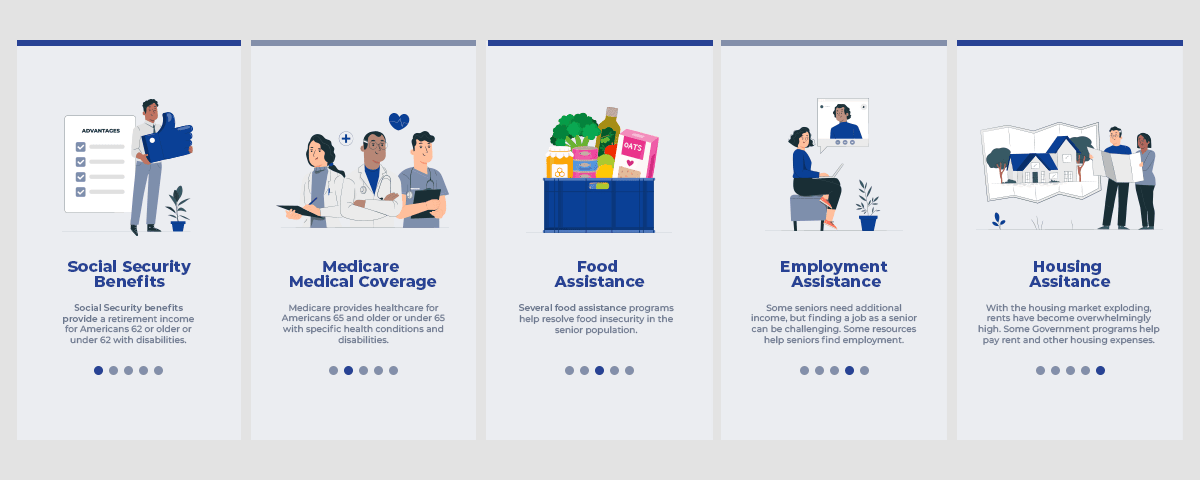
The benefits available for senior citizens usually fall into several groups. These include health coverage, retirement income, food help, housing support, tax relief, utility assistance, and programs that help older adults stay active and independent.
Common options include:
• Social Security retirement benefits
• Supplemental Security Income
• Medicare and Medicare Savings Programs
• Medicaid and long-term care support
• Supplemental Nutrition Assistance Program benefits
• Affordable housing and rental assistance
• Low Income Home Energy Assistance
• Property tax relief
• Transportation and meal programs
• Veterans benefits
Not every older adult qualifies for every program. Some benefits depend on work credits. Others use income, assets, medical needs, or local rules. A careful screening can reveal help that may not appear in a simple online search.

Social Security Retirement Benefits
Social Security is one of the most important benefits available for senior citizens. It provides monthly income based on a person’s earnings record and the Social Security taxes paid during working years.
Most people can start retirement benefits between ages 62 and 70. Starting early may reduce the monthly payment. Waiting longer can increase the payment until age 70. There is no extra increase for waiting beyond age 70.
Before claiming, consider:
• Your health and expected retirement length
• Your spouse’s work and benefit record
• Whether you still plan to work
• Your need for income now
• Possible tax effects
• The effect on survivor benefits
A spouse may qualify for a benefit based on the other spouse’s work record. Divorced people may also qualify in some cases if the marriage lasted at least 10 years and other rules apply.
Social Security may also provide disability benefits or survivor benefits. These programs are not only for retired workers. A widow, widower, dependent child, or disabled worker may qualify under separate rules.
One common mistake is claiming without checking the full household picture. A short meeting with a benefits counselor can help you compare several claiming dates instead of focusing only on the earliest payment.
Supplemental Security Income for Low-Income Adults
Supplemental Security Income, or SSI, helps people who have limited income and resources. It is available to certain adults age 65 or older, as well as people who are blind or disabled.
SSI is different from Social Security retirement. You may qualify for SSI even if you have little or no work history. However, the program has strict income and resource rules.
SSI may count:
• Wages and self-employment income
• Pension payments
• Social Security payments
• Help from family members
• Bank accounts and other resources
Some assets may not count, such as a primary home or one vehicle used for transportation. The rules can be complex, and state supplements may provide extra help.
If you receive SSI, report changes in income, living arrangements, and marital status. Failing to report changes can lead to overpayments that must later be repaid.

Medicare Health Coverage
Medicare is a major part of what benefits are available for senior citizens. Most people become eligible at age 65, although younger people with certain disabilities or medical conditions may also qualify.
Medicare has several parts:
• Part A helps cover inpatient hospital care, skilled nursing facility care, hospice, and some home health care.
• Part B helps cover doctor visits, outpatient care, preventive services, and medical equipment.
• Part C, also called Medicare Advantage, offers coverage through private plans approved by Medicare.
• Part D helps pay for prescription drugs.
Original Medicare and Medicare Advantage work in different ways. Original Medicare allows broad provider choice but often requires supplemental coverage for some costs. Medicare Advantage plans may include extra benefits but usually use provider networks.
Important enrollment periods include:
• The Initial Enrollment Period around your 65th birthday
• The Annual Election Period from October 15 through December 7
• Special Enrollment Periods after certain life events
Enroll on time when required. Delaying Part B or Part D without qualifying employer coverage may cause lasting late enrollment penalties.
Medicare covers many preventive services, such as wellness visits, screenings, vaccines, and counseling. Using these services can help find health problems early.

Medicare Savings Programs and Extra Help
Some of the most valuable benefits available for senior citizens are designed to reduce Medicare costs. Medicare Savings Programs can help eligible people pay Part A or Part B premiums and, in some cases, deductibles and coinsurance.
The main programs include:
• Qualified Medicare Beneficiary
• Specified Low-Income Medicare Beneficiary
• Qualifying Individual
• Qualified Disabled and Working Individual
Income and asset limits vary by program and state. Even if you think your income is slightly too high, apply or ask a trained counselor to review your case. Limits can change, and certain income or assets may receive special treatment.
The Extra Help program lowers prescription drug costs for people with limited income and resources. It may reduce premiums, deductibles, and copayments for Medicare Part D.
Your state Medicaid office or local health insurance assistance program can explain how to apply. These programs are often overlooked because many older adults assume Medicare automatically covers every medical bill.

Medicaid and Long-Term Care Assistance
Medicaid is a joint federal and state program. It helps eligible people with limited income pay for health care. Rules vary widely by state.
Medicaid may help with:
• Doctor and hospital services
• Prescription drugs
• Nursing facility care
• Home and community-based services
• Personal care assistance
• Transportation to medical appointments
Long-term care is a major concern for many families. Medicare generally does not cover ongoing custodial care, such as help with bathing, dressing, or eating. Medicaid may cover nursing home care or home-based services when a person meets medical and financial rules.
Do not give away property or transfer money without qualified advice. Medicaid has look-back rules in many states. A transfer can create a period when the applicant does not qualify for long-term care coverage.
A local aging agency, Medicaid office, or certified elder law attorney can explain the rules before a major financial decision is made.

Food Assistance for Older Adults
Food programs are another important answer to the question, “what benefits are available for senior citizens?” SNAP, formerly called food stamps, helps eligible households buy groceries.
SNAP rules depend on income, household size, deductions, and state policy. Medical expenses above certain limits may help eligible older adults qualify for a larger benefit.
SNAP generally helps pay for:
• Fruits and vegetables
• Meat, poultry, and fish
• Dairy products
• Bread and cereal
• Seeds and plants that grow food
It usually does not pay for alcohol, tobacco, vitamins, or hot prepared meals. Some states offer special options for older adults, including simpler applications or different deduction rules.
The Commodity Supplemental Food Program may provide a monthly food package to eligible adults age 60 and older. Local food banks, senior centers, and congregate meal sites may also help.
If visiting a food pantry feels uncomfortable, remember that these services are community resources. Many people use them during a difficult season and return to stability later.

Housing Benefits and Home Repair Help
Housing costs can take much of a fixed income. That is why housing assistance is a key part of what benefits are available for senior citizens.
Possible programs include:
• Section 8 Housing Choice Vouchers
• Public housing
• Subsidized senior apartment communities
• Supportive housing for older adults
• Emergency rental assistance
• Home repair and accessibility programs
Housing vouchers can help eligible households pay rent in privately owned homes. Public housing offers lower-cost units managed by local housing authorities. Waiting lists may be long, so apply as early as possible.
The U.S. Department of Housing and Urban Development supports housing counseling and several programs for older adults. Area Agencies on Aging may know about local rent help, home modification grants, and caregiver support.
Homeowners may find help through weatherization programs, repair grants, or loans. Programs can assist with insulation, heating systems, ramps, grab bars, and other safety improvements.
Be careful with anyone who promises instant housing approval for a fee. Apply through a government office or a trusted nonprofit.

Utility and Phone Assistance
Utility bills can become difficult during extreme heat or cold. The Low Income Home Energy Assistance Program, known as LIHEAP, may help with heating, cooling, energy emergencies, weatherization, and utility deposits.
Eligibility and application dates differ by state. Some programs give priority to older adults, people with disabilities, and households facing an energy crisis.
The Lifeline program may reduce the cost of qualifying phone or internet service. It is generally available to households that meet income rules or participate in certain federal assistance programs.
Ask your utility company about:
• Senior discounts
• Budget billing
• Payment plans
• Shutoff protection
• Energy audits
• Medical exemptions
Never ignore a shutoff notice. Call the utility company early and ask about a hardship plan. A small payment arrangement is often easier to secure before the account becomes seriously past due.
Tax Benefits for Older Adults
Tax relief is another useful part of what benefits are available for senior citizens. Federal tax rules may provide a higher standard deduction for taxpayers age 65 or older.
Some older adults may also qualify for:
• Additional federal standard deduction amounts
• State income tax exemptions
• Property tax exemptions
• Property tax freezes
• Renters’ credits
• Homestead exemptions
• Tax credits for low-income households
Social Security benefits may be partly taxable, depending on total income. Withdrawals from retirement accounts may also affect taxes. Medicare premiums can sometimes be deducted as medical expenses when a taxpayer itemizes and meets the applicable rules.
Rules differ by state and change over time. Use current IRS guidance or speak with a qualified tax professional before filing. Free tax preparation may be available through programs such as Tax Counseling for the Elderly and Volunteer Income Tax Assistance.
Do not assume that having no job means you do not need to file a return. A return may be needed to claim a refundable credit or recover tax withheld from benefits.
Transportation, Meals, and Independent Living Services
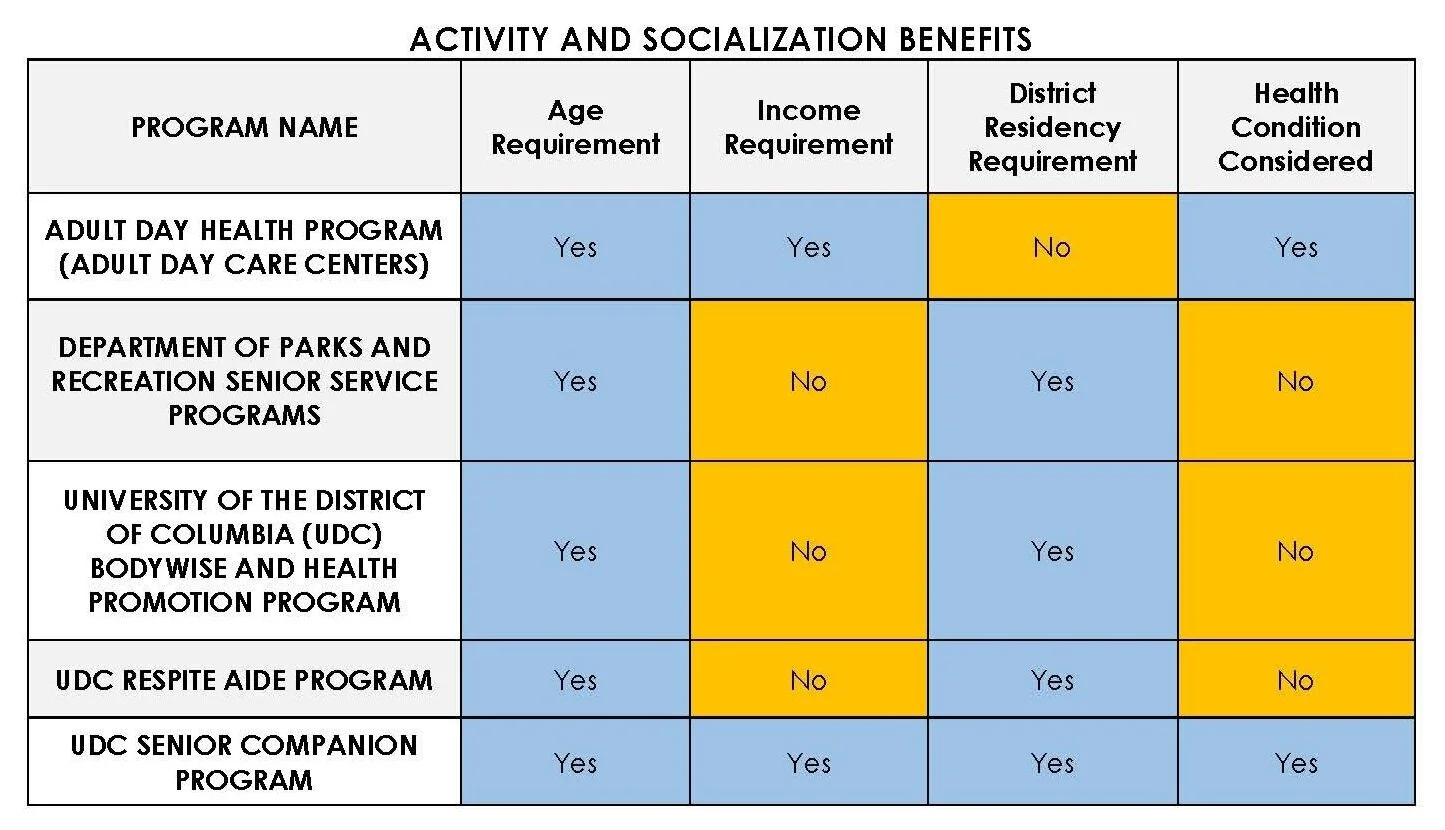
Many communities offer services that help older adults remain independent. These programs may not provide cash, but they can save money and reduce isolation.
Services may include:
• Reduced-fare public transportation
• Paratransit for eligible riders
• Rides to medical appointments
• Home-delivered meals
• Senior center meals
• Grocery delivery
• Homemaker services
• Personal care services
• Friendly visitor programs
• Adult day care
Area Agencies on Aging are often the best starting point for local information. They can connect older adults with meal programs, caregiver support, legal aid, transportation, and case management.
For a person who no longer drives, a reliable ride can be as important as a check. It may help them reach a doctor, pick up medicine, or stay connected with friends.
Ask about enrollment rules. Some transportation programs require advance booking, medical certification, or proof of disability.
Veterans Benefits for Senior Citizens
Veterans and their families may qualify for benefits through the Department of Veterans Affairs. The available help depends on service history, disability, income, age, and other factors.
Potential benefits include:
• VA health care
• Disability compensation
• Veterans Pension
• Aid and Attendance
• Housebound benefits
• Caregiver support
• Prescription services
• Burial and memorial benefits
Aid and Attendance may provide additional monthly payments to eligible veterans or survivors who need help with daily activities. It is not automatic, and applicants must meet service, financial, and medical rules.
A county veterans service officer can help prepare an application at no charge in many areas. Avoid companies that demand large fees for forms that a qualified representative can often help complete.
Benefits for Caregivers and Family Members
Some benefits available for senior citizens also support the people who care for them. Caregivers may help with meals, medication, bathing, transportation, and financial tasks.
Support may include:
• Respite care
• Caregiver training
• Adult day services
• Support groups
• Counseling
• Legal assistance
• Home health referrals
• Meal delivery
The National Family Caregiver Support Program helps many caregivers through local aging agencies. Eligibility and services vary by state.
Families should also ask about paid personal care programs. In some states, a person receiving Medicaid services may be able to choose a family member or another trusted caregiver, subject to program rules.
Caregiving can feel like carrying a heavy backpack alone. Sharing the load early can protect both the older adult and the caregiver from burnout.
How to Apply for Benefits
Finding what benefits are available for senior citizens is only useful if you complete the application correctly. Start with a basic folder that contains key records.
Gather:
• Government identification
• Social Security number
• Birth certificate or immigration documents
• Proof of address
• Social Security and pension statements
• Bank and investment records
• Medical bills
• Insurance cards
• Rent or mortgage information
• Utility bills
• Veteran discharge papers, if applicable
Use official government websites, local offices, or trusted nonprofit agencies. Keep copies of every form. Write down the date, office, representative, and confirmation number for each application.
A simple process can help:
-
List your monthly income and major expenses.
-
Identify health, food, housing, and transportation needs.
-
Contact your Area Agency on Aging or 211 service.
-
Apply for programs even if eligibility is uncertain.
-
Respond quickly to requests for documents.
-
Appeal a denial when you believe the decision is wrong.
-
Review benefits each year because income, household needs, and program rules can change.
A denial is not always the final answer. Some decisions result from missing paperwork or outdated information. Read the notice carefully and follow the appeal deadline.
Common Mistakes to Avoid
The benefits available for senior citizens can be easier to access when you avoid a few common errors.
• Waiting until a crisis: Many programs have waiting lists or limited funds.
• Missing Medicare deadlines: Late enrollment can create penalties and coverage gaps.
• Assuming income is too high: Deductions and state rules may change the result.
• Ignoring local programs: City and county services may offer help that federal searches miss.
• Paying a scammer: Legitimate agencies do not demand gift cards or threaten immediate arrest.
• Failing to report changes: Changes in income or living arrangements can affect eligibility.
• Giving away assets without advice: Transfers may affect Medicaid eligibility.
• Skipping renewals: Benefits can stop when renewal forms are not returned.
• Sharing personal information too freely: Verify the agency before providing financial or identity details.
One practical lesson is to treat benefits like a yearly financial checkup. Review them after retirement, a move, a spouse’s death, a serious diagnosis, or a major income change.
How to Find Local Senior Benefits
Local programs often fill gaps that national programs do not cover. The best starting points include your Area Agency on Aging, state benefits portal, county human services office, and 211 information line.
You can also contact:
• Senior centers
• Public libraries
• Community health centers
• Legal aid offices
• Food banks
• Housing counselors
• Veterans service offices
• Medicare counseling programs
When searching online, use official websites with government or nonprofit domains. Be cautious with websites that ask for payment before showing basic program information.
Prepare a short list of questions before calling:
• What programs serve adults in my age group?
• What income and asset documents are needed?
• Is there a waiting list?
• Can someone help me complete the form?
• What happens if my application is denied?
• When must I renew?
This approach turns a confusing search into a clear plan. It also helps a family member or caregiver assist without taking control away from the older adult.
Frequently Asked Questions About What Benefits Are Available for Senior Citizens
What benefits are available for senior citizens at age 65?
At age 65, many people become eligible for Medicare. They may also qualify for Social Security retirement, SNAP, housing help, Medicare Savings Programs, tax relief, and local transportation or meal services, depending on their situation.
Can senior citizens receive Social Security and SSI at the same time?
Some people can receive both Social Security and SSI. Social Security usually counts as income for SSI, so the SSI payment may be reduced and eligibility depends on income and resource limits.
Does Medicare pay for long-term care?
Medicare generally does not pay for ongoing custodial long-term care. It may cover limited skilled care after a qualifying hospital stay, while Medicaid may help with longer-term care for people who meet state rules.
What food benefits are available for senior citizens?
Eligible older adults may receive SNAP, Commodity Supplemental Food Program packages, congregate meals, home-delivered meals, and local food pantry support. Rules and application methods vary by state and county.
How can senior citizens get help with rent?
Older adults may apply for public housing, Housing Choice Vouchers, subsidized senior apartments, and local rental assistance. Contact the local housing authority and Area Agency on Aging because waiting lists may be long.
Are there benefits for senior veterans?
Veterans may qualify for VA health care, disability compensation, Veterans Pension, Aid and Attendance, caregiver support, and burial benefits. Eligibility depends on service history, disability, income, and other requirements.
Where can older adults get help applying for benefits?
Area Agencies on Aging, state benefit offices, Medicare counselors, legal aid groups, and 211 can help people find and apply for programs. Use official agencies and keep copies of all documents submitted.
Conclusion
The benefits available for senior citizens include far more than Social Security and Medicare. Depending on income, health, housing, work history, and service, an older adult may qualify for food help, utility support, tax relief, transportation, home care, housing assistance, or veterans benefits.
Start with a list of your needs and contact a local aging agency or benefits counselor. Apply early, keep your records organized, and review your options after major life changes. Explore these resources today, and share your questions or experience with senior benefits in the comments.

Michael Reynolds is a senior contributor at RetirementGazette.com, where he focuses on helping readers navigate the journey toward a secure and fulfilling retirement. With over a decade of experience in personal finance, retirement planning, and lifestyle writing, Michael combines practical strategies with easy-to-understand guidance tailored for both pre-retirees and those already enjoying their golden years.