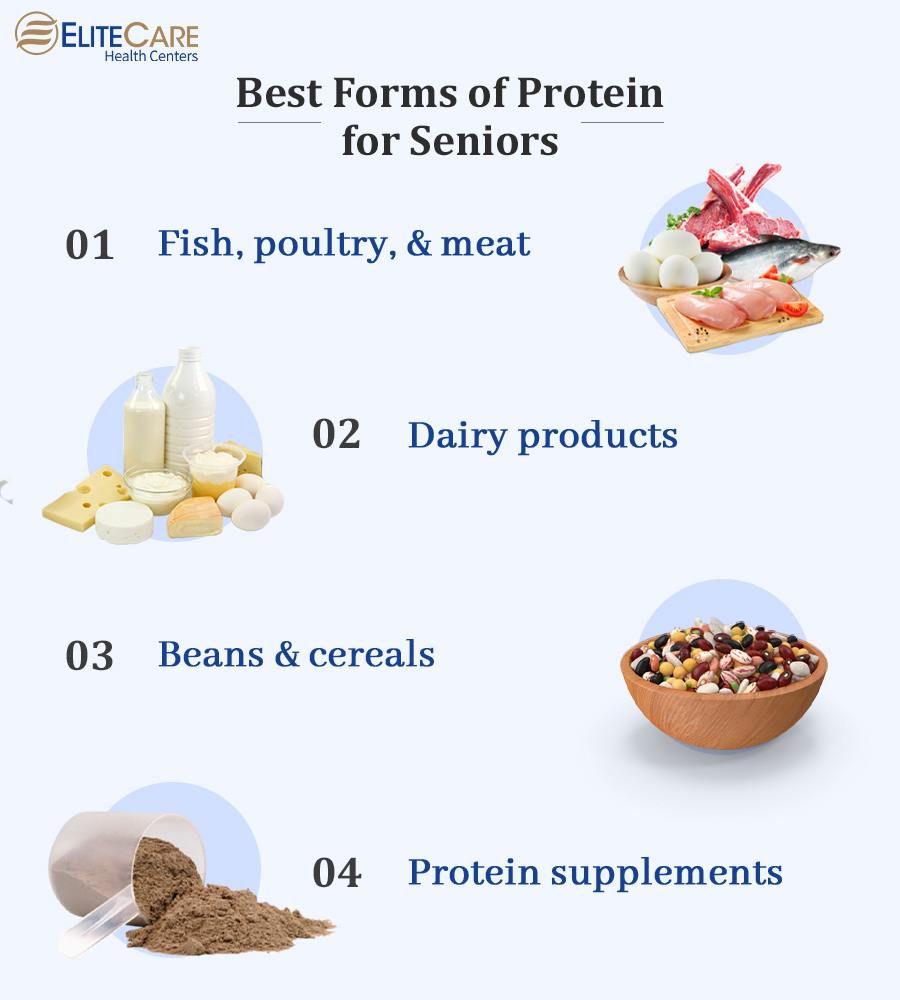
The best sources of protein for seniors include eggs, fish, Greek yogurt, beans, lean poultry, tofu, milk, and cottage cheese.
Protein helps older adults keep muscle, strength, balance, and independence. Yet appetite, dental problems, health conditions, and busy routines can make protein harder to eat. This guide explains the best sources of protein for seniors, how much protein may help, and simple ways to add it to daily meals.
Why Protein Matters More With Age
Aging can slowly reduce muscle size and strength. This process is often called sarcopenia. Less muscle may lead to falls, poor balance, slower recovery, and difficulty with daily tasks such as climbing stairs or carrying groceries.
Protein gives the body amino acids. These are the building blocks used to repair and maintain muscle. Older adults may also need a little more protein per meal because aging muscles may not respond as strongly to small amounts.
The best sources of protein for seniors can support:
• Muscle strength and movement
• Recovery after illness, surgery, or injury
• Bone health when paired with calcium and vitamin D
• A healthy immune system
• Fullness between meals
• Better energy for daily activities
Protein is not a cure-all. Strength training, sleep, hydration, and enough total calories also matter. Still, protein is one of the simplest nutrition tools for healthy aging.
How Much Protein Do Seniors Need?
The basic adult protein recommendation is about 0.8 grams per kilogram of body weight each day. Many nutrition experts suggest that healthy adults over 65 may benefit from about 1.0 to 1.2 grams per kilogram daily, especially if they are active or losing muscle.
For example, a 150-pound adult weighs about 68 kilograms. A daily target of 68 to 82 grams of protein may be reasonable for many healthy older adults. This is only a general example, not a personal prescription.
Protein needs may be higher during recovery from illness, wounds, or surgery. Some older adults may need 1.2 to 1.5 grams per kilogram, but this should be planned with a doctor or registered dietitian.
It is often helpful to spread protein across the day. Instead of eating most of it at dinner, try to include protein at breakfast, lunch, dinner, and snacks.
A simple meal pattern may look like this:
• Breakfast: Greek yogurt and an egg
• Lunch: Lentil soup with whole-grain toast
• Snack: Cottage cheese with fruit
• Dinner: Baked salmon, vegetables, and quinoa
People with chronic kidney disease, liver disease, or other medical conditions need individual advice. Too much protein may not be safe for everyone.

The Best Sources of Protein for Seniors
The best sources of protein for seniors are foods that offer good nutrition, are easy to chew, and fit the person’s health needs. Variety is useful because each food provides a different mix of nutrients.
Eggs
Eggs are soft, affordable, and easy to prepare. One large egg provides about 6 grams of protein, along with vitamin B12, selenium, and other nutrients.
Try scrambled eggs, a soft omelet, or an egg mixed into rice and vegetables. If chewing is difficult, eggs can be a comfortable choice.
Fish and Seafood
Fish provides high-quality protein and is often easy to chew when cooked until tender. Salmon, trout, sardines, tuna, cod, and tilapia are useful options.
Fatty fish such as salmon and sardines also provide omega-3 fats. These fats support heart health and may help reduce inflammation. Choose fish with lower mercury levels and follow local food safety advice.
Easy ideas include:
• Tuna mixed with plain yogurt
• Baked salmon with mashed sweet potatoes
• Sardines on whole-grain toast
• Flaked cod in soup
Greek Yogurt
Greek yogurt is one of the best sources of protein for seniors who enjoy dairy. A typical serving may provide 15 to 20 grams of protein, depending on the brand.
Choose plain or low-sugar yogurt when possible. Add berries, banana, oats, or cinnamon for flavor. Greek yogurt can also replace sour cream in dips and sauces.
People with lactose intolerance may tolerate Greek yogurt better than milk. Lactose-free options are also available.
Cottage Cheese
Cottage cheese is soft and rich in protein. A half-cup serving often provides about 12 to 15 grams.
It works well with fruit, tomatoes, cucumbers, or whole-grain crackers. A low-sodium version may be better for people who need to limit salt.
Milk and Fortified Soy Milk
Cow’s milk provides protein, calcium, and vitamin B12. One cup contains about 8 grams of protein. Fortified soy milk offers a similar amount and is often the strongest plant-based milk choice for protein.
Most almond, rice, oat, and coconut drinks contain much less protein. Check the nutrition label if using them as a regular milk replacement.
Lean Poultry
Chicken and turkey provide complete protein and can be used in many familiar meals. Choose tender cuts, remove the skin when appropriate, and avoid relying on processed meats such as deli slices every day.
Ground turkey, shredded chicken, and slow-cooked poultry may be easier to chew. Adding broth, gravy, or a healthy sauce can make the meat softer.
Beans and Lentils
Beans and lentils are affordable plant protein sources. They also provide fiber, potassium, magnesium, and slow-digesting carbohydrates.
Good options include black beans, kidney beans, chickpeas, split peas, and lentils. Use canned beans for convenience, but rinse them to reduce sodium.
Try them in:
• Chili
• Lentil soup
• Hummus
• Bean tacos
• Mashed beans on toast
Tofu and Tempeh
Tofu is soft and takes on the flavor of the food around it. It can be added to soups, stir-fries, scrambled dishes, and smoothies.
Tempeh has a firmer texture and more fiber. Both foods provide plant protein and can be useful for people who eat little or no meat.
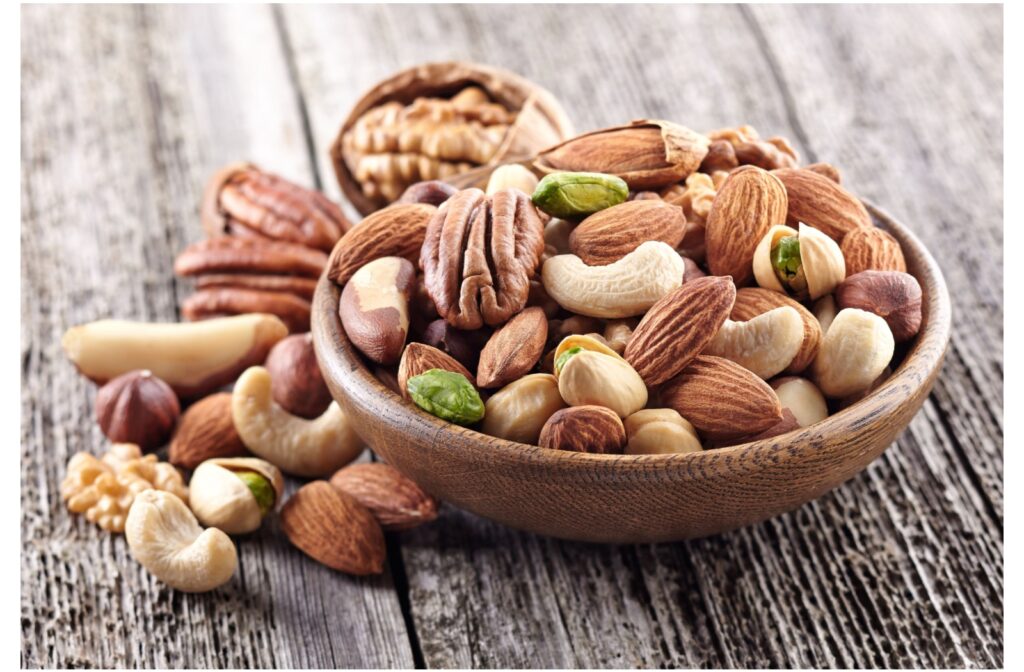
Nuts, Seeds, and Nut Butter
Peanut butter, almond butter, pumpkin seeds, chia seeds, and hemp seeds add protein and healthy fats. They are helpful in small amounts because they contain many calories.
Spread nut butter on toast, stir it into oatmeal, or add seeds to yogurt. People with swallowing problems should avoid thick, sticky nut butter unless a health professional says it is safe.
Lean Beef and Pork
Lean beef and pork provide protein, iron, zinc, and vitamin B12. These nutrients can be important for older adults, especially those with low iron or low appetite.
Choose tender cuts and use moist cooking methods. Limit processed meats such as bacon, sausage, and hot dogs because they are often high in sodium and saturated fat.
Protein-Fortified Foods
Some older adults struggle to eat enough food. Protein-fortified milk, nutrition drinks, powders, and bars may help fill gaps.
These products should support meals, not replace all whole foods. Check for added sugar, sodium, calories, and possible interactions with medical conditions.

Animal Protein Versus Plant Protein
Both animal and plant foods can be among the best sources of protein for seniors. The better choice depends on taste, digestion, budget, culture, and health needs.
Animal proteins such as eggs, fish, dairy, poultry, and meat usually contain all nine essential amino acids. They are called complete proteins. Many plant proteins are lower in one or more amino acids, but a varied diet can still provide enough.
Plant foods also offer fiber and helpful plant compounds. A meal with beans and whole-grain rice, for example, provides a balanced protein pattern over the course of the day.
There is no need to combine plant proteins perfectly at every meal. Eating different plant foods throughout the day is usually enough.
A balanced plate might include:
• Half vegetables or fruit
• One-quarter protein, such as beans, tofu, fish, eggs, or poultry
• One-quarter whole grains or starchy vegetables
• A small amount of healthy fat
Older adults who follow a vegetarian or vegan diet should pay attention to vitamin B12. They may also need guidance about calcium, vitamin D, iron, and omega-3 fats.
How to Choose Protein When Chewing or Swallowing Is Difficult
Dental problems, dry mouth, and swallowing changes can make tough meat or dry foods hard to eat. In these cases, texture matters as much as protein content.
Soft foods often work well:
• Scrambled eggs
• Greek yogurt
• Cottage cheese
• Tofu
• Hummus
• Mashed beans
• Tender fish
• Smooth soups
• Soft lentils
• Milk-based smoothies
Do not thin foods or change food textures on your own if someone has been diagnosed with dysphagia. A speech-language pathologist or dietitian can recommend safer textures.
A useful lesson in meal planning is that dry protein often gets left on the plate. Moist cooking methods, such as baking with sauce, slow cooking, stewing, and poaching, can make protein more enjoyable and easier to eat.
.png)
Easy High-Protein Meal Ideas for Seniors
The best sources of protein for seniors do not need to be expensive or complicated. Small changes to familiar meals can make a big difference.
Breakfast
• Greek yogurt with berries and ground flaxseed
• Oatmeal made with milk and topped with peanut butter
• Scrambled eggs with cheese and avocado
• Cottage cheese with peaches
Lunch
• Lentil soup with whole-grain bread
• Chicken salad made with plain yogurt
• Tuna and white bean salad
• Hummus with soft pita and cooked vegetables
Dinner
• Baked salmon with potatoes and green beans
• Turkey meatballs with tomato sauce
• Tofu stir-fry with rice
• Bean chili topped with plain Greek yogurt
Snacks
• A glass of milk
• A boiled egg
• Cheese with whole-grain crackers
• Edamame
• A smoothie made with milk, yogurt, and fruit
A simple smoothie can be useful when appetite is low. Blend milk or fortified soy milk, Greek yogurt, fruit, oats, and nut butter. Avoid adding raw eggs because they may carry harmful bacteria.

Common Mistakes to Avoid
Eating protein only at dinner is a common mistake. The body can use protein at any time, so adding moderate portions throughout the day may be more practical.
Another mistake is choosing processed protein too often. Bacon, sausage, and deli meats may be convenient, but they can contain high amounts of sodium and saturated fat.
Other problems include:
• Skipping breakfast
• Relying on sugary protein bars
• Forgetting fluids and fiber
• Eating too little total food
• Using supplements without checking medications
• Ignoring dental or swallowing problems
• Assuming more protein is always better
Older adults with kidney disease should not make major protein changes without medical advice. A health professional can match protein intake to kidney function, medications, weight, and activity level.
Protein Supplements: Are They Necessary?
Protein powder and nutrition drinks can help when food intake is low. They may be useful after surgery, during illness, or when chewing makes meals difficult.
However, supplements are not automatically better than food. Whole foods often provide more vitamins, minerals, fiber, and healthy fats.
Before choosing a supplement, review:
• Protein amount per serving
• Added sugar
• Sodium
• Calories
• Allergens
• Herbal ingredients
• Kidney and heart health needs
A registered dietitian can help select a product and decide how much to use. Supplements should fit into the eating plan rather than crowd out regular meals.
How to Add More Protein to Daily Meals
Small steps are easier to maintain than a complete diet overhaul. Start by adding one protein food to the meal that currently has the least.
Try these practical changes:
-
Add milk or fortified soy milk to oatmeal.
-
Stir Greek yogurt into a smoothie.
-
Add beans to soup, salad, or rice.
-
Keep boiled eggs in the refrigerator.
-
Use cottage cheese as a soft snack.
-
Add tofu to a favorite stir-fry.
-
Choose fish twice a week when possible.
-
Add powdered milk to mashed potatoes or soup if approved.
Keep ready-to-eat foods visible and easy to reach. A container of yogurt or a small bowl of cottage cheese may be more useful than ingredients hidden in the back of the refrigerator.
Eating with family or friends can also help. Meals are often more appealing when they feel social rather than like another health task.
What Are the Best Sources of Protein for Seniors With Specific Needs?
For diabetes, choose protein foods with little added sugar, such as eggs, fish, tofu, beans, plain yogurt, and poultry. Beans contain carbohydrates but also provide fiber, which may support steadier blood sugar.
For high blood pressure, focus on fresh or minimally processed foods. Choose low-sodium beans, unsalted nuts, fresh fish, and plain dairy products.
For osteoporosis, protein should be paired with calcium and vitamin D. Dairy foods, fortified soy milk, tofu made with calcium, and canned salmon with bones may help.
For poor appetite, use small, nutrient-dense meals. Eggs, smoothies, yogurt, nut butter, and nutrition drinks can provide protein without a large food volume.
For kidney disease, protein needs vary by stage and treatment. Follow the plan from a kidney doctor or renal dietitian instead of using a general protein goal.
Frequently Asked Questions About the Best Sources of Protein for Seniors
What is the best protein for seniors?
There is no single best choice for everyone. Eggs, fish, Greek yogurt, cottage cheese, beans, tofu, poultry, and milk are all strong options because they are nutritious and easy to use.
How much protein should a 70-year-old eat each day?
Many healthy older adults may benefit from about 1.0 to 1.2 grams of protein per kilogram of body weight daily. A doctor or dietitian should set the goal for people with kidney disease, major illness, or special nutrition needs.
Are eggs good for seniors?
Yes, eggs are soft, affordable, and rich in complete protein. They also provide vitamin B12 and other nutrients, but people with specific cholesterol or heart concerns should follow their clinician’s advice.
Is plant protein enough for older adults?
Yes, a varied plant-based diet can provide enough protein. Include foods such as beans, lentils, tofu, tempeh, soy milk, nuts, seeds, and whole grains, and ask about vitamin B12 if following a vegan diet.
What protein is easiest for seniors to chew?
Greek yogurt, cottage cheese, eggs, tofu, hummus, mashed beans, tender fish, and soft lentils are often easy to chew. A professional should assess anyone who coughs, chokes, or feels food sticking during meals.
Are protein shakes safe for seniors?
Protein shakes can be safe and useful, but they are not right for everyone. Check the sugar, sodium, ingredients, medications, and kidney health needs before using them regularly.
Conclusion
The best sources of protein for seniors include eggs, fish, Greek yogurt, cottage cheese, milk, poultry, beans, lentils, tofu, nuts, and seeds. The best choice is one that is nutritious, easy to eat, affordable, and safe for the person’s health needs.
Try spreading protein across the day instead of saving it all for dinner. Start with one simple change, such as adding yogurt at breakfast or beans to lunch. For personalized guidance, speak with a doctor or registered dietitian, and explore more trusted nutrition resources to support healthy aging.

Michael Reynolds is a senior contributor at RetirementGazette.com, where he focuses on helping readers navigate the journey toward a secure and fulfilling retirement. With over a decade of experience in personal finance, retirement planning, and lifestyle writing, Michael combines practical strategies with easy-to-understand guidance tailored for both pre-retirees and those already enjoying their golden years.