Most seniors pay about $100 to $300 each month for Medigap, depending on plan and location.
Knowing how much does Medigap cost per month for seniors can make retirement budgeting much easier. Medigap premiums vary by plan letter, age, health, ZIP code, tobacco use, and when you enroll. This guide explains typical prices, what affects your bill, and how to find coverage that fits your needs without paying for benefits you may not use.
How Much Does Medigap Cost Per Month for Seniors?
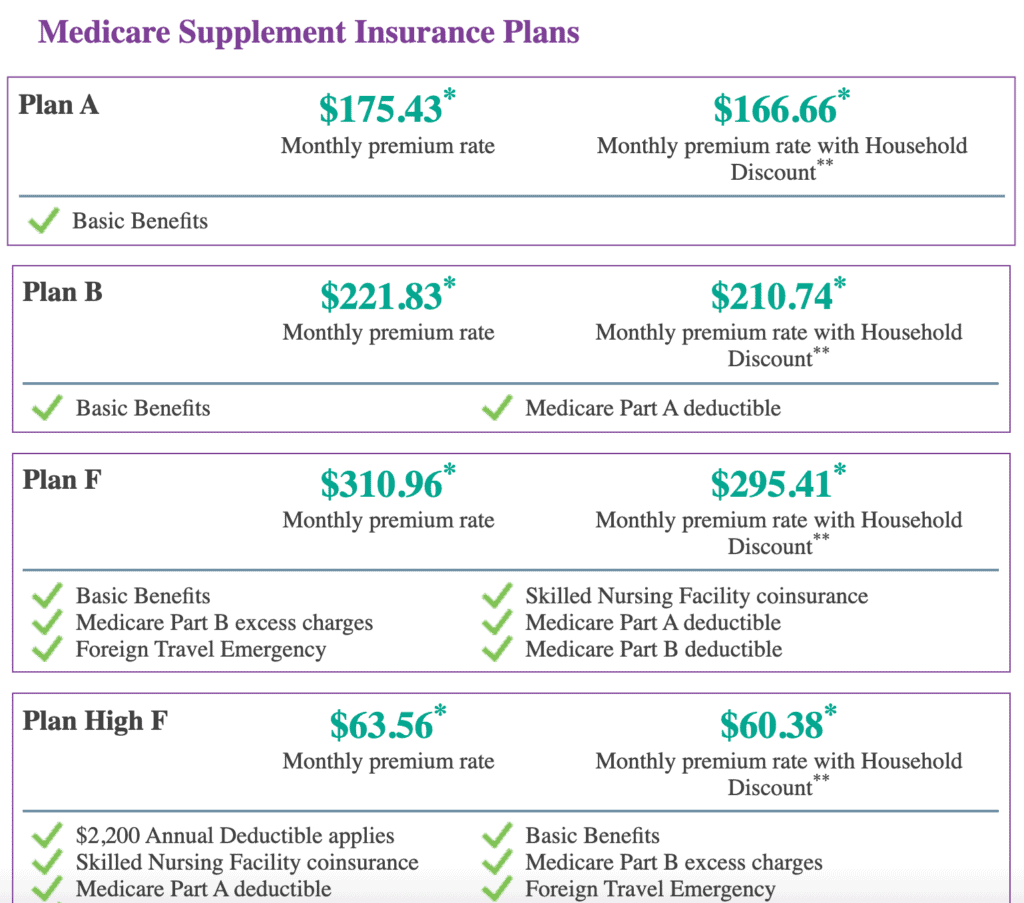
For many seniors, Medigap costs between $80 and $300 per month in 2025. Some plans cost less than $80, while popular plans in high-cost areas can exceed $300 per month.
These figures cover the Medigap policy only. You must usually pay your Medicare Part B premium separately. The standard Part B premium is $185 per month in 2025, although people with higher incomes may pay more through an income-related adjustment.
A typical monthly budget may look like this:
| Coverage cost | Typical monthly amount |
|---|---|
| Medicare Part B | $185 standard premium in 2025 |
| Medigap Plan G | About $120 to $300 |
| Medigap Plan N | About $90 to $250 |
| High-Deductible Plan G | About $40 to $100 |
| Medicare Part D drug plan | Often $0 to $100 or more |
| Total before prescriptions | About $315 to $785 or more |
These are broad estimates, not guaranteed quotes. Insurance companies set Medigap prices, and premiums can differ sharply between two companies selling the same plan in the same city.
When people ask how much does Medigap cost per month for seniors, they often expect one national price. Medicare does not set one standard premium for each letter plan. Instead, private insurers sell Medigap policies under federal rules, and each insurer determines its own premium.

What Is Medigap?
Medigap is supplemental insurance that helps pay some costs left by Original Medicare. Original Medicare includes Part A hospital coverage and Part B medical coverage. Medigap can help with deductibles, coinsurance, and certain copayments.
Medigap does not replace Medicare. You must have Medicare Part A and Part B to buy most Medigap policies.
A Medigap policy generally does not cover:
• Prescription drugs
• Routine dental care
• Routine vision exams or glasses
• Hearing aids
• Long-term custodial care
• Private-duty nursing
• Services that Medicare does not cover
You usually need a separate Medicare Part D plan for prescription drugs. You may also need dental, vision, or hearing coverage from another source.
Think of Original Medicare as a bucket with small holes. Medigap helps plug some of those holes, but it does not fill every gap.

Average Medigap Premiums by Plan
The plan letter has a major effect on how much does Medigap cost per month for seniors. Plans with broader cost protection often have higher premiums.
Medigap Plan G
Plan G is one of the most popular choices for people who became eligible for Medicare after January 1, 2020. It covers nearly all Medicare-approved cost sharing after you pay the annual Part B deductible.
Plan G does not cover the Part B deductible. The deductible is $257 in 2025.
Typical Plan G premiums may range from $120 to $300 per month. In some areas, older applicants or people in expensive ZIP codes may see higher rates.
Medigap Plan N
Plan N often has a lower monthly premium than Plan G. In return, you may pay certain copayments, such as up to $20 for some office visits and up to $50 for an emergency room visit that does not result in an admission.
Plan N may cost about $90 to $250 per month. It can be a good fit for someone who wants lower premiums and does not visit doctors often.
Medigap Plan F
Plan F offers the most complete cost sharing for people who are eligible for it. However, Plan F is not available to people who became eligible for Medicare on or after January 1, 2020.
Some older Medicare beneficiaries can still buy or keep Plan F. Premiums vary widely because the group that can purchase it is limited.
High-Deductible Plan G
High-Deductible Plan G usually has a lower monthly premium. You must pay a yearly deductible before the plan begins paying its share of covered costs.
The high-deductible option may appeal to people who want protection against very large medical bills but prefer a lower monthly payment. It is less attractive if you expect frequent doctor visits or ongoing treatment.
Plans K and L
Plans K and L pay a percentage of covered costs rather than covering nearly all approved charges. They also include annual out-of-pocket limits.
These plans can have lower premiums, but you may pay more when you receive care. Always compare the premium with the plan’s cost-sharing rules.

What Factors Affect Medigap Cost?
Several personal and local factors determine how much does Medigap cost per month for seniors. The same Plan G policy can cost one person $140 per month and another person $280 per month.
Your Location
Premiums often vary by state, county, and ZIP code. Medical costs, competition between insurance companies, and state rules all influence prices.
Some states use community-rated pricing. In those states, people in the same area may pay similar premiums regardless of age.
Your Age
Your age may affect your initial premium. Some companies charge more as you grow older, while others use a rate that starts higher but does not rise because of age.
Always ask how the company calculates future increases. A low first-year premium may not remain low.
Your Health
During your Medigap open enrollment period, insurers generally cannot use your health history to deny coverage or charge more because of health conditions. This period begins when you are at least 65 and enrolled in Part B.
After this period, you may face medical underwriting in many situations. The company could charge more, exclude coverage for a preexisting condition in limited cases, or refuse to sell you a policy.
Tobacco Use
Some insurers charge higher premiums for people who use tobacco. The increase varies by company and state.
Ask how the insurer defines tobacco use. Cigarettes, cigars, vaping products, and other products may be treated differently under company rules.
Plan Letter
Plan G, Plan N, and other plans have different benefits. More generous coverage often costs more each month.
Compare benefits, not just the premium. A plan that costs $30 less each month may leave you with higher costs when you visit a doctor.
Discounts
Some insurers offer discounts for households, electronic payments, or automatic bank withdrawals. These discounts may reduce your monthly bill, but they can have conditions.
Ask whether the discount can end later. Also confirm the premium after the discount expires.

How Medigap Pricing Methods Work
Insurance companies commonly use one of three pricing methods. This detail is important when estimating how much does Medigap cost per month for seniors over the long term.
Community-Rated Pricing
Everyone with the same policy in the same area pays the same base premium. Age does not directly change the price.
Premiums can still rise because of inflation, medical costs, or other factors.
Issue-Age-Rated Pricing
The insurer bases your premium on your age when you first buy the policy. Buying at a younger age may result in a lower starting premium.
Your premium can still increase for inflation or rising health care costs. It does not usually increase simply because you get older.
Attained-Age-Rated Pricing
The insurer bases your premium on your current age. Your premium may rise as you move into older age groups.
This method may offer a lower starting price, but costs can grow faster over time. Ask for the company’s history of rate increases before you enroll.
A useful question for an insurance agent is: “What might this premium cost when I am 75, 80, or 85?” No one can promise an exact future price, but the answer can reveal how the policy is priced.

Medigap Costs Compared With Medicare Advantage
Medigap works with Original Medicare. Medicare Advantage is a separate way to receive Medicare benefits through a private health plan.
Medicare Advantage plans may have premiums as low as $0, but you still pay the Part B premium. You also generally pay copayments or coinsurance when you use services. The plan may require a provider network and prior approval for some care.
Medigap policies often have higher monthly premiums. In return, they can provide more predictable costs when you use Medicare-approved care, especially with Plan G.
Here is a simple comparison:
| Feature | Medigap with Original Medicare | Medicare Advantage |
|---|---|---|
| Monthly plan premium | Often $80 to $300 or more | Often $0 to $100 or more |
| Provider choice | Any Medicare-participating provider nationwide | Usually a plan network |
| Medical bills | More predictable with broad plans | Copays and coinsurance vary |
| Prescription coverage | Usually separate Part D plan | Often included |
| Travel within the U.S. | Usually convenient with Original Medicare | Network rules may apply |
| Overseas care | Limited emergency coverage on some plans | Varies by plan |
Neither option is automatically best for every senior. Consider your doctors, travel habits, health needs, prescription costs, and comfort with monthly premiums.
What Does Medigap Cost Per Month for Seniors With Different Budgets?
A senior with a tight budget may look for a lower-premium Plan N or high-deductible Plan G. Someone with regular specialist visits may prefer Plan G because the higher premium can reduce surprise medical bills.
For example, imagine two people:
• Maria pays $145 per month for Plan N. She visits her primary doctor four times a year and pays small office copayments.
• James pays $235 per month for Plan G. He sees several specialists and wants fewer bills after Medicare approves his care.
Maria pays $1,740 per year in Medigap premiums. James pays $2,820 per year. James may spend more on premiums, but his cost sharing is often easier to predict.
This example shows why how much does Medigap cost per month for seniors is only part of the decision. You should estimate the total yearly cost, including premiums, deductibles, copayments, and expected medical use.
How to Lower Your Medigap Premium
You may be able to reduce how much does Medigap cost per month for seniors by comparing policies carefully.
Try these steps:
-
Compare at least three insurers offering the same plan letter in your area.
-
Ask whether the policy uses community-rated, issue-age-rated, or attained-age-rated pricing.
-
Request the company’s recent rate increase history.
-
Check for household, non-smoker, or automatic payment discounts.
-
Compare Plan G with Plan N if you are comfortable paying some office visit costs.
-
Review whether a high-deductible plan fits your emergency savings.
-
Use your Medigap open enrollment period when possible.
-
Contact your State Health Insurance Assistance Program for free, unbiased counseling.
Do not cancel an existing Medigap policy before confirming that a new company will accept you. Outside protected enrollment periods, switching can lead to medical underwriting.
One mistake I often see in insurance comparisons is focusing only on the first monthly quote. A premium can look attractive today but become costly after several annual increases. Ask for the full rate structure and read the policy materials before making a change.
When Is the Best Time to Buy Medigap?
Your six-month Medigap open enrollment period is often the best time to buy coverage. It starts when you are 65 or older and enrolled in Medicare Part B.
During this period, insurers generally must sell you any Medigap policy available in your state, regardless of health history. You also usually receive the best protection from medical underwriting.
You may receive guaranteed issue rights in other situations. For example, certain people who lose employer coverage or leave a Medicare Advantage plan may have special rights.
Rules differ by situation and state. Contact Medicare or your state insurance department before applying, especially if you plan to switch policies.
Delaying enrollment can create two risks:
• You may pay a higher premium.
• An insurer may refuse your application because of health history.
Medigap enrollment is not always automatic. Put the deadline on your calendar and apply early enough to avoid a coverage gap.
What Extra Costs Should Seniors Budget For?
The Medigap premium is not your only Medicare expense. A complete budget should include several other costs.
Medicare Part B Premium
Most people pay the standard Part B premium, but higher-income beneficiaries may pay more. This extra amount is called an income-related monthly adjustment.
Part B Deductible
Most Medigap plans do not pay the Part B deductible for people newly eligible for Medicare. Plan G and Plan N begin paying their main benefits after you meet this deductible.
Part D Prescription Coverage
Medigap policies do not include prescription drug coverage. You may need a separate Part D plan, even if you take few medicines today.
Part B Excess Charges
Some doctors may charge more than the Medicare-approved amount if they do not accept Medicare assignment. Plan G and Plan F generally cover Part B excess charges, while Plan N usually does not.
Ask your doctors whether they accept Medicare assignment. This can help you avoid unexpected charges.
Services Medicare Does Not Cover
Routine dental care, hearing aids, and long-term care may require separate insurance or personal savings. Build these expenses into your retirement plan.
How to Compare Medigap Plans Safely
Start with benefits, then compare prices among companies selling the same letter plan. A Plan G policy must offer the same basic benefits as another Plan G policy, although premiums, customer service, and pricing methods may differ.
Before enrolling, check the following:
• The insurer is licensed in your state.
• The policy has a clear renewal policy.
• The quote includes all fees and discounts.
• The insurer explains future rate increases.
• Your doctors accept Medicare.
• Your prescription coverage is separate and active.
• The policy start date matches the end date of old coverage.
Medicare’s official plan comparison tools and your State Health Insurance Assistance Program can help you review choices. Licensed agents may also provide quotes, but ask whether they represent several companies or only one insurer.
Do not feel rushed by a sales call. A trustworthy agent should explain exclusions, enrollment rights, rate increases, and switching risks in plain language.
Frequently Asked Questions About How Much Does Medigap Cost Per Month for Seniors
What is the average Medigap cost per month for seniors?
Many seniors pay about $100 to $300 per month for a Medigap policy. The price depends on the plan letter, location, age, health status, tobacco use, and pricing method.
Is Medigap worth the monthly cost?
Medigap may be worth the cost if you want predictable medical expenses and broad access to doctors who accept Medicare. It may be less attractive if you rarely use health care and have limited room in your monthly budget.
Does Medigap cover the Medicare Part B premium?
No. Medigap does not pay your regular Medicare Part B premium. You generally pay the Part B premium separately, along with your Medigap premium.
Can Medigap premiums increase over time?
Yes. Premiums can increase because of inflation, rising medical costs, and changes in the insurer’s pricing. Attained-age policies may also increase as you get older.
Is Medigap Plan G cheaper than Plan F?
Plan G may cost less than Plan F because it does not cover the Part B deductible. Plan F is not available to people who became eligible for Medicare on or after January 1, 2020.
Can I switch Medigap plans later?
You can apply to switch in many cases, but the insurer may use medical underwriting outside protected enrollment periods. Do not drop your current policy until the new policy is approved and active.
Does Medigap cover prescription drugs?
No. Medigap policies do not include prescription drug coverage. Most people who want drug coverage need a separate Medicare Part D plan.
Conclusion
For most seniors, Medigap costs about $100 to $300 per month, but the right number depends on your plan, location, age, health, and pricing method. Remember to add the Medicare Part B premium, prescription coverage, deductibles, and other health expenses to your budget.
Compare the total yearly cost rather than choosing the lowest monthly quote. Check your enrollment rights, review rate increases, and use free counseling before changing coverage. Explore official Medicare resources or contact your State Health Insurance Assistance Program to make a confident, informed choice.

Michael Reynolds is a senior contributor at RetirementGazette.com, where he focuses on helping readers navigate the journey toward a secure and fulfilling retirement. With over a decade of experience in personal finance, retirement planning, and lifestyle writing, Michael combines practical strategies with easy-to-understand guidance tailored for both pre-retirees and those already enjoying their golden years.