Older people's backs bend mainly because aging weakens bones, discs, muscles, and posture-supporting tissues.
Wondering why do old people's backs bend? The change is often called kyphosis, or an increased curve in the upper spine. It can develop slowly with age, but it is not always a normal or harmless part of getting older. Understanding the cause can help you spot warning signs, protect bone health, and seek the right care early.
What Is a Bent Back in Older Adults?
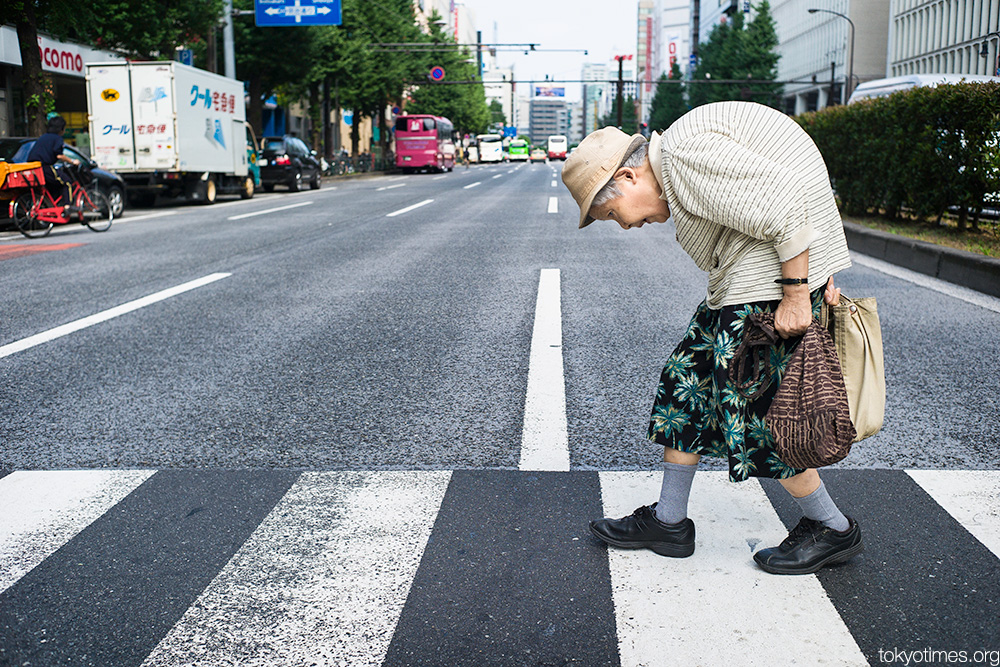
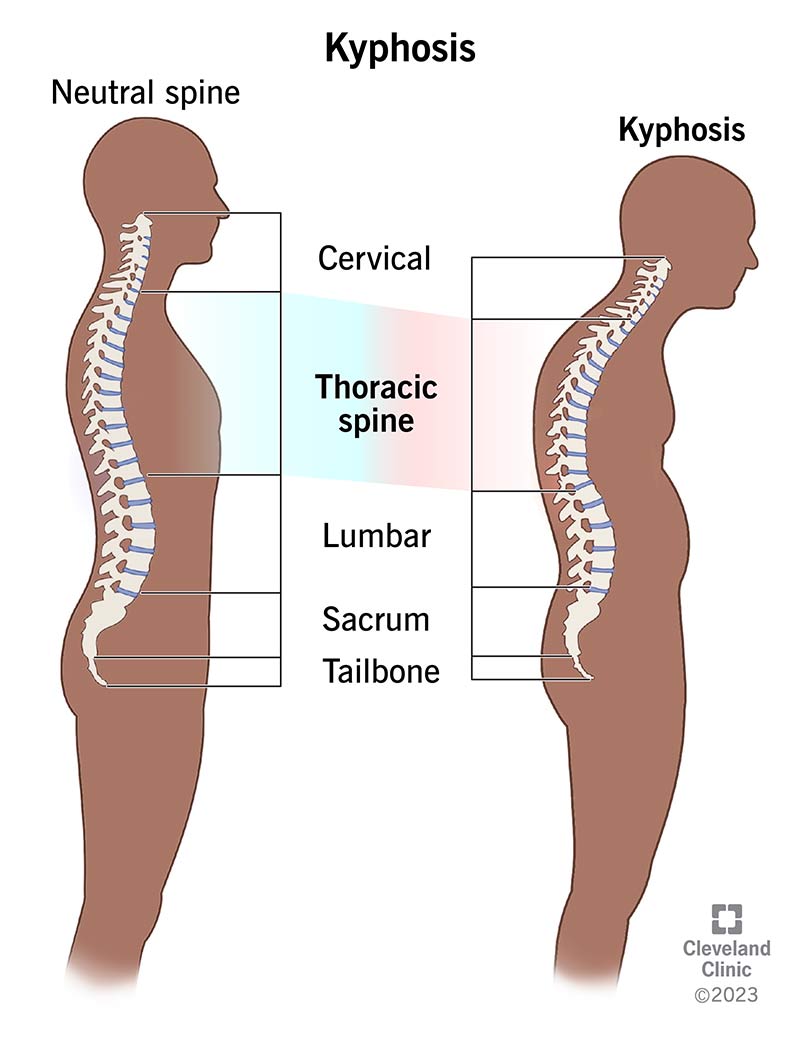
A rounded upper back is often called kyphosis. The spine naturally has gentle curves that help the body balance and absorb movement. With kyphosis, the upper spine curves forward more than usual.
This can make a person look hunched or stooped. Some people have no pain, while others may have back pain, stiffness, poor balance, or trouble standing upright.
It is important to remember that not every older person develops a bent back. The risk rises with age, but bone health, muscle strength, posture, medical conditions, and past injuries also matter.

Why Do Old People’s Backs Bend?
The answer is usually a mix of changes, not one single cause. Here are the most common reasons why do old people's backs bend:
Osteoporosis and Spinal Compression Fractures
Osteoporosis makes bones thin and weak. It often develops without clear symptoms until a bone breaks. The small bones in the spine, called vertebrae, can become too weak to support normal pressure.
A vertebra may then collapse at the front. This is called a compression fracture. When several vertebrae collapse, the spine can form a wedge shape and curve forward.
These fractures may happen after a fall. They can also occur during simple actions, such as lifting a grocery bag, coughing, or bending to tie a shoe.
Warning signs can include:
• Sudden or ongoing back pain
• A noticeable loss of height
• A new rounded upper back
• Pain that worsens when standing or walking
• Difficulty straightening the spine
A compression fracture needs medical evaluation. Treatment may include pain care, physical therapy, fall prevention, and medicine for osteoporosis.
Age-Related Disc Changes
The discs between the vertebrae act like soft cushions. Over time, they lose water and become thinner. This process can reduce spinal flexibility and change the way the spine carries weight.
Disc wear often affects the lower back, but age-related changes throughout the spine can influence posture. A person may bend forward to reduce pain or feel more stable.
Disc changes are common on scans, even in people without pain. This means an imaging report alone cannot explain the whole problem. A clinician must connect the scan with symptoms and a physical exam.
Weaker Back and Core Muscles
Strong muscles help keep the head, shoulders, and hips in line. With age, muscle mass and strength may decrease. This natural process is known as sarcopenia.
Weak back and abdominal muscles make upright posture harder to maintain. A person may begin leaning forward because it takes less effort than standing tall.
This helps explain why do old people's backs bend even when their bones are not badly damaged. In some cases, better strength, balance, and movement can improve posture and daily comfort.
Poor Posture and Long-Term Habit
Years of sitting, looking down, or working in a forward position can train the body to stay rounded. Modern habits, such as using a phone or tablet for long periods, may add to this pattern.
Poor posture alone does not always create a fixed spinal curve. However, it can make an existing curve more noticeable and can shorten the muscles at the front of the hips and chest.
A flexible curve may improve when the person lies down or gently straightens. A fixed curve may not change much with effort and may suggest bone, joint, or structural changes.
Arthritis and Spinal Joint Wear
Osteoarthritis can affect the small joints of the spine. It may cause stiffness, pain, and reduced movement. Some people bend forward because that position feels more comfortable.
Spinal arthritis can also lead to narrowing around nerves. This may cause leg pain, numbness, or weakness while walking. These symptoms should not be dismissed as simple aging.
Medical Conditions That Affect Posture
Several health conditions can increase forward bending. Examples include Parkinson’s disease, stroke-related weakness, severe arthritis, vision problems, and conditions that affect balance.
A rare inflammatory condition called ankylosing spondylitis can also change spinal shape. Some people develop kyphosis because of earlier growth-related conditions, such as Scheuermann’s disease.
The main lesson is simple: why do old people's backs bend has more than one answer. The cause may be structural, muscular, neurological, painful, or a blend of several factors.

Is a Bent Back a Normal Part of Aging?
A mild change in posture can occur with age. Still, a strong or rapidly developing curve is not something to ignore.
Healthy aging can include some loss of flexibility. It does not automatically mean that a person should develop severe kyphosis, constant pain, or major height loss.
A medical check is wise when the curve is new, worsening, painful, or linked with falls. Early care may help prevent more fractures and loss of independence.
A clinician may ask about:
• Previous fractures or falls
• Changes in height
• Diet and calcium intake
• Menopause or hormone changes
• Long-term steroid use
• Pain, numbness, or weakness
• Walking and balance problems
• Family history of osteoporosis
A physical exam may be followed by an X-ray or bone density test. More tests may be needed if nerve symptoms or another disease is suspected.

How Osteoporosis Causes a Hunched Back
Osteoporosis is one of the most important answers to why do old people's backs bend. It can weaken the spine before a person knows anything is wrong.
Bone is living tissue. It constantly breaks down and rebuilds. With age, bone loss can outpace bone growth. This risk is higher after menopause, but older men can also develop osteoporosis.
Other risk factors include:
• A small body frame
• Smoking
• Heavy alcohol use
• Low calcium or vitamin D intake
• Little weight-bearing exercise
• Long-term use of steroid medicines
• Certain thyroid, kidney, or digestive disorders
• A family history of hip or spine fractures
A bone density scan can estimate fracture risk. Doctors may recommend medication when the risk is high. These medicines can slow bone loss or help build stronger bone.
Do not start high-dose calcium or vitamin D without medical advice. Too much can cause problems, and supplements work best when they match a person’s diet and health needs.
Symptoms That May Come With a Bent Spine
A curved back may cause no symptoms at first. Others notice gradual changes in comfort, movement, and breathing.
Possible symptoms include:
• Upper or middle back pain
• Tight chest or hip muscles
• Stiffness after sitting
• Trouble looking straight ahead
• Fatigue while standing
• Reduced walking distance
• Poor balance and more falls
• Tingling, numbness, or weakness
• Shortness of breath in severe cases
A severe curve can reduce room for the lungs and abdominal organs. This is less common, but it shows why do old people's backs bend deserves proper attention when the change is large.
Seek urgent care for new leg weakness, loss of bladder or bowel control, numbness around the groin, severe pain after a fall, or sudden chest and breathing symptoms.
How Doctors Diagnose the Cause
Diagnosis starts with the person’s story. A doctor may ask when the curve began, whether pain came first, and whether there was a fall or sudden loss of height.
The examination may include posture checks, walking tests, muscle strength tests, and a review of joint movement. The doctor may also look for signs of nerve pressure.
Common tests include:
-
X-rays to view the spinal curve and check for fractures.
-
A bone density scan to look for osteoporosis.
-
Magnetic resonance imaging when doctors need a closer view of discs, nerves, or soft tissue.
-
Blood tests when a hormone, nutrient, inflammatory, or other medical problem may be involved.
A scan can show age-related changes that are not causing symptoms. This is why a good diagnosis combines images with the person’s pain, movement, and medical history.

Treatment Options for a Bent Back
Treatment depends on the cause, the curve’s severity, pain level, and general health. The goal may be to reduce pain, slow worsening, improve movement, and prevent falls.
Physical Therapy
A physical therapist can teach safe exercises for:
• Back and abdominal strength
• Leg strength
• Balance and walking
• Chest and hip flexibility
• Safer body movement
• Upright posture
Exercises should be tailored to the person. Forceful spinal bending or twisting may be unsafe for someone with fragile bones.
Osteoporosis Care
If osteoporosis is present, treatment may include prescription medicine, nutrition changes, and fall prevention. A doctor can choose the safest option based on fracture risk and other health conditions.
Protein, calcium-rich foods, vitamin D, and regular weight-bearing activity all support bone health. Walking can help, but it may not be enough for every person.
Pain Management
Pain care may include heat, physical therapy, topical medicines, or other treatments. Oral pain medicines can interact with common drugs and may affect the stomach, kidneys, alertness, or balance.
Older adults should ask a clinician or pharmacist before using a new pain medicine. “Natural” products can also have side effects and drug interactions.
Braces and Surgery
A brace may help some people with a spinal fracture or specific posture problem. It should fit well and be used under professional guidance. Long-term use may reduce muscle activity in some cases.
Surgery is not needed for most age-related curves. It may be considered for severe pain, nerve pressure, serious disability, or a major structural problem that does not respond to other care.

Exercises and Daily Habits That May Help
Exercise cannot always straighten a fixed spinal curve. However, it may improve strength, balance, confidence, and comfort.
Helpful habits may include:
• Walk often, if it is safe
• Practice standing tall near a stable counter
• Strengthen the legs with guided exercises
• Do gentle upper-back extension exercises
• Stretch tight chest and hip muscles
• Break up long periods of sitting
• Keep frequently used items at an easy height
• Wear supportive shoes
• Improve lighting and remove trip hazards
A simple posture drill is to stand with the back near a wall. Keep the head level, relax the shoulders, and breathe normally. Do not force the head or spine against the wall.
In my experience helping people understand movement problems, the biggest mistake is trying to “fix” posture with force. Small, regular movements are usually safer and more useful than painful stretches or sudden correction.
Anyone with osteoporosis, a recent fracture, severe pain, or balance problems should ask a physical therapist for a safe plan first.
Prevention Tips for Older Adults
You may not prevent every age-related spinal change. You can still lower the risk of fractures and loss of strength.
Try these practical steps:
-
Ask a doctor about bone density testing when appropriate.
-
Eat enough protein and calcium-rich foods.
-
Get safe vitamin D advice based on your health and location.
-
Do weight-bearing and strength exercises approved for your ability.
-
Stop smoking and limit alcohol.
-
Review medicines that may cause dizziness or falls.
-
Check vision and hearing each year.
-
Improve home safety with grab bars, better lighting, and clear walkways.
-
Report new back pain, height loss, or a sudden posture change.
These steps help answer why do old people's backs bend by addressing several causes at once. They support stronger bones, better muscles, and safer movement.
Common Mistakes to Avoid
People often assume that a bent back is just part of aging. That belief can delay care for osteoporosis or a spinal fracture.
Other mistakes include:
• Ignoring sudden back pain
• Using a brace without professional advice
• Starting intense exercise after a long period of inactivity
• Doing deep forward bends with fragile bones
• Taking supplements without checking medicine interactions
• Staying in bed for too long after a painful episode
• Treating posture alone without checking bone health
Rest may help during a painful injury, but prolonged inactivity can weaken muscles and increase fall risk. A gradual return to safe movement is often better, guided by a health professional.
Frequently Asked Questions About Why Do Old People's Backs Bend
Why do old people's backs bend forward?
Older people may develop a forward curve because of osteoporosis, spinal compression fractures, disc wear, muscle weakness, arthritis, or long-term posture changes. More than one cause may be present at the same time.
Is a bent back always caused by osteoporosis?
No. Osteoporosis is a common cause, especially when spinal fractures occur, but muscle weakness, arthritis, neurological disease, and flexible posture changes can also cause a rounded back. Testing is needed to identify the cause.
Can a bent back be straightened?
A flexible posture problem may improve with strength, balance, and physical therapy. A fixed curve from collapsed vertebrae or long-term spinal changes may not fully straighten, but treatment can improve comfort and function.
When should an older adult see a doctor about a curved back?
See a doctor if the curve is new, worsening, painful, or linked with height loss, falls, numbness, or weakness. Sudden severe pain after a fall needs prompt medical attention.
What exercises help an older person with a rounded back?
Walking, leg strengthening, balance work, chest stretches, and gentle upper-back exercises may help. The safest plan depends on bone strength, pain, balance, and medical conditions, so professional guidance is best.
Does poor posture cause a permanently bent back?
Poor posture can make a rounded position worse, but it is not the only cause of a permanent curve. Bone fractures, arthritis, muscle changes, and spinal conditions can create a structural bend that posture exercises alone cannot correct.
Conclusion
Why do old people's backs bend? The main reasons include weak bones, spinal compression fractures, worn discs, arthritis, reduced muscle strength, and long-term posture changes. A mild curve may cause little trouble, but a new or painful curve deserves medical attention.
Protecting bone health, staying active, improving balance, and reporting sudden changes can make a real difference. If you or someone you care for has a rounded back, schedule a health review and ask about osteoporosis screening and physical therapy. Share your experience or questions with a trusted health professional so the right cause and treatment can be found.

Michael Reynolds is a senior contributor at RetirementGazette.com, where he focuses on helping readers navigate the journey toward a secure and fulfilling retirement. With over a decade of experience in personal finance, retirement planning, and lifestyle writing, Michael combines practical strategies with easy-to-understand guidance tailored for both pre-retirees and those already enjoying their golden years.