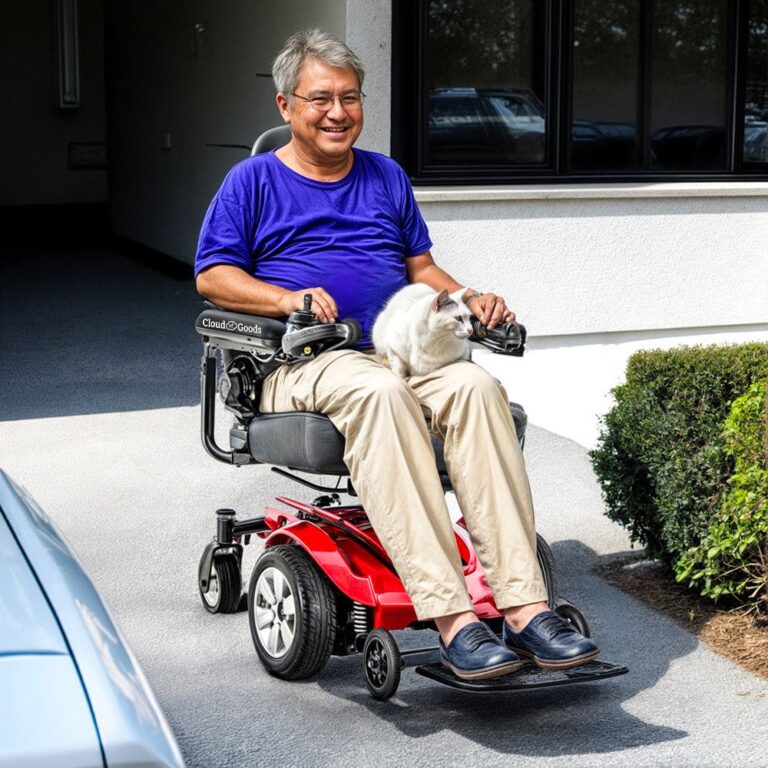
Elderly individuals are at risk of nutritional deficiency because aging changes appetite, digestion, health, mobility, and access to healthy food.
Understanding why are elderly individuals at risk of nutritional deficiency helps families, caregivers, and health professionals spot problems early. A low appetite may look harmless, but over time it can lead to weakness, falls, slower healing, and loss of independence. This guide explains the main causes, warning signs, key nutrients, and practical ways to support healthy aging.
What Is Nutritional Deficiency in Older Adults?
Nutritional deficiency happens when the body does not get enough of one or more nutrients. These nutrients include protein, vitamins, minerals, healthy fats, fiber, and water.
Older adults may eat less food but still need many of the same nutrients. In some cases, they need more of certain nutrients, such as protein, vitamin D, vitamin B12, and calcium. This creates a challenge: fewer calories must provide more nourishment.
When asking why are elderly individuals at risk of nutritional deficiency, it helps to view nutrition as a daily balance. If appetite drops, chewing becomes hard, or a medicine causes nausea, that balance can quickly shift.
Poor nutrition is not always easy to see. A person may have a normal body weight and still lack key nutrients. This is why health professionals often assess eating habits, muscle strength, weight changes, medical conditions, and blood test results together.

Why Are Elderly Individuals at Risk of Nutritional Deficiency?
Several age-related changes can affect how much a person eats and how well the body uses nutrients. These causes often overlap, so one small problem can lead to another.
Reduced appetite
Many older adults feel less hungry than they did in earlier life. Changes in hormones, activity levels, mood, and health can reduce the desire to eat.
A smaller appetite may seem normal, but it can lead to low intake of calories and protein. Eating only toast, tea, or a small dessert may fill the stomach without meeting the body’s needs.
Changes in taste and smell
Taste and smell often become weaker with age. Food may seem bland, dull, or less enjoyable.
Some people respond by adding too much salt or sugar. Others simply stop eating enough. Using herbs, spices, lemon juice, garlic, or fresh foods can improve flavor without relying on excess salt.
Dental problems and difficulty chewing
Missing teeth, sore gums, poorly fitting dentures, and dry mouth can make meals painful. Hard foods, raw vegetables, meat, and nuts may become difficult to chew.
As a result, an older person may avoid foods that provide protein, fiber, and important vitamins. Softer choices, such as eggs, yogurt, beans, fish, oatmeal, and cooked vegetables, can help.
Trouble swallowing
Some older adults develop dysphagia, which means difficulty swallowing. Stroke, Parkinson’s disease, dementia, and other conditions may increase this risk.
Swallowing problems can cause fear of eating, coughing during meals, or repeated chest infections. A speech-language pathologist can assess swallowing and suggest safer food textures.
Chronic health conditions
Health conditions can change nutrient needs or make eating harder. Examples include:
• Diabetes, which may require careful meal planning
• Kidney disease, which can limit certain foods
• Heart failure, which may reduce appetite and cause early fullness
• Cancer, which may increase nutrient needs
• Chronic lung disease, which can make eating tiring
• Arthritis, which can make cooking and opening packages difficult
These conditions may also cause inflammation or changes in metabolism. Medical advice is important because dietary needs vary from person to person.
Medication side effects
Older adults often take several medicines. Some drugs can cause nausea, constipation, diarrhea, dry mouth, altered taste, or reduced appetite.
Certain medicines can also affect how the body absorbs or uses nutrients. However, no one should stop a prescribed medicine without speaking with a doctor or pharmacist.
Limited mobility
Walking, shopping, standing, and cooking may become difficult. A person who once prepared fresh meals may begin relying on packaged snacks or skipping meals.
Limited mobility can also reduce social contact. If someone eats alone every day, meals may feel like a chore rather than a pleasant routine.
Memory loss and dementia
Dementia can affect meal planning, hunger cues, food safety, and the ability to remember whether a meal was eaten.
A person may forget to shop, leave food uncooked, or eat the same low-nutrient foods each day. Simple routines, visible healthy snacks, and calm supervision can help.
Social isolation
Eating is often a social activity. Loneliness, grief, depression, and living alone may reduce interest in food.
Research from aging and nutrition organizations consistently links social isolation with a higher risk of poor diet and undernutrition. Shared meals, senior centers, community programs, and regular family visits may improve intake.
Financial pressure
Healthy foods can be expensive, especially when a person lives on a fixed income. Transportation problems may also limit access to grocery stores.
Affordable foods such as beans, eggs, oats, frozen vegetables, canned fish, peanut butter, and plain yogurt can provide strong nutrition at a lower cost.
Reduced absorption of nutrients
Aging can affect the stomach and digestive system. Some older adults produce less stomach acid, which may reduce vitamin B12 absorption from food.
Certain medicines and digestive disorders can also affect absorption. A health professional may recommend blood tests or supplements when appropriate.

Nutrients Older Adults Commonly Lack
Not every older person has the same needs. Still, some nutrient gaps occur more often with age.
Protein
Protein helps maintain muscle, strength, immunity, and wound healing. Older adults may need protein spread across the day rather than eaten in one large meal.
Good choices include:
• Eggs
• Fish and poultry
• Milk and yogurt
• Tofu and soy foods
• Beans and lentils
• Cottage cheese
• Nuts and seeds
People with kidney disease should ask a clinician how much protein is right for them.
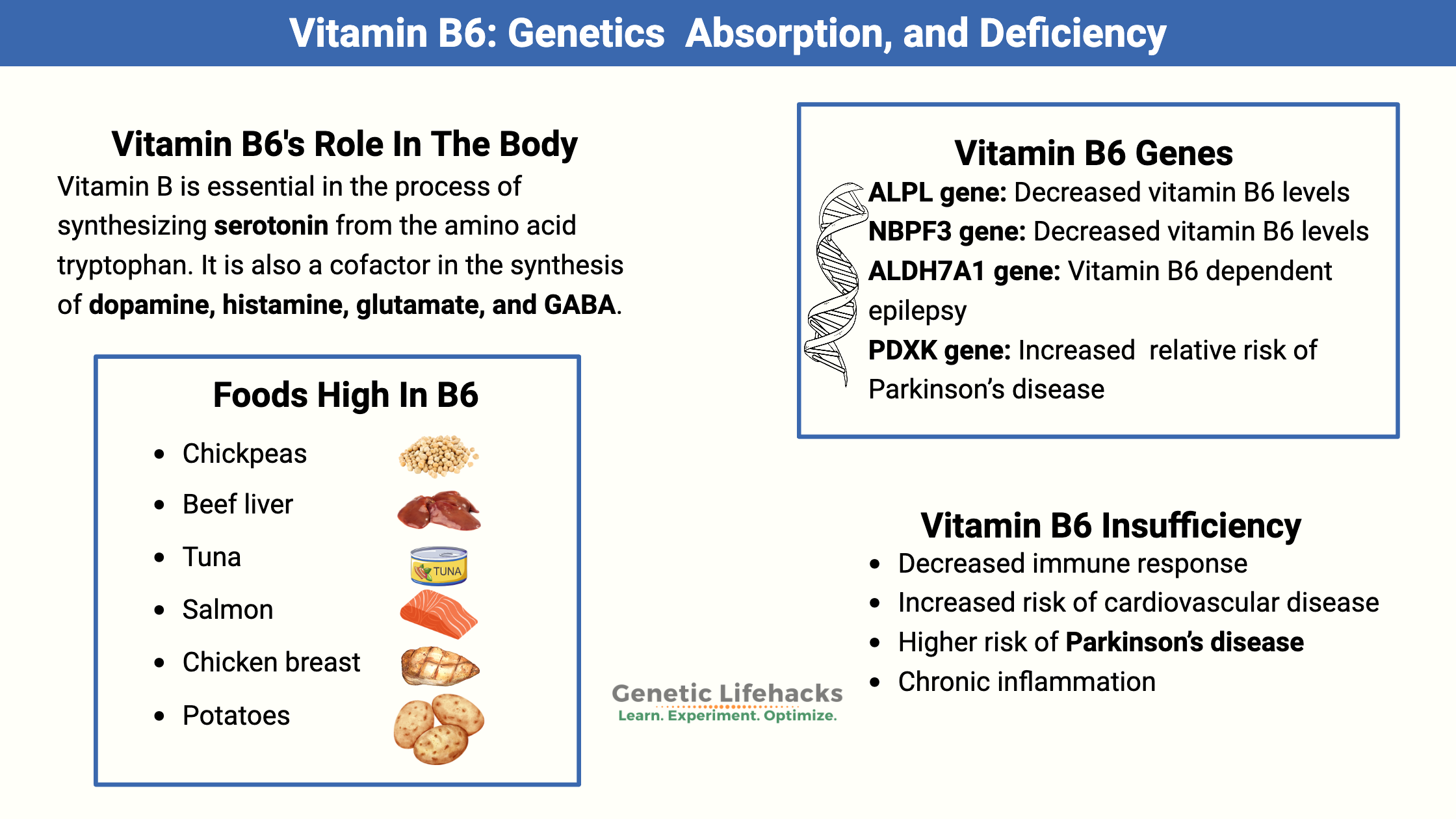
Vitamin B12
Vitamin B12 supports nerves and red blood cells. Low levels can cause anemia, weakness, numbness, balance problems, or confusion.
Older adults may absorb less B12 from natural food sources. Fortified foods and supplements may help, but testing and professional guidance are best.
Vitamin D
Vitamin D supports bones, muscles, and immune function. The body makes vitamin D through sunlight, but skin production often becomes less efficient with age.
Food sources include fortified milk, fortified plant beverages, fatty fish, egg yolks, and some mushrooms. A clinician can advise whether a supplement is needed.
Calcium
Calcium helps maintain bones and teeth. Low intake can increase the risk of weak bones, especially when vitamin D is also low.
Dairy products, fortified plant beverages, tofu made with calcium, and some leafy greens provide calcium. Food labels can help shoppers compare products.
Iron
Iron is needed to make healthy red blood cells. Low iron may cause tiredness, weakness, shortness of breath, or pale skin.
Iron deficiency in an older adult should be checked by a clinician. It can sometimes signal blood loss or another health problem, so self-treating with iron is not always safe.
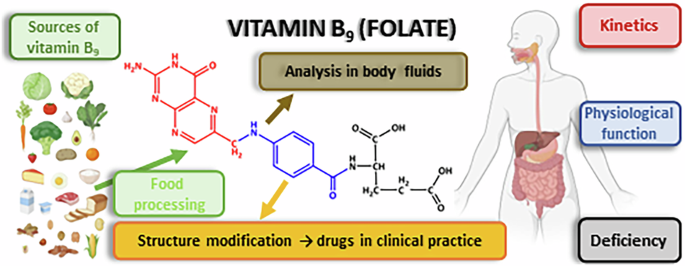
Folate
Folate supports cell growth and red blood cell production. Beans, leafy greens, asparagus, oranges, and fortified grains are useful sources.
A balanced diet often provides enough folate, but some medical conditions and medicines can change needs.
Fiber
Fiber supports bowel health, blood sugar control, and heart health. Many older adults do not eat enough fruits, vegetables, beans, and whole grains.
Increase fiber slowly and drink enough fluid, unless a clinician has advised fluid restriction. A sudden increase may cause gas or discomfort.
Healthy fats
Healthy fats provide energy and help the body absorb vitamins A, D, E, and K. Sources include avocado, olive oil, nuts, seeds, and fatty fish.
These foods are useful when appetite is low because a small serving can provide substantial energy.
Signs of Nutritional Deficiency in Older Adults
Knowing why are elderly individuals at risk of nutritional deficiency is useful, but recognizing the warning signs is just as important. Changes may develop slowly and can be mistaken for normal aging.
Watch for:
• Unplanned weight loss
• Loose clothing or shrinking muscle
• Weakness or unusual tiredness
• Frequent infections
• Slow healing of cuts
• Dry skin or changes in hair
• Mouth sores or a sore tongue
• Constipation
• Dizziness or poor balance
• Confusion or changes in mood
• Loss of interest in meals
• Difficulty opening food packages or preparing meals
One sign does not prove a deficiency. Still, several signs together deserve attention.
A useful home habit is to track weight, appetite, and meal patterns. A sudden loss of 5% of body weight within one month or 10% within six months is often considered clinically important and should be discussed with a health professional.
How Health Professionals Assess Nutritional Risk
Nutritional assessment is more than checking body weight. A trained professional may review:
• Recent weight changes
• Food and fluid intake
• Dental and swallowing problems
• Medical conditions
• Medicines and supplements
• Mood and memory
• Ability to shop and cook
• Muscle strength and physical function
• Blood tests when needed
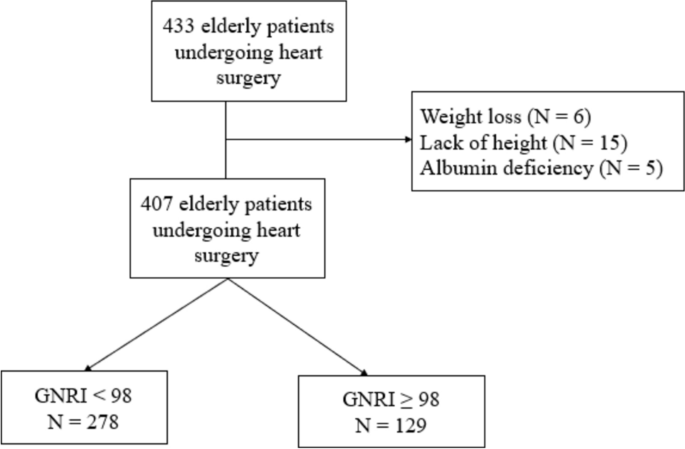
Tools such as the Mini Nutritional Assessment can help identify risk in older adults. However, screening tools do not replace a full medical review.
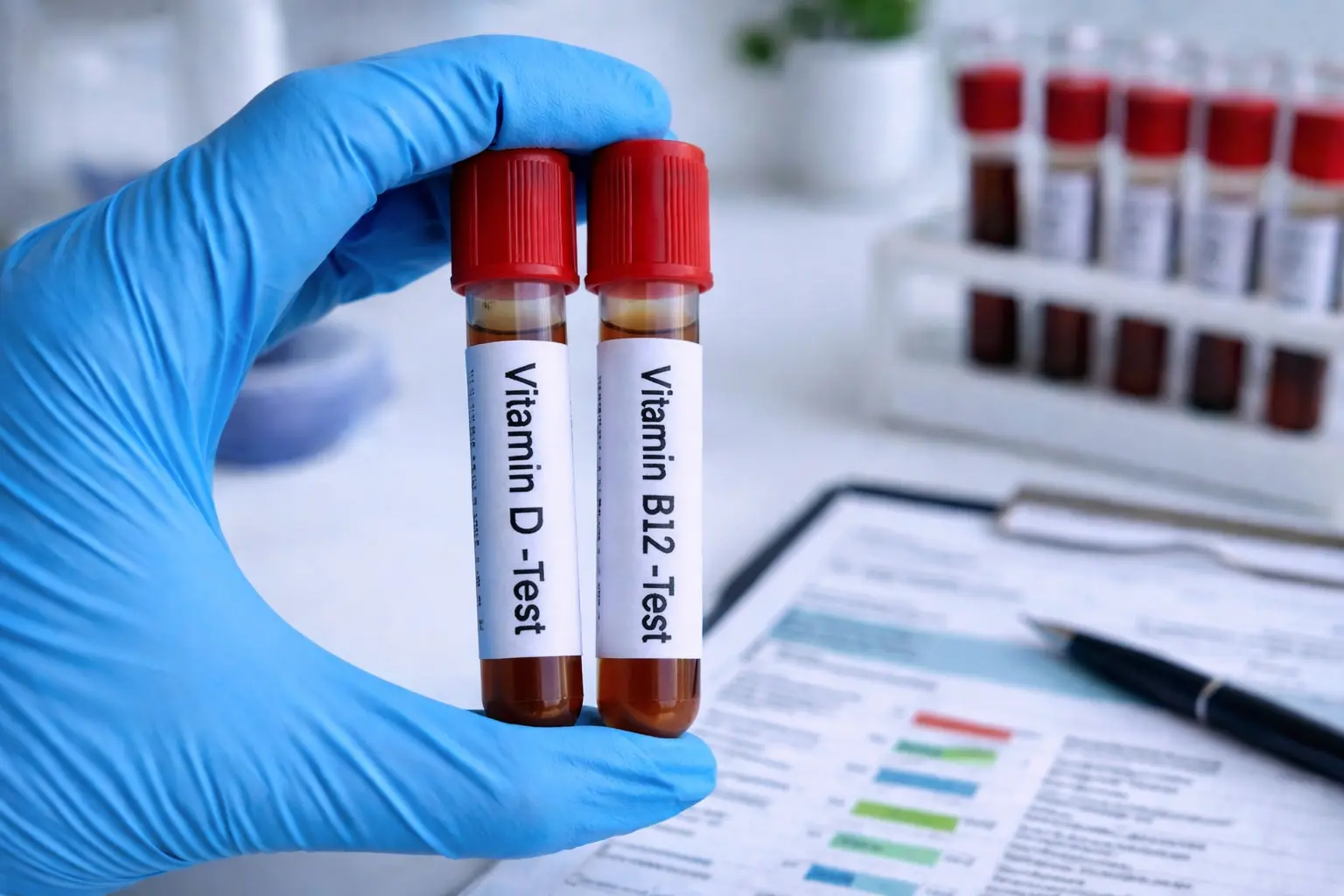
Blood tests may check vitamin B12, iron status, folate, vitamin D, blood counts, kidney function, or other markers. Test results must be interpreted in context because no single test gives a complete picture of nutrition.
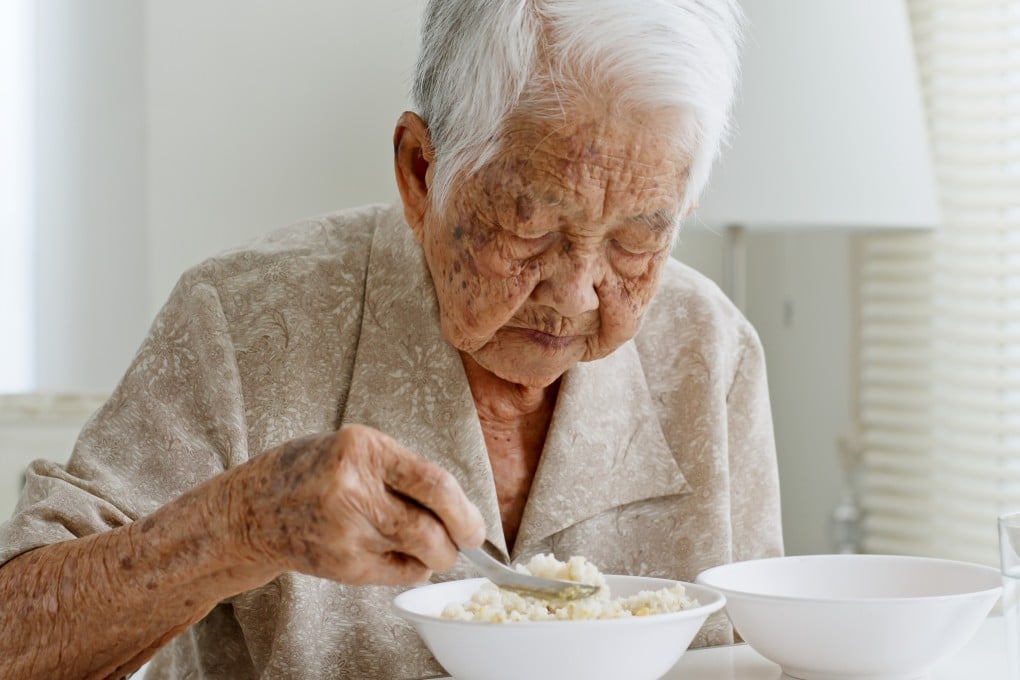
Practical Ways to Prevent Nutritional Deficiency
The best approach is simple, steady, and suited to the person’s health needs.
Make every bite count
When appetite is small, choose foods rich in nutrients. A bowl of oatmeal with milk, nuts, and fruit provides more value than plain toast.
Try adding:
• Powdered milk to oatmeal or mashed potatoes
• Beans to soups and casseroles
• Nut butter to toast or smoothies
• Cheese to eggs or vegetables
• Olive oil to cooked vegetables
• Yogurt to fruit or cereal
Offer small meals more often
Three large meals may feel overwhelming. Five or six small meals can be easier.
A simple day might include yogurt in the morning, soup at lunch, a cheese snack, fish with vegetables at dinner, and a small evening snack.
Keep easy foods within reach
Place nutritious foods where they are easy to see and open. Good options include bananas, cheese sticks, hard-boiled eggs, individual yogurt cups, tuna packets, and fortified drinks.
Avoid relying only on candy, chips, or sweet drinks. They may provide calories but few essential nutrients.
Improve the eating environment
A calm, bright space can make meals more pleasant. Use attractive plates, comfortable seating, and familiar foods.
For someone with memory loss, reduce distractions and offer one or two clear choices. Gentle support often works better than pressure.
Address dental and swallowing issues
Schedule dental care and report chewing pain. Ask for a swallowing assessment if coughing, choking, or a wet voice occurs during meals.
Do not change food textures or thicken liquids without professional advice. An unsafe texture can increase choking or aspiration risk.
Review medicines
Ask a pharmacist or doctor whether medicines may affect taste, appetite, digestion, or nutrient absorption. Keep a current list of all prescriptions, over-the-counter drugs, and supplements.
Use supplements carefully
Oral nutrition drinks or vitamin supplements may help some people. They should support meals, not automatically replace them.
Too much of certain nutrients can cause harm or interact with medicines. A clinician or registered dietitian can recommend a suitable product and dose.
A Simple Meal Planning Example
A balanced meal pattern can be flexible and culturally familiar. The goal is not perfection. The goal is enough protein, plants, fluids, and energy across the day.
One example includes:
- Breakfast: Oatmeal made with milk, topped with berries and walnuts
- Snack: Yogurt or a boiled egg
- Lunch: Lentil soup, whole-grain bread, and soft fruit
- Snack: Peanut butter on toast or a fortified smoothie
- Dinner: Baked fish, cooked vegetables, and a small potato
- Evening snack: Cottage cheese, pudding, or milk
People can adapt this plan to Mexican, Asian, Southern, Mediterranean, vegetarian, or other food traditions. Familiar foods often improve comfort and intake.
A dietitian can adjust meals for diabetes, kidney disease, food allergies, swallowing problems, or cultural preferences. This personalized step matters because general advice has limits.

Common Mistakes to Avoid
Families often want to help but may unknowingly make meals harder.
Avoid these mistakes:
• Assuming weight loss is a normal part of aging
• Pressuring someone to eat large portions
• Offering only low-fat or low-calorie foods when energy is needed
• Ignoring dental pain
• Using supplements without checking medicine interactions
• Serving food that is too hard to chew
• Forgetting fluids during the day
• Blaming the person for not eating
• Focusing on weight instead of strength and function
A supportive question is, “What makes eating difficult today?” The answer may reveal pain, nausea, loneliness, fatigue, cost, or trouble using utensils.
One practical lesson from working through nutrition concerns is that small barriers matter. A sealed package, a heavy pan, or a missing ride to the store can affect nutrition as much as appetite. Solving the barrier is often more effective than simply telling someone to eat more.
When to Seek Medical Help
Contact a health professional if an older adult has ongoing appetite loss, repeated vomiting, severe diarrhea, choking, rapid weight loss, confusion, or marked weakness.
Urgent medical help may be needed for fainting, severe dehydration, chest pain, serious swallowing problems, or sudden confusion.
A doctor may refer the person to a registered dietitian, dentist, speech-language pathologist, occupational therapist, or social worker. Good care often requires a team because nutritional deficiency can have medical, emotional, physical, and financial causes.
Frequently Asked Questions About Why Are Elderly Individuals at Risk of Nutritional Deficiency
Why are elderly individuals at risk of nutritional deficiency even when they eat daily?
Older adults may eat every day but consume too little protein, fiber, vitamins, or minerals. Small portions, limited food variety, poor absorption, illness, and medication effects can all reduce nutrient intake.
What is the most common nutritional deficiency in older adults?
There is no single deficiency for everyone. Vitamin B12, vitamin D, calcium, iron, protein, and fiber are common concerns, but testing and diet review are needed to identify an individual’s actual needs.
Can nutritional deficiency cause weakness in elderly people?
Yes. Low protein, iron, vitamin B12, vitamin D, calories, or fluids may contribute to weakness and poor balance. Weakness can also have other causes, so it should be medically assessed.
How can caregivers improve nutrition for an older adult?
Offer small, nutrient-rich meals, keep easy snacks available, address dental problems, support social meals, and monitor weight and appetite. Caregivers should also review medicines and seek professional help when intake remains low.
Should every older adult take a multivitamin?
No. Some people may benefit from a supplement, while others may face risks from excess nutrients or drug interactions. A doctor or pharmacist can recommend a product based on diet, health conditions, and test results.
Does aging always cause nutritional deficiency?
No. Many older adults maintain excellent nutrition and strength. Aging can increase risk, but good meals, regular medical care, social support, safe activity, and early action can prevent many problems.
Conclusion
Why are elderly individuals at risk of nutritional deficiency? The main reasons include lower appetite, dental and swallowing problems, chronic illness, medicine side effects, reduced mobility, loneliness, financial limits, and weaker nutrient absorption.
Nutritional deficiency is not an unavoidable part of aging. Watch for weight loss, weakness, appetite changes, and trouble eating. Offer small meals with strong nutrition, make food easy to access, and involve health professionals early.
A caring conversation and one practical change can make a real difference. Share this guide with a family member or caregiver, and speak with a qualified health professional if you notice signs of poor nutrition.

Michael Reynolds is a senior contributor at RetirementGazette.com, where he focuses on helping readers navigate the journey toward a secure and fulfilling retirement. With over a decade of experience in personal finance, retirement planning, and lifestyle writing, Michael combines practical strategies with easy-to-understand guidance tailored for both pre-retirees and those already enjoying their golden years.