Senior rebates may include tax credits, utility discounts, Medicare savings, property tax relief, and reduced prices on daily needs.
Knowing what senior rebates are available can lower monthly costs in several parts of life. The best programs depend on your age, income, location, health needs, and household size. This guide explains the main options, how they work, where to apply, and which mistakes to avoid.
What Are Senior Rebates?
Senior rebates are discounts, refunds, credits, or payments designed to help older adults manage common costs. They may come from federal, state, county, city, utility, insurance, or private programs.
Some programs give money back after you pay a bill. Others reduce the bill before you pay it. A few offer tax credits or help with health costs instead of sending a direct payment.
When people ask what senior rebates are available, they often mean one of these benefits:
• Tax rebates and property tax relief
• Utility and energy rebates
• Medicare savings programs
• Prescription drug assistance
• Transportation discounts
• Food and grocery savings
• Internet and phone discounts
• Retail and service discounts
Eligibility rules can change by state and year. Always check the current rules with the agency that runs the program.
Federal Benefits and Rebates for Seniors
Federal programs can provide some of the most valuable help. They are not all called rebates, but they can reduce costs or increase household income.
Social Security benefits
Social Security retirement benefits provide monthly income to eligible workers and their families. The amount depends on work history, earnings, and the age when you claim benefits.
Social Security is not a rebate. Still, it is often part of the answer to what senior rebates are available because many senior support programs use Social Security income to check eligibility.
You can review your earnings record and estimated benefit through your online Social Security account. Check the record for errors before you apply for retirement benefits.
Supplemental Security Income
Supplemental Security Income, or SSI, helps people who are age 65 or older, blind, or disabled and have limited income and resources.
SSI has strict financial rules. The payment amount also varies based on living arrangements and other income.
Medicare Savings Programs
Medicare Savings Programs help eligible people pay some Medicare costs. Depending on the program, help may cover:
• Medicare Part A and Part B premiums
• Deductibles
• Coinsurance
• Copayments
The main programs include the Qualified Medicare Beneficiary program, Specified Low-Income Medicare Beneficiary program, Qualifying Individual program, and Qualified Disabled and Working Individuals program.
You apply through your state Medicaid office. Income and asset limits vary, so do not assume you are ineligible without checking.
Extra Help for prescription drugs
Extra Help can reduce Medicare Part D prescription costs for people with limited income and resources. It may lower premiums, deductibles, and copayments.
Some people qualify automatically. Others must apply through Social Security or their state medical assistance office.
Federal tax credits
Older adults may qualify for tax benefits based on income, filing status, disability, and medical expenses. Possible benefits include:
• The standard deduction increase for taxpayers age 65 or older
• The Credit for the Elderly or the Disabled
• Medical expense deductions for eligible expenses
• Residential clean energy credits
• Energy-efficient home improvement credits
Tax rules can be complex. A tax professional or free tax counseling service can help you avoid missing a credit.

State and Local Senior Rebates
State and local programs are often the most important answer to what senior rebates are available. These benefits can vary widely, even between nearby counties.
Property tax relief
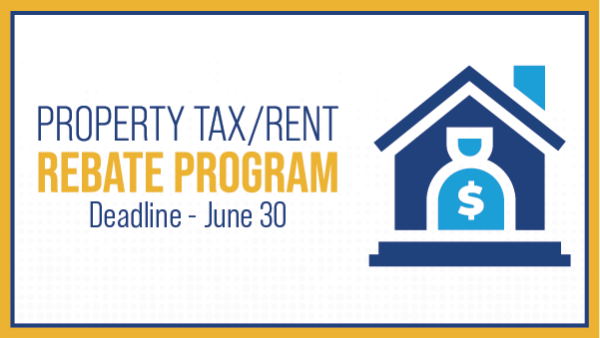
Many states offer property tax relief for older homeowners. The benefit may be a rebate, exemption, credit, freeze, deferral, or reduction in assessed value.
Common requirements include:
• Meeting a minimum age
• Owning and occupying the home
• Staying below an income limit
• Filing by a yearly deadline
Some programs also help renters through a rent rebate or renter tax credit. The money may be based on rent paid during the prior year.
Contact your county tax assessor, state tax department, or local aging office. Ask about senior exemptions, property tax freezes, tax deferrals, and renter rebates.
State income tax benefits
Some states do not tax Social Security benefits. Others offer deductions for pension income, retirement income, or public service benefits.
A state may also offer a senior tax credit. The rules may depend on age, adjusted gross income, filing status, and disability.
Sales tax exemptions
Sales tax relief is less common, but some states provide exemptions for specific products or groups. These may cover medical equipment, prescription drugs, mobility devices, or home modifications.
Do not assume that a senior identification card removes sales tax. In most places, it does not.
State prescription assistance
Several states operate prescription drug assistance programs. These programs may help with medicine costs, premiums, or gaps not fully covered by Medicare.
Check whether the program works with your Medicare plan. Some programs have enrollment windows or income rules.

Utility and Home Energy Rebates
Energy costs can take a large part of a fixed income. Utility assistance is one of the most practical areas to explore when researching what senior rebates are available.
Low Income Home Energy Assistance Program
The Low Income Home Energy Assistance Program, often called LIHEAP, helps eligible households pay heating or cooling bills. Some states also offer crisis assistance when a household faces shutoff.
LIHEAP may help with:
• Electricity
• Natural gas
• Propane
• Heating oil
• Wood or other approved fuel
Apply through your state or local LIHEAP office. Funds can run out, so early applications matter.
Weatherization assistance
Weatherization programs improve energy efficiency. They may provide insulation, air sealing, furnace repairs, or other home upgrades at little or no cost.
These improvements can lower bills for years. They may also make the home safer and more comfortable.
Utility company discounts
Many utility companies offer senior or income-based discounts. These may reduce monthly charges, waive late fees, or provide budget billing.
Ask your electric, gas, water, and trash providers about:
• Senior rate programs
• Low-income discounts
• Medical baseline allowances
• Payment arrangements
• Free energy audits
• Emergency shutoff protection
Home energy tax credits
Federal energy credits may help with qualifying improvements. Examples can include insulation, heat pumps, efficient windows, electrical upgrades, and solar systems.
The credit rules, limits, and eligible products can change. Keep receipts, product certificates, and installation records.

Transportation Rebates and Discounts
Transportation costs can affect independence. Many communities offer reduced fares for older adults.
Potential savings include:
• Reduced bus and rail fares
• Discounted paratransit rides
• Senior taxi vouchers
• Non-emergency medical transportation
• Reduced vehicle registration fees
• Free community shuttle services
• Discounted transit passes
Age rules often begin at 60, 62, or 65. Some programs also require proof of disability or low income.
For car owners, ask the state motor vehicle department about registration discounts. These are not available in every state, and some apply only to veterans or people with disabilities.
Airlines, hotels, rental car firms, and train services may also offer senior discounts. These offers can change often, so compare the final price with regular promotions before booking.

Food, Grocery, and Nutrition Assistance
Food assistance can free up money for rent, medicine, and utilities. It is another key part of what senior rebates are available.
Supplemental Nutrition Assistance Program
SNAP provides monthly food benefits through an electronic benefits card. Older adults may qualify even if they do not have children.
Some states use simpler applications for older adults. Medical costs, shelter costs, and utility costs may affect the eligibility calculation.
Commodity Supplemental Food Program
The Commodity Supplemental Food Program provides healthy food packages to eligible older adults in some areas. Availability depends on local funding and distribution sites.
Senior Farmers’ Market Nutrition Program
This program may provide vouchers or coupons for eligible older adults to buy fresh fruits, vegetables, herbs, and other approved foods at farmers’ markets.
Restaurant and grocery discounts
Some grocery stores and restaurants offer senior discount days. Check the age requirement, discount amount, and exclusions.
A discount may not apply to sale items, prescriptions, alcohol, delivery fees, or gift cards. Ask before paying.

Internet, Phone, and Technology Savings
Reliable internet and phone service can help seniors access doctors, family, government services, and emergency support.
Lifeline
The federal Lifeline program can reduce the cost of phone or internet service for eligible households. Qualification may come through income or participation in programs such as SNAP or Medicaid.
Only one Lifeline benefit is allowed per household. Use the official eligibility system or an approved provider to apply.
Affordable Connectivity changes
The Affordable Connectivity Program ended after federal funding stopped in 2024. Some providers and states may still offer their own low-cost plans.
Be careful with websites that promise a government internet rebate without clearly showing the program administrator. Some are marketing pages, not government offices.
Technology discounts
Libraries, nonprofit groups, and local aging agencies may offer:
• Free digital skills classes
• Low-cost refurbished computers
• Device lending programs
• Online safety training
• Help with telehealth setup
These services may not be cash rebates, but they can lower technology costs and prevent expensive mistakes.

Health, Dental, Vision, and Hearing Discounts
Original Medicare does not cover every health expense. Dental care, routine vision care, hearing aids, and long-term care can create large bills.
Possible sources of help include:
• Medicare Advantage supplemental benefits
• Medicaid
• State pharmaceutical assistance
• Community health centers
• Dental schools
• Vision screening programs
• Hearing aid nonprofit programs
• Veterans health benefits
• Manufacturer patient assistance programs
Ask whether a benefit is included in your current Medicare plan. Medicare Advantage plans can offer different benefits by plan and county.
Avoid buying a discount card without checking its terms. A discount card is not insurance. It may reduce the price at selected providers, but it does not guarantee coverage.

Senior Discounts From Businesses
Private senior discounts are not government rebates, but they can add up. Common categories include:
• Restaurants and coffee shops
• Grocery stores
• Pharmacies
• Clothing stores
• Movie theaters
• Museums and parks
• Hotels
• Travel services
• Fitness centers
• Hair salons
• Home repair services
Discounts may begin at age 50, 55, 60, or 65. Some are available only on certain days or during certain hours.
A useful habit is to ask politely, “Do you offer a senior discount, and what age qualifies?” You may need a driver’s license, passport, or senior identification card.
Do not pay for a membership until you compare the benefits. A paid discount club only makes sense if the savings exceed the membership fee.
How to Find Out What Senior Rebates Are Available
Finding benefits can feel like searching for loose change in a large drawer. A simple process makes it easier.
Step 1: List your main expenses
Write down your monthly costs for:
• Housing
• Property taxes
• Utilities
• Food
• Transportation
• Medicine
• Insurance
• Phone and internet
This list shows where support could have the greatest effect.
Step 2: Gather key documents
You may need:
• Proof of age
• Social Security award letter
• Tax returns
• Pay stubs
• Bank statements
• Utility bills
• Property records
• Medicare card
• Proof of address
Keep copies in a safe folder. Never mail original documents unless an official agency specifically requires them.
Step 3: Contact trusted agencies
Start with:
• Your state benefits website
• Your county human services office
• Your local Area Agency on Aging
• Your state tax department
• Your utility company
• Your Medicare counseling program
• Your local library
The Eldercare Locator can help connect older adults with local aging services. The State Health Insurance Assistance Program can provide free, unbiased Medicare counseling.
Step 4: Check deadlines
Some rebates require an annual application. Others have limited funds or fixed enrollment periods.
Mark renewal dates on a calendar. A late application can mean waiting another year.
Step 5: Keep proof of submission
Save confirmation numbers, emails, copies, and the date of every call. Write down the name of the person who helped you.
This small step can make an appeal much easier if paperwork goes missing.
Common Mistakes to Avoid
Even when someone qualifies, small errors can delay or block a benefit.
• Assuming every senior qualifies based on age alone
• Missing the application deadline
• Using outdated income limits
• Forgetting to report medical or housing costs
• Sending incomplete documents
• Paying a third party for a free government application
• Sharing Medicare or Social Security numbers with unknown callers
• Confusing a discount plan with insurance
• Failing to renew each year
• Accepting a rebate without checking tax effects
Scammers often use phrases such as “guaranteed senior rebate” or “limited government payout.” Real agencies do not demand gift cards, cryptocurrency, or urgent wire transfers.
If a call feels rushed or threatening, hang up. Contact the agency through a number found on its official website or statement.
A Practical Example
Imagine a 68-year-old renter with a modest monthly income. She pays high electric bills, uses several prescriptions, and relies on public transportation.
Her best opportunities may include:
• Applying for LIHEAP
• Checking SNAP eligibility
• Applying for a Medicare Savings Program
• Reviewing Extra Help for prescriptions
• Asking the transit agency about a reduced fare card
• Checking for a renter tax credit
• Applying for Lifeline if eligible
None of these programs may look large alone. Together, they can act like several small leaks being sealed in a household budget.
The exact result depends on her state, income, assets, household size, and current coverage. This example shows why it is better to check several programs instead of searching for one large senior rebate.
Frequently Asked Questions About What Senior Rebates Are Available
What senior rebates are available from the federal government?
Federal help may include Medicare Savings Programs, Extra Help for prescription drugs, SSI, SNAP, LIHEAP, Lifeline, and certain tax credits. Eligibility depends on income, resources, age, household details, and program rules.
Do all seniors qualify for government rebates?
No. Age alone is usually not enough for need-based benefits. Many programs also review income, assets, residency, disability, home ownership, or participation in another assistance program.
Are senior property tax rebates available in every state?
No. Property tax relief differs by state and local area. A program may offer an exemption, credit, freeze, deferral, or rebate, so contact the state tax department or county assessor.
How can I apply for senior utility rebates?
Start with your utility company and state energy assistance office. Ask about LIHEAP, weatherization, senior rates, income-based discounts, and shutoff protection.
Can I get senior discounts if I am younger than 65?
Some private businesses offer discounts at age 50, 55, or 60. Government programs often use different age rules, so check each program instead of relying on a general senior age.
Are senior discount cards worth the cost?
They can be useful if you regularly use the listed businesses. Compare the membership fee, actual discounts, renewal terms, and cancellation policy before joining.
Can Medicare pay for dental, vision, or hearing costs?
Original Medicare usually provides limited coverage for these services. Medicare Advantage, Medicaid, state programs, nonprofit groups, and manufacturer assistance may offer additional help.
What should I do if I think a rebate application was denied unfairly?
Read the denial letter and follow its appeal instructions. Gather missing documents, request help from an Area Agency on Aging or benefits counselor, and submit the appeal before the stated deadline.
Conclusion
The answer to what senior rebates are available is broader than one check or discount. Older adults may find help through tax relief, Medicare savings, prescription assistance, utility programs, food benefits, transportation discounts, internet support, and private business offers.
Start with your largest monthly costs. Use trusted government and community agencies, check current eligibility rules, protect your personal information, and track every deadline. Explore your options today, and share this guide with a family member or friend who may be missing valuable savings.

Michael Reynolds is a senior contributor at RetirementGazette.com, where he focuses on helping readers navigate the journey toward a secure and fulfilling retirement. With over a decade of experience in personal finance, retirement planning, and lifestyle writing, Michael combines practical strategies with easy-to-understand guidance tailored for both pre-retirees and those already enjoying their golden years.