Medicare Part B helps pay for doctor visits, outpatient care, preventive services, and medical supplies.
If you are turning 65 or leaving employer coverage, you may wonder, “why do I need Part B Medicare?” The answer depends on your health needs, other insurance, budget, and enrollment timing. This guide explains what Part B covers, what it costs, when you can delay it, and how to avoid costly mistakes.
What Is Medicare Part B?
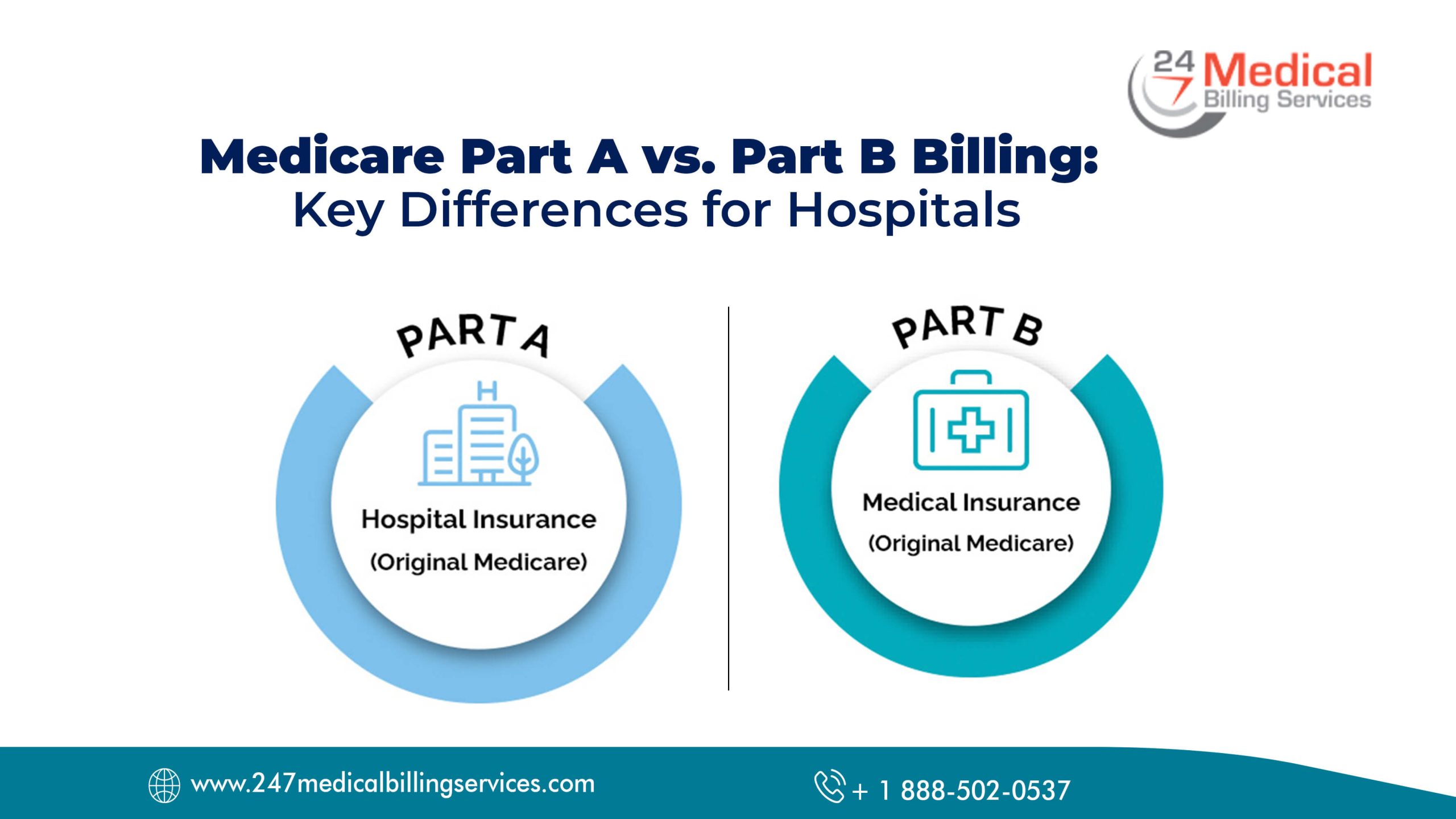
Medicare Part B is the medical insurance part of Original Medicare. Part A mainly helps cover inpatient hospital care, while Part B helps pay for care you receive outside a hospital.
Part B can cover medically necessary services and preventive care. It often acts as the main protection for routine medical needs after you become eligible for Medicare.
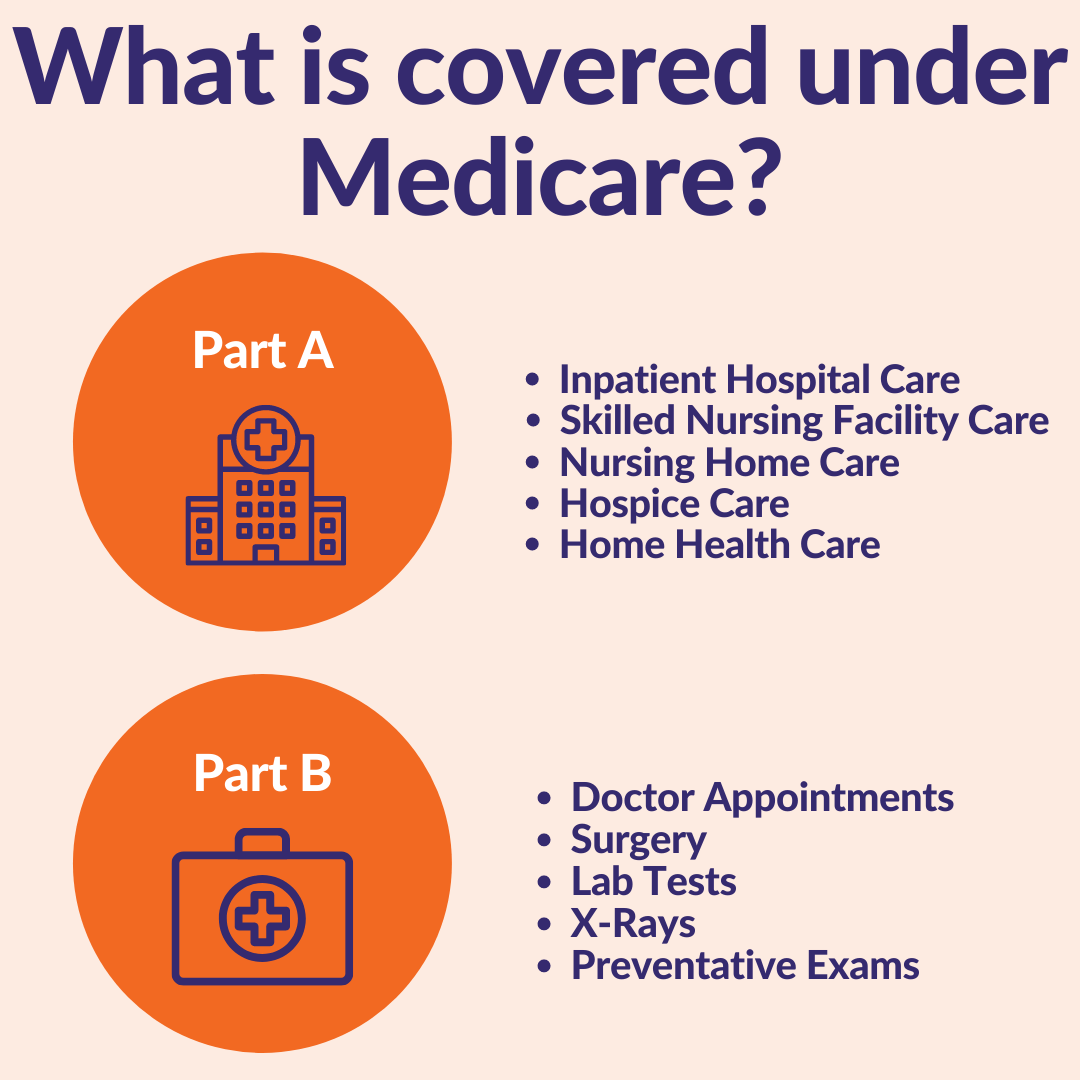
Part B may help pay for:
• Doctor visits
• Specialist appointments
• Outpatient surgery
• Emergency room care that does not lead to an admission
• Lab tests and X-rays
• Physical, occupational, and speech therapy
• Mental health services
• Preventive screenings and vaccines
• Durable medical equipment, such as walkers and oxygen equipment
• Ambulance services in certain situations
• Some home health services
Part B usually does not cover routine dental care, most eyeglasses, hearing aids, or long-term custodial care. You may need a Medicare Advantage plan, Medigap policy, dental plan, or separate insurance for those needs.
Why Do I Need Part B Medicare?
The main reason you need Part B Medicare is that Part A does not cover most everyday medical care. Without Part B, you could face the full cost of doctor visits, outpatient tests, therapy, and medical equipment.
Think of Medicare coverage like a two-part safety net. Part A helps protect you from large hospital bills. Part B helps protect you from the steady stream of medical costs that can occur during normal life.
Here are the most important reasons people choose Part B:
• It covers outpatient medical care. You can visit doctors and specialists without paying the entire bill yourself.
• It covers preventive services. Medicare may cover many screenings, counseling visits, and vaccines when you meet the rules.
• It limits your financial exposure. Part B has deductibles and coinsurance, but it is often less expensive than paying the full cost of care.
• It supports chronic care. People with diabetes, heart disease, arthritis, or other conditions may need regular appointments, tests, and therapy.
• It helps maintain access to providers. Many doctors accept Medicare, although you should confirm participation before making an appointment.
• It can work with other coverage. Part B may coordinate with employer insurance, retiree insurance, Medicaid, or Medigap coverage.
A simple example can show the value. Suppose you need several specialist visits, blood tests, an MRI, and physical therapy in one year. Without Part B, those bills could quickly become difficult to manage. With Part B, Medicare generally pays its share after applicable rules, deductibles, and coinsurance.
What Does Medicare Part B Cover?
Part B covers two broad types of care: medically necessary services and preventive services.
Medically necessary care helps diagnose or treat an illness, injury, or condition. The service must meet Medicare rules and usually must be provided by an eligible professional or facility.
Preventive care aims to find health problems early or prevent them from becoming worse. Some preventive services cost nothing when you use a qualified provider and meet Medicare requirements.
Medical services
Part B may cover:
• Visits with primary care doctors and specialists
• Outpatient hospital services
• Diabetes testing supplies and training
• Durable medical equipment
• Kidney disease education in certain cases
• Cardiac rehabilitation
• Chemotherapy given in an outpatient setting
• Certain prescription drugs administered in a doctor’s office
• Physical and occupational therapy
• Limited chiropractic care for specific conditions
Coverage can depend on medical necessity, provider status, prior approval, and local Medicare rules. Always ask whether a service is covered before receiving expensive care.
Preventive services
Part B may cover services such as:
• Annual wellness visits
• Cancer screenings
• Cardiovascular screenings
• Diabetes screenings
• Depression screening
• Tobacco cessation counseling
• Flu, pneumonia, and hepatitis B vaccines for eligible people
• Bone mass measurements
• Glaucoma tests for people at higher risk
Preventive coverage is one reason why do I need Part B Medicare is an important question for healthy adults, too. You do not need to wait until you feel sick to benefit from medical insurance.

What Does Part B Not Cover?
Part B is useful, but it is not complete health insurance. Knowing its limits can help you avoid surprise bills.
Part B generally does not cover:
• Routine dental exams, cleanings, fillings, or dentures
• Routine eye exams and most prescription glasses
• Hearing aids and routine hearing exams
• Most prescription drugs you take at home
• Long-term nursing home care
• Cosmetic surgery
• Routine foot care
• Medical care outside the United States in most situations
Medicare Part D may help with prescription drugs. Medicare Advantage plans often combine Part A, Part B, and usually Part D in one plan. Medigap can help pay some deductibles and coinsurance left by Original Medicare.
You may still pay monthly premiums, deductibles, coinsurance, and extra amounts based on your income. Part B does not create a zero-cost health care system. It reduces covered costs, but you still need to plan for the amounts Medicare does not pay.
How Much Does Medicare Part B Cost?
The cost of Part B changes each year. Most people pay a standard monthly premium, but people with higher incomes may pay an income-related monthly adjustment amount.
Your Part B costs may include:
• A monthly premium
• An annual deductible
• Coinsurance for covered services
• Extra charges if you use providers who do not accept Medicare assignment
• Higher premiums based on your income from two years earlier
The standard premium and deductible are updated each year. For current amounts, review your Medicare statement or check official Medicare information before making a decision.
Medicare generally pays 80% of the Medicare-approved amount for many covered Part B services after you meet the annual deductible. You are usually responsible for the remaining 20%, and Original Medicare does not have a yearly out-of-pocket maximum.
This is where Medigap can help. A Medigap policy may pay some Part B coinsurance and other costs, depending on the plan. Medicare Advantage plans have different cost-sharing rules and must include a yearly limit on covered medical expenses.
A practical cost example
Imagine that a covered outpatient service has a Medicare-approved cost of $1,000 after you meet the deductible. Medicare may pay about $800, while you may owe about $200 under standard Part B cost-sharing rules.
The exact amount can vary. Your provider, plan type, assignment status, service, and other insurance can change the final bill.
When Should You Enroll in Part B?
Most people first become eligible for Medicare around age 65. Your Initial Enrollment Period usually lasts seven months:
• Three months before the month you turn 65
• The month you turn 65
• Three months after the month you turn 65
If you start Social Security benefits before 65, you may be enrolled automatically in Part A and Part B. If you are not receiving Social Security, you may need to enroll yourself.
Enrollment timing matters because delaying Part B without suitable coverage can lead to:
• A late enrollment penalty
• A permanent increase in your monthly premium
• A gap in health insurance
• A delayed enrollment period
The Part B late enrollment penalty is generally 10% of the standard premium for each full 12-month period you could have had Part B but did not enroll. The penalty may continue for as long as you have Part B.
This is one of the biggest answers to why do I need Part B Medicare on time. Even if you feel healthy, missing your enrollment window can create long-term costs.
Can You Delay Part B?
Some people can delay Part B without a penalty. The most common example is active employer group health coverage based on your or your spouse’s current employment.
The rules are different when coverage comes from:
• Current employment
• COBRA
• Retiree insurance
• A Marketplace plan
• Veterans benefits
• TRICARE
• Medicaid
COBRA and retiree coverage may not protect you from a Part B late enrollment penalty. They also may not act as a substitute for active employer coverage under Medicare’s enrollment rules.
Before delaying Part B, ask your employer’s benefits office:
- Is the coverage based on current employment?
- Does the employer have at least 20 employees?
- Will the employer plan pay first or will Medicare pay first?
- Can the plan continue after I enroll in Medicare?
- Do I need to enroll in Part B to keep my spouse’s coverage?
Keep written answers. A short phone call may not provide enough proof if a problem develops later.
People with qualifying employer coverage often receive a Special Enrollment Period after that employment or coverage ends. This period usually allows enrollment in Part B without the standard late penalty, but deadlines still apply.

What Happens If You Only Take Medicare Part A?
Some people enroll in premium-free Part A but delay Part B. This can make sense when they have qualifying active employer coverage. It can be risky when they do not have other reliable medical insurance.
Without Part B, you may have limited or no Medicare coverage for:
• Doctor appointments
• Outpatient surgery
• Diagnostic tests
• Physical therapy
• Medical equipment
• Many preventive services
Part A alone is not designed to cover your complete health care needs. It mainly protects against inpatient hospital costs.
A person may choose Part A only because Part B has a monthly premium. That choice should be based on a full comparison of risks, not just the desire to save money today. One unexpected medical issue can cost far more than several months of premiums.
Part B Compared With Medicare Advantage
Medicare Part B is included in every Medicare Advantage plan. If you join Medicare Advantage, you must usually continue paying the Part B premium in addition to any plan premium.
Original Medicare with Part B lets you use any provider who accepts Medicare. You can add a Part D plan for prescriptions and a Medigap policy for certain out-of-pocket costs.
Medicare Advantage plans often offer:
• A network of doctors and hospitals
• One plan for hospital and medical coverage
• Prescription drug coverage in many plans
• Extra benefits, such as dental, vision, or fitness programs
• Different copayments and prior authorization rules
Neither option is best for everyone. Compare provider networks, drug coverage, premiums, deductibles, copayments, referrals, and yearly out-of-pocket limits.
The key point is simple: Medicare Advantage does not replace the need for Part B. It uses Part B as part of the plan’s coverage structure.
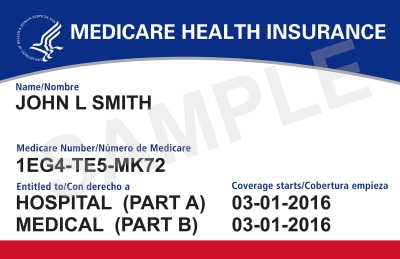
How Part B Works With Other Insurance
Part B may coordinate with other health coverage. Which insurance pays first depends on your situation.
Common examples include:
• Employer coverage
• Retiree coverage
• Medicaid
• Veterans benefits
• TRICARE
• Medigap
• Workers’ compensation
If you have Medicaid, it may help pay Medicare premiums and cost-sharing, depending on your eligibility category. If you have Medigap, Medicare usually pays first and the Medigap policy may pay some remaining covered costs.
Do not assume that two insurance cards mean every bill will be paid. Each program has its own rules. Contact the insurer, benefits administrator, or State Health Insurance Assistance Program before making an enrollment choice.
Common Part B Mistakes to Avoid
After reviewing many Medicare questions, one pattern stands out: people often focus on the premium and overlook enrollment rules. A little planning can prevent major stress later.
Avoid these mistakes:
• Assuming Part A covers doctor visits
• Delaying Part B because you have COBRA
• Treating retiree insurance like active employer coverage
• Missing the Initial Enrollment Period
• Failing to ask whether your employer plan pays first
• Forgetting that Part B premiums can rise with income
• Assuming Medicare covers dental, hearing, and routine vision care
• Choosing a Medicare Advantage plan without checking your doctors
• Ignoring prescription drug enrollment rules
• Not saving enrollment letters and employer records
A useful habit is to create a Medicare folder. Include your notices, insurance cards, employer letters, premium statements, and notes from phone calls. Write down the date, department, and name of anyone who gives you important advice.

A Simple Part B Decision Checklist
Use this checklist before you enroll or delay Part B:
- Confirm your Medicare eligibility date.
- Review your Initial Enrollment Period.
- List every form of health coverage you have.
- Ask whether your employer coverage is based on current employment.
- Find out which plan pays first.
- Estimate your Part B premium and likely medical costs.
- Check whether your doctors accept Medicare or your Medicare Advantage plan.
- Compare Original Medicare, Medigap, and Medicare Advantage.
- Review prescription drug coverage separately.
- Keep written proof of your enrollment decision.
If you are unsure, speak with a licensed insurance professional or a free, unbiased Medicare counselor. Ask for an explanation of both benefits and limitations. Be cautious with anyone who pressures you to enroll quickly or promises benefits that sound too good to be true.
Why Do I Need Part B Medicare If I Am Healthy?
Healthy people still need medical coverage because health needs can change without warning. Part B also covers many preventive services that help find problems early.
You may not visit a doctor often today. However, an accident, new diagnosis, outpatient procedure, or sudden need for therapy can create large bills. Part B helps make those costs more predictable.
Is Medicare Part B Mandatory?
No. You can decline Part B, but declining it may create coverage gaps or late enrollment penalties later. Whether you should delay it depends on your other qualifying health coverage and your personal situation.
Does Part B Cover Prescription Drugs?
Part B covers some drugs, such as medicines given in a doctor’s office or certain drugs used with durable medical equipment. Most prescriptions you take at home are covered through Medicare Part D or a Medicare Advantage plan with drug coverage.
Can I Have Part B and Employer Insurance?
Yes. Many people have both, but the payment order depends on factors such as employer size and whether the coverage is based on current employment. Ask your benefits administrator how the plans coordinate before you make changes.
Does Part B Have an Out-of-Pocket Maximum?
Original Medicare Part B does not have a yearly out-of-pocket maximum. A Medigap plan may help with certain costs, while Medicare Advantage plans have an annual limit for covered Part A and Part B services.
Can I Enroll in Part B After Delaying It?
Often, yes. You may qualify for a Special Enrollment Period if you had qualifying coverage through current employment. If you did not have that coverage, you may need to wait for the General Enrollment Period and may face a late enrollment penalty.
Conclusion
Medicare Part B helps cover the everyday medical care that Part A does not. It can pay part of your doctor visits, outpatient treatment, preventive services, tests, therapy, and medical equipment.
The answer to why do I need Part B Medicare usually comes down to protection, access, and timing. If you have qualifying active employer coverage, delaying Part B may be possible. If you do not, enrolling on time can help you avoid gaps and permanent penalties.
Review your Medicare notice, compare your current insurance, and ask for written guidance before deciding. Explore official Medicare resources or speak with a trusted counselor so you can choose coverage with confidence.

Michael Reynolds is a senior contributor at RetirementGazette.com, where he focuses on helping readers navigate the journey toward a secure and fulfilling retirement. With over a decade of experience in personal finance, retirement planning, and lifestyle writing, Michael combines practical strategies with easy-to-understand guidance tailored for both pre-retirees and those already enjoying their golden years.