
You can fly with an electric wheelchair; notify the airline, check batteries, and pack smart.
I’ve planned and booked dozens of trips using an electric wheelchair, and I know the questions and hurdles travelers face. This guide on How to travel with an electric wheelchair on a plane walks you through every step—from airline rules and battery types to airport handling, security screening, in-cabin options, and damage protection. Read on for clear, practical steps, personal tips, and checklists that make boarding and travel smoother and less stressful.

Preparing to travel with an electric wheelchair on a plane
Start planning early. Call the airline as soon as you book and tell them you will be traveling with an electric wheelchair. Ask about their wheelchair policy, required documentation, and whether they need measurements or photos. Confirm pick-up and drop-off procedures at both origin and destination.
Know the type and specs of your wheelchair. Write down the make, model, weight, dimensions, and battery type. Battery type is the most critical piece for airlines and security. Keep proof of purchase or a user manual if you have one.
Practice disassembly and reassembly at home. Time yourself. Label parts and keep small tools in a pouch. A clear and quick breakdown helps ground staff handle your chair correctly and reduces the chance of damage.
How to travel with an electric wheelchair on a plane depends on preparation. Early communication reduces surprises and gives time to arrange special services or accommodations.
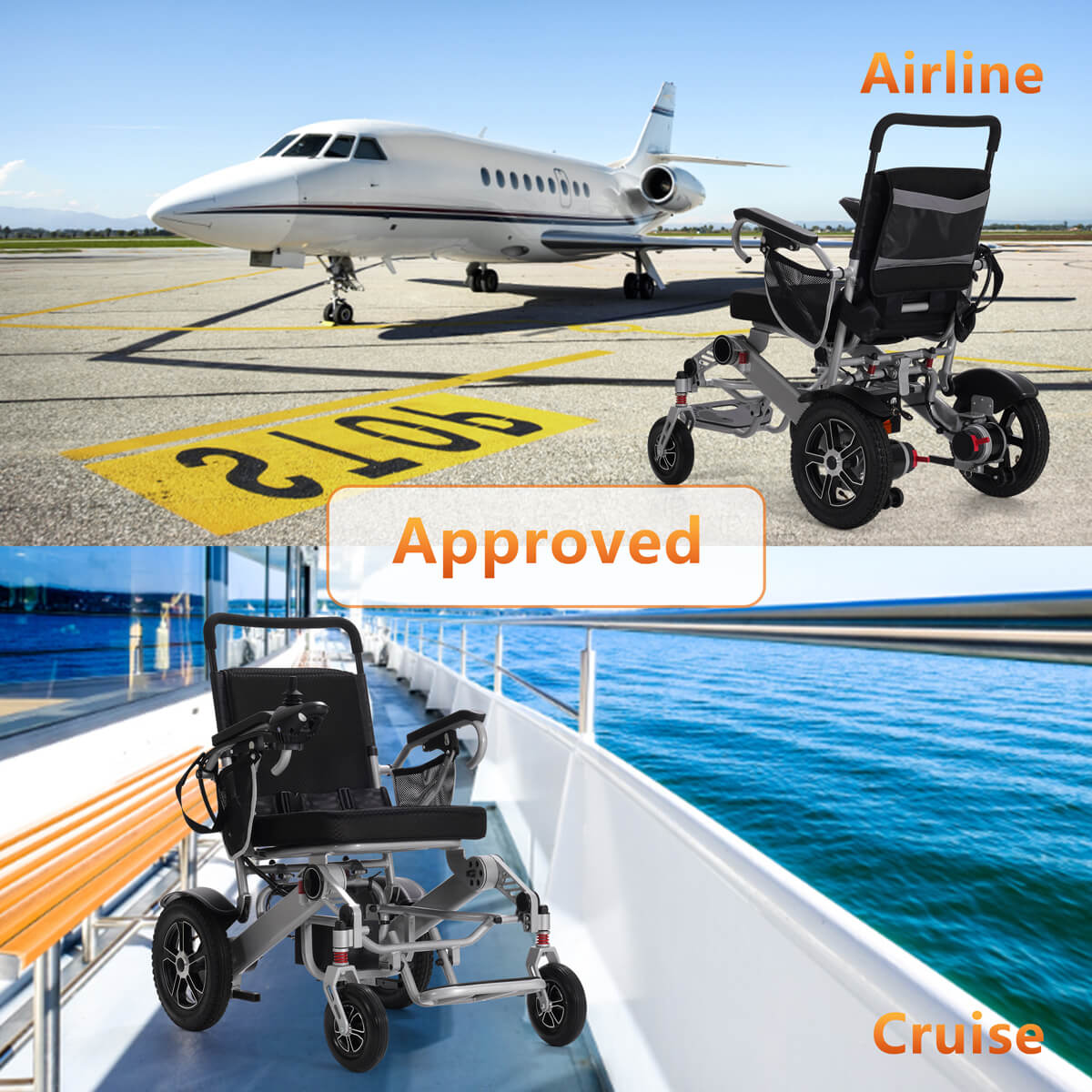
Battery rules and safe packing for electric wheelchairs
There are two main battery types to know: sealed lead-acid (SLA) and lithium-ion. Each type has different airline rules. Most airlines allow SLA with limits and allow lithium-ion under stricter watt-hour (Wh) caps. Always tell the airline the battery chemistry and exact Wh rating.
Check these steps:
- Confirm whether your battery must be removed, disconnected, or left in place.
- If the battery must be removed, pack it in approved containment or a battery bag.
- Ensure battery terminals are protected from short circuits with tape or terminal covers.
- If your battery exceeds allowed watt-hour limits, arrange for shipping or replacement.
How to travel with an electric wheelchair on a plane safely means complying with airline and security rules for batteries. Failure to do so can delay flights or cause refusal to board.

Airport arrival, check-in, and gate procedures
Arrive early—plan at least 90 minutes for domestic flights and two to three hours for international travel. Request wheelchair assistance if you need it for moving through the airport. Confirm how the airline transfers your chair to the gate and who will operate it.
When checking in:
- Present battery information and any required forms.
- Provide a photo or label to help ground staff identify your wheelchair.
- Ask whether your chair will be gate-checked, stowed in cargo, or carried on board.
I once arrived 30 minutes before boarding and nearly missed my flight because the airline needed extra documentation. Arrive early and re-confirm arrangements at check-in to avoid stress.

Security screening and TSA-style processes
Security officers will screen your wheelchair. Electronic components may trigger X-ray or physical inspection. Expect officers to:
- Ask you to turn the chair on and off.
- Remove detachable batteries for separate screening.
- Physically inspect cushions or pockets for prohibited items.
Keep calm and explain your needs. If you need assistance during inspection, request a private screening or a mobility aide. How to travel with an electric wheelchair on a plane includes knowing your rights and the screening options available.

Boarding, in-cabin options, and seat arrangements
Most electric wheelchairs cannot fit in the cabin. Airlines typically stow them in the cargo hold. However, some manual or disassembled chairs might be allowed aboard if they meet size rules. Ask about pre-boarding so you can board early and settle in before other passengers.
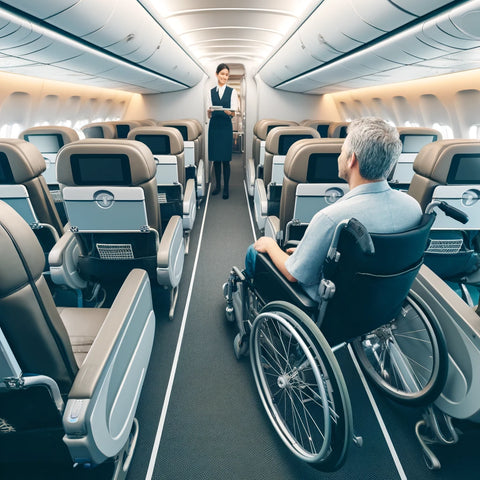
If you need an aisle chair to transfer to a seat, the airline usually provides one. Confirm the availability of a seatbelt extender or transfer cushion if needed. Keep a marked sign with contact information on your wheelchair in case it is misplaced.
How to travel with an electric wheelchair on a plane successfully often comes down to clear communication with gate staff and a calm transfer process.
Handling damage, loss, and insurance
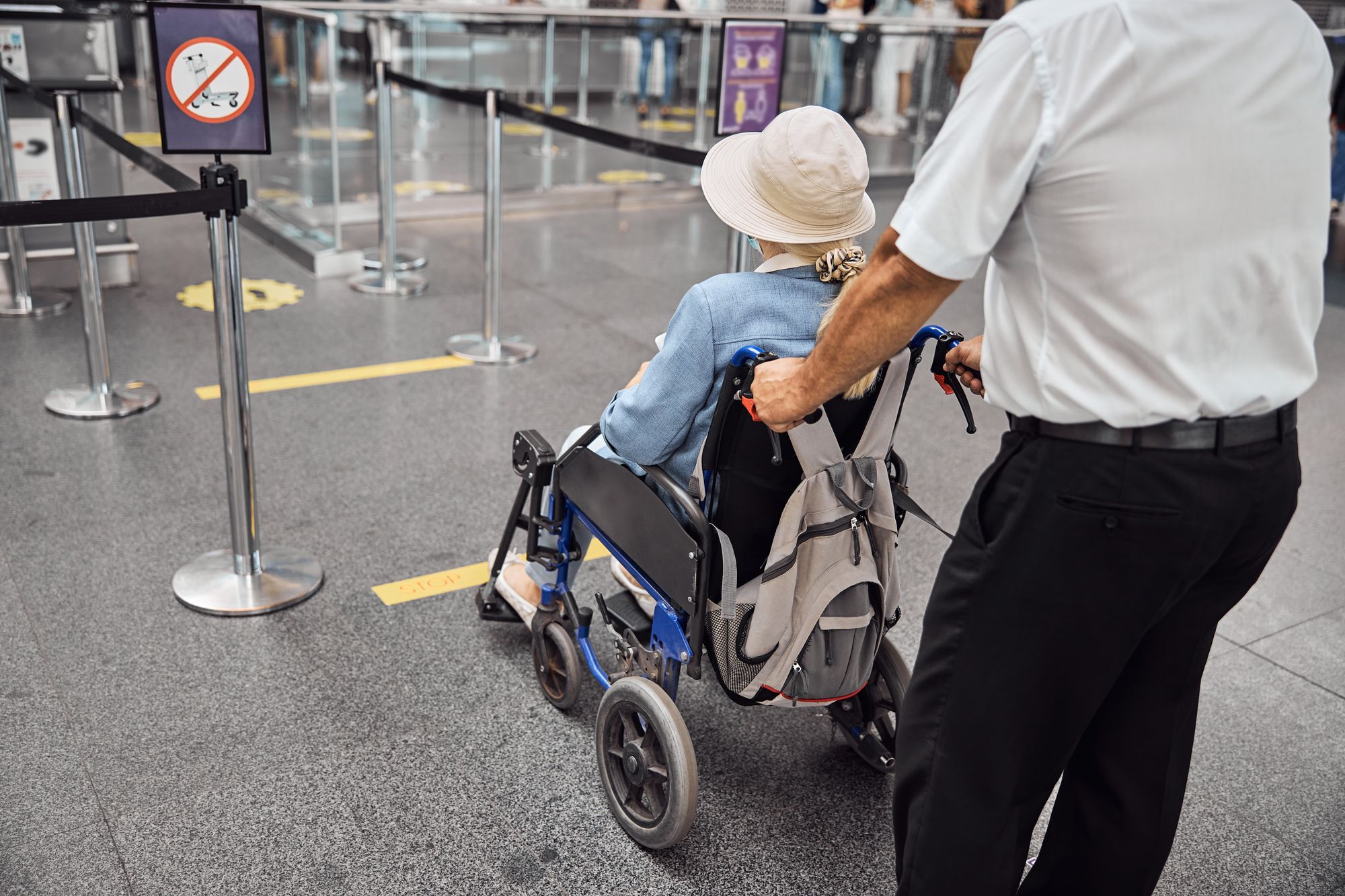
Ground handling can cause damage. Photograph your wheelchair before travel, capture serial numbers, and keep receipts for value proof. If damage happens:
- File a damage report with the airline before you leave the airport.
- Keep copies of the report, photos, and any communication.
- Follow up with the airline’s baggage or mobility claims process.
Consider insurance or a mobility device protection plan. A claim process can be slow; having documentation speeds resolution. My own chair was scratched once and the photos and report helped secure a timely repair offer.
Practical tips, packing checklist, and travel hacks
Short checklist to print and use:
- Carry a copy of battery specs and wheelchair manual.
- Label all parts with name and phone number.
- Pack a basic toolkit and extra zip ties.
- Bring a soft cover or blanket for protection during handling.
- Keep medication and essential items in a carry-on.
- Confirm accessible transport and hotel services ahead of time.
- Charge fully and carry an extra charger if possible.
Travel hacks I use:
- Take a small, foldable ramp in case there are curb gaps.
- Use color-coded tape to mark parts for quick reassembly.
- Record a short video of reassembly steps on your phone.
How to travel with an electric wheelchair on a plane becomes easier with these small, practical habits.

Regulations, rights, and communication tips
You have rights to assistance and non-discrimination during air travel. Airlines must provide reasonable accommodations and handle mobility devices with care. Still, policies differ by carrier and country. Always confirm:
- What documentation the airline needs for battery types.
- Whether specialized handling or equipment is available at both airports.
- Timelines for requesting assistance and special seating.
Keep polite but firm communication. Use emails to confirm arrangements and keep records. When problems arise, clear documentation and calm persistence help resolve issues.
Personal lessons learned and mistakes to avoid
From my trips, these lessons stand out:
- Don’t assume policies are the same across airlines—call each carrier.
- Don’t pack spare batteries in checked luggage without airline approval.
- Don’t rush check-in. Give staff time to handle your chair carefully.
One mistake I made was not labeling parts clearly; ground crews disassembled the chair at different points and reassembly took longer. Labeling saved time on later trips.
PAA-style questions about How to travel with an electric wheelchair on a plane
Can I bring my electric wheelchair on a plane?
Yes, most airlines allow electric wheelchairs but require advance notice and battery information. Rules vary by battery type and airline, so confirm details before travel.
Do I need to remove the battery from my wheelchair?
Sometimes. Airlines or security may ask you to remove or disconnect the battery depending on its chemistry and watt-hour rating. Always follow the airline’s specific instructions.
Will my wheelchair be damaged during handling?
Damage can happen but is not common when you prepare well. Photograph your chair, file a report immediately if damage occurs, and consider insurance for full protection.
How early should I arrive at the airport?
Arrive 90 minutes early for domestic flights and two to three hours for international flights. Early arrival gives staff time to process battery checks and special handling.
Can I bring my charger in carry-on luggage?
Yes, keep the charger and essential tools in your carry-on so you have them on arrival. Chargers should not be placed in checked baggage if you will need them immediately.
Frequently Asked Questions of How to travel with an electric wheelchair on a plane
What documentation should I bring for my electric wheelchair?
Bring battery specs, a user manual, and proof of ownership if possible. These documents help staff verify safety and handle your chair properly.
How do airlines handle lithium-ion batteries?
Airlines limit lithium-ion batteries by watt-hour rating and may require them in carry-on or disabled shipment approval. Always report battery type and Wh to the airline in advance.
Can a wheelchair be carried into the cabin?
Most full-size electric wheelchairs are stowed in cargo, but small, disassembled chairs might be allowed in cabin space upon airline approval. Confirm with your carrier before you travel.
What should I do if my wheelchair is lost or damaged?
File a damage or loss report at the airport immediately and document the condition with photos. Keep all records and follow the airline’s claims process promptly.
Do I need a doctor’s note to travel with a wheelchair?
Usually not, but some airlines may request medical documentation for certain accommodations. Check the airline’s policy and carry any needed medical letters if requested.
How can I make transferring easier at the gate?
Request pre-boarding and ask for an aisle chair if needed. Practice transfer techniques with a therapist and bring a transfer belt or cushion if it helps.
Is there a cost for transporting an electric wheelchair?
Many airlines transport mobility devices free of charge, but specific fees can vary for oversized or extra equipment. Confirm cost policies when you book.
Conclusion
Traveling with an electric wheelchair on a plane is fully possible with planning, clear communication, and attention to battery rules. Prepare documentation, call the airline early, pack smart, and photograph your chair before travel to reduce stress and protect your device. Use the checklists and tips here to travel with confidence and focus on enjoying your trip. Share your experiences, ask questions below, or subscribe for more travel guides and accessibility tips.

Michael Reynolds is a senior contributor at RetirementGazette.com, where he focuses on helping readers navigate the journey toward a secure and fulfilling retirement. With over a decade of experience in personal finance, retirement planning, and lifestyle writing, Michael combines practical strategies with easy-to-understand guidance tailored for both pre-retirees and those already enjoying their golden years.