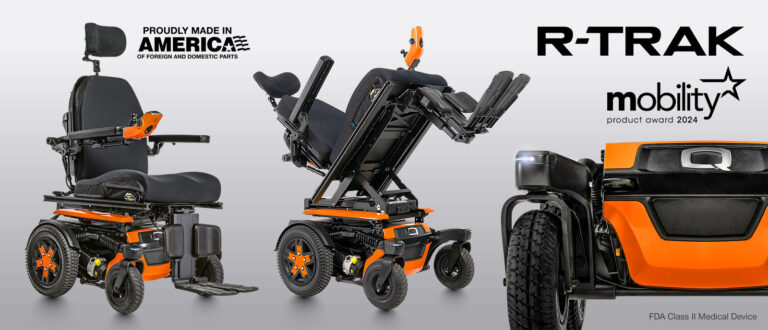
Increase top speed safely by upgrading motor, controller, battery, and wheels.
I’ve spent years working with mobility devices, helping users get better range, comfort, and speed. This guide explains how to make an electric wheelchair faster in clear, safe steps. I combine hands-on tips, technical details, and legal and safety reminders so you can decide what’s right for you.

Why speed matters and legal limits
Faster travel can boost independence. It helps you keep pace with friends and cross streets faster. Yet speed changes can affect safety, balance, and braking. Local laws and manufacturer rules may limit how fast your chair can go, so check before you modify.

Understand the parts that control speed
To change speed, you must know the parts that set it now. Key components are motor, controller, battery voltage, gearing, wheels, and firmware. Each part affects top speed, acceleration, and range in different ways. Learning how they interact makes it easier to decide what to upgrade.

Common quick questions
Can I just change the battery to make my chair faster?
A higher-voltage battery can raise speed, but only if the motor and controller support it. Using unsupported voltage risks damage, voids warranty, and creates safety hazards.
Will lighter wheels improve top speed?
Lighter wheels reduce rolling resistance and inertia. This helps acceleration and may improve top speed slightly, but the motor and controller still limit absolute speed.
Practical, safe ways to make an electric wheelchair faster
Consider these real-world options. Each has trade-offs in cost, safety, and warranty.
- Upgrade the motor. A motor with higher RPM or power can increase top speed when paired with the right controller. Ensure the frame and motors mounts are compatible.
- Replace or reprogram the controller. The controller limits motor output. A calibrated controller or a performance controller can unlock higher speeds. Professional setup is recommended.
- Use a higher-voltage battery pack. Increasing battery voltage raises motor RPM if electronics allow it. Confirm the motor and controller are rated for the new voltage.
- Change gear ratio or wheel size. Larger drive wheels or altered gearing raise top speed but can reduce torque for hills. This is a mechanical, lower-cost option.
- Reduce weight. Lighter seats, bags, or accessories improve acceleration and top speed marginally. Weight savings also improve range.
- Improve tires. Low-rolling-resistance tires and correct inflation improve speed and efficiency. Consider turf or road tires depending on use.
- Firmware and software tuning. Modern chairs sometimes allow safe speed profiles via firmware updates. Use authorized dealers or technicians to adjust settings.

Step-by-step upgrade guide
Follow a plan to avoid mistakes and hazards.
- Evaluate your chair. Note make, model, motor specs, controller model, battery specs, and wheel size. Photograph components and record serial numbers.
- Set goals. Decide desired top speed and acceptable trade-offs for range and torque. Write them down.
- Check limits. Verify legal limits and manufacturer warnings. Contact your supplier or check the manual.
- Choose a path. Pick one change at a time: tires and weight first, then controller or motor, then battery. This reduces risk.
- Work with a pro. For controller reprogramming, battery voltage changes, or motor swaps, use a certified mobility technician. They can tune safety features.
- Test incrementally. After each change, test at low speed in a safe area. Check braking, steering, and temperature.
- Keep records. Document modifications and retain original parts. This helps with warranty or resale.

Safety, legal, and warranty considerations
Never skip this step. Safety is the top priority when you modify speed.
- Check local laws. Some regions classify mobility devices and set speed or sidewalk rules. Follow them.
- Understand stability. Faster speed changes how the chair handles bumps, turns, and slopes. A small speed increase can raise tip risk.
- Braking and thermal limits. Faster or more powerful setups stress brakes and motors. Overheat protection and stronger brakes may be needed.
- Warranty and insurance. Many upgrades void warranties. Inform your insurer and keep receipts for aftermarket parts.
- Professional help. For electrical changes, work with a qualified technician who knows mobility equipment.

Costs, expected gains, and trade-offs
Budget matters. Here’s a rough outline from low to high cost, and typical speed gains.
- Tires and rolling-resistance tweaks. Low cost. Speed gain small: 1–3 mph.
- Weight reduction and gearing changes. Low–medium cost. Gain 1–4 mph.
- Controller tuning or new controller. Medium cost. Gain 2–6 mph depending on motor.
- Motor upgrade and higher-voltage battery. High cost. Gain 4–10+ mph, but higher risk and expense.
- Full performance conversion kit. Highest cost. Gain varies widely; requires professional installation.
All gains depend on the base chair. Increasing speed often reduces range and may lower hill-climbing ability. Plan for those trade-offs.
Troubleshooting and maintenance to keep speed
After upgrades, keep the chair tuned to maintain speed and safety.
- Check tire pressure weekly and inspect for wear.
- Inspect connectors and wiring for heat damage after high-load runs.
- Monitor battery health and capacity. Replace aging cells to avoid voltage sag.
- Recalibrate controller and sensors if the chair drifts or feels slow.
- Keep brakes adjusted and test stopping distance after upgrades.
Personal note: I once upgraded a client’s controller and we found a loose connector that caused thermal cutouts. Tight checks after every step saved a costly motor replacement.

Frequently Asked Questions
How much faster can I safely make my wheelchair?
Most safe upgrades add 1–6 mph depending on the chair and modifications. Professional evaluation sets realistic limits.
Will increasing speed reduce my range?
Yes. Higher speed increases power draw and reduces range. Expect 10–40% range loss depending on how much faster you go.
Can I change speed settings myself?
Some chairs allow user settings, but many require dealer tools or a technician. DIY changes to electronics can be dangerous.
Is it legal to modify my electric wheelchair?
Laws vary by area. Modifying for higher speed can change device classification. Check local rules before you modify.
What are the risks of making an electric wheelchair faster?
Risks include loss of balance, reduced braking effectiveness, motor overheating, and voided warranty. Mitigate risks with professional work and testing.
Conclusion
Making an electric wheelchair faster is possible, but it calls for care. Start by understanding your chair, set clear goals, and choose upgrades that match your needs. Prioritize safety, check laws, and work with professionals for electrical or motor changes. Take action step by step, test incrementally, and keep maintenance up to date. If you found this guide helpful, try one small, safe upgrade first and share your results or questions in the comments.

Michael Reynolds is a senior contributor at RetirementGazette.com, where he focuses on helping readers navigate the journey toward a secure and fulfilling retirement. With over a decade of experience in personal finance, retirement planning, and lifestyle writing, Michael combines practical strategies with easy-to-understand guidance tailored for both pre-retirees and those already enjoying their golden years.