
Clean it, check the batteries, set a fair price, make a clear listing, and sell where buyers shop.
I’ve helped families and clinics sell mobility gear, and this guide shows exactly how to sell an electric wheelchair step by step. I know what buyers look for, what paperwork matters, and how to price for a quick, fair sale. Read on to learn practical tips, real mistakes to avoid, and a clear process you can use today to sell an electric wheelchair confidently.

Why sell and who buys
Selling an electric wheelchair can free space and recover value. Many homeowners, caregivers, and clinics buy used mobility gear. Knowing who buys helps you target the right market and get a better price.
Common buyers include
- Individuals shopping for lower-cost mobility options
- Care facilities and rehab centers that refurbish equipment
- Medical resale shops and nonprofits that assist people with low income
When you understand buyers, you can tailor the listing and price. This is the first step in how to sell an electric wheelchair successfully.

Prepare the wheelchair for sale
Preparation builds buyer trust and raises value. Start with cleaning and a basic inspection. Tighten bolts, clean upholstery, and remove odors. Small fixes make a big impression.
Service and testing checklist
- Battery health: Test runtime and note hours of use
- Motor and electronics: Verify all controls and lights work
- Tires and casters: Replace or repair worn parts
- Brakes and safety features: Confirm reliable operation
Gather documents like the user manual, maintenance records, and original receipts if available. Being organized shows expertise and speeds up the sale process.

Assess condition and document details
Accurate details reduce buyer questions and returns. Create a short spec sheet with clear facts.
Include these key details
- Make, model, and year: Exact model number matters
- Weight capacity and dimensions: Important for fit and transport
- Battery type and age: State amp-hours and last replacement
- Condition rating: Note cosmetic flaws and mechanical issues
- Accessories: Chargers, cushions, ramps, and spare parts
Take dated photos and short video clips of the wheelchair working. Visual proof increases buyer confidence and helps you justify the price.

Price it right
Setting the right price wins serious buyers. Look at similar listings online and in local resale shops. Older models and worn batteries lower value faster.
Pricing steps
- Research comparable listings for the exact model
- Factor service history and battery life into the price
- Decide on a negotiation buffer of 10–15 percent
- Consider offering free local pickup to attract buyers
If you need a quick sale, price slightly below market. If you can wait, price competitively and highlight recent servicing or new batteries. This is key to how to sell an electric wheelchair at a fair market value.

Where to list and sell
Choose platforms that reach your buyer type. Each option has pros and cons for fees, reach, and convenience.
Top selling options
- Local classifieds and community boards: Good for no-shipping, quick local sales
- General marketplaces: Wide reach but competition and fees
- Medical equipment resellers: Buyers expect used gear and may offer pickup
- Social media and local groups: Fast responses and local pickup options
- Consignment shops and charities: Lower price but low hassle
For cross-border or long-distance sales, be careful with shipping rules for batteries. Many buyers prefer local pickup for heavy mobility gear.

Create an effective listing
A strong listing turns browsers into buyers. Use clear language and honest details.
Listing checklist
- Title with make, model, and condition: Example — "Pride Jazzy 1450 Power Wheelchair — Good Condition"
- Lead with a short description of condition and standout features
- Include specs and photos: At least 8 photos from different angles
- State pickup, shipping options, and payment methods
- Add a short video showing the chair running and braking
Use the phrase how to sell an electric wheelchair naturally in your copy if you write a blog or ad tips; otherwise focus keywords like "used power wheelchair" and model names to help buyers find your post.
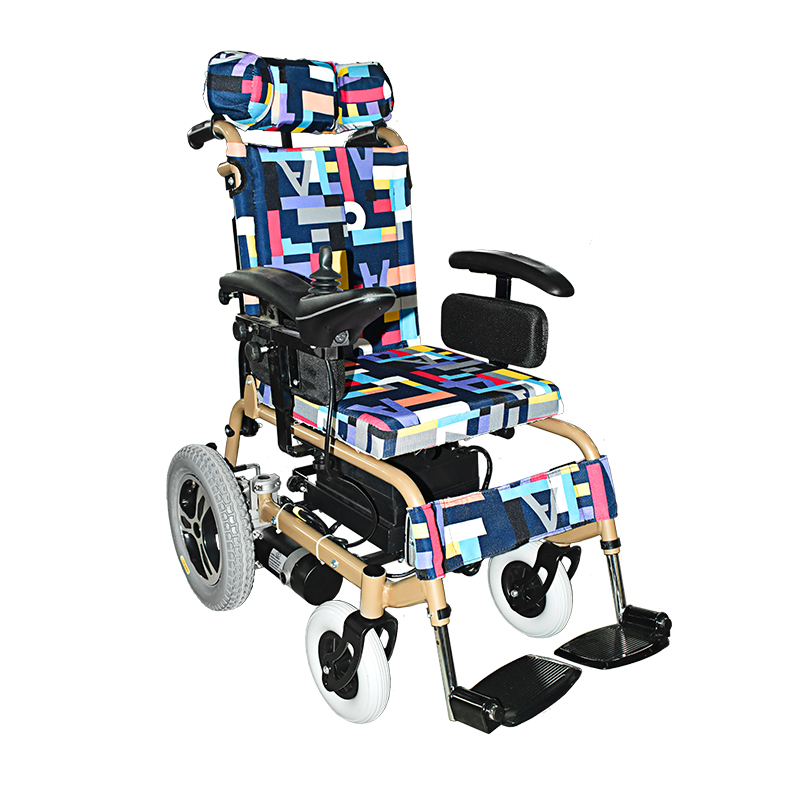
Shipping, safety, and legal considerations
Mobility equipment has special handling needs. Batteries often have shipping restrictions. Follow rules and document the sale.
Key safety and legal steps
- Check lithium or sealed lead-acid battery rules with carriers
- Disconnect batteries and pack them per carrier requirements
- Offer local pickup as the simplest option for buyers
- Provide a bill of sale that states as-is condition and any warranties
- Remove personal data from any electronic controllers
Being transparent about battery condition and transport reduces disputes and liability. This builds trust and protects both parties.
Negotiating and closing the deal
Good negotiation keeps the sale moving and protects you. Be firm on safety and honest about issues.
Negotiation tips
- Set a firm bottom price before listing
- Allow interested buyers to test drive with ID and a signed liability waiver
- Accept secure payments: cash, bank transfer, or escrow for high-value sales
- Offer a short return window only for misrepresentation, not for fit or buyer regret
Once paid, hand over the manual, keys, charger, and a signed bill of sale. Clear paperwork closes the loop and shows professionalism.
After the sale: follow-up and documentation
A smooth after-sale builds reputation. It can earn referrals and positive reviews.
Post-sale checklist
- Provide maintenance tips and contact info for questions
- Share receipts and records if you have them
- Encourage a short review or testimonial
- Note buyer feedback to improve future listings
I once sold a wheelchair that had a marginal battery. I disclosed the runtime and offered a small discount. The buyer appreciated the honesty and left a positive review. That review led to two more local sales.
Common mistakes and practical tips
Avoid these frequent errors to speed your sale and protect yourself.
Mistakes to avoid
- Overpricing without research: Buyers will ignore unclear value
- Hiding battery issues: Leads to disputes and refunds
- Poor photos: One blurry image reduces trust fast
- No paperwork: Lack of bill of sale invites confusion
Practical tips from experience
- Replace cheap parts like worn footrests before selling
- Time listings for weekends when buyers browse most
- Bundle accessories to increase perceived value
These small actions make a big difference in how to sell an electric wheelchair quickly and fairly.
Frequently Asked Questions of How to sell an electric wheelchair
How do I verify battery health before selling?
Test the battery by running the wheelchair on a full charge and noting runtime. Provide amp-hour specs and the date of the last replacement to buyers.
Do I need a bill of sale for an electric wheelchair?
Yes, a simple bill of sale protects both parties. Include make, model, serial number, sale price, date, and an as-is clause if applicable.
Can I ship a wheelchair with its battery installed?
Many carriers restrict shipping of certain batteries. Check the carrier rules; often batteries must be disconnected or shipped separately under special rules.
What is a fair depreciation rate for electric wheelchairs?
Depreciation varies by brand, condition, and battery life, but used chairs often sell for 30–60 percent of retail for a few years old. Recent servicing or new batteries can increase value.
Should I accept trades or only cash?
Cash or secure transfer is best for clarity and speed. Trades can work if both parties agree on value and include a bill of sale.
How long does it usually take to sell a used electric wheelchair?
Local listings can sell in days if priced well. Online and specialty sales may take weeks depending on demand and season.
What are buyers most concerned about?
Buyers mainly worry about battery life, motor function, and frame condition. Clear photos and test videos ease those concerns.
Conclusion
Selling an electric wheelchair is a process you can control with clear steps. Clean and service the chair, document specs, price it fairly, choose the right platform, and be honest about battery health and condition. Take action today by preparing your listing and scheduling local showings. If you found these tips useful, try them now, leave a comment about your experience, or subscribe for more practical guides on mobility gear.

Michael Reynolds is a senior contributor at RetirementGazette.com, where he focuses on helping readers navigate the journey toward a secure and fulfilling retirement. With over a decade of experience in personal finance, retirement planning, and lifestyle writing, Michael combines practical strategies with easy-to-understand guidance tailored for both pre-retirees and those already enjoying their golden years.