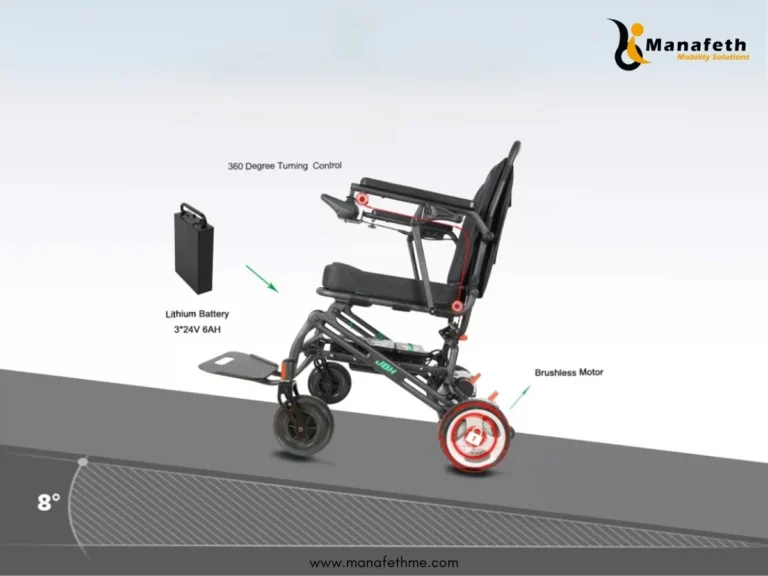
Travel with an electric wheelchair by planning batteries, airline rules, and accessibility in advance.
I’ve spent years helping people plan trips with mobility devices, and I know what works. This guide on how to travel with an electric wheelchair walks you through planning, packing, transport, charging, and safety. I blend practical steps, real-world tips, and clear checklists so you can travel confidently with your electric wheelchair.

Planning and preparing to travel with an electric wheelchair
Good planning makes travel easy. Start by understanding your wheelchair model, battery type, and weight. Contact carriers early. Ask about rules for batteries, gate assistance, and storage. Keep important papers handy: owner manuals, battery specs, and medical letters if you have them.
Key planning steps
- Make a checklist of wheelchair specs and battery type.
- Notify airlines, trains, or bus companies at least 48 to 72 hours ahead.
- Get a letter from your clinician if you need extra assistance or to explain motorized mobility needs.
- Photograph your wheelchair from all sides before travel.
PAA-style questions
Can I take my electric wheelchair on a plane?
Many airlines allow electric wheelchairs, but rules vary by carrier and battery type. Confirm with the airline and provide battery specifications in advance.
How far will my wheelchair battery last while traveling?
Battery range varies by model and terrain. Expect less range in colder weather and with heavy use; carry a charger and plan for stops.

Packing and securing your electric wheelchair
Packing smart protects both you and your device. Prepare for transit damage and meet carrier rules.
Packing checklist
- Remove or secure loose items like cushions and bags.
- Disconnect batteries if the airline requires it. Know whether your battery is lithium-ion or a sealed lead-acid type.
- Use a travel case or durable cover. Add padding around wheels and joystick.
- Label the wheelchair with contact info and a brief “Do not stack” note.
How to prepare batteries
- Note the battery chemistry and amp-hour rating.
- Bring the charger and any adapter plugs you need.
- If possible, carry a spare portable battery approved for travel.
- Store batteries per carrier rules and place contacts in protective covers.
Handling and marking
- Use sturdy straps or travel locks for parts that may move.
- Place padding between moving parts to reduce wear.
- Attach a clear parts list and tools for reassembly.
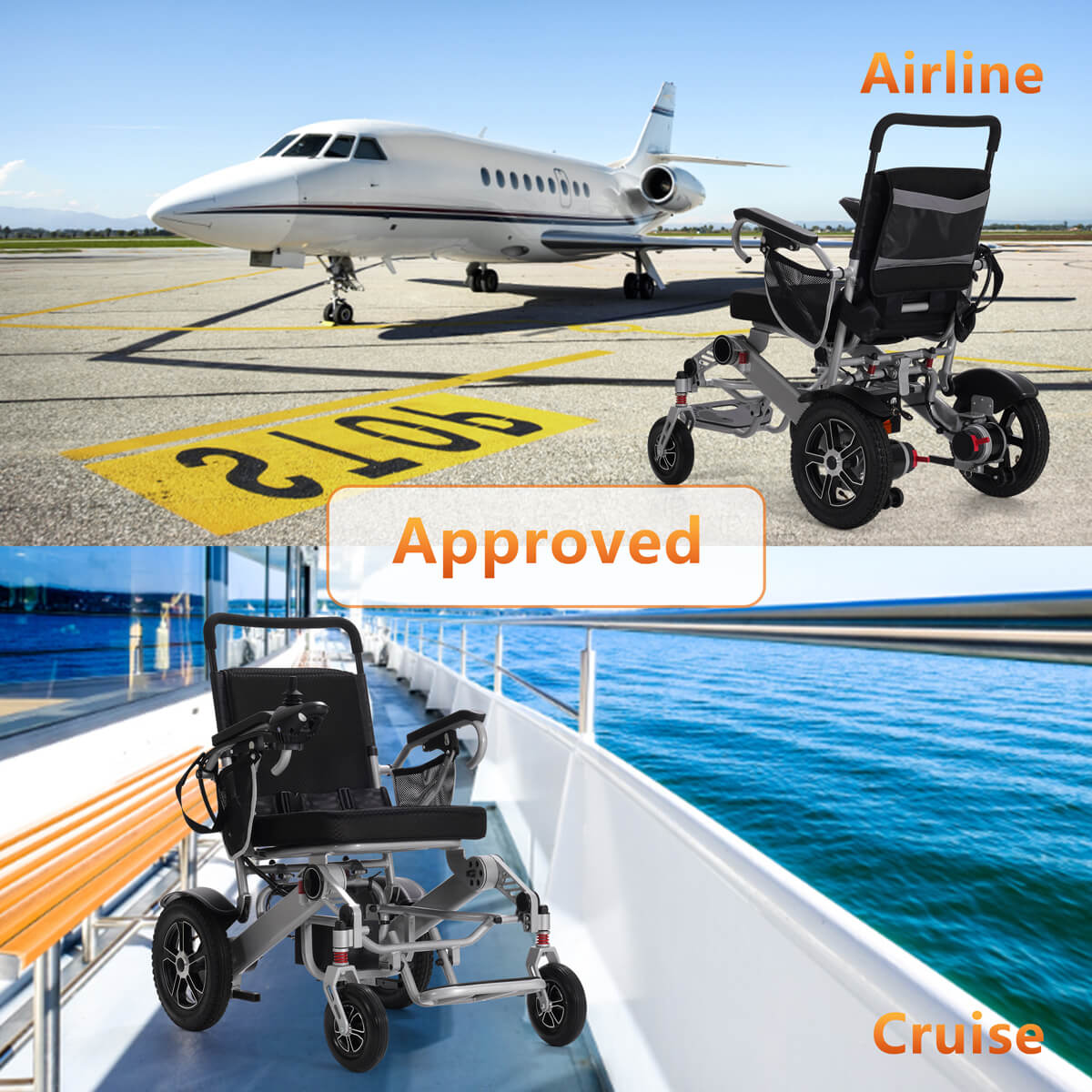
Traveling by air with an electric wheelchair
Air travel is the most complex part of travel with an electric wheelchair. Advance planning and clear communication make it smooth.
Before you fly
- Call the airline and speak to the accessibility desk.
- Confirm whether the wheelchair travels to the gate or as checked equipment.
- Confirm battery rules and whether the battery stays with the chair or goes in the cabin.
At the airport
- Arrive earlier than usual. Allow extra time for check-in and security.
- Ask for gate assistance to get to the plane and back.
- For security screening, be ready to demonstrate how the wheelchair operates.
Boarding and reclaiming
- Request early boarding if you need time to stow or set up the chair.
- At your destination, retrieve your chair at the gate if possible. If not, check the airline’s policy on delivering wheelchairs to baggage claim.

Traveling by car, train, bus, and ferry
Each mode of transport has unique needs. Plan for space, tie-downs, and charging.
By car
- Use a secure ramp or lift rated for your chair.
- Choose tie-downs and a docking system that match your wheelchair’s frame.
- Consider a vehicle with an accessible conversion or use a mobility taxi.
By train and bus
- Reserve accessible spaces when you buy tickets.
- Check whether staff assistance is available at your stations.
- Confirm door widths and ramp availability.
By ferry
- Ask about accessible boarding and wheelchair storage.
- Ensure the deck and restrooms meet your needs.
- Plan for weather and secure charging if the ferry has shore power.

On arrival: mobility, charging, and maintenance
Once you arrive, staying mobile is about power and quick fixes.
Charging and power
- Carry adaptors and a small power strip if needed.
- Look for accessible charging spots at hotels, stations, and public venues.
- If shore power isn’t available, find local rental shops that can charge batteries.
Quick fixes and maintenance
- Pack a basic repair kit: Allen keys, zip ties, spare screws, and small tools.
- Know a local repair shop in advance. Many cities have mobility device service centers.
- Clean grime from wheels and check tire pressure after travel.
Battery health tips
- Keep batteries between 20% and 80% for best longevity.
- Avoid full discharges unless the manufacturer recommends it.
- Store batteries in a cool, dry place when not charging.

Safety, rights, and insurance when you travel with an electric wheelchair
Know your rights and protect your investment.
Legal protections and rights
- Familiarize yourself with accessibility laws that apply to your route. These laws often require reasonable accommodation.
- Airlines and carriers must follow set rules for mobility devices, though details vary.
Insurance and documentation
- Consider travel insurance that covers mobility devices and damage.
- Keep receipts for repairs and document any damage upon delivery for claims.
- Register your wheelchair serial number and battery info in case of loss or theft.
Safety best practices
- Use seat belts or straps if provided on transit.
- Avoid driving the chair on unfamiliar or unstable surfaces.
- Keep emergency contact and medical info on a card attached to the chair.

Personal tips, lessons learned, and mistakes to avoid
From my experience traveling with electric wheelchairs, small steps prevent big headaches.
What I learned
- Always verify battery rules twice. Policies change more often than expected.
- Photograph setup and disassembly. Photos save time and stress.
- Bring an extra charger or a certified battery. One time my charger failed in transit; a spare saved the day.
Common mistakes to avoid
- Not pre-notifying carriers of battery specs.
- Traveling on low battery and no nearby charger.
- Assuming all hotels or taxis are wheelchair-ready.
Practical tips
- Pack a compact notebook with step-by-step reassembly notes.
- Use color-coded tape to mark parts and cables.
- Talk to local disability groups for on-the-ground tips and trusted repair shops.

Frequently Asked Questions of How to travel with an electric wheelchair
Can I fly with a lithium-ion battery in my electric wheelchair?
Many airlines allow lithium-ion batteries if they meet size and packaging rules. Always confirm with the airline before booking.
What documentation should I carry for my electric wheelchair?
Carry the owner’s manual, battery specifications, a clinician letter if needed, and photos showing setup and serial numbers.
How do I protect my wheelchair from damage during transport?
Use a sturdy travel case, pad moving parts, remove loose items, and clearly label the chair with contact and handling notes.
What if my wheelchair breaks while traveling?
Carry a small repair kit and locate local repair shops in advance. Contact your carrier for immediate help and file a damage claim if needed.
Do I need travel insurance for my electric wheelchair?
Travel insurance that covers mobility devices is recommended. It helps cover loss, theft, or damage during transit.
Conclusion
Travel with an electric wheelchair is very doable with the right plan. Prepare your batteries, paperwork, and packing. Notify carriers, pack tools, and know where to charge. These steps reduce stress and let you enjoy travel more. Try one new tip on your next trip, and share your experience to help others. If you found this helpful, subscribe for more tips or leave a comment with your travel question.

Michael Reynolds is a senior contributor at RetirementGazette.com, where he focuses on helping readers navigate the journey toward a secure and fulfilling retirement. With over a decade of experience in personal finance, retirement planning, and lifestyle writing, Michael combines practical strategies with easy-to-understand guidance tailored for both pre-retirees and those already enjoying their golden years.