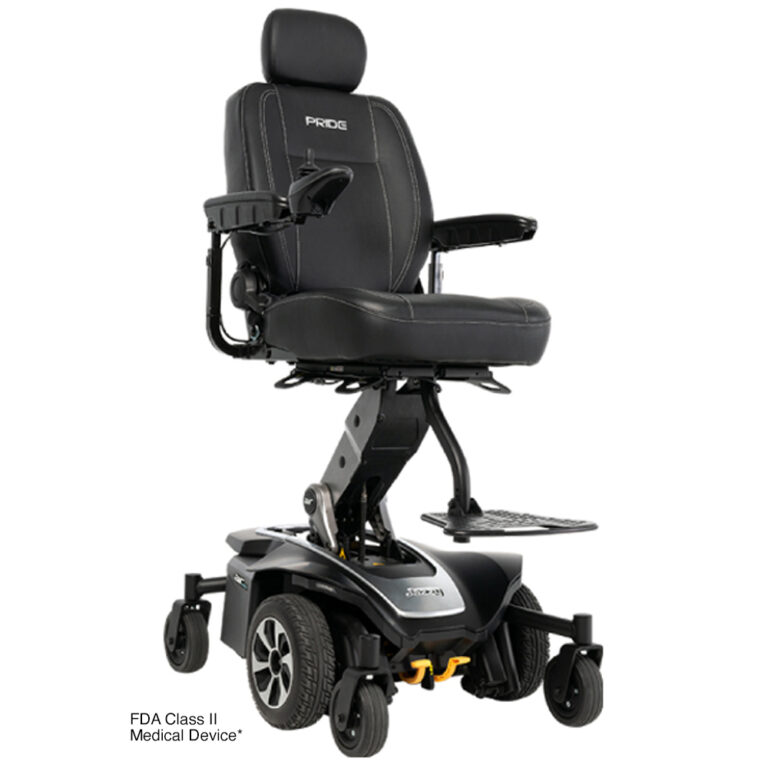
You qualify if a doctor documents that you cannot safely use a manual wheelchair.
I’ve helped hundreds of patients and caregivers navigate how do you qualify for an electric wheelchair. This guide breaks the steps down. It explains medical rules, tests, paperwork, and insurance hurdles in plain language. Read on to learn exactly what doctors, therapists, and payers look for so you can move forward with confidence.
Understanding eligibility and the core idea
How do you qualify for an electric wheelchair starts with medical need. Insurers and Medicare want proof that a power chair is required for daily living. The core idea is simple: you must be unable to use a standard manual chair safely and effectively. Clear, current documentation from your care team is the key to approval.

Medical criteria insurers and Medicare use
Medicare and most insurers require that the electric wheelchair be "medically necessary." This means a licensed clinician must state that a power chair is needed for mobility. Common reasons include severe weakness, poor endurance, balance problems, or a condition that makes safe transfers impossible. Your clinician should link the need to daily tasks like moving in the home, going to appointments, and completing self-care.
Functional assessments and tests
Insurers expect objective tests and notes that show your limits. Typical assessments include:
- Timed walking or distance tests showing inability to walk safely.
- Transfer assessments showing the need for a seated device.
- Strength and balance exams that document fall risk.
A physical or occupational therapist often performs these tests and writes a recommendation. This functional data answers the key question: can you complete daily life without a power chair?
Source: pridemobility.com
Documentation you must gather
Paperwork matters. The usual documents needed are:
- A written prescription and face-to-face exam note from your physician stating the specific need for a power wheelchair.
- A detailed therapist evaluation that documents functional limits and home mobility needs.
- A written plan showing use inside the home and details on how a power chair will improve safety and independence.
Keep copies of all notes, test results, and letters. Clear, dated records speed approval and avoid denials.
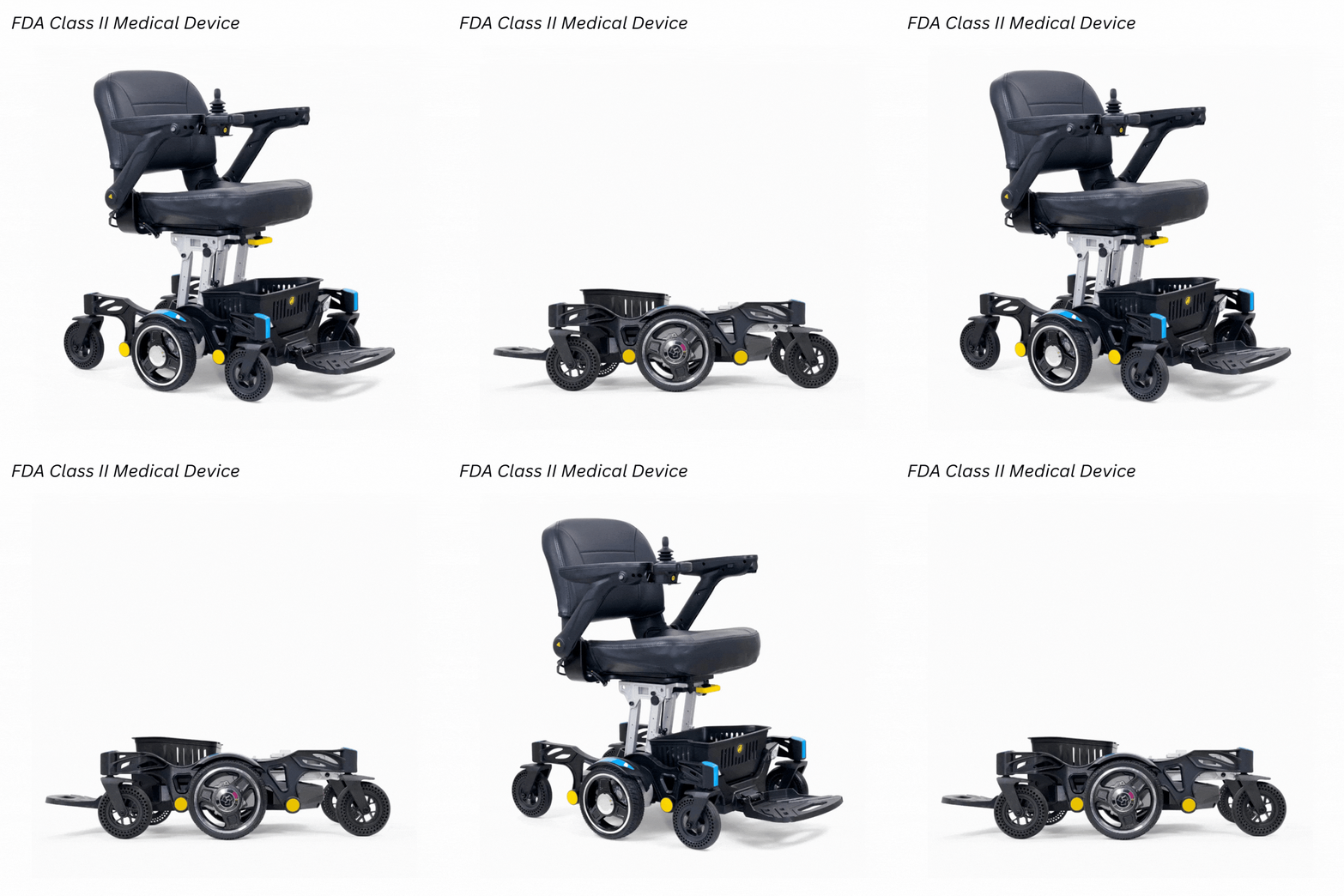
Source: goldentech.com
Insurance, Medicare, and Medicaid rules explained
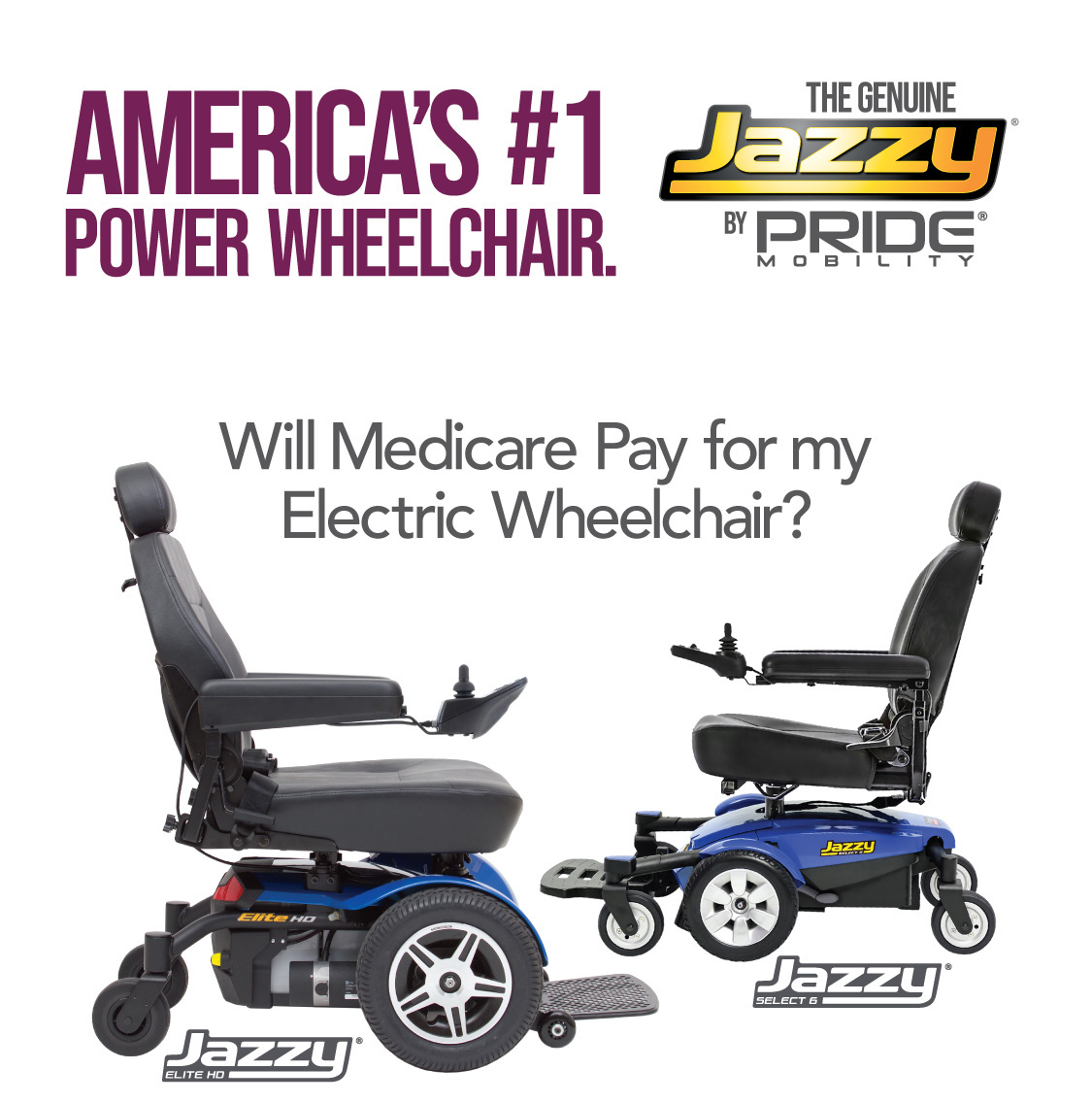
How do you qualify for an electric wheelchair depends on your payer. Medicare Part B covers power wheelchairs as durable medical equipment when they are medically necessary. Medicaid and private insurers have similar rules but may add prior authorization steps. Common rules include:
- Proof of face-to-face visit with a prescriber within a set time frame.
- A trial or demonstration by a mobility vendor in many cases.
- Prior authorization with clinical notes to support the request.
Always check your plan for specific rules on coverage, vendor lists, and rental vs purchase options.
Types of electric wheelchairs and what insurers consider
Choosing the right type helps your case. Insurers review whether a basic power chair or a specialty model is needed. Main categories are:
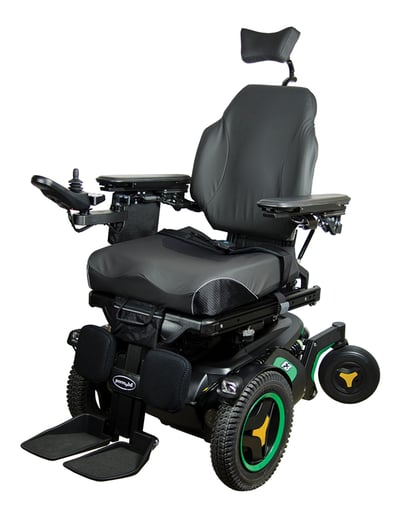
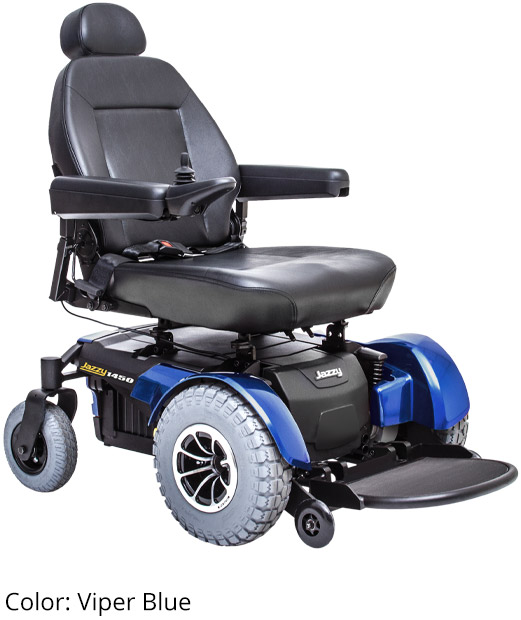
- Rear-wheel, mid-wheel, front-wheel power chairs for home or community use.
- Portable power chairs for travel.
- Specialized seating systems for posture, pressure relief, or complex needs.
Document why a specific feature is needed. For example, a tilt or custom seat may be required to manage pain or skin breakdown.
Step-by-step process to apply and qualify
Follow clear steps to improve approval odds:
- Get a visit with your primary doctor to document need.
- Schedule a therapist evaluation for function and transfers.
- Ask for a written prescription that names the device and medical reasons.
- Work with a reputable mobility vendor who handles paperwork and trials.
- Submit prior authorization if required and follow up on the claim.
Persistence pays. Clear notes and fast follow-up reduce delays and denials.
Common mistakes and how to avoid denials
Many denials come from missing or vague notes. Avoid these mistakes:
- Using broad phrases like "needs mobility aid" without details.
- Missing recent assessments or a face-to-face visit within required time windows.
- Not documenting how a power chair helps specific daily tasks.
If denied, request the reason in writing, get missing notes, and appeal with added details from your therapist and doctor.
Real-world tips and personal experience
I worked with patients for years to secure the right chair. A few lessons stand out. First, start documentation early. If you know you struggle walking or transferring, ask your clinician to start notes now. Second, pick a vendor who knows insurance rules. They save time by submitting correct forms and arranging trials. Finally, be patient and persistent. Appeals often succeed with a single, clarified therapy note. These steps cut stress and get people the independence they need.
PAA-style quick questions
How long does approval take? Approval time varies. It can take a few days to several weeks depending on the payer and need for prior authorization.
Will I need a home assessment? Often yes. A therapist or vendor may check door widths, ramps, and living space to ensure the chair fits and is safe.
Do I have to try a chair before approval? Many insurers ask for a trial or demonstration to confirm the chair meets your needs and that you can operate it safely.
Frequently Asked Questions of How do you qualify for an electric wheelchair
What medical conditions typically qualify someone for an electric wheelchair?
Conditions that cause severe mobility loss, such as spinal cord injury, advanced neuromuscular disease, severe arthritis, or stroke, commonly qualify. The key is documented inability to safely use a manual chair.
Does Medicare cover electric wheelchairs and what is required?
Medicare Part B may cover electric wheelchairs if a doctor and a therapist document medical necessity and the required paperwork is submitted. A face-to-face exam and prior authorization may be needed.
How long does the qualification and approval process usually take?
The timeline ranges from a few days to several weeks, depending on insurer rules, need for additional tests, and prior authorization steps. Faster processing happens with complete, clear documentation.
Can I rent an electric wheelchair before buying one?
Many insurers offer rental options, especially for temporary needs. Rentals may be converted to purchases if long-term need is shown.
What happens if my request for a power chair is denied?
You can appeal the decision. Gather missing clinical notes, a detailed therapist evaluation, and a clear letter from your doctor explaining why the chair is medically necessary, then resubmit.
Do I need a therapist evaluation even if my doctor prescribes a power chair?
Yes. A therapist evaluation is usually required to document functional limits, transfers, home mobility, and how the chair will help day-to-day tasks.
Are customized seating and special features covered?
Special features may be covered if clinical documentation shows medical need, such as pressure relief, postural support, or severe contractures. Detailed notes help justify these upgrades.
Conclusion
Qualifying for an electric wheelchair is a process you can manage. Start with clear medical notes, get a therapist assessment, and work with a vendor who knows insurance rules. Document how a power chair improves safety and independence at home. Take action now: speak with your clinician, request a therapy evaluation, and keep good records. If you found this helpful, share your story or questions below, or subscribe for more practical guides on mobility and care.

Michael Reynolds is a senior contributor at RetirementGazette.com, where he focuses on helping readers navigate the journey toward a secure and fulfilling retirement. With over a decade of experience in personal finance, retirement planning, and lifestyle writing, Michael combines practical strategies with easy-to-understand guidance tailored for both pre-retirees and those already enjoying their golden years.