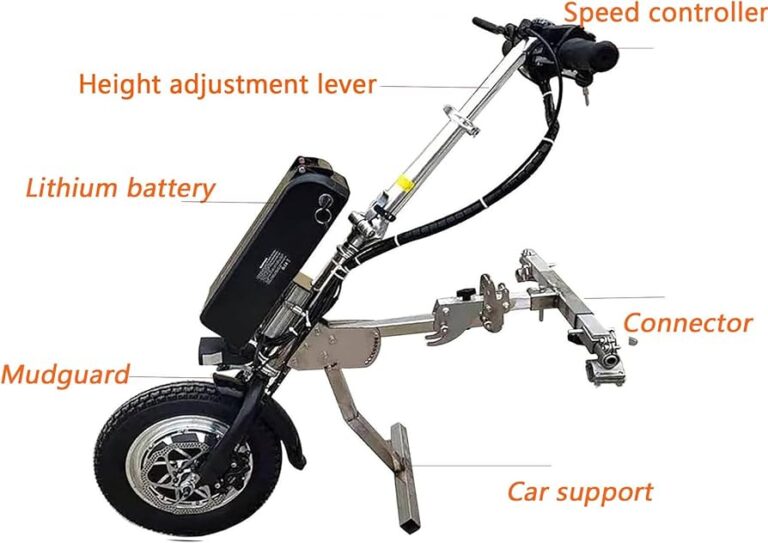
Electric wheelchairs use batteries, motors, and electronic controllers to drive, steer, and brake.
I’ve worked with mobility tech for years, and I’ll explain how electric wheelchairs work in clear, practical terms you can use. This guide breaks down the mechanics, electronics, types, operation, maintenance, and buying tips. Read on for hands-on insights, safety tips, and lessons from real-world use to help you choose or use a powered chair with confidence.

How electric wheelchairs work: basic principles
At their core, electric wheelchairs convert stored electrical energy into motion. A battery supplies power. Motors turn the wheels. Electronic controls tell the motors what to do. Sensors and safety systems help manage speed and braking.
Key ideas to remember:
- Power flow: battery → controller → motor.
- Control input: user joystick or switches tell the controller what to do.
- Feedback: sensors monitor speed, battery level, and obstacles.
Understanding these basics makes it easier to learn features and troubleshoot common issues.
Main components and their roles
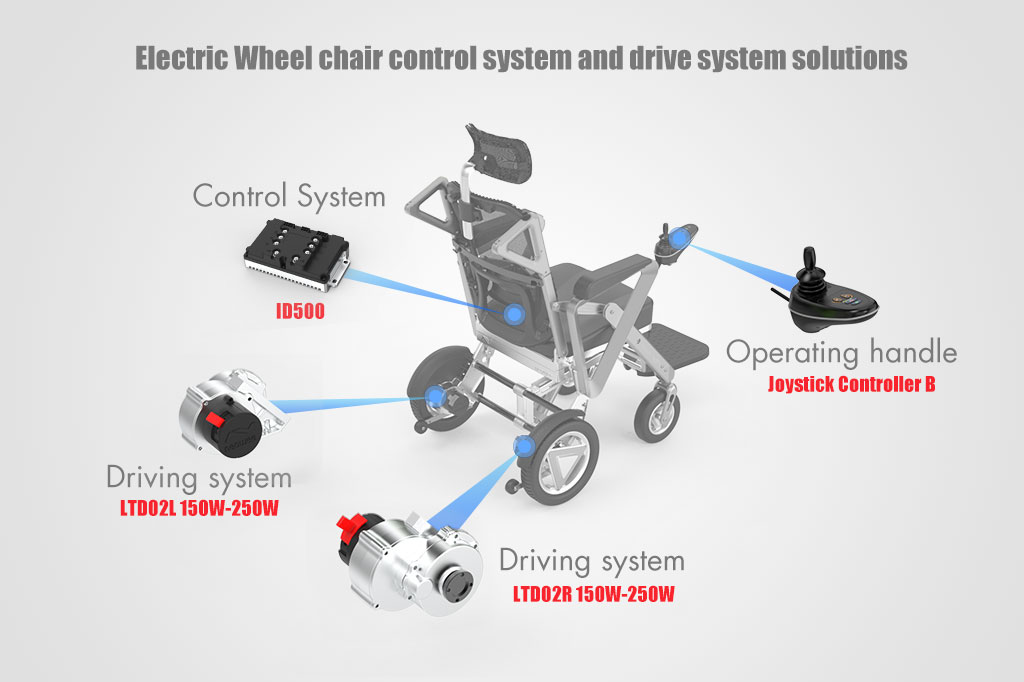
Every powered chair has a few standard parts. Each plays a clear and simple role in how electric wheelchairs work.
- Battery
- Stores energy. Usually deep-cycle lead-acid or lithium-ion.
- Provides voltage and current for motors and electronics.
- Motors
- Drive wheels. Can be hub motors or mid-wheel motors.
- Provide torque for starting, climbing, and changing speed.
- Controller
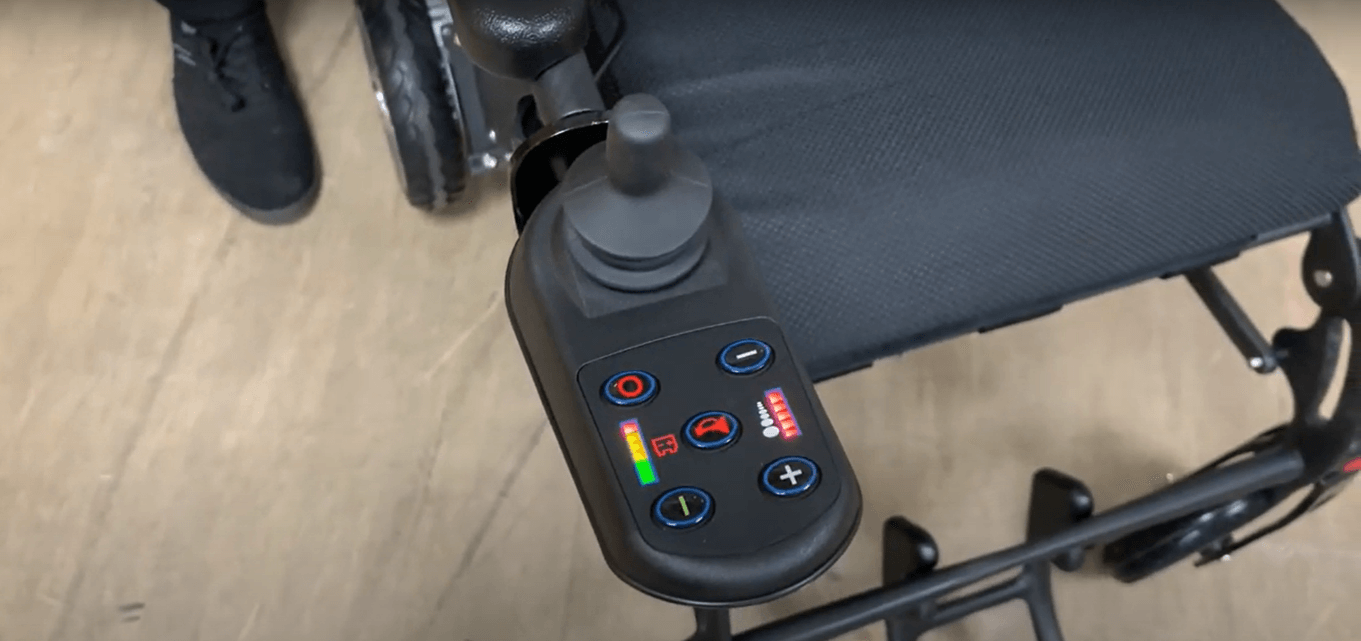
- Acts as the brain. Translates joystick commands to motor power.
- Manages safety limits and regenerative braking in some models.
- Joystick and switches
- User interface for direction and speed.
- May include programmable settings for sensitivity.
- Frame and seating
- Support structure and comfort features. Affect stability and fit.
- Wheels and brakes
- Drive wheels propel. Casters guide direction.
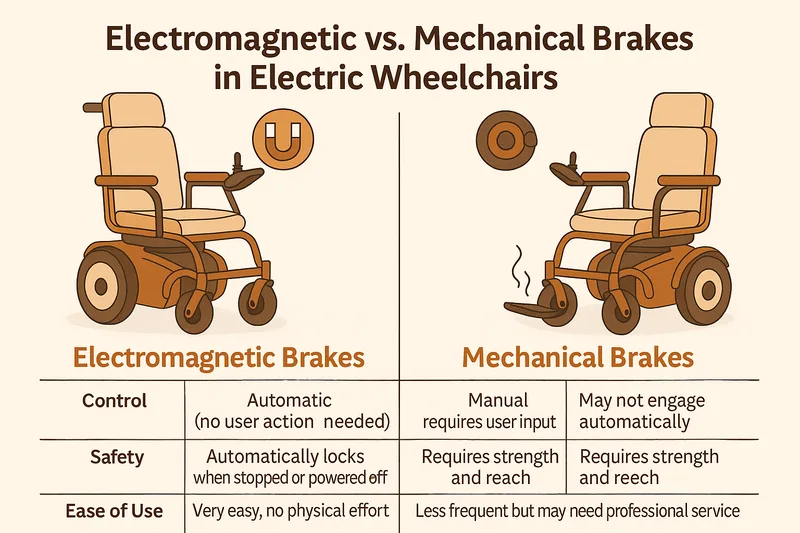
- Electromagnetic or mechanical brakes hold position when stopped.
Knowing these parts helps you understand repairs, upgrades, and daily use.

Electronics and control systems explained
The controller is central to how electric wheelchairs work. It uses electronic circuits and software to manage motion smoothly and safely.
- Pulse-width modulation (PWM)
- A common method controllers use to regulate motor speed.
- Rapidly turns power on and off to control average voltage.
- Safety software
- Limits top speed and power for stability.
- Detects faults and cuts power if needed.
- Sensors
- Battery voltage, motor temperature, and wheel encoders provide feedback.
- Allow precise speed control and diagnostics.
Simple analogy: the controller is like a car’s transmission and computer in one box. It matches user input to motor output safely.
Types of electric wheelchairs and how they differ
Different designs change how electric wheelchairs work in practice. Choice depends on terrain, indoor use, and user needs.
- Rear-wheel drive
- Good for straight-line stability and outdoor use.
- Longer turning radius.
- Mid-wheel drive
- Best indoor maneuverability and tight turns.
- Excellent traction on flat surfaces.
- Front-wheel drive
- Strong on inclines and uneven ground.
- Balanced steering but larger turning circle than mid-wheel.
- Power scooters vs. power wheelchairs
– Scooters are simpler, good for outdoor travel.- Electric wheelchairs typically offer more support and customizable seating.
Choosing the right type makes daily life easier and safer.

Operating an electric wheelchair: practical tips
Learning how electric wheelchairs work helps you operate them better. Follow these practical tips.
- Start slowly
- Practice in a safe space before heading outside.
- Learn joystick sensitivity
- Small moves give fine control; larger pushes increase speed.
- Be aware of terrain
- Ramps, curbs, and soft ground need care and planning.
- Use seatbelts and anti-tip devices when needed
- They improve safety on slopes and uneven surfaces.
Real users say practice and patience are the most important skills.
Maintenance, troubleshooting, and safety
Regular care keeps a powered chair reliable. Understanding how electric wheelchairs work helps spot problems fast.
Routine tasks:
- Charge the battery after daily use.
- Inspect tires for wear and proper pressure.
- Check wiring and connectors for corrosion or looseness.
- Schedule yearly professional service for motors and controllers.
Common problems and quick checks:
- Loss of power: check battery charge and connections.
- Jerky movement: inspect joystick calibration and motor wiring.
- Strange noises: tighten loose parts and test wheel bearings.
Safety tips:
- Avoid water exposure to electronics.
- Do not overload the chair beyond its weight limit.
- Use recommended chargers to protect battery life.
Source: lith-tech.com
Benefits and limitations
Knowing how electric wheelchairs work helps weigh pros and cons before deciding.
Benefits:
- Increased independence and mobility.
- Less physical strain compared to manual chairs.
- Customizable seating and controls for comfort.
Limitations:
- Weight and size can make transport harder.
- Battery range limits long trips without recharging.
- Higher upfront cost and maintenance needs.
These trade-offs matter when choosing the right model for daily life.
Buying, fitting, and customization advice
Match the chair to daily needs. Proper fit improves comfort and safety. Here’s a checklist I use when advising clients.
- Assess daily use
- Indoor only, outdoor, or mixed use?
- Measure body and transfer needs
- Seat width, depth, and back height are critical.
- Check battery range
- Estimate daily distance and add a safety margin.
- Consider service and warranty
- Local repair options and clear warranty terms matter.
- Test drive models
- Try maneuvers, ramps, and transfers before buying.
Personal note: I once helped a client choose a mid-wheel chair. We prioritized tight indoor turns and wonky flooring. The right fit changed their routine for the better.
Personal experience, tips, and common mistakes
I’ve tested many models and assisted users for years. Here are real lessons that matter.
- Tip: Learn how to read battery health indicators. Early signs of decline save time and money.
- Mistake to avoid: Choosing a chair by looks only. Fit and function matter more.
- Tip: Keep a simple toolkit and spare fuse in your bag.
- Mistake to avoid: Ignoring seat pressure relief. Regular repositioning prevents sores.
These small habits will extend service life and improve daily comfort.
Frequently Asked Questions of How do electric wheelchairs work
How do electric wheelchairs work when the joystick is not moving?
When the joystick is idle, the controller maintains zero power to the motors and engages braking. Some chairs use electronic braking or mechanical brakes to hold position.
How long do batteries last in an electric wheelchair?
Battery life depends on type, capacity, terrain, and load. Typical ranges are 8–20 miles per charge; batteries often last 1–5 years with proper care.
Can electric wheelchairs go up ramps or curbs?
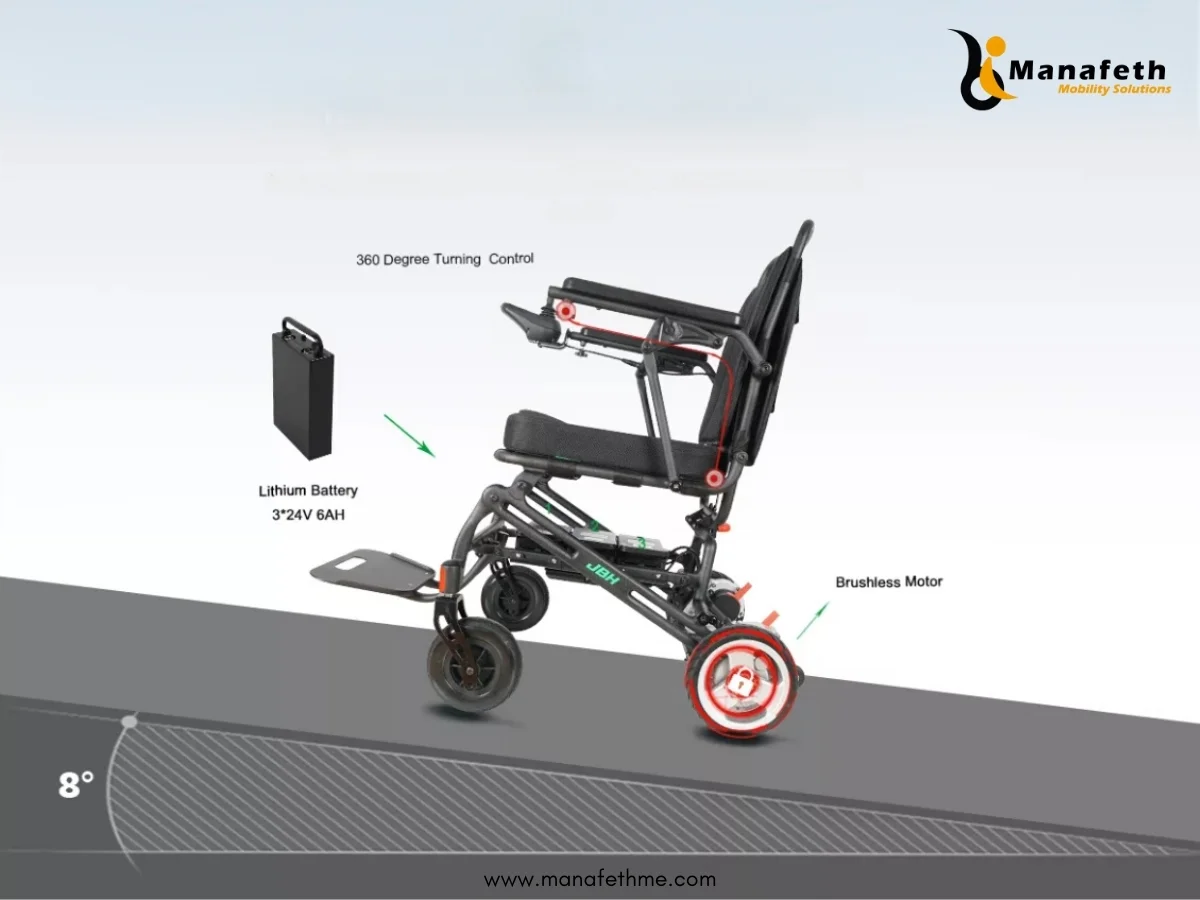
Most powered chairs handle ramps within specified slope limits and small curbs with care. Check the chair’s incline rating and practice safe techniques for curbs.
Are electric wheelchairs safe on wet surfaces?
Electronics and motors are usually water-resistant, not waterproof. Avoid deep water and use caution on wet surfaces to prevent slips and electrical damage.
How do I know when my electric wheelchair needs servicing?
Signs include reduced range, unusual noises, error codes, or unstable movement. Schedule professional service when you notice persistent issues.
Can I fly with an electric wheelchair?
Many airlines accept electric wheelchairs but require advance notice and battery type info. Lithium batteries often have special packaging rules; check with the carrier ahead of time.
Conclusion
Understanding how electric wheelchairs work makes choosing, using, and maintaining them far easier. You now know the key parts, control systems, types, and practical tips to stay safe and independent. Take action: try a test drive, check battery health, or consult a fitter to match a chair to your life. Leave a comment or share your experience below to help others learn from real-world insight.

Michael Reynolds is a senior contributor at RetirementGazette.com, where he focuses on helping readers navigate the journey toward a secure and fulfilling retirement. With over a decade of experience in personal finance, retirement planning, and lifestyle writing, Michael combines practical strategies with easy-to-understand guidance tailored for both pre-retirees and those already enjoying their golden years.