
Measure from the floor to your wrist crease while standing to choose the correct rollator height.
I’ve helped dozens of people find the right rollator. This guide explains exactly how to measure for a rollator walker, why each measurement matters, and how to test fit before you buy. Read on for step-by-step instructions, common mistakes to avoid, and practical tips from real-world fitting experience.
 measurements matter for a rollator walker”
style=”max-width: 100%; height: auto; border: 2px solid black; border-radius: 10px; display: block; margin: 0 auto;”
loading=”lazy”
/>
Why correct measurements matter for a rollator walker
A properly sized rollator improves balance, reduces strain, and helps you walk with confidence. If you get the wrong height or width, you may hunch, reach too far, or put more weight on your wrists. That leads to pain, instability, and less use of the device.
Correct measurements keep posture neutral and let brakes, seat, and storage work as designed. Healthcare professionals and manufacturers recommend fitting the rollator to the user, not the other way around. My experience shows a good fit increases daily walking time and lowers fall risk.
Tools you need before you measure
Keep tools simple and accurate. You won’t need fancy items to measure for a rollator walker.
- Tape measure for millimeter or inch accuracy.
- Flat-backed chair or stool to check seat height.
- A helper to read heights and hold the tape.
- Comfortable shoes you plan to wear daily.
Confirm the unit of measure before you start. Small errors add up, and a helper catches mistakes I once made when measuring alone.

Key measurements and what they mean
Here are the core measurements to take when learning how to measure for a rollator walker.
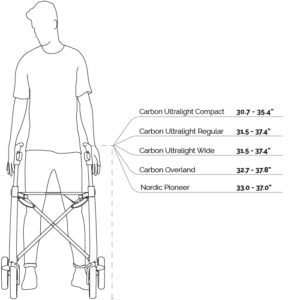
- Handle height (floor to wrist crease)
- Determines how upright your posture will be.
- Seat height (floor to top of seat)
- Affects sit-to-stand ease and comfort.
- Overall width
- Dictates doorway and hallway access.
- Seat depth and backrest height
- Influences comfort while seated.
- Weight capacity
- Ensures safe use and long-term durability.
Take each measurement twice for accuracy. If a measurement falls between settings, choose the taller option for handle height to avoid hunching.

Step-by-step: How to measure for a rollator walker
Follow these steps to get accurate fit numbers.
- Prepare
- Wear the shoes you use daily.
- Stand on a flat surface.
- Measure handle height
- Stand relaxed with arms at your sides.
- Bend elbows slightly (about 15 degrees).
- Measure from the floor to your wrist crease.
- Note the number in inches or centimeters.
- Measure seat height
- Sit on a chair with feet flat and knees at 90 degrees.
- Measure from the floor to the top of your knee or to a comfortable seat height.
- Compare to rollator seat height range.
- Measure overall width
- Measure the widest part of your hips or walker path.
- Verify it fits home doorways and hallways.
- Check weight capacity
- Confirm your body weight plus carried items stay under the rollator limit.
Repeat handle and seat measurements with a helper. During a fitting, adjust the rollator handles to your wrist-crease measurement and sit to verify seat comfort.

How to translate your measurements to rollator settings
Rollator specs list handle height ranges and seat heights. Match your measurements as follows.
- If floor-to-wrist is 33–36 inches, look for rollators adjustable across that range.
- If seat height is 18 inches when you stand up slowly, choose a rollator with a seat around 17–19 inches.
- If you need narrow width for tight homes, pick a rollator listed as compact or narrow.
When measurements fall between increments, choose the setting that preserves upright posture. I once helped a client switch models because the older rollator’s lowest handle setting still felt too high.

Testing fit: practical checks before buying
Testing is critical. Try these quick checks at the store or during delivery.
- Walk 10–15 steps and assess posture and stride.
- Sit and stand from the seat without using the frame for major support.
- Apply the brakes fully and release to confirm easy use.
- Open and close the rollator if it’s foldable.
- Check that elbow angle is slightly bent when hands rest on handles.
If you feel rounded shoulders or wrist pain, adjust height and retest. A trial walk at home for a day or two is ideal when possible.

Common mistakes when measuring for a rollator walker
Avoid these frequent errors I’ve seen in fittings.
- Measuring without shoes or in the wrong shoes.
- Basing handle height on elbow instead of wrist crease.
- Ignoring doorway and home clearance for width.
- Overlooking weight capacity and storage needs.
- Skipping a real walk test before purchase.
Correct these and you’ll get better fit and longer use from your rollator.

Adjusting and maintaining fit over time
People change, and so do needs. Re-check fit when any of these happen.
- New shoes or orthotics.
- Weight gain or loss.
- Changes in strength or balance.
- After six months of regular use.
Keep a maintenance checklist: tighten fasteners, inspect brakes, clean wheels. Adjust handle height as posture or strength changes. A small adjustment can make walking more comfortable and safer.

Buying tips and final checks
When shopping, use your measurements to filter options and ask the seller these questions.
- Does this rollator adjust to my floor-to-wrist measurement?
- What is the minimum and maximum seat height?
- What is the total width and folded width?
- What is the weight capacity and frame material?
- Can I return or exchange after a home trial?
Compare models and read user reviews. I recommend trying a few rollators in person whenever possible. Online specs help, but a short trial tells the real story.
PAA-style questions
How high should rollator handles be set?
Set handles so your wrists are level with the top of the handle when standing relaxed, with a slight elbow bend. This keeps your shoulders neutral and reduces strain.
What if my measurement falls between settings?
Choose the setting that keeps your posture upright. Pick the taller handle setting to avoid hunching forward.
Can seat height be adjusted later?
Some models allow seat height adjustment, others do not. Verify the seat height range before purchase and test sitting to confirm comfort.
Frequently Asked Questions of How to measure for a rollator walker
How do I measure handle height accurately?
Stand upright in your usual shoes and let your arms hang naturally. Measure from the floor to your wrist crease for the ideal handle height.
What is the best way to measure seat height?
Sit on a chair with knees at 90 degrees and measure from the floor to the top of the seat or to the underside of your thigh. Match this to rollator seat specifications for easy sit-to-stand.
How wide should a rollator be for home use?
Measure the narrowest doorway and hallway you use. Choose a rollator narrower than that width so you can pass through comfortably.
How do I check weight capacity for a rollator?
Add your body weight and any items you’ll carry. Ensure the total is below the rollator’s listed maximum weight capacity.
Can I measure a rollator myself at home?
Yes. Use a tape measure and the steps above. Have a helper for more accurate handle and seat readings.
How often should I remeasure my rollator fit?
Reassess whenever your shoes, weight, or mobility change, or at least every six months to stay comfortable and safe.
Conclusion
Measuring for a rollator walker is simple but important. Use a tape measure, check floor-to-wrist and seat height, test width and weight capacity, and always try the rollator in real walking and sitting situations. Small adjustments make big differences in comfort and safety.
Take action today: measure yourself, write down the numbers, and use them to compare models. If possible, test a rollator in person or arrange a short home trial. Share your experience or questions below to help others choose the right fit.

Michael Reynolds is a senior contributor at RetirementGazette.com, where he focuses on helping readers navigate the journey toward a secure and fulfilling retirement. With over a decade of experience in personal finance, retirement planning, and lifestyle writing, Michael combines practical strategies with easy-to-understand guidance tailored for both pre-retirees and those already enjoying their golden years.