
Start an elderly home care business by planning services, meeting regulations, hiring staff, and marketing locally.
I’ve built and consulted on home care programs for seniors, so I know what works and what trips new owners up. This guide shows you exactly how to start an elderly home care business, step by step. You will get practical checklists, legal and financial advice, hiring tips, and real-world lessons I learned on the job. Read on to turn a caring idea into a safe, compliant, and profitable service that helps older adults live better at home.

Market opportunity and choosing your services
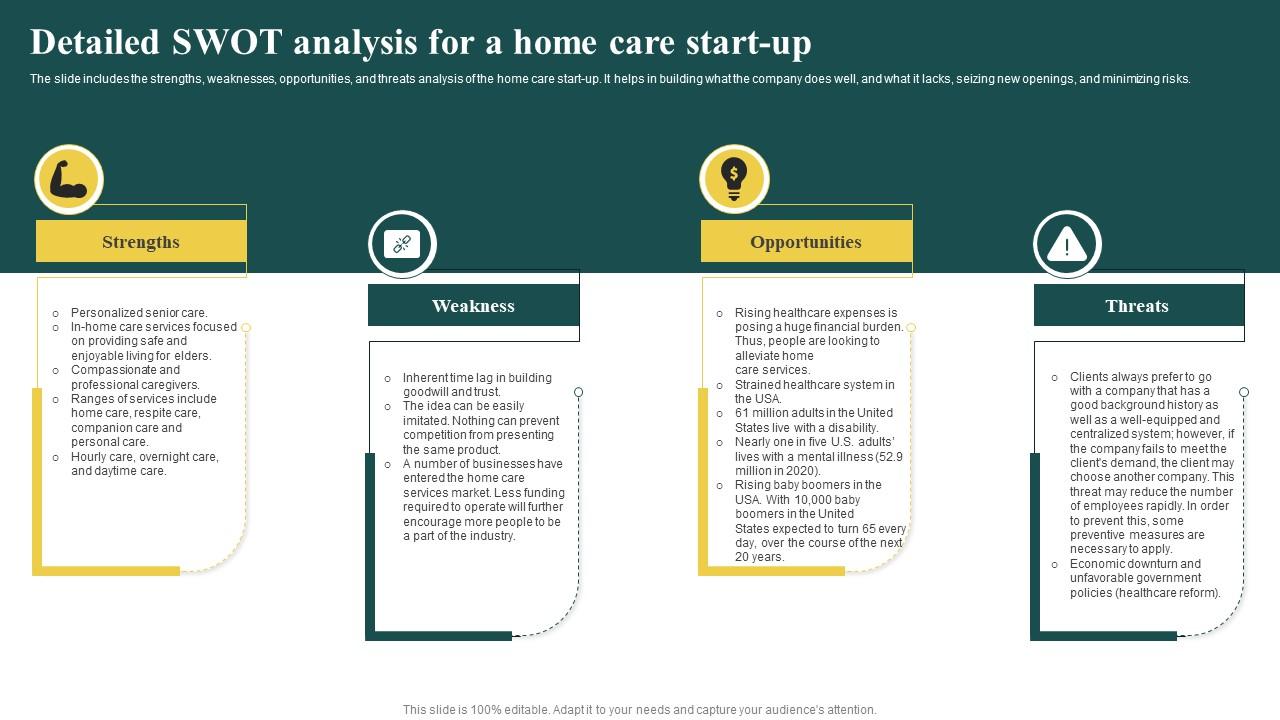
Understanding local demand is the first practical step in how to start an elderly home care business. Research who needs care, what services they need, and what competitors offer. Look at demographics, income levels, and existing agencies in your area.
Decide which services to offer. Common options include:
- Personal care: bathing, dressing, toileting.
- Companion care: conversation, meal prep, errands.
- Skilled care: nursing, wound care, medication management (requires licensure).
- Specialized services: dementia care, palliative support, post-surgery care.
Match services to demand. If your area has many seniors living alone, companion and personal care may sell fast. If hospitals discharge patients early, post-op skilled care may be valuable. Conduct short interviews with families and local discharge planners to validate ideas.

Legal and regulatory requirements
Compliance is central when you learn how to start an elderly home care business. Rules vary by state, so confirm state licensing and certification needs. You may need a home care license, a business license, and potential Medicare/Medicaid enrollment.
Key legal steps:
- Register your business entity (LLC, corporation, or sole proprietorship).
- Apply for state home care license if required.
- Get employer identification (EIN) and register for payroll taxes.
- Carry liability insurance, worker’s compensation, and bonding.
- Create client contracts, consent forms, and privacy policies that match HIPAA rules.
Failing to follow rules can halt operations or cost fines. I once helped a startup that paused services because it missed a local registry step. Double-check every required form before opening.

Business planning and financing
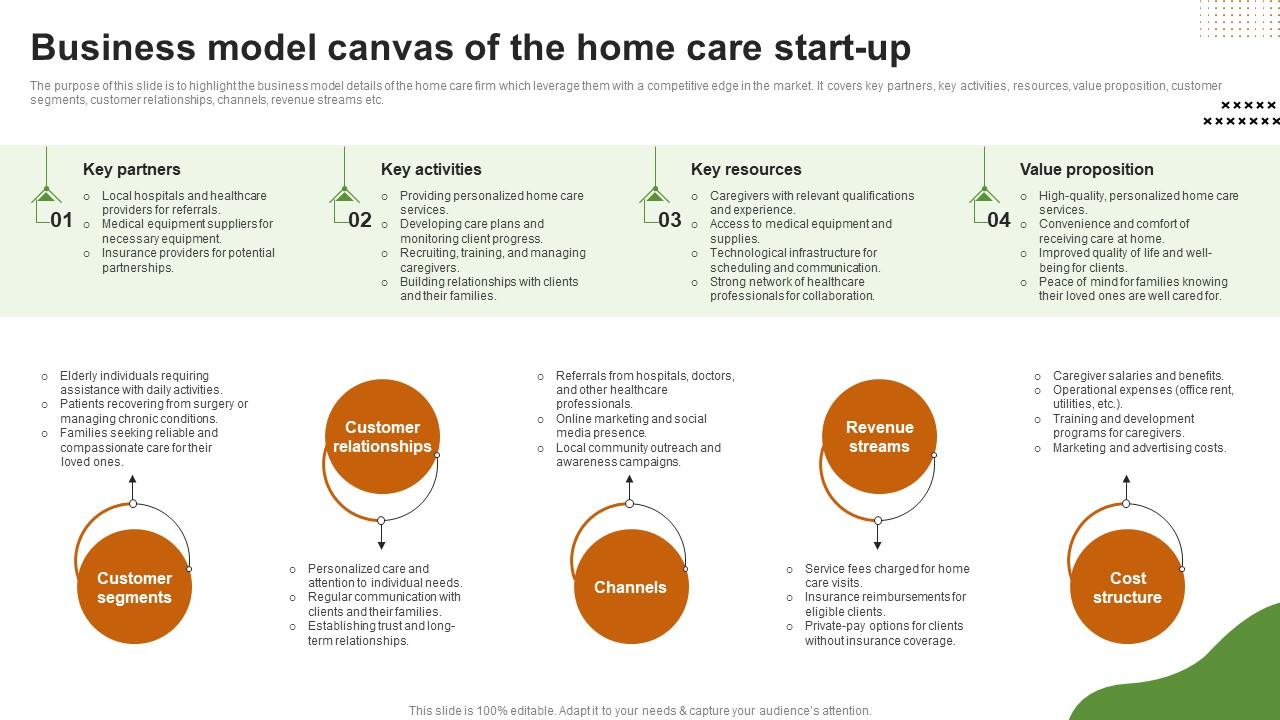
A clear plan strengthens your launch when you want to know how to start an elderly home care business. Draft a simple business plan that covers services, pricing, target market, staffing, and financial forecasts. Keep the plan concise and realistic.
Funding options:
- Personal savings or family loans.
- Small business loans or lines of credit.
- SBA-backed loans for qualified owners.
- Grants or investments from health-focused funds.
Estimate start-up costs. Typical items include licensing fees, insurance, payroll for initial staff, marketing, office equipment, and training. Plan for 3–6 months of operating cash to cover payroll while you build clients. I recommend conservative revenue estimates—new client ramp-up often takes longer than expected.

Operations: location, equipment, and technology
Decide whether to run from home or lease a small office. Many home care businesses start remote and use a small office later. Choose a central location if you expect staff to meet there.
Operations checklist:
- Scheduling and care management software to track visits and notes.
- Secure client records system that meets privacy standards.
- Standardized care plans and intake forms.
- Reliable transportation plan for staff to reach clients.
- Supplies: personal protective equipment, first-aid kits, and basic mobility aids.
Technology is a force multiplier. Simple software for scheduling and billing reduces errors. I’ve used cloud-based tools that cut admin time in half. Start with one integrated platform to avoid duplicate work.
Hiring, training, and building culture
People are the product in home care, so hiring is core to how to start an elderly home care business. Hire caregivers with empathy and reliability. Screen for background checks, references, and basic clinical skills if needed.
Hiring and training steps:
- Write clear job descriptions with duties and shift expectations.
- Use structured interviews and practical skills checks.
- Provide orientation that covers company values, safety, and documentation.
- Offer ongoing training on dementia, fall prevention, and infection control.
- Create a feedback loop and supervisor visits to maintain quality.
Build a culture of respect and support. Caregivers with strong morale reduce turnover and improve client outcomes. A simple recognition program goes a long way. From my experience, investing in training reduces errors and enhances referrals.

Marketing and sales strategies
To grow, you must market gently and build trust when learning how to start an elderly home care business. Families choose agencies that feel safe, competent, and local. Focus on reputation and relationships more than flashy ads.
Effective marketing tactics:
- Build a clear, informative website with services, pricing ranges, and contact info.
- Collect client testimonials and case examples (with permission).
- Network with discharge planners, social workers, and senior centers.
- Use local SEO and targeted Google Ads to capture people searching for care.
- Offer free educational workshops or downloadable guides for families.
Track leads and referral sources. I recommend asking every new client how they heard about you. That simple step revealed our best referral partners early on and helped us double client intake in six months.
Quality, risk management, and compliance systems
Quality and safety keep clients and regulators satisfied when you run an elderly home care business. Establish clear policies and checklists for care delivery. Monitor care quality with audits and client surveys.
Risk management items:
- Incident reporting and follow-up process.
- Regular supervisor ride-alongs or remote visit checks.
- Medication management protocols and training.
- Emergency preparedness plans for clients and staff.
Transparency builds trust. Share quality metrics with families and use corrective action plans when issues arise. This approach improved client retention in my practice and reduced liability exposure.

Pricing, billing, and insurance navigation
Set pricing that covers costs and stays competitive. Common models include hourly rates, flat visit fees, and packaged care plans. Research local rates and position your services accordingly.
Billing and payment tips:
- Offer clear invoices and explain payment expectations up front.
- Accept private pay, long-term care insurance, and explore Medicaid waivers if eligible.
- Track accounts receivable and follow a polite collection policy.
If you plan to bill Medicare or Medicaid, learn the documentation requirements. Errors in care notes can delay payments. Accurate, timely documentation is both a quality and financial tool.
Scaling and long-term growth
Plan how you will scale once the business stabilizes. Growth can be geographic, service-based, or through partnerships. Choose one path at a time to stay focused.
Scaling strategies:
- Open new branches in nearby towns.
- Add specialized services like nursing or therapy.
- Partner with assisted living facilities for overflow care.
- Invest in training and middle-management to supervise more caregivers.
Expect growing pains. When I expanded a small agency, early delegation and systems saved hours each week. Hire a strong operations manager before scaling too fast.
Common short questions readers ask (PAA-style)
What license do I need to start a home care agency?
Licensing depends on state rules; many states require a home care or personal services agency license. Check state health department or licensing board for exact steps.
How much does it cost to start a small home care business?
Start-up costs vary widely but often range from several thousand to tens of thousands of dollars. Major costs are licensing, insurance, payroll reserves, and marketing.
Can I start with part-time caregivers?
Yes. Many agencies begin with part-time caregivers and build a stable roster over time. Ensure schedules and training remain consistent for quality care.
Frequently Asked Questions of How to start an elderly home care business
What is the first step to start an elderly home care business?
Begin with market research to confirm local demand and select the services you will offer. Then register your business entity and check state licensing requirements.
How do I legally register and license the business?
Register with your state’s business filing agency and apply for any required home care licenses through the state health department. Obtain an EIN and necessary local permits.
How much should I charge for home care services?
Base rates on local market research, your cost structure, and service complexity; typical ranges vary widely by region. Offer clear pricing tiers for hourly, nightly, and specialized care.
How do I find and retain quality caregivers?
Recruit via local job boards, training schools, and referrals. Offer fair pay, regular training, feedback, and recognition to reduce turnover and keep morale high.
Do I need special insurance for a home care agency?
Yes. Carry general liability, professional liability, and worker’s compensation insurance at minimum. Consider bonding and cyber liability for client data protection.
Can I bill Medicare or Medicaid for in-home care?
Billing depends on services and state rules; some skilled services can be billed to Medicare, while Medicaid programs vary by state. Learn documentation and eligibility rules before offering billable skilled services.
How long does it take to become profitable?
Profitability timelines vary, often 6–18 months, depending on market, pricing, and initial funding. Conservative planning and steady client growth shorten the timeline.
What mistakes should new owners avoid?
Common mistakes are underestimating operating cash needs, skimping on training, ignoring compliance, and poor scheduling systems. Fix these early to avoid service and legal problems.
How can I build trust with families quickly?
Be transparent about services, cost, and caregiver screening. Provide trial shifts, references, and clear care plans to earn trust fast.
Conclusion
Starting an elderly home care business is a mix of heart and hard work. Focus on clear planning, legal compliance, hiring great caregivers, and honest marketing to build a service families trust. Start small, invest in quality systems, and scale with strong managers and processes. Take one step today: draft a simple business plan or call your state licensing office. If you’re ready to help seniors live safer, fuller lives at home, begin with a plan and keep improving every day. Leave a comment, subscribe for updates, or share your launch questions below.

Michael Reynolds is a senior contributor at RetirementGazette.com, where he focuses on helping readers navigate the journey toward a secure and fulfilling retirement. With over a decade of experience in personal finance, retirement planning, and lifestyle writing, Michael combines practical strategies with easy-to-understand guidance tailored for both pre-retirees and those already enjoying their golden years.