Older adults need rest, prompt medical evaluation, careful monitoring, and tailored rehab after a concussion.
As a clinician and caregiver who has managed brain injuries in older patients, I know how unsettling a concussion can be for families and seniors. This guide explains how to treat a concussion in the elderly with clear steps, evidence-based recommendations, and practical tips you can use right away. You’ll learn how to recognize symptoms, when to seek emergency care, what tests and treatments to expect, and how to support recovery at home. Read on to get confident, actionable advice on how to treat a concussion in the elderly and reduce risks of complications.
Understanding concussions in older adults
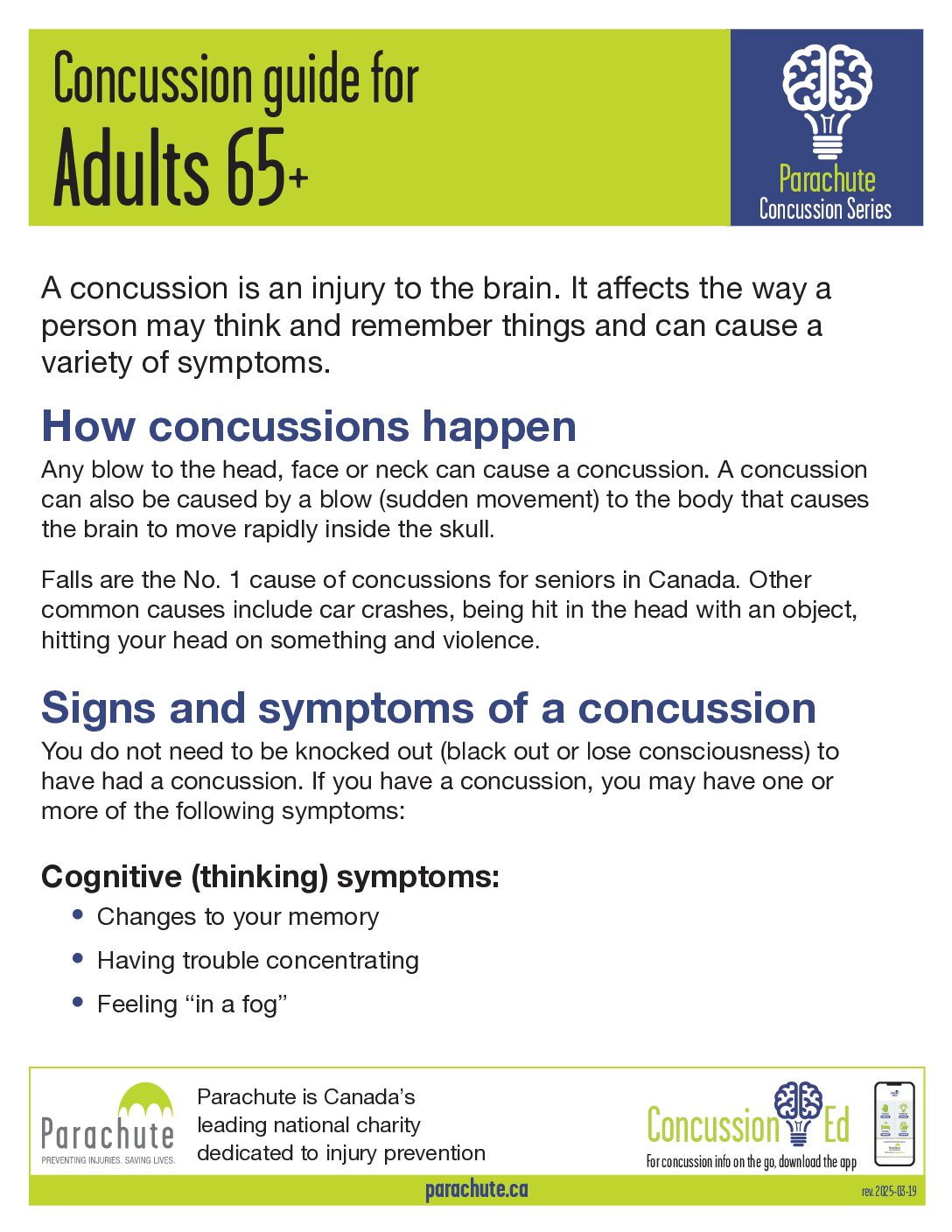
A concussion is a mild traumatic brain injury caused by a bump, blow, or jolt to the head. In older adults, the brain is more vulnerable due to age-related changes such as brain atrophy, fragile blood vessels, and common blood-thinning medications. These factors make recognizing and treating concussions in seniors different from younger adults.
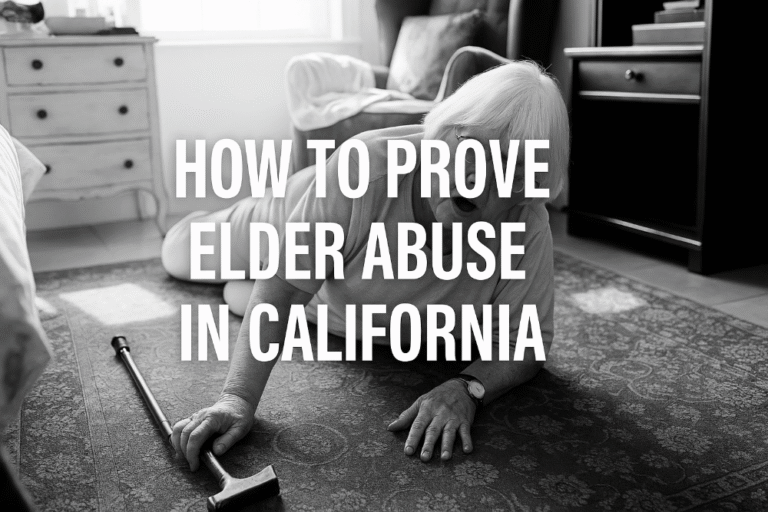
Knowing how to treat a concussion in the elderly begins with understanding risks. Falls are the main cause. Other causes include motor vehicle crashes and sudden hits. Older patients often show subtle or delayed symptoms. That’s why vigilance matters.

Recognizing symptoms and when to seek help
Symptoms can be immediate or delayed. Watch for:
- Confusion, memory gaps, or disorientation
- Headache, dizziness, or blurred vision
- Nausea or vomiting
- Slurred speech or slowed thinking
- Balance problems or new weakness
- Mood changes, sleep disruption, or increased fatigue
Loss of consciousness can occur but is not required for a concussion diagnosis. Because older adults may under-report symptoms or attribute them to other conditions, family and caregivers must observe behavior closely.
Seek emergency care immediately if you notice:
- Worsening headache, repeated vomiting, or seizures
- Unequal pupil size or increasing confusion
- Weakness on one side, slurred speech, or loss of consciousness
- Any sign of bleeding, especially if on blood thinners
Early action is a key part of how to treat a concussion in the elderly. Quick assessment reduces the chance of missed serious injury.

Immediate first aid and emergency response
If a fall or head injury occurs, follow these steps:
- Stay calm and keep the person still. Limit neck movement until you know there’s no serious injury.
- Check responsiveness, breathing, and pulse. Call emergency services if unresponsive or breathing is abnormal.
- Apply basic first aid for wounds. Control bleeding with gentle pressure.
- Keep the person warm and comfortable. Avoid giving food, drink, or medications unless instructed.
- Note the time of injury and any symptoms. Share this with emergency staff.
If the person is on blood thinners, tell responders. Anticoagulants raise the risk of internal bleeding and may change imaging or treatment decisions. These steps form the first line of how to treat a concussion in the elderly safely.
Medical evaluation and diagnostic tests
A medical exam should follow any suspected concussion in an older adult. Evaluation commonly includes:
- Detailed history of the injury and prior medical conditions
- Neurological exam assessing mental status, coordination, and cranial nerves
- Cognitive testing to check memory, attention, and orientation
- Imaging tests such as CT scan when serious injury or bleeding is suspected
Consider CT imaging more often in older adults than in younger people because of higher risk of intracranial bleeding. Blood-thinning medications, worsening symptoms, or focal neurological signs are common triggers for immediate imaging. This careful diagnostic approach guides how to treat a concussion in the elderly appropriately.

Treatment and recovery plan
Treatment focuses on symptom management, safety, and gradual return to activity. Key elements include:
- Rest for the first 24–48 hours, with light activities encouraged after that
- Pain control with acetaminophen; avoid ibuprofen or aspirin if bleeding risk exists
- Close monitoring for cognitive decline or new neurological signs
- Adjustments of medications that can worsen dizziness or confusion
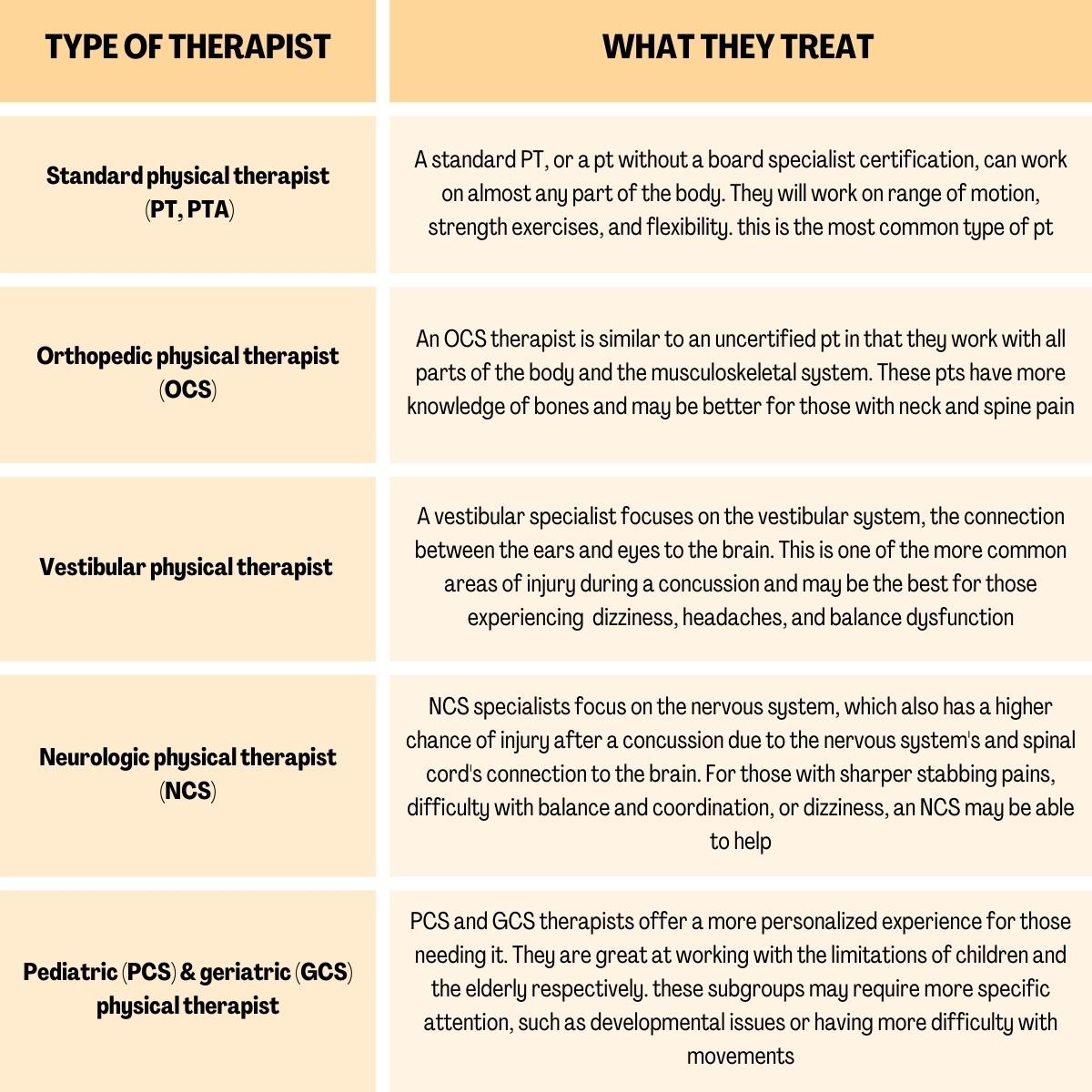
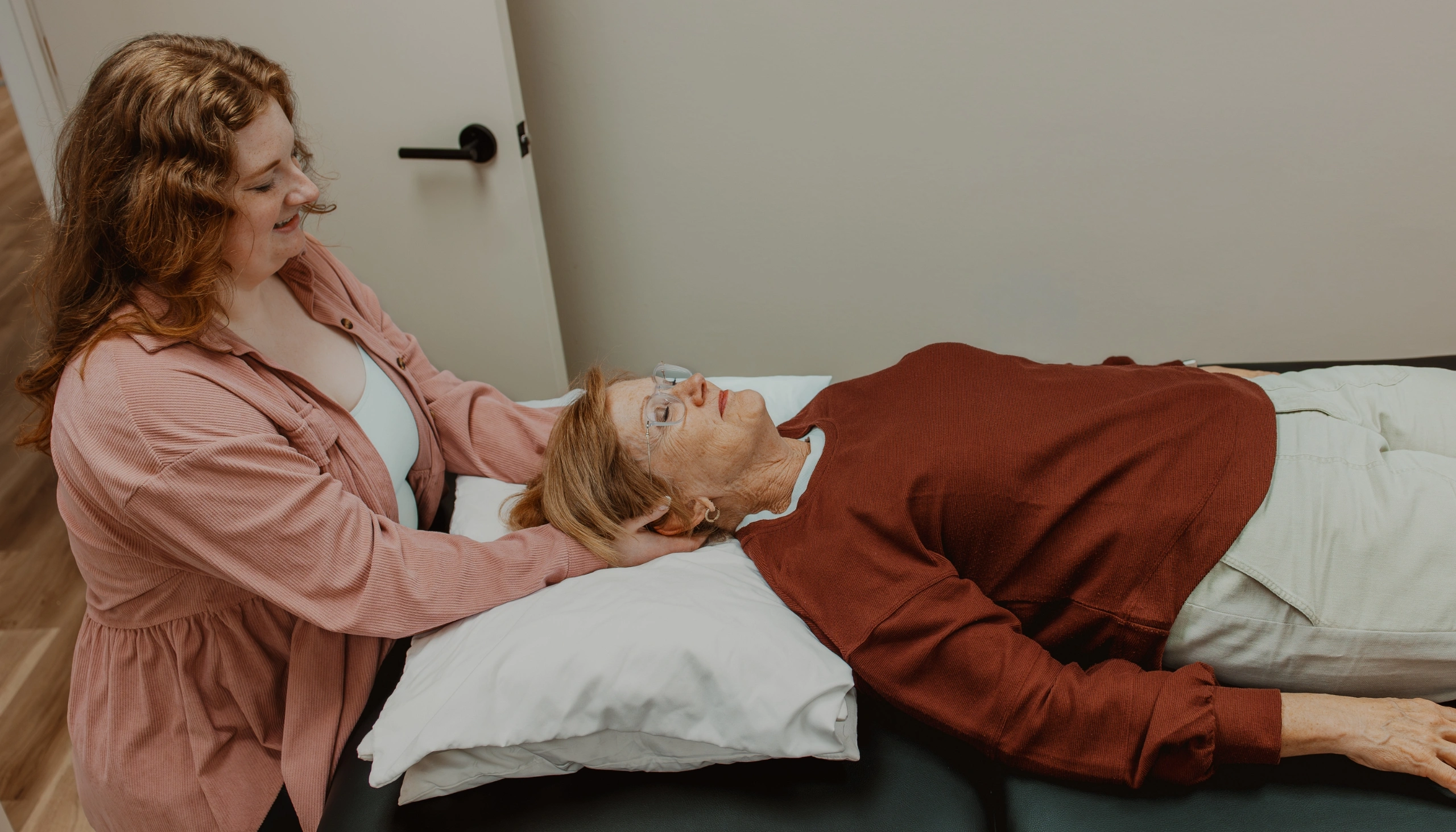
- Referral to physical therapy or vestibular rehab for balance issues
- Cognitive rehabilitation for persistent memory or thinking problems
Expect recovery to take longer in older adults. Some seniors have symptoms that last weeks to months. Creating a written care plan and scheduling follow-up visits is central to how to treat a concussion in the elderly.

Home care and monitoring after concussion
At-home care supports healing and prevents complications. Tips include:
- Create a quiet environment with low light and minimal stimulation
- Encourage sleep and regular, gentle activity as tolerated
- Monitor for worsening headache, increased confusion, vomiting, or new weakness
- Keep a symptom log noting changes, medications, and sleep patterns
- Limit driving and complex tasks until cleared by a clinician
- Ensure hydration, balanced nutrition, and bowel regularity to avoid added strain
If symptoms worsen or new signs appear, return to the emergency department. Persistent or worsening symptoms are reasons to escalate care. Good home monitoring is essential in how to treat a concussion in the elderly.
Preventing future concussions in the elderly
Prevention reduces repeat injuries and long-term problems. Strategies include:
- Fall-proof the living space: remove rugs, add grab bars, improve lighting
- Review medications with a clinician to reduce dizziness or sedation
- Strength and balance training, such as tai chi or supervised PT
- Vision and hearing checks to correct deficits that increase fall risk
- Use mobility aids and proper footwear
- Educate family and caregivers about safe transfers and fall response
Preventative steps are a key part of thinking ahead about how to treat a concussion in the elderly by avoiding the next one.
Personal experience and lessons learned
Over years of clinical practice, I have seen small changes make a big difference. One patient recovered faster after we adjusted a sedating medication and started balance exercises. Another family avoided hospital readmission by keeping a detailed symptom log and following up early.
Lessons I learned:
- Trust caregiver observations; they spot subtle decline.
- Communicate with all providers about blood thinners and fall risk.
- Don’t rush return to normal activities; gradual progress prevents setbacks.
These real-world tips show practical ways to apply how to treat a concussion in the elderly while keeping safety and dignity at the center.
Frequently Asked Questions of How to treat a concussion in the elderly
How soon should an elderly person see a doctor after a head injury?
See a clinician immediately if there are worrying signs like vomiting, severe headache, confusion, or fainting. If symptoms are mild, schedule same-day evaluation to rule out serious injury and begin monitoring.
Can medications affect concussion recovery in seniors?
Yes. Blood thinners, sedatives, and some heart medicines can increase bleeding risk or worsen dizziness. Review all medications with a provider to adjust dosing or pause certain drugs if needed.
Is rest or activity better during recovery?
Short rest for 24–48 hours is recommended, then gradual return to light activity as tolerated. Over-rest can slow recovery, while too-rapid activity can worsen symptoms; balance is key.
When should I expect symptoms to improve?
Many seniors improve within weeks, but recovery can take months for some. Persistent symptoms warrant referral to specialists for cognitive or vestibular rehabilitation.
Are repeat concussions more dangerous for older adults?
Yes. Repeat concussions raise the risk of lasting cognitive decline, mobility problems, and slower recovery. Prevention and careful return-to-activity planning are crucial.
Should all elderly patients get a CT scan after a fall?
Not all, but many do because older adults have higher bleeding risk. Medical providers use symptoms, medication status, and exam findings to decide on imaging.
Conclusion
Treating a concussion in the elderly requires quick action, careful evaluation, and patient-centered follow-up. Recognize symptoms early, seek medical care when needed, and use a stepwise plan that includes rest, symptom control, and gradual rehab. Protect the senior’s safety with home changes, medication review, and targeted therapy. Take one practical step today: review medications and remove a fall hazard in the living area. If this article helped, subscribe for updates, share your experience in the comments, or ask a question so we can guide you further.

Michael Reynolds is a senior contributor at RetirementGazette.com, where he focuses on helping readers navigate the journey toward a secure and fulfilling retirement. With over a decade of experience in personal finance, retirement planning, and lifestyle writing, Michael combines practical strategies with easy-to-understand guidance tailored for both pre-retirees and those already enjoying their golden years.