
It started as a missed word here and there. Then Mrs. Lee began asking people to repeat themselves. She stopped going to her bridge club because she could not follow conversations. Her family thought she was tired or forgetful. They did not know her hearing had slipped. This slow change made her feel left out and sad.
Many seniors live this story. Hearing loss grows with age. It is common and often missed. Getting help can ease the pain and the worry. In this Article, I will show you How Hearing Loss Affects Mental Health In Seniors and what the risk behind it. Keep reading.
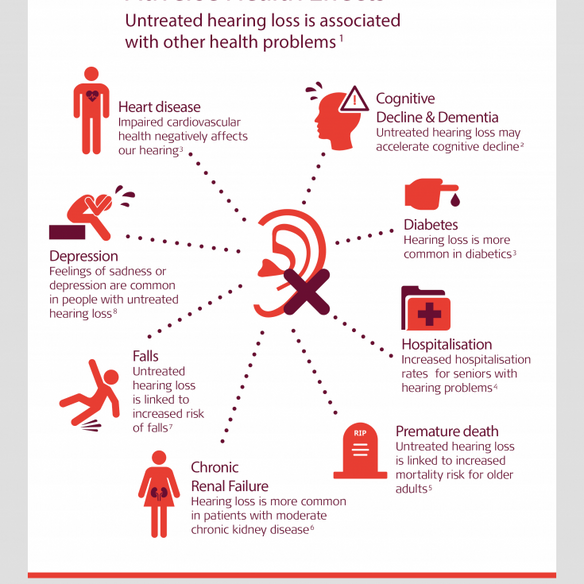
What is Hearing Loss in Seniors
Age-related hearing loss is called presbycusis. It is a slow loss of sound from the inner ear and hearing nerves. This change usually affects both ears. It makes high-pitched sounds and speech hard to hear.
Many seniors notice signs before they ask for help. Common symptoms include asking people to repeat words. TV and radio get turned up too loud. Conversations in groups become tiring. People may avoid talking to others.
Connection Between Hearing Loss and Mental Health
Hearing loss changes how the brain works. When sounds fade, the brain must work harder to understand speech. This extra effort uses mental energy. Over time, it can tire the mind and harm mood.
Hearing loss also cuts down on talking and social time. Loss of contact leads to loneliness. When people feel alone, depression and anxiety can grow. These emotional effects are real and treatable if found early.
Mental Health Effects
Depression
Hearing loss raises the risk of depression in seniors. Small talk and laughter feel harder to join. This can lower mood and lead to sadness that lasts. Depression may look like low energy, little interest in hobbies, or trouble sleeping.
Families might think a senior is “just old” when they are actually depressed. Treating hearing loss can ease these feelings. Counseling and support help too.
Anxiety
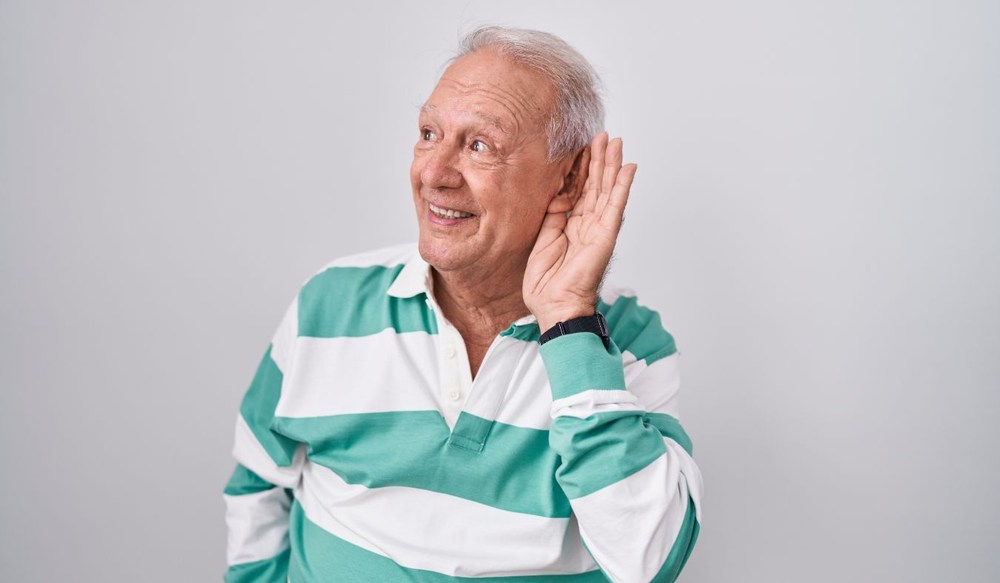
Missing words makes seniors feel unsure in social settings. They may worry about being embarrassed. This fear can cause anxiety before calls or visits. Anxiety may show as restlessness, tension, or trouble concentrating.
When anxiety grows, seniors might skip events. That keeps them from getting support and joy. Simple steps can reduce fear and build confidence.
Loneliness and Isolation
Hearing loss often leads to social withdrawal. A person may stop answering the phone or decline invites. Over weeks and months, friendship circles shrink. Loneliness can harm both mood and body.
Isolation raises the risk of other health problems too. It affects sleep, appetite, and activity. Finding ways to stay connected is very important.

Memory Problems and Cognitive Decline
Hearing loss is linked to faster memory decline in some seniors. When the brain strains to hear, it can lose ability to store new information well. This can look like forgetfulness or confusion.
Research shows that hearing loss may raise the risk of dementia. Treating hearing loss early may slow this course. Clear hearing lightens the brain’s burden and helps memory work better.
Social Impact
Seniors with hearing loss may avoid group activities. Dinner with friends or church services can feel overwhelming. They may smile and nod but miss much of the talk.
Family life can strain too. Misunderstandings and frustration grow when loved ones repeat themselves. Spouses and children may feel ignored. These small gaps can widen into hurt and blame.
How Hearing Aids Can Help
Hearing aids can make a big difference. They amplify speech and reduce background noise. This helps seniors join conversations with less effort.
Wearing hearing aids can lift mood and boost confidence. Many people feel more social and active once they hear better. Family ties improve as talk becomes easier. Hearing aids also reduce listening stress, which helps sleep and lowers anxiety.
Tips to Support Seniors with Hearing Loss
- Encourage regular hearing tests. A test catches changes early.
- Help them try hearing aids. Offer to go with them to fittings and adjustments.
- Keep social routines. Invite them to short, calm gatherings.
- Use clear, slow speech. Face them and speak at normal volume.
- Reduce background noise. Turn off the TV or radio during talks.
- Use visual cues. Write notes or use captions for videos.
- Teach patience to family and friends. Small changes make big gains.
These steps are simple. They help seniors feel safer and more included. Caregivers who follow them often see better mood and more smiles.
You can read about the Best Electric Razor for Parkinson’s Patients (Most Rated 2026)
Common Mistakes to Avoid
- Ignoring the signs. Many delay help. Early care gives the best results.
- Thinking hearing loss is just “part of aging.” While it is common, it is not untreatable. Treatment brings real improvement.
- Buying the wrong device without a test. Over-the-counter devices may not fit the need. Get a hearing test first to find the right option.
- Leaving hearing aids unused. Comfort and training make them work. Practice wearing them daily and keep follow-up visits.
Avoiding these mistakes helps seniors live more fully. Quick action brings better hearing and mood.
FAQ about How Hearing Loss Affects Mental Health In Seniors
Can hearing loss cause depression in seniors?
Yes. Hearing loss can lead to less socializing and more loneliness. This often contributes to depression. Treating hearing loss can reduce depressive symptoms.
Do hearing aids improve mental health?
Many studies show that hearing aids help mood, reduce loneliness, and ease anxiety. Hearing aids let people join conversations again. That can boost well-being.
When should a senior get a hearing test?
If they ask others to repeat often, turn up the TV, or avoid talking, it is time for a test. Annual checks are a good idea after age 60. Early testing catches problems sooner.
Will hearing tests hurt?
No. Tests are safe and painless. They are simple checks that guide better care.
Can communication strategies help without a hearing aid?
Yes. Speaking clearly, facing the person, and reducing noise help a lot. But a hearing aid often gives the best long-term benefit.
Conclusion
Hearing loss in seniors is common but not a life sentence. It quietly changes mood, memory, and social life. Left alone, it raises the risk of depression, anxiety, and isolation. Many harms are avoidable with early action. Hearing tests, good devices, and simple communication steps bring back connection and joy. If you or a loved one shows signs of hearing loss, schedule a hearing check. Early care can protect both hearing and mental health. Reach out today to start the next chapter with clearer sound and brighter days.

Michael Reynolds is a senior contributor at RetirementGazette.com, where he focuses on helping readers navigate the journey toward a secure and fulfilling retirement. With over a decade of experience in personal finance, retirement planning, and lifestyle writing, Michael combines practical strategies with easy-to-understand guidance tailored for both pre-retirees and those already enjoying their golden years.