Retirement can feel like a soft sunrise. The pace slows. The air seems clear. Your days are yours again. You may still crave purpose. You may want joy, health, and calm. You may want a life that feels simple, yet full. Start Gardening After Retirement, and watch those wishes grow like spring rain. This beginner guide shows a safe, easy, and fun way to dig in. It blends small steps with smart habits. It offers tools, plants, and plans that suit your body and your time. You will see how soil can steady the mind. You will see how seeds can spark hope. Let us turn your yard, patio, or windowsill into a kind and steady friend.

Why Gardening Is Perfect After Retirement
Gardening fits this new chapter with ease. It gives light structure to each day. It provides gentle work for the body. It offers art and science for the mind. It makes space for wonder. You can start small. You can scale up over time. You can shape it to match your home, health, and heart.
Physical and mental rewards you can feel
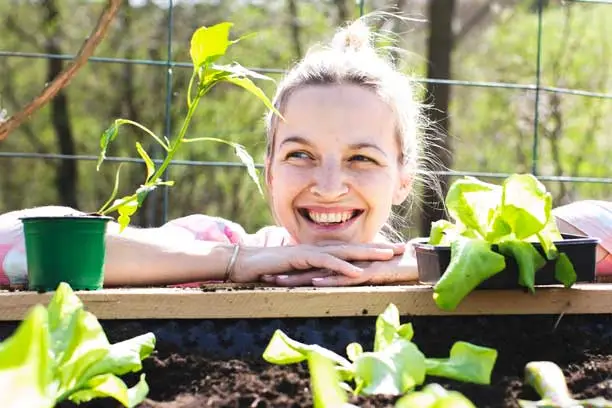
Gardening nudges you to move. You bend, reach, and walk. You lift small loads with care. These acts build strength and balance. Sun and fresh air help your sleep and mood. Plants pull you into the present. Their slow growth trains patience and calm. A stroll through your beds can lower stress. It can ease worry and fog. You feel useful. You also feel at peace.
A gentle hobby that grows with you
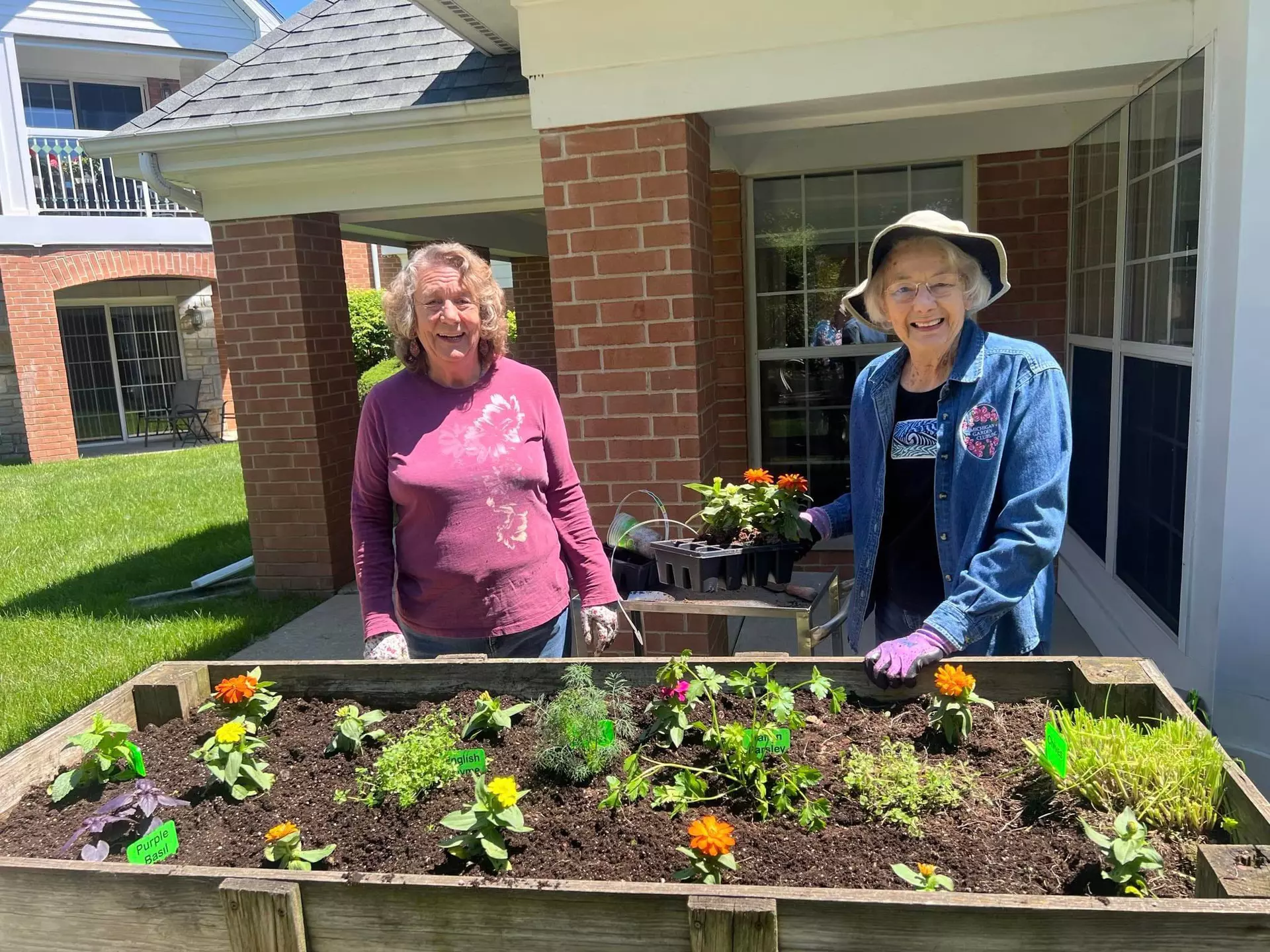
This hobby flexes with your energy. Start with one pot. Grow to a few raised beds. Add a herb corner or a flower strip next. If your knees ache one day, you can still prune a pot. If you need rest, you can mulch to cut work. Each season you learn. You tune your space and tasks to your needs. That is why gardening lasts for life.

Start Gardening After Retirement: A Simple Roadmap
You do not need a green thumb. You need a clear plan. Set a simple goal. Pick a spot. Match plants to light. Choose the right bed. Get a few safe tools. Start small. Build steady habits. This roadmap keeps stress low and joy high.

Define your purpose and style
Ask what you want most. Do you want fresh salad greens? Do you want herbs for tea? Do you want color and birds? Choose one main aim for year one. Pick a style that feels calm. You can try neat rows. You can try a wild mix. You can blend pots with beds. Let the space reflect who you are now.

Pick the right spot for sun, shade, and ease
Most food plants need six to eight hours of sun. Flowers range more. Some love full sun. Some need light shade. Watch how the light moves through your yard. Note wind and water flow. Place beds near a door and a hose. You want short walks and few trips. Good access makes care feel simple each day.

Choose your garden type: in-ground, raised, or containers
In-ground beds cost less. But they may be harder on your back. Soil may need more work at first. Raised beds stand taller. They drain well. They warm fast in spring. They save your knees and hips. Containers are the easiest start. You can grow many crops in pots. You can put them on a porch or patio. Pick the type that fits your body and your space.

Plan your budget and time
Set a clear spend for year one. You can start for less than the price of a nice dinner. Choose a few pots, some soil, and easy seeds. Or build one raised bed. Plan time too. Aim for 15 to 30 minutes most days. Use rest days as needed. Small, often steps beat long, hard ones. Your garden thrives on gentle routine.
Tools and Gear for Ease and Safety
The right tools protect your joints. They also make work fun. You do not need many. You need a few that fit well. Choose tools that feel light, steady, and kind to hold. Keep them sharp and clean. Store them near your garden so you save steps.
Ergonomic basics to love
- A hand trowel with a soft grip
- A pruner with ratchet help for easy cuts
- A weeder or hori hori with a wide handle
- A light, long-handled hoe to spare your back
- A padded kneeler and a small stool
- Gloves that fit and breathe well
Try them in the store if you can. Your hands will tell you what feels right. Good grip. Low strain. Safe locks. These details matter more as we age.
Watering made simple
Use a light hose. Add a thumb valve for flow control. Use a watering wand to reach pots and beds. For larger beds, set a drip line. A timer saves time and water. Place rain barrels if allowed. Water slow and deep. That helps roots grow strong. It also saves your back from long sessions.
Soil, compost, and mulch that do the heavy lifting
Good soil makes everything easy. Buy a high-quality potting mix for containers. For beds, blend compost into the top six inches. Aim for one to two inches of compost a year. Cover bare soil with mulch. Use leaves, straw, or wood chips. Mulch holds water. It cools roots. It blocks weeds. It turns care into a light touch.
Soil and Site Prep, Step by Step
You do not need to overhaul your yard. Do a few smart steps. Test. Amend. Shape beds. Cover soil. These steps give strong starts. Plants reward you with fast, clean growth.
Test and improve your soil
Get a basic soil test kit. Or send a sample to your local Extension. Check pH and key nutrients. Most vegetables like a pH near 6.2 to 6.8. Add lime to raise pH. Add sulfur to lower it. Use compost to feed the soil life. Avoid harsh salts. Aim for slow, living change. Good soil grows from small, steady steps.
Build raised beds or set up containers
For raised beds, use rot-proof boards or metal. A height of 12 to 24 inches is kind to your knees. A width of three to four feet lets you reach the center. Place cardboard on grass below. Fill with a mix of topsoil, compost, and coarse material. For containers, choose pots at least 12 inches wide for herbs. Go larger for tomatoes and peppers. Ensure good drainage holes. Elevate pots on small feet to prevent rot.
Layout for low effort and joy
Group plants by water and sun needs. Put thirsty plants near the hose. Keep tall plants to the north or back. This avoids shade on short crops. Leave wide paths. Lay down mulch or pavers. Make it easy to push a cart or walk with a cane. Add a chair or bench. Rest is part of the plan.
What to Plant First: Foolproof Picks
Start with simple, kind plants. Choose crops that forgive errors. Choose plants that give quick wins. Harvest fast. Savor taste and scent. Joy feeds habit. Habit feeds skill.
Vegetables that forgive mistakes
- Leafy greens: lettuce, spinach, arugula
- Root crops: radish, carrots, beets
- Fruit crops: cherry tomatoes, bush beans, cucumbers
- Easy stars: zucchini, sugar snap peas
Leafy greens grow fast in cool months. Radishes give joy in three to four weeks. Cherry tomatoes handle uneven care better than large ones. Bush beans need only sun, water, and warm soil. Start with a few varieties. See what thrives in your space.
Herbs that love beginners
- Basil, chives, dill, parsley
- Mint (in a pot so it does not spread)
- Oregano, thyme, sage, rosemary (many are perennials)
Herbs are a gift. They need little space. They shine in pots. Many are drought-tolerant once set. Cut and come again. They brighten meals and tea time. Their scent lifts mood at once.
Flowers for joy and pollinators
- Marigold, zinnia, cosmos, nasturtium
- Sunflower for bold, bright cheer
- Calendula for petals you can eat
- Coneflower and black-eyed Susan for hardy color
Mix blooms with food crops. Flowers draw bees and butterflies. They boost yields. They also add daily delight. Place some near your seat so you see them each day.
Small trees and shrubs for gentle structure
- Blueberry shrubs in acidic soil or large pots
- Dwarf citrus in warm zones or indoor pots
- Dwarf apple or pear on patio rootstock
- Hydrangea for shade color
Pick one or two anchors for shape. Choose dwarf types for small yards. Place them with care. Think of mature width and height. Less pruning means less work later. The right pick brings years of calm beauty.
Watering, Feeding, and Mulching 101
Plants need steady care. But that care can be light. Focus on the basics. Water right. Feed simple. Mulch well. Do a bit most days. That is the secret.
A weekly care plan that suits real life
- Check soil with your finger. If dry two inches down, water.
- Water early in the day. Aim at the roots.
- Deep water one to two times a week. Adjust for heat.
- Pull small weeds fast. Do five minutes at a time.
- Harvest often. It keeps plants giving.
- Walk and look. Catch issues early. Enjoy the view.
Set two “anchor days” each week. These are your garden dates. Make tea. Step outside. Touch leaves. You will look forward to it.
A simple feeding calendar
- At planting: mix compost into the top layer
- Mid-season: add a light, balanced organic feed
- For heavy feeders like tomatoes: side-dress with compost
- For containers: use a diluted liquid feed every two to four weeks
Do not overfeed. Too much food gives lush leaves and weak roots. Think of a steady, balanced diet. Plants, like us, thrive on that.
Pests, Weeds, and Common Problems
Nature comes with bugs and blights. Do not fear them. Most issues stay small if you watch. Use kind methods first. Keep the system strong. Healthy soil and mulch prevent most shocks.
Preventive habits, not harsh sprays
- Rotate crops year to year
- Space plants for airflow
- Water at the base, not on leaves
- Remove dead or sick parts at once
- Invite allies: ladybugs, lacewings, birds
Use insecticidal soap if needed. Use neem oil with care. Always test on a leaf first. Read labels. Most times, hand-picking a few pests works best. Stay calm and steady.
Gentle weed control that saves your back
Mulch is your best friend. Lay it thick, two to three inches deep. Edge beds to stop grass creep. Pull small weeds after rain. Use a long-handled hoe with a light touch. Work five or ten minutes at a time. Music helps. A smile helps more.
When to call local help
Call your local Master Gardener desk. Or your Extension office. Bring a leaf or a photo. Ask for a diagnosis. They can spot blight and rust. They can point to safe fixes. Free help is a gift. Use it often.
Make It Safe and Body-Friendly
Your garden should care for you as you care for it. Plan with safety first. Use smart gear. Use kind moves. Listen to your body. Take breaks. Hydrate. The aim is joy and health.
Warm-up, posture, and breaks
Do light stretches before you start. Swing arms. Roll shoulders. Bend gently at the hips, not the waist. Keep tools close to your body. Use two hands when you can. Switch sides now and then. Set a timer for 20 minutes. Then rest for five. Sip water. Admire a bloom. That is part of the work.
Adaptive ideas for limited mobility
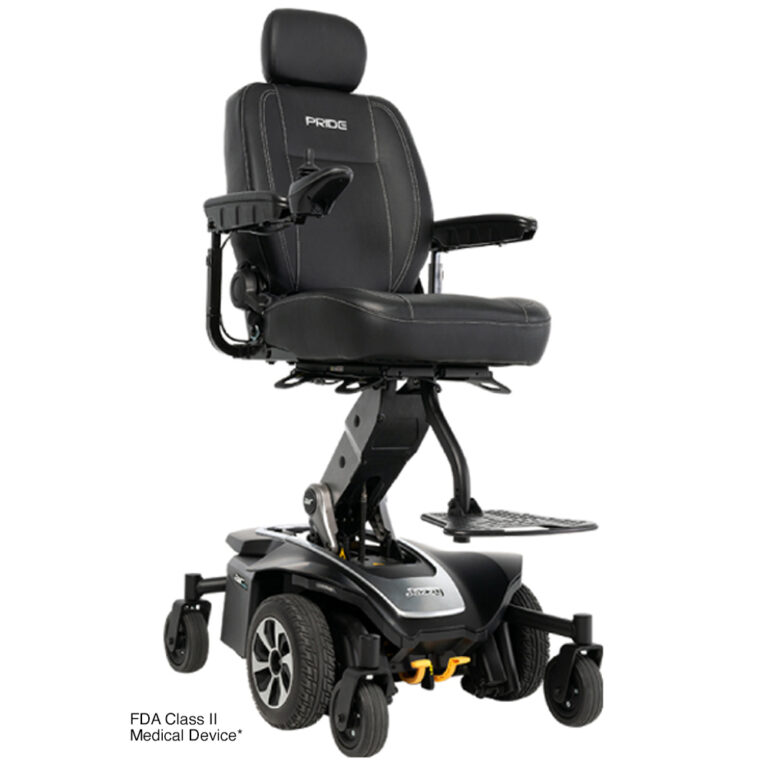
Raise beds to waist height. Use seated planters on a bench. Place pots on rolling carts or stands. Use light tools and extendable handles. Install a drip system with a timer. Add non-slip mats on the patio. Use knee pads or a kneeler with handles. Plant low-care perennials. Pick dwarf or bush types. Keep the path wide and firm. Invite a helper for heavy lifts.
Year-Round Gardening Plan by Season
Gardens change with time. Lean into the rhythm. Plan small tasks for each season. Keep joy alive all year. Use the quiet months for vision. Use peak months for light work and harvest.
Spring: Start fresh and bright
- Clean up winter debris with a gentle touch
- Top beds with compost and fresh mulch
- Sow cool crops like peas, greens, and radish
- Plant hardy herbs like chives and parsley
- Set up drip lines and test timers
Move slow. The garden wakes up too. Enjoy the first green tips. Take photos. Note what returns. This builds your garden story.
Summer: Tend, water, and enjoy
- Water deep in the morning
- Stake or cage tomatoes for support
- Harvest often to keep plants productive
- Shade young plants during heat waves
- Mulch again to hold moisture
Take breaks in the shade. Eat a warm berry. Smell basil on your hands. Summer is the sweet heart of the year.
Fall: Plant for roots and ease
- Plant garlic, onions, and cool greens
- Add perennials now for strong spring roots
- Rake leaves onto beds as free mulch
- Sow cover crops in open spaces
- Clean and oil tools before storage
Fall feels like a soft sigh. It is a perfect time to refresh. Slow, steady steps now save work next spring.
Winter: Rest, plan, and learn
- Review notes and photos from the year
- Sketch next year’s layout
- Read a garden book or two
- Start a few seeds indoors if you wish
- Visit a greenhouse for a lift on gray days
Let winter be your think time. It restores body and mind. Dream in seed catalogs. Joy grows in the cold too.
Budget, Time, and Space: Right-Size Your Garden
A smart garden fits your life, not the other way around. Size it for your space. Size it for your budget. Size it for your time and health. A right-sized garden feels light and kind.
Tiny patio plan
Use five to eight pots. Pick three herbs, two greens, and one cherry tomato. Add a flower pot for color. Place a small stool. Use a watering can or short hose. Set a timer for a quick morning check. Enjoy a slice of garden life without stress.
Small yard plan
Build two raised beds, four by eight feet. Leave wide paths. Add drip lines and mulch. Grow a mix of greens, beans, and one or two tomatoes. Add a berry bush on the edge. Install a small shed or storage bench for tools. Keep the design clean and easy to reach.
Community garden plan
Rent a plot near home. Share tools and tips. Plant a few easy crops. Swap harvests with neighbors. Join work days at your pace. Many gardens have raised beds and water on site. You also gain friends. That social lift is gold.
Top 10 Habits for a Happy Retirement Life
Your garden is part of a larger life. Build habits that lift mood, health, and meaning. These ten simple habits work well in retirement. They tie to your garden and beyond. They form a net of calm and joy.
- Start Gardening After Retirement
- Plant a seed each season.
- Keep care small and often.
- Share harvest with a friend.
- Keep a gentle movement routine
- Walk the paths each day.
- Stretch before and after tasks.
- Do light strength moves twice a week.
- Eat fresh, simple food
- Grow greens and herbs.
- Cook at home with color.
- Savor slow meals on the patio.
- Sleep with steady rhythm
- Step into morning light.
- Cut screens at night.
- Keep a calm evening ritual.
- Learn one new thing often
- Try a new plant or method.
- Watch a short class.
- Read a chapter on soil life.
- Tend your social garden
- Join a club or community plot.
- Host tea by the roses.
- Trade seeds and stories.
- Give and volunteer
- Share cut flowers with a neighbor.
- Teach a child to plant.
- Help at a local garden.
- Mind your money with joy
- Set a small garden budget.
- Use free mulch and seed swaps.
- Track savings from homegrown food.
- Care for your mind
- Journal your garden wins.
- Meditate by the beds.
- Practice gratitude at harvest.
- Plan for health and safety
- Use sun protection and water.
- Ask for help with heavy lifts.
- See your doctor for checkups.
These habits form a circle. They hold you steady. They move with the seasons. They keep love, health, and purpose close. Gardening is the green thread that weaves them tight.
How gardening ties it all together
In one place, you move, learn, and rest. You touch earth. You watch life cycle and return. You eat better with ease. You meet people who share your joy. You give, and you receive. This loop builds a happy retirement life. That is why a simple garden can feel like a home for the soul.
Digital Tools, Books, and Local Support
Use modern tools to save time and guesswork. Blend the wisdom of books with the help of local experts. You do not need to figure it all out alone. Smart support cuts stress and boosts results.
Apps and tech aids for easy care
- Plant identification apps to spot weeds and friends
- Weather apps with frost alerts and heat warnings
- Water timers you can set from your phone
- Note apps to track planting dates and harvests
- Reminders for feeding and pruning
Use simple setups. The best tool is the one you use. Set small alerts. Keep notes short. Snap pictures to track change. Your garden becomes a living journal.
Books and guides that meet you where you are
- Year-round vegetable guides for your region
- Intro herb gardening books
- Organic pest control primers
- Native plant and pollinator guides
- Large-print or picture-rich editions
Pick one book to start. Keep it by your chair. Read a few pages with tea. Try one new idea each week. That pace builds skill without rush.
Master Gardeners and Extension services
Most states have Master Gardener programs. They teach, answer, and cheer you on. Extension offices post local guides. They host classes and plant clinics. They know your soil and climate. They are free or low cost. Reach out and feel your world grow.
Sample 30-Day Beginner Plan
This plan fits a small start. It keeps each step light. Follow it as written. Or use it as a guide and shift as needed. The aim is joy and flow, not strict rules.
Week 1: Dream, choose, and prepare
- Walk your space at different times of day
- Note sun, shade, wind, and water access
- Pick your goal and garden type
- Buy three to five tools and a few pots or a bed kit
- Order seeds or choose starter plants
End the week by clearing your chosen spot. Lay cardboard if building a bed. Sweep the patio for pots. You will feel a wave of calm already.
Week 2: Build and fill
- Assemble raised beds or wash and set pots
- Fill with soil mix and compost
- Lay drip lines or place a watering wand near
- Spread mulch on all exposed soil
- Sit for ten minutes and enjoy the view
Your space is now a garden. It may look simple. That is good. You have set the stage for ease and grace.
Week 3: Plant and protect
- Plant seeds for greens and radish
- Plant starter herbs and one tomato or pepper
- Add a few flowers to call in pollinators
- Label each plant
- Add cages or stakes for support
Water well after planting. Then rest in the shade. Take a photo to mark the day. It is your new start.
Week 4: Tend and enjoy
- Check moisture with your finger each morning
- Pull any tiny weeds before they spread
- Harvest early greens and herbs
- Feed with a light liquid if in pots
- Share a small harvest with someone you love
By day 30, you will feel the rhythm. You will trust your sense of the soil. You will smile more. This is the fruit of care.
Mistakes New Retiree Gardeners Should Avoid
You can skip a lot of pain with a few insights. Many first-time gardeners make the same errors. Learn from them. Take the smooth path. Your body and budget will thank you.
Overplanting in year one
It is easy to plant too much. Big plans feel exciting. But too many plants can turn care into stress. Start with less. Leave space to walk and sit. You can add more next season with wisdom.
Ignoring soil and mulch
Soil is the heart of the garden. Weak soil gives weak plants. Fix soil first. Add compost each year. Keep soil covered with mulch. This one habit solves many problems at once.
Watering too often or too little
Plants need deep, rare drinks. Not light sips each day. Use your finger to test. Water when the top two inches are dry. Water at the base. In the morning. This prevents stress and disease.
Skipping supports and labels
Tomatoes flop without support. Cucumbers climb best with a trellis. Herbs look alike when small. Use cages, stakes, and trellises early. Label each plant. Your future self will cheer.
Working past your limit
Do not push through pain. Take breaks. Sit to prune. Use a stool. Ask for help with heavy lifts. Your garden should extend your health. It should not drain it. Rest is a wisdom skill.
Frequently Asked Questions
Q: I have a small balcony. Can I still grow food?
A: Yes. Use five to eight pots. Choose leafy greens, herbs, and one compact tomato. Use a light potting mix. Water with a wand. You will eat fresh salad in weeks.
Q: What if I travel often?
A: Set a drip system with a timer. Group pots by need. Mulch well. Ask a neighbor to check once a week. Offer herbs or flowers as thanks.
Q: Are raised beds worth it?
A: For many retirees, yes. They save knees and backs. They hold good soil. They drain well. They cost more at first but pay off in comfort and yield.
Q: How do I keep gardening affordable?
A: Start small. Grow from seed for greens and flowers. Join seed swaps. Use leaves and grass clippings as mulch. Buy quality tools once. Build slowly over seasons.
Q: What plants can I grow with low sun?
A: Try lettuce, spinach, arugula, mint, parsley, and many flowers like impatiens and begonias. You can also place pots on plant caddies and chase light during the day.
Q: I have arthritis. Can I still garden?
A: Yes, with smart design. Use raised beds. Use light tools with soft grips. Garden in short, frequent sessions. Sit to prune and weed. Use drip irrigation. Your garden can be a partner in gentle therapy.
Q: How do I prevent pests without harsh chemicals?
A: Focus on prevention. Healthy soil and mulch help. Water at the roots. Space for airflow. Mix flowers with crops to attract allies. If needed, try insecticidal soap or neem, used with care.
Q: How much time do I need each week?
A: For a small garden, plan 15 to 30 minutes a day, five days a week. Add one longer, relaxed session for harvest or small projects. Keep it light and fun.
Q: What if my first plants fail?
A: That is part of learning. Try again with a different variety or spot. Ask your local Extension for advice. Each try grows your skill. Resilience is the true harvest.
Q: How can I make my garden more social?
A: Start a tea hour in your yard. Join a garden club. Volunteer at a community plot. Host a seed swap. Give small bouquets to neighbors. The garden opens many doors.
Conclusion
Retirement hands you a rare gift. Time with choice. A garden turns that gift into life you can touch. It invites you to step outside each day. To move with care. To listen to birds and leaves. To eat food you grew with your own hands. To share that joy with others. You do not need to be an expert. You only need to start. Start Gardening After Retirement, one pot or one bed at a time. Keep it small and steady. Let soil and sun do their quiet work. In a few weeks, you will taste the first leaf. In a few months, you will see how your days have changed. Calm will feel close. Purpose will feel light. This is the gentle art of a happy retirement life. The path is open. The gate is wide. Step through and grow.

Michael Reynolds is a senior contributor at RetirementGazette.com, where he focuses on helping readers navigate the journey toward a secure and fulfilling retirement. With over a decade of experience in personal finance, retirement planning, and lifestyle writing, Michael combines practical strategies with easy-to-understand guidance tailored for both pre-retirees and those already enjoying their golden years.