Caregivers may abuse older adults because of stress, poor training, substance use, control, prejudice, or harmful personal beliefs.
Understanding why do caregivers abuse the elderly can help families spot warning signs before harm grows. Elder abuse is never the older person’s fault, and stress is never an excuse for cruelty. This guide explains the main causes, signs, risks, and steps families can take to protect an older adult with care and confidence.

What Is Elder Abuse?
Elder abuse is any act or failure to act that harms an older adult. It may happen in a private home, assisted living center, nursing home, hospital, or other care setting.
The abuse may come from a paid caregiver, family member, friend, neighbor, or another trusted person. It can be one event or a repeated pattern.
Common forms include:
• Physical abuse, such as hitting, pushing, burning, or rough handling
• Emotional abuse, such as threats, insults, fear, or humiliation
• Sexual abuse, including any sexual contact without clear consent
• Financial abuse, such as stealing money, misusing a bank card, or forcing a signature
• Neglect, such as failing to provide food, medicine, hygiene, safety, or needed care
• Abandonment, such as leaving an older adult alone without needed help
• Self-neglect, when an older adult cannot meet basic needs and has no safe support
The Centers for Disease Control and Prevention describes elder abuse as a serious public health issue. Yet many cases stay hidden because an older adult may feel afraid, ashamed, confused, or dependent on the person causing harm.
Why Do Caregivers Abuse the Elderly?
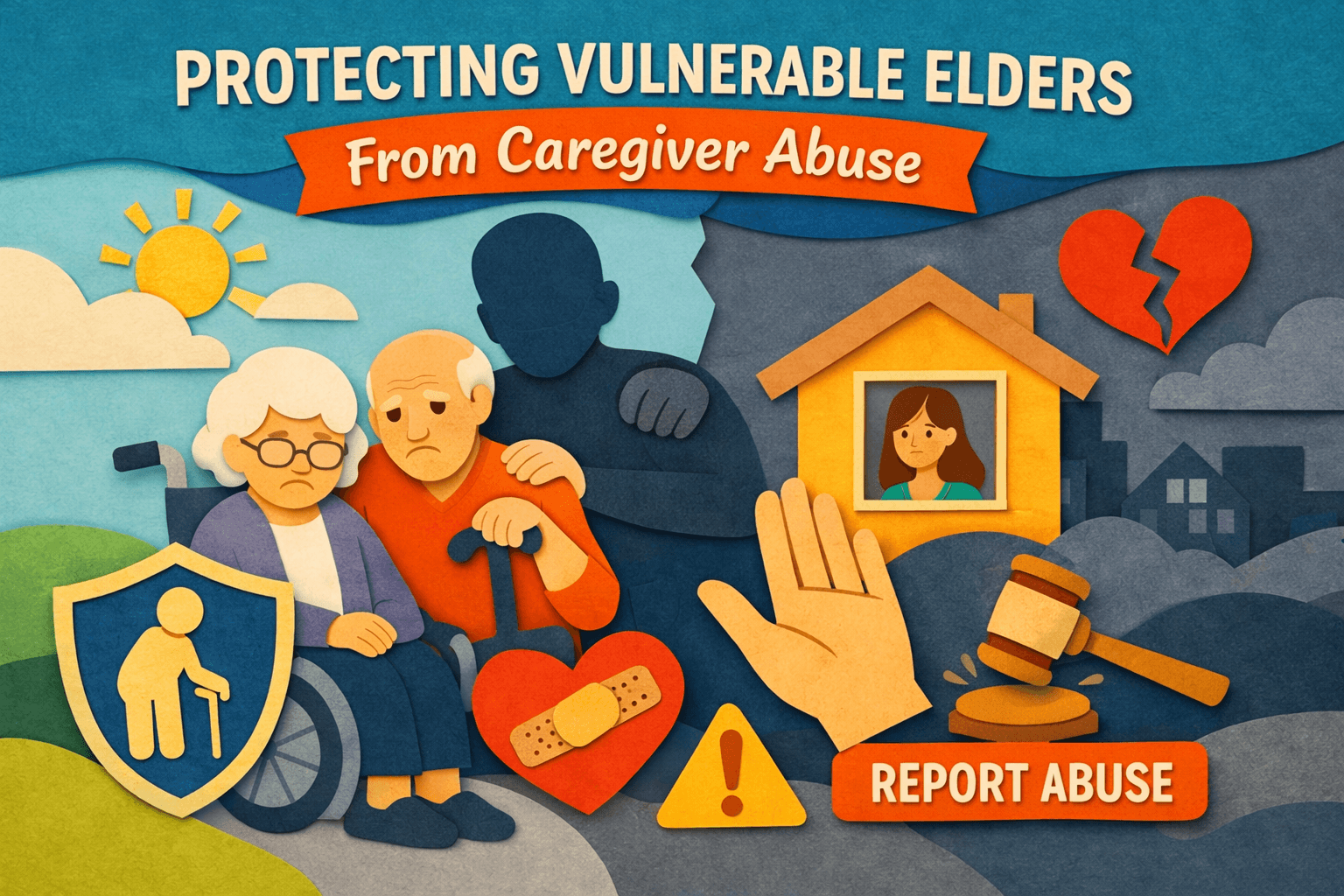
There is no single answer to why do caregivers abuse the elderly. Abuse often grows from several problems at once. These may include personal stress, weak supervision, poor workplace systems, power differences, and harmful attitudes toward aging.
Still, no cause justifies abuse. Many caregivers face stress and remain kind, safe, and professional. The goal is to understand risk factors so families and care organizations can prevent harm.
Caregiver Stress and Burnout
Caregiving can involve long hours, poor sleep, lifting, bathing, feeding, and constant supervision. A caregiver may also manage difficult symptoms linked to dementia, pain, confusion, or behavior changes.
Without breaks or support, stress can build like pressure in a sealed jar. A caregiver who feels trapped may become angry or impatient. In some cases, that anger turns into shouting, rough handling, threats, or neglect.
Burnout does not make abuse acceptable. It does show why respite care, fair schedules, mental health support, and regular breaks matter.
Lack of Training
Some caregivers begin work with little training in dementia care, safe transfers, medication support, or communication. They may not understand why an older adult repeats questions, refuses a bath, or becomes frightened during a routine task.
A poorly trained caregiver may see a symptom as “bad behavior.” They may respond with force instead of patience. Training in person-centered care can reduce this risk by teaching staff to respond to needs rather than punish symptoms.
Power and Control
Older adults may depend on caregivers for food, medicine, transportation, money, bathing, and contact with family. This creates a strong power imbalance.
An abusive caregiver may use that power to control daily life. For example, they may threaten to withhold meals, limit visitors, hide a phone, or refuse help unless the older adult obeys.
This helps explain why do caregivers abuse the elderly in some cases: the caregiver may seek control over a person who has limited ability to resist. Power is often at the center of emotional, physical, and financial abuse.
Personal History of Violence
Some people learned harmful behavior in their own homes. They may view yelling, threats, or physical force as normal ways to solve problems.
A history of violence does not prove that a person will abuse an older adult. However, past violence, poor anger control, and a pattern of intimidation can increase concern.
Substance Use and Mental Health Concerns
Alcohol or drug misuse may reduce judgment and increase impulsive behavior. It can also drain family money, create conflict, and make it harder for a caregiver to complete basic tasks.
Untreated depression, severe anxiety, trauma, or other mental health concerns may also affect caregiving. These conditions do not cause abuse in every case, and they should not lead to unfair labels. They do show why screening, treatment, and support can be important.
Financial Pressure
Some caregivers depend on an older adult’s income, benefits, property, or bank account. A person who feels desperate for money may steal cash, misuse a power of attorney, or pressure the older adult to change a will.
Financial abuse can be quiet. A caregiver may start with small purchases and later take larger amounts. Missing checks, unpaid bills, new accounts, or sudden changes in spending can be warning signs.
Social Isolation
An isolated older adult has fewer people who can notice changes or ask questions. An abusive caregiver may increase isolation by blocking visits, controlling calls, or telling relatives that the older adult is “too difficult” to see.
Isolation also removes support from the caregiver. A person working alone may have no one to share tasks with or no safe place to discuss stress.
Ageism and Harmful Beliefs
Ageism means unfair treatment based on age. A caregiver may wrongly believe that an older adult is weak, confused, useless, or unable to make choices.
These beliefs can lead to talking down to the person, ignoring consent, making decisions without them, or treating them like a child. Respectful care recognizes that older adults have rights, preferences, history, and dignity.
Poor Care Facility Systems
Abuse is not always caused by one worker alone. A care facility may have unsafe staffing levels, weak background checks, poor training, high turnover, or weak reporting rules.
When management ignores complaints, unsafe workers may continue harming residents. A strong care system needs clear policies, careful hiring, enough staff, good supervision, and quick action after a report.

Why Does Elder Abuse Often Go Unreported?
Many people ask why do caregivers abuse the elderly when the older adult could simply tell someone. The reality is far more complex. Reporting may feel dangerous or impossible.
An older adult may fear:
• Retaliation or worse treatment
• Losing a caregiver or a place to live
• Being moved to a nursing home
• Not being believed
• Causing trouble for a family member
• Losing control of personal finances
• Shame, guilt, or family conflict
Dementia, hearing loss, speech problems, and physical disability can also make reporting hard. Some older adults do not label the behavior as abuse. They may think, “That is just how my son acts,” or believe that rough treatment is part of receiving care.
Family members may miss signs because abuse can look like normal aging. Weight loss, bruises, depression, poor hygiene, or confusion may have several causes. A careful review by a doctor, social worker, Adult Protective Services worker, or law enforcement officer may be needed.

Warning Signs of Caregiver Abuse
Knowing the signs can help answer why do caregivers abuse the elderly and, more importantly, help stop the harm. Look for changes in the older adult, the caregiver, the home, or financial records.
Signs in the Older Adult
Possible warning signs include:
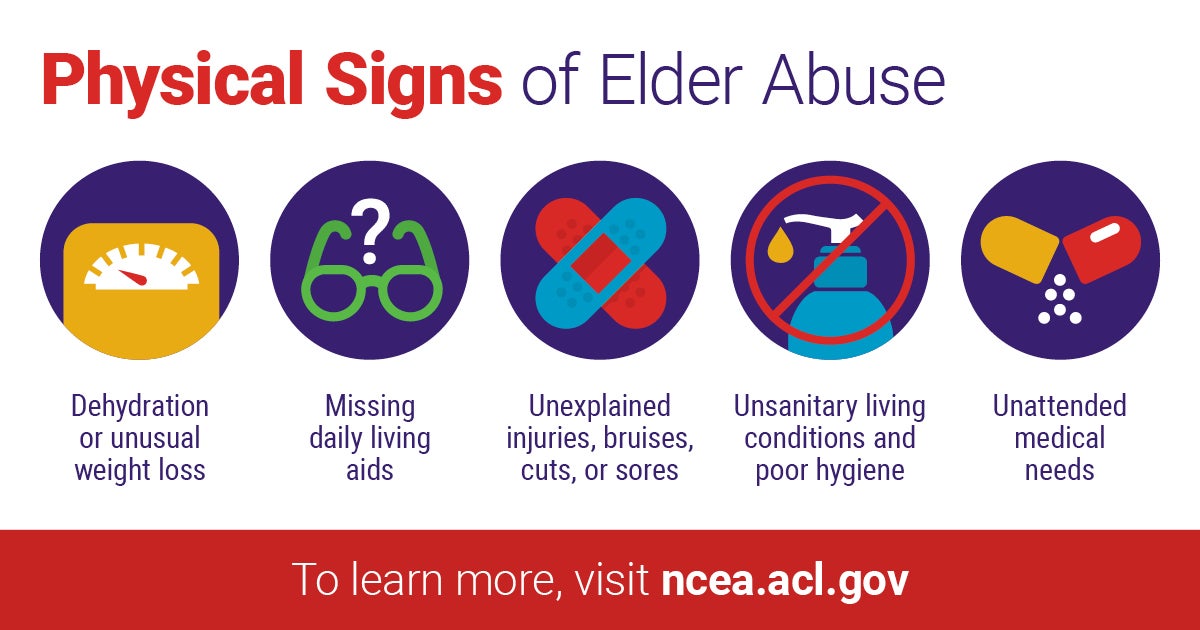
• Unexplained bruises, burns, cuts, sprains, or injuries
• Bedsores, dehydration, weight loss, or poor hygiene
• Missed medicine or repeated medical problems
• Sudden fear around a certain caregiver
• Depression, anxiety, silence, or withdrawal
• New sleep problems or frequent crying
• Unusual sexual behavior or unexplained injuries
• Missing glasses, hearing aids, dentures, clothing, or personal items
A single sign does not prove abuse. A pattern, sudden change, or explanation that does not fit the injury deserves attention.
Signs in the Caregiver
A caregiver may raise concern if they:
• Refuse to let the older adult speak alone
• Answer every question for the older adult
• Seem unusually controlling or angry
• Blame the older adult for all problems
• Give changing explanations for injuries
• Prevent visits or phone calls
• Show little concern for pain or basic needs
• Handle all money without clear permission
Signs of Financial Exploitation
Watch for:
• Unpaid bills despite enough income
• Missing cash or valuables
• New names on bank accounts
• Sudden changes to a will or beneficiary
• Unusual checks, withdrawals, or online transfers
• Pressure to sign legal papers
• A caregiver who suddenly has expensive items
Financial records should be reviewed with care. A mistake is possible, and an older adult has the right to make lawful choices. The concern is coercion, deception, theft, or misuse of trust.
How Dementia Can Increase Risk
Dementia does not cause abuse, but it can make caregiving harder and reporting less reliable. A person with dementia may resist care, wander, repeat requests, accuse others, or become frightened during bathing or dressing.
These behaviors are often signs of unmet needs. Pain, infection, hunger, constipation, poor sleep, medication effects, or an unfamiliar room may trigger distress.
Caregivers need dementia training and realistic support. Helpful approaches include:
• Using calm, short sentences
• Offering two simple choices
• Keeping a familiar routine
• Reducing noise and clutter
• Checking for pain or illness
• Allowing extra time
• Asking for respite before reaching a breaking point
Force can quickly turn a tense moment into a serious injury. When a caregiver feels close to losing control, they should place the older adult in a safe setting, step away if possible, and call a supervisor, family member, crisis line, or emergency service.
The Effects of Elder Abuse
Elder abuse can harm the body, mind, relationships, and finances. Physical injuries may heal, but fear can last much longer.
Possible effects include:
• Broken bones and head injuries
• Poor nutrition and dehydration
• Worsening chronic illness
• Depression and anxiety
• Loss of trust
• Social isolation
• Sleep problems
• Financial hardship
• Loss of independence
• Earlier placement in a care facility
Research from public health and aging agencies links elder abuse with serious health risks and higher death rates. The exact risk varies by the type, length, and severity of abuse, as well as the person’s health.
There is also an emotional cost for families. Relatives may feel guilt, anger, or doubt. Remember that responsibility belongs to the person who chose to harm the older adult, not to the victim or to a family member who did not recognize the signs right away.

What Families Can Do to Prevent Caregiver Abuse
Prevention works best when it starts before a crisis. Families can build a care plan that protects the older adult and supports the caregiver.
Create a Clear Care Plan
Write down:
• The older adult’s medical needs
• Medication instructions
• Mobility and fall risks
• Food and bathing preferences
• Emergency contacts
• Financial limits
• Who may make decisions
• How family members will share tasks
A written plan reduces confusion. It also makes it easier to notice when care changes without a good reason.
Check In Often
Use regular visits and calls. Speak with the older adult privately when possible. Ask open questions such as:
• How do you feel about your care?
• Do you feel safe?
• Has anyone frightened or hurt you?
• Do you have enough food and medicine?
• Is anyone using your money without permission?
Do not demand an answer or show shock. A calm response helps the person feel safe enough to speak.
Screen and Train Caregivers
For paid care, ask about:
• References
• Background checks
• Training
• Supervision
• Emergency procedures
• Reporting policies
• Insurance and licensing, when applicable
Families should also check state licensing records for agencies and facilities. Requirements vary by state, so confirm information with the relevant state department.
Reduce Caregiver Burnout
Support may include:
• Respite care
• Adult day programs
• Support groups
• Meal delivery
• Home health services
• Transportation help
• A shared family schedule
• Counseling or medical care
A break is not a luxury. It can protect both the caregiver and the older adult.
Protect Finances
Use practical safeguards:
• Review bank statements
• Set transaction alerts
• Keep valuables in a secure place
• Use direct deposit
• Discuss powers of attorney with an elder law attorney
• Avoid signing documents under pressure
• Involve a trusted second person when appropriate
Financial planning should respect the older adult’s independence. Safety measures should not become another form of control.

What to Do If You Suspect Abuse
If an older adult faces immediate danger, call 911 in the United States. Do not confront a violent caregiver alone if doing so could increase risk.
For suspected abuse that is not an immediate emergency, consider these steps:
-
Listen calmly and believe the person’s concern.
-
Move the older adult to a safe place if you can do so safely.
-
Write down dates, statements, injuries, names, and observations.
-
Take photos of injuries or unsafe conditions when lawful and safe.
-
Contact Adult Protective Services through the state or local office.
-
Tell a doctor, nurse, social worker, long-term care ombudsman, or facility administrator.
-
Report suspected crimes to local law enforcement.
-
Ask about legal help from an elder law attorney or legal aid group.
Do not promise complete secrecy. Explain that you may need to tell someone who can help keep the older adult safe.
If the older adult has decision-making capacity, listen to their wishes while explaining available options. If dementia or another condition affects capacity, professionals can help determine the safest lawful response.
Mistakes to Avoid
Families often want to help but may take steps that increase danger. Avoid these common mistakes:
• Blaming the older adult for “allowing” the abuse
• Confronting the caregiver in anger
• Waiting for perfect proof before seeking help
• Ignoring financial warning signs
• Discussing a report where the caregiver can hear
• Moving the older adult without a safety plan
• Assuming bruises or weight loss are normal aging
• Promising that reporting will cause no changes
• Sharing private details widely on social media
A calm, private, documented approach usually works better. When danger is urgent, safety comes first.
How Professionals Help
Doctors can assess injuries, dehydration, medication problems, depression, and cognitive changes. Nurses and social workers can speak with the older adult, review care needs, and connect the family with services.
Adult Protective Services may investigate concerns involving a vulnerable adult. The process differs by state, and not every report leads to removal from the home. The aim is usually to assess risk, offer protection, and connect people with support.
Long-term care ombudsmen advocate for residents of nursing homes, assisted living communities, and similar settings. They can help residents understand rights and raise concerns about care.
Law enforcement may investigate assault, sexual abuse, theft, fraud, or other crimes. An elder law attorney may help with guardianship, powers of attorney, financial exploitation, housing, and benefits.
No single professional sees the whole picture. Good protection often comes from several people working together.
How to Talk With a Suspected Victim
Choose a quiet place. Speak slowly and use plain words.
You might say:
“Something seems different lately. How are you feeling?”
“Do you feel safe with your care?”
“I noticed your bills are not being paid. Can we look at them together?”
“Has anyone hurt, threatened, or pressured you?”
Avoid questions that suggest blame, such as “Why did you let this happen?” Do not argue if the person denies abuse. Leave the door open and check back later.
If the person has dementia, use one question at a time. Watch body language and changes in mood. A trusted doctor or social worker may help create a safer way to talk.
Research Limits and Important Context
Statistics on elder abuse are difficult to measure. Many cases are never reported, and studies use different definitions and age groups. Reports may also focus on certain settings, such as nursing homes, rather than all caregiving situations.
This means no single number can show the full size of the problem. It also means we should avoid assuming that most caregivers are abusive. Most caregivers work hard and want to help, often under difficult conditions.
The strongest lesson is simple: risk factors are not proof. Look at behavior, evidence, safety, and the older adult’s own account. Use trained professionals when the situation is unclear.
Frequently Asked Questions About Why Do Caregivers Abuse the Elderly
Why do caregivers abuse the elderly?
Caregivers may abuse older adults because of burnout, poor training, substance use, financial pressure, a desire for control, or harmful age-based beliefs. These factors may increase risk, but they never excuse abuse.
What is the most common type of elder abuse?
Neglect and emotional abuse are often reported, but the most common type can vary by study, location, and reporting system. Financial exploitation is also widespread and may be especially difficult to detect.
How can I tell if an older adult is being abused?
Look for unexplained injuries, sudden fear, poor hygiene, missing money, medication problems, isolation, or changes in behavior. One sign may have another cause, so focus on patterns and seek professional advice.
What should I do if a caregiver is hurting an older adult?
Call 911 if there is immediate danger. Otherwise, document what you observe and contact Adult Protective Services, a doctor, a social worker, a long-term care ombudsman, or local law enforcement.
Can caregiver stress lead to elder abuse?
Severe stress can raise the risk of anger, neglect, and unsafe care. Support such as respite services, training, counseling, and shared duties can reduce pressure, but stress is never a defense for abuse.
Is yelling at an elderly person considered abuse?
Repeated insults, threats, humiliation, or intimidation may be emotional abuse. A single moment of frustration still needs attention, especially if it frightens the older adult or becomes a pattern.
Can a person with dementia report caregiver abuse?
Yes, a person with dementia may still describe abuse and express a clear wish for safety. Professionals should listen respectfully, assess communication and decision-making ability, and investigate the concern.
Conclusion
The answer to why do caregivers abuse the elderly involves many risks, including burnout, poor training, control, money problems, isolation, and ageism. These risks can help families prevent harm, but they never excuse violence, neglect, exploitation, or humiliation.
Watch for changes, speak with the older adult in private, document concerns, and seek help early. If danger is immediate, call 911. Learn about local Adult Protective Services and long-term care resources, and share this guide with someone who may need it.

Michael Reynolds is a senior contributor at RetirementGazette.com, where he focuses on helping readers navigate the journey toward a secure and fulfilling retirement. With over a decade of experience in personal finance, retirement planning, and lifestyle writing, Michael combines practical strategies with easy-to-understand guidance tailored for both pre-retirees and those already enjoying their golden years.