
A female urinal is a handheld container designed to collect urine when a person cannot safely reach a toilet. To use one in bed, place the wide opening snugly against the vulva, keep the container tilted so urine flows inside, urinate slowly, then empty and clean the urinal.
This guide is for people in the United States who are recovering at home, caring for someone in bed, or using a female urinal after surgery or illness. A female urinal does not replace medical care, a bedside commode, or a urinary catheter when a clinician says one is needed.

<figcaption style=”font-size:14px;color:#555;margin-top:8px;”>
Source: gosupps.com
What You Need Before Using a Female Urinal
Gather the urinal, disposable gloves if you are helping someone else, toilet paper or wipes, a waterproof pad, and soap and water or disinfectant approved for the product.
A waterproof pad under the hips can protect the bed from leaks. A towel may help, but a disposable or washable bed pad gives better coverage.
Before use, check that:
- The urinal is clean and dry.
- The opening is not cracked or damaged.
- The cap or lid works, if the model has one.
- The person can reach or hold the urinal, or has a caregiver to help.
- The room is private and the person can relax.
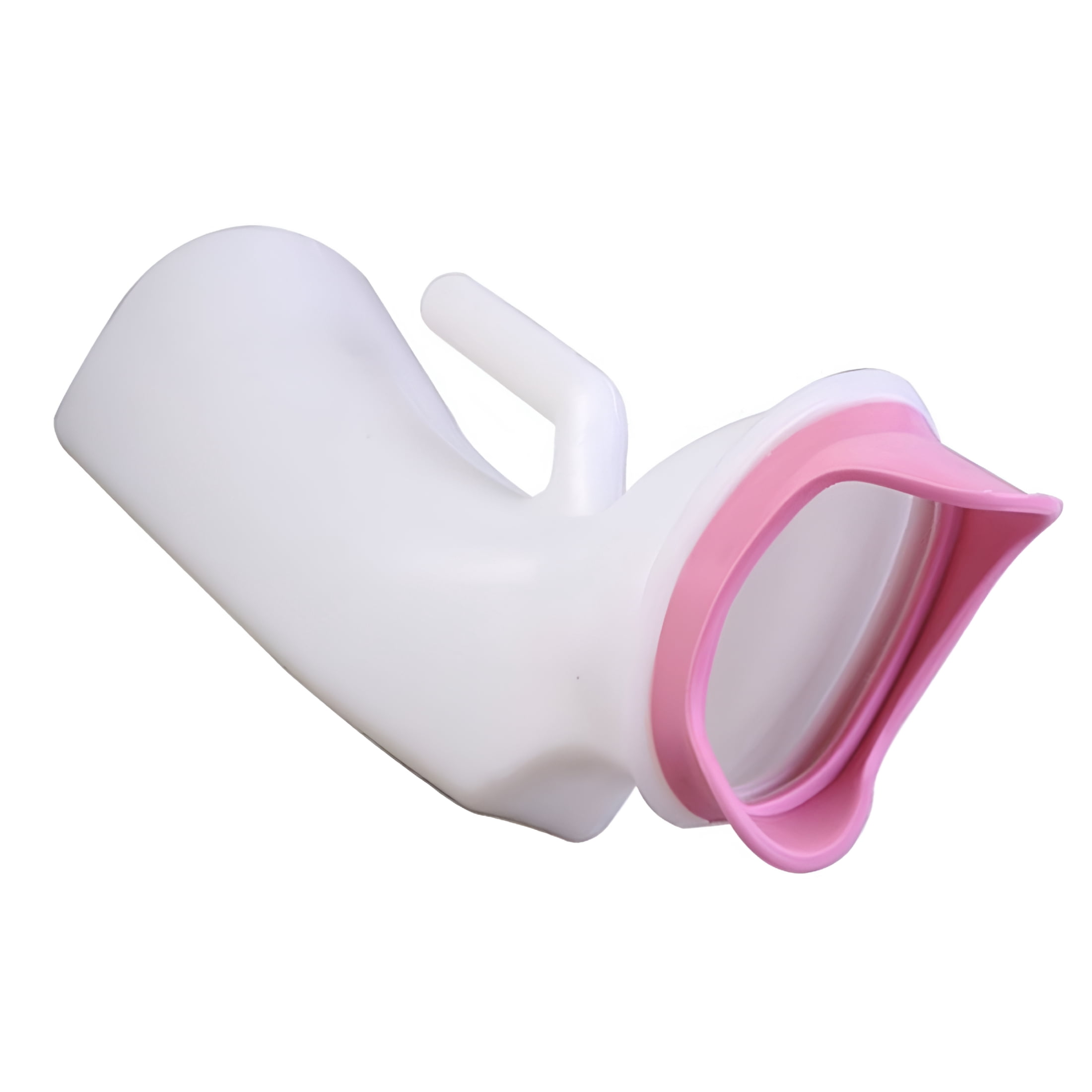
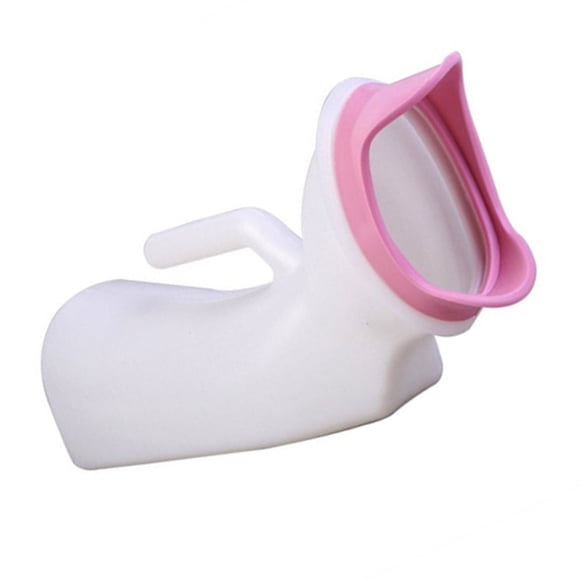
Female urinals vary in shape. Some have a flat, oval opening. Others have a contoured rim, a handle, or an anti-spill design. Read the product instructions first because the correct position can differ by model.
If the person has a urinary catheter, ask the nurse or clinician before using a urinal. Do not disconnect or move the catheter unless a qualified professional tells you to do so.

How to Use a Female Urinal in Bed
Follow these steps. Move slowly, especially if the person has pain, weakness, dizziness, or recent surgery.
1. Explain the process and protect privacy
Tell the person what you will do before you begin. Close the door or curtain and keep the person covered as much as possible.
If you are assisting, wash your hands and put on gloves. Gloves do not replace handwashing. Clean hands before and after the task.
2. Help the person into a safe position
The best position is often semi-reclined with the upper body raised and the knees slightly bent. This position can make it easier to place the urinal and reduce strain.
If the person cannot bend their knees, they may remain on their back with the legs slightly apart. A person who cannot use the urinal while lying flat may need to turn partly onto one side, if that movement is safe.
Do not raise the head of the bed or turn the person if a doctor or nurse has restricted movement. Follow instructions given after hip, spine, abdominal, or other surgery.
3. Place the opening against the body
The person should lower their underwear or hospital gown enough to expose the urethral area. The urethra is the small opening where urine leaves the body. It is above the vaginal opening.
Place the wide rim of the urinal against the vulva. The vulva is the external genital area. The rim should make gentle contact with the skin without pressing hard.
For many female urinals, the narrow or pointed end faces toward the person’s feet. However, the shape of the product matters. Follow the label if it shows a different direction.
4. Keep the urinal level or slightly tilted
Hold the urinal steady. Keep its opening in contact with the body while the person urinates.
Tilt the container just enough to let urine flow into it. Do not tilt it so far that the opening loses contact or the urine runs toward the edge.
The person may hold the urinal if they have enough strength and control. Otherwise, the caregiver should support the container. Do not rely on a weak grip.
5. Allow time to urinate
Encourage the person to relax and take slow breaths. Do not rush or push on the lower belly.
Some people find it easier to urinate after hearing running water or after having a warm, damp cloth placed over the lower abdomen. Do not use heat on numb skin or near a fresh wound unless a clinician approves it.
If urine does not start, wait a few minutes. Repositioning the urinal may help. Stop if the person has pain, severe pressure, dizziness, or distress.
6. Remove the urinal carefully
When the person finishes, keep the container upright before moving it away. Press the rim gently against the skin for a moment to catch drops.
Help the person wipe from front to back. This direction helps reduce the spread of bacteria from the anus toward the urethra. Avoid vigorous rubbing, especially if the skin is sore.
Replace clothing and cover the person before leaving the bedside.
7. Empty and clean the urinal
Carry the urinal upright to the toilet or another approved disposal point. Empty it slowly to prevent splashing.
Clean the urinal according to the manufacturer’s instructions. In general, rinse away urine, wash the container with warm water and mild soap, rinse again, and let it air-dry with the opening facing up or down as the product instructions state.
Do not mix bleach with ammonia, vinegar, or other cleaners. If a healthcare facility provides a cleaning method, follow that method instead.
Wash your hands after removing gloves. The person should also clean their hands if they touched the urinal or nearby surfaces.

How to Prevent Leaks and Spills
Most leaks happen because the rim is not fully against the vulva, the urinal is held at the wrong angle, or the person shifts during urination.
Use these adjustments:
| Problem | Likely cause | What to try |
|---|---|---|
| Urine runs onto the bed | The rim is not sealed against the skin | Reposition the opening and keep gentle contact |
| The container overflows | It was not emptied after use | Check the capacity before use and empty it promptly |
| The urinal tips over | It was placed on the bed without support | Hold it or set it in a stable basin |
| Urine misses the opening | The container is too far away or angled poorly | Bring the rim closer and keep it slightly tilted |
| The person cannot start | Tension, pain, or an awkward position | Give privacy, raise the head of the bed if allowed, and reposition |
| The skin becomes sore | Pressure, moisture, or repeated wiping | Use less pressure, keep skin dry, and ask a clinician about persistent irritation |
A waterproof pad is useful even when the technique is good. It protects the mattress and lowers stress if a small spill occurs.
Do not place the urinal under the person and leave it there for a long time. Pressure from the rim can irritate skin and may contribute to skin injury, especially in people with limited sensation or poor blood flow.

Choosing the Right Female Urinal
Choose a model based on the person’s mobility, hand strength, body position, and need for spill control. A simple bottle may work for a person who can sit up and hold it. Someone who must remain flat may need a wider, contoured opening.
Consider these features:
- Wide, contoured opening: May make positioning easier.
- Handle: Useful when hand strength or movement is limited.
- Clear body: Helps the caregiver see the urine amount and color.
- Secure cap: Helps prevent spills during transport.
- Anti-spill design: May help, but it does not prevent leaks if the rim is poorly placed.
- Easy-to-clean surface: Reduces residue and odor.
- Reusable or disposable format: Depends on the care setting and cleaning ability.
Do not assume that a product labeled “female urinal” will fit every body. If the opening causes pain, does not sit flat, or repeatedly leaks, try a different design or ask a nurse, occupational therapist, or medical-supply professional for help.
A female urinal is often more private and less disruptive than using a bedpan. A bedside commode may be better when the person can safely stand or transfer. A catheter has different risks and should only be inserted or managed under clinical guidance.

Hygiene and Skin Care
Clean the skin after each use if urine touches the body. Moisture left against the skin can cause irritation and may worsen incontinence-associated dermatitis.
Use warm water or a gentle, fragrance-free cleanser. Pat the area dry instead of rubbing. If a healthcare professional recommends a moisture barrier cream, apply a thin layer as directed.
Keep reusable urinals assigned to one person. Do not share them without proper cleaning and disinfection. Label the urinal in a hospital or shared-care setting.
A strong smell does not always mean infection. It may result from concentrated urine, certain foods, medicines, or a dirty container. Persistent odor with other symptoms should be assessed rather than covered with perfume or harsh cleaners.
Seek medical advice if the person has burning while urinating, new urgency, fever, chills, lower abdominal pain, back or side pain, confusion, or worsening weakness. Older adults may have serious illness without classic symptoms, so sudden changes deserve prompt attention.
When to Stop and Get Medical Help
Stop using the urinal and seek urgent help for severe pain, fainting, trouble breathing, heavy bleeding, or a new inability to move safely.
Contact a healthcare professional promptly if:
- The person feels a strong need to urinate but cannot pass urine.
- Little or no urine comes out for many hours despite normal fluid intake.
- Urine contains visible blood or clots.
- The person has fever, chills, or pain in the back or side.
- The abdomen becomes swollen, hard, or very painful.
- The person becomes newly confused or unusually sleepy.
- A recent surgical wound opens or causes severe pain during movement.
- The urinal use causes repeated skin tears or bleeding.
The exact response depends on the person’s medical history, fluid limits, kidney function, medicines, and recent procedure. People with heart or kidney disease should follow their clinician’s fluid instructions rather than forcing extra water.
For an emergency in the United States, call 911. For non-emergency symptoms, contact the person’s doctor, surgeon, home-health nurse, or an urgent care service.
Common Mistakes to Avoid
Avoid these mistakes when using a female urinal in bed:
- Holding the urinal too far from the body. The opening must stay close to the vulva.
- Forcing the rim against the skin. Firm pressure can cause pain and irritation.
- Lifting the container too high. This can direct urine back toward the body or cause a spill.
- Leaving the urinal under the person. Remove it as soon as use ends.
- Rushing the person. Anxiety and poor positioning can make urination harder.
- Cleaning with mixed chemicals. Some combinations release dangerous fumes.
- Ignoring a change in urine or symptoms. A urinal can help you notice changes, but it cannot diagnose their cause.
- Trying to manage a catheter without instruction. Catheter care has separate safety rules.
If the person has repeated accidents, ask the care team to review the entire setup. The problem may be weakness, pain, confusion, medication effects, constipation, limited hip movement, or a urinal that does not fit well.

Frequently Asked Questions
Can a female urinal be used while lying down?
Yes. Many people can use one while lying down or semi-reclined. Semi-reclined positioning often makes placement easier, but the safest position depends on the person’s condition and movement limits.
How do you use a female urinal after hip surgery?
Follow the surgeon’s movement restrictions first. Do not force the hips apart or bend them beyond the allowed range. A nurse, physical therapist, or occupational therapist can show the safest position and may recommend a specific urinal design.
Can you use a female urinal for bowel movements?
No. A female urinal is designed for urine. Use a bedpan, commode, or other product made for stool, with guidance from the care team.
How often should a reusable female urinal be cleaned?
Clean it after every use. Follow the manufacturer’s instructions for washing and disinfection. Replace it if it cracks, develops a rough surface, retains odor after cleaning, or cannot be disinfected properly.
What is better: a female urinal or a bedpan?
A female urinal is usually smaller and may be easier to hold or transport. A bedpan is designed for both urine and stool and may be needed when a person cannot position a urinal. The better choice depends on mobility, body position, comfort, and the care plan.

Key Takeaways
- Place the urinal opening gently and firmly against the vulva.
- Keep the container steady and slightly tilted toward the person’s feet.
- Use a waterproof pad to protect the bed.
- Clean the urinal after every use and keep the skin dry.
- Do not force movement after surgery or while movement is restricted.
- Seek medical help for urinary retention, blood, fever, severe pain, or sudden confusion.
Conclusion
Using a female urinal in bed is safest when the person is supported, the rim fits closely, and the container stays steady during urination. Privacy, patience, skin care, and careful cleaning matter as much as the product itself.
If leaks continue or the person cannot urinate comfortably, ask a U.S. healthcare professional to check the person’s position, mobility limits, medicines, and equipment. For additional general guidance, consult resources from MedlinePlus, the National Institute of Diabetes and Digestive and Kidney Diseases, and the Centers for Disease Control and Prevention.

Michael Reynolds is a senior contributor at RetirementGazette.com, where he focuses on helping readers navigate the journey toward a secure and fulfilling retirement. With over a decade of experience in personal finance, retirement planning, and lifestyle writing, Michael combines practical strategies with easy-to-understand guidance tailored for both pre-retirees and those already enjoying their golden years.