The best shower chairs for left side deficient people offer steady support, safe access, and a setup that suits the user’s stronger side.
A shower can feel risky when one side of your body feels weak, numb, or hard to control. A stable seat may reduce the need to stand, but the right choice depends on how you transfer, your shower layout, and the level of help you need. I compare two options here: a padded chair with armrests and a back, and a wheeled shower commode. Ask a clinician or occupational therapist to help plan transfers if you have had a stroke or have major balance problems.
See the differences between my top picks at a glance.
| Product | Support style | Best suited to | Key point to check | Link |
|---|---|---|---|---|
| Medline Padded Shower Chair | Back and padded armrests | Seated showering with support | Armrest fit and transfer path | View on Amazon |
| Giantex 3-in-1 Shower Commode | Wheeled commode-style seat | People who need a commode or transport-style setup | Wheel locks, fit, and caregiver needs | View on Amazon |
Left-side weakness can affect reach, balance, grip, and the way a person moves from a wheelchair or walker to a shower seat. A shower chair does not correct weakness. It can, however, give the person a place to sit while washing. I focus on how each design may fit different transfer needs, rather than suggesting that one chair works for every person. Check the current product listing for exact dimensions, parts, and weight limits before ordering.
Medline Shower Chair with Padded Armrests and Back
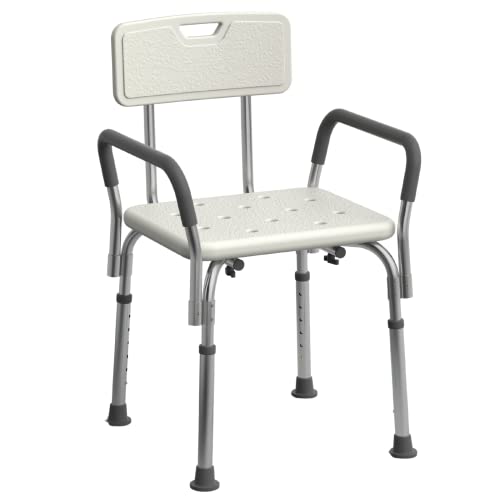
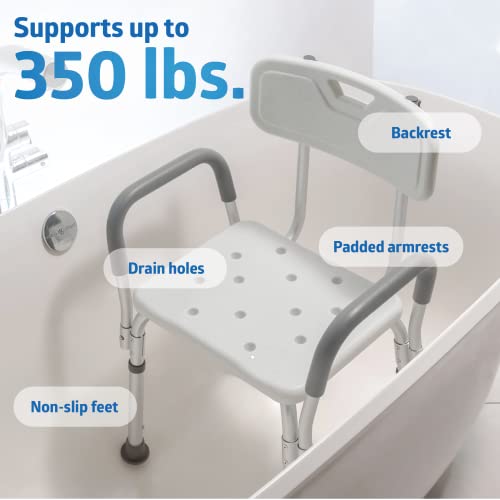
The Medline shower chair combines a seat, back support, and padded armrests in a familiar bath-seat design. The product title lists adjustable height and a 350-pound capacity, though you should confirm the current listing and instructions before buying. The back can give a seated user a place to rest against while bathing. The armrests may also offer a handhold when the user shifts position, if the clinician says that is safe.
For someone with left-side weakness, the chair’s layout matters as much as its padding. A person may need to enter from the stronger side, or may need a helper to guide the transfer. Fixed armrests can be useful for some users, yet they can also block a side transfer or a close wheelchair approach. Measure the bathroom and think through the full path into the seat before you choose this style.
Pros:
- Back support gives the user a place to rest while seated.
- Padded armrests may feel more comfortable than hard, narrow supports.
- Adjustable height can help match the seat to the user and the shower setup.
- The design is made for seated shower use rather than transport between rooms.
- The stated 350-pound capacity may suit users who need a higher listed limit than many basic seats.
- A simple chair shape may be easier to understand and use than a multi-purpose commode system.
- It does not have wheels, so there is no need to manage a rolling base during a shower transfer.
Cons:
- Armrests may get in the way if the user needs a side-entry transfer.
- The chair is not described as a wheeled transport device or bedside commode.
- It may not fit every shower stall, especially if the space is narrow or has a raised threshold.
- Buyers must confirm seat dimensions and height range against the user’s needs.
What Amazon Buyers Are Saying
Amazon reviews can change over time, and I cannot verify a current set of buyer comments for this listing here. I will not assign specific praise or complaints to customers without checking those comments directly. Before buying, read recent reviews for notes about assembly, comfort, stability, fit, and the way the chair works in a shower like yours. Give extra weight to reviews that include the buyer’s height, bathroom layout, and transfer needs, since those details make feedback more useful.
My Recommendation
I would consider the Medline chair for a user who can sit upright and needs a steady place to bathe, especially when a back and armrests are helpful. It may be a poor match if a fixed armrest blocks the user’s usual transfer route. Ask a physical or occupational therapist whether the user should transfer from the left, right, or front, and test the planned route without water first. The ratings below are editorial fit scores based on the listed features, not lab measurements or a clinical safety test.
| Category | Editorial rating |
|---|---|
| Seated support | 4.5/5 |
| Left-side transfer flexibility | 3.5/5 |
| Ease of use | 4/5 |
| Value for stated features | 4/5 |
| Overall fit | 4/5 |
Giantex 3-in-1 Shower Commode

The Giantex product is described as a 3-in-1 shower commode, transport chair, and bedside commode. Its listing title also describes wheels, adjustable height, and a pedal. This combination may be useful for a person who needs more than a place to sit in the shower. A multi-purpose frame can serve several care tasks, but the added functions also mean more parts and more steps to understand.
For a person with left-side weakness, a wheeled design needs careful planning. The user or caregiver must know how the wheels lock, how the seat transfers, and whether the chair fits the bathroom route. The product name alone does not confirm its exact brake setup, dimensions, or safe transfer method, so check the current listing and manual. Never assume that a wheeled chair will stay still during a transfer.
Pros:
- Its 3-in-1 design is intended to serve shower, commode, and transport roles.
- Wheels may help a caregiver move the chair when the user cannot walk between care areas.
- Adjustable height may help with positioning, subject to the manual’s permitted range.
- The commode function may help people who need toileting support near the bathing area.
- A combined design may reduce the need to move between separate pieces of equipment.
- The product title identifies it for older adults and people with disabilities.
Cons:
- Wheels make correct brake use essential during transfers; verify the locking system before use.
- A larger, multi-purpose chair may be harder to fit in a small shower or bathroom.
- Its several functions may take more time to assemble, clean, and learn than a basic shower chair.
- The listing details provided here do not state its dimensions, weight capacity, or exact brake features.
- A caregiver may be needed for safe movement and transfer, depending on the user’s ability.
What Amazon Buyers Are Saying
Buyer opinions can change, and I cannot confirm current review patterns for this listing. I do not want to invent claims about comfort, assembly, or durability. Read recent verified-purchase reviews and look for specific details about wheel locks, the commode setup, cleaning, and use in a real shower. If a review mentions a problem with a part or fit, compare it with the current product description and contact the seller or maker if you need clarification.
My Recommendation
I would shortlist the Giantex for someone who needs a combined shower and commode solution, or whose caregiver needs a wheeled option for moving between nearby care areas. I would not choose it just because it has wheels. Check its size, brakes, weight limit, and transfer plan first. If the user has left-side weakness, ask a clinician to watch or guide a practice transfer before using it in a wet bathroom. These are editorial fit scores, not clinical test results.
| Category | Editorial rating |
|---|---|
| Multi-purpose use | 4.5/5 |
| Transfer planning needs | 3.5/5 |
| Bathroom fit flexibility | 3.5/5 |
| Value if several functions are needed | 4/5 |
| Overall fit | 4/5 |
How to Choose the Best Shower Chairs for Left Side Deficient People
The best shower chairs for left side deficient people are not always the most padded or the most advanced. The best choice is the one that matches the person’s ability, transfer route, and bathroom. Left-side weakness can affect the arm, leg, or both, and it can range from mild to severe. A therapist can help assess the person’s balance and movement. Use that guidance alongside the product’s manual and fit details.
1. Plan the transfer from the stronger side
Start by deciding how the person will get onto and off the seat. A person with left-side weakness may rely more on the right side, but this is not true for everyone. Some people have weakness on both sides, poor balance, pain, or trouble following steps. A physical therapist or occupational therapist can show the safest transfer approach for that person.
Think about the path from the door or wheelchair to the chair. Check if a wall, toilet, tub edge, or vanity blocks the route. A chair with armrests may support a seated person, but those arms may block a side transfer. A wheeled commode may help with moving, yet it also requires the caregiver to understand its brakes and handling. Do not assume a transfer works because the chair fits inside the shower.
Try a practice transfer in a dry, open area first, if a clinician says it is appropriate. Keep the floor clear. Make sure the chair sits on a level surface and follow the maker’s instructions. Do not pull on towel bars, shower doors, or other fixtures as if they were grab bars. A fixed grab bar must be properly installed for that purpose.
2. Match the chair to the bathroom and the user
Measure the shower opening, the interior floor, and the route into the room. Then compare those measurements with the chair’s full width, depth, and height in the current product details. Include space for a helper, if one will assist. A chair that fits in the shower may still leave too little room to turn or reach the controls.
Check the seat height range and the user’s body position. The person should be able to sit and stand with as much control as possible, while following professional advice. Also check the seat width and weight capacity. The Medline product title lists a 350-pound capacity, but confirm that figure and all fit details on the live listing and product instructions. The Giantex details provided here do not state its capacity, so confirm it before purchase.
Consider how the person will reach soap, a handheld shower, and towels. Keep needed items close, but not where they can fall underfoot. A shower chair does not make the whole bathroom safe by itself. Many fall-prevention resources, including advice from the CDC, stress reducing hazards and improving safety at home. For a personal plan, ask a clinician to review the bathroom, since each person’s risks differ.
3. Choose features that support daily care and cleaning
Look at the features the user will actually use. A backrest may help a person who tires while sitting. Padded arms may feel more comfortable, while an open side may matter more for a transfer. A commode feature can serve a separate care need, but it adds cleaning tasks. Wheels can help a caregiver move the chair, but they also require a clear understanding of the brakes and safe use.
Check the product manual for assembly, cleaning, and maintenance steps. Inspect all parts after assembly and follow the maker’s guidance for use. Do not use a chair with a loose part, damaged leg, worn foot, or wheel that does not work as directed. If the product has adjustable legs or height settings, make sure all sides sit at the same approved setting.
Compare total value, not only the purchase price. A basic shower chair may be a better fit if the person only needs a place to sit. A 3-in-1 model may be worth considering if the person needs a commode and transport function too. Ask the seller or maker about any detail that is not clear, and check whether the product can be returned if it does not fit the bathroom or care plan.
Safety Tips for Showering With Left-Side Weakness
Use the chair only as the manufacturer directs. Place it on a firm, level surface, and follow the instructions for any height adjustment. If it has wheels, confirm how to lock them before any transfer. Keep the floor as dry as possible outside the shower and remove loose rugs or objects from the walking path.
Set up the shower before the user sits down. Place soap and a washcloth within reach. Use a handheld shower head if the clinician or bathroom setup supports it. Keep hot water risk in mind, since a person with reduced feeling may not notice heat as quickly. Test the water in a safe way, and follow any advice from the person’s medical team.
Do not leave someone alone if their care plan calls for assistance. A shower chair is not a substitute for a caregiver when the user cannot transfer or sit safely alone. If the person feels dizzy, weak, or unwell, stop and get help. For a new or worsening weakness, seek medical care promptly.
Which Chair Fits Which Situation?
The Medline chair may make more sense when the main goal is seated bathing and the user benefits from a back and armrests. It has a more familiar, simple chair form. Still, the armrests may not suit every transfer. Check the user’s approach angle and make sure they can get to the seat without twisting or leaning too far.
The Giantex may be a better candidate when the user also needs commode or transport functions. That does not make it the safer choice for every person. A wheeled frame brings added steps, and it may need more room. The user and caregiver should know how to position and secure it before a transfer.
When comparing the best shower chairs for left side deficient people, give the most weight to the transfer plan, fit, and user support needs. Features matter only when they help the user complete daily care safely. If two products both fit, choose the one the user and caregiver can operate with less strain and fewer steps.
Final Verdict: Which Should You Buy?
For seated showering with back and arm support, I would start with the Medline chair, after checking the transfer path and fit. Choose the Giantex if its commode and transport functions meet a real care need and its brakes, size, and capacity check out.
The best shower chairs for left side deficient people depend on safe transfers, not a product label. Measure first, review the manual, and ask a clinician to help match the chair to the user.
FAQs Of best shower chairs for left side deficient people
What type of shower chair is best for left-side weakness?
Choose a chair that fits the user’s transfer method, balance, and bathroom. A therapist can help decide whether armrests, a back, or a wheeled commode will work best.
Should a shower chair have armrests for someone with left-side weakness?
Armrests may help with seated support, but they can block a side transfer. Check the user’s transfer route with a clinician before choosing a chair with fixed arms.
Are wheeled shower commodes safe for home use?
They may suit some care plans, but users and caregivers must follow the manual and understand the wheel-lock system. Confirm the fit, capacity, and transfer method before use.
How do I know if a shower chair will fit my bathroom?
Measure the shower opening, interior floor, and route into the room. Compare those measurements with the chair’s full dimensions on the current product listing.
Can a shower chair prevent falls?
A shower chair may reduce the need to stand while bathing, but it cannot remove all fall risks. Proper setup, transfer support, and a safer bathroom plan also matter.

Michael Reynolds is a senior contributor at RetirementGazette.com, where he focuses on helping readers navigate the journey toward a secure and fulfilling retirement. With over a decade of experience in personal finance, retirement planning, and lifestyle writing, Michael combines practical strategies with easy-to-understand guidance tailored for both pre-retirees and those already enjoying their golden years.