To get a senior discount card, check local programs, meet the age rule, apply online or in person, and show valid ID.
Learning how to get a senior discount card can help you save on food, travel, health care, museums, and daily services. The key is knowing that there is no single U.S. card accepted everywhere. Instead, you may need a local senior ID, a membership card, a transit pass, or a store-specific discount card.
This guide explains the main types of senior discount cards, where to apply, what documents you may need, and how to avoid common scams. It also covers discounts that do not require a card at all.
What Is a Senior Discount Card?
A senior discount card is an identification or membership card that may help older adults receive reduced prices. The discount can apply to groceries, restaurants, public transportation, entertainment, hotels, prescriptions, and other services.
The card may come from a city, county, state, nonprofit group, transportation agency, or private business. Each program sets its own age limit, fees, benefits, and proof requirements.
When people search for how to get a senior discount card, they often expect one national card. In reality, the United States does not have one universal senior discount card accepted by every business.
Common types include:
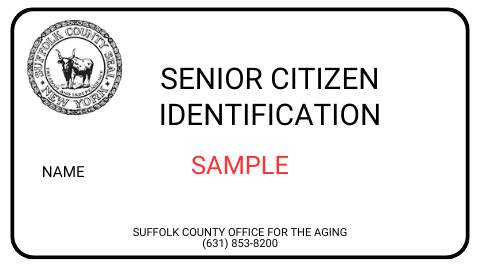
• Local senior citizen identification cards
• Public transportation senior passes
• Membership cards from nonprofit organizations
• Retail loyalty cards with senior savings
• Recreation center or community center cards
• State or county benefit cards
• Business-specific discount cards
Some cards prove your age, while others provide membership benefits. These are not always the same thing. For example, a transportation agency may issue a reduced-fare card, while a private organization may offer travel and shopping deals through paid membership.
Do You Need a Senior Discount Card?
You do not always need a card to receive a senior discount. Many businesses accept a driver’s license, state identification card, passport, or another official document that shows your birth date.
Restaurants, movie theaters, museums, and local attractions may simply ask whether you meet their age requirement. Some businesses may use an honor system, while others may ask for proof before applying the discount.
A card can still make the process easier. It gives you a simple way to show eligibility without sharing extra information each time.
You may need a card when:
• The discount is connected to a formal membership
• You want reduced public transit fares
• A local program requires registration
• The business offers discounts only through its loyalty system
• You receive benefits through a senior center or community organization
• You want access to online member offers
Before applying, ask the business or agency three basic questions:
-
What age qualifies?
-
Is a card required?
-
What documents and fees apply?
These questions can save time and prevent you from paying for a card that does not offer useful benefits.

How to Get a Senior Discount Card Through Local Government
A local government office is often the best place to start. Cities, counties, and transit agencies may offer senior identification cards or reduced-fare passes.
Search the official website for your city, county, or state. Use terms such as “senior citizen card,” “senior ID,” “older adult benefits,” or “senior transit pass.” You can also call the local aging services office or visit a nearby senior center.
Follow these steps:
-
Find the official program website or office.
-
Check the minimum age and residency rules.
-
Review the accepted documents.
-
Complete the online or paper application.
-
Pay any stated fee.
-
Submit your application and wait for approval.
You may need to provide:
• A driver’s license or state ID
• Proof of age
• Proof of address
• A recent photograph
• A completed application
• Proof of disability, if the program has special eligibility rules
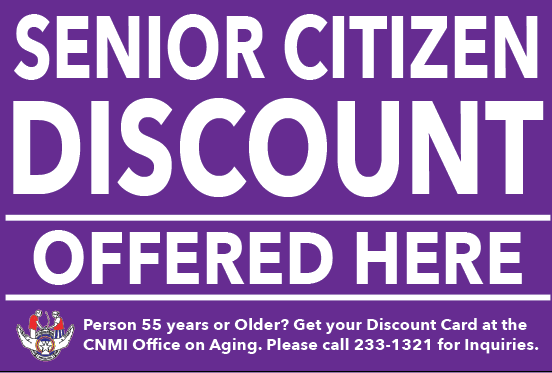
Age rules vary. Some programs begin at age 55, while others require applicants to be 60, 62, 65, or older. Residency rules also vary. A city card may only be available to people who live within city limits.
Do not assume that a Medicare card proves eligibility for every senior program. Medicare eligibility and senior discount rules are separate. Medicare generally serves people age 65 and older, along with some younger people with qualifying disabilities or conditions, but a business may use a different age rule.

How to Get a Senior Discount Card From a National Organization
Some national organizations offer membership cards with discounts. One well-known example is AARP, which generally allows adults age 18 and older to join. You do not have to be a senior to become a member, although many offers appeal to older adults.
Membership programs may offer savings on:
• Hotels and rental cars
• Restaurants
• Insurance products
• Online shopping
• Entertainment
• Travel services
• Health and wellness products
A membership card is not the same as a government-issued senior ID. It usually proves that you belong to the organization, not that you meet a specific age requirement.
To apply, visit the organization’s official website or call its verified customer service number. Compare the annual fee with the savings you realistically expect to use. If you rarely travel or shop with participating businesses, a paid card may not be worthwhile.
A useful rule is simple: estimate your likely savings before paying for membership. If the annual fee is $16 and you expect to save only $10, the card may not provide real value.

How to Get a Senior Discount Card for Public Transportation
Transit agencies often provide some of the most useful senior discount cards. These cards can lower the cost of buses, subways, trains, paratransit, or regional transportation.
Start with your local transit agency. Look for pages titled “senior fare,” “reduced fare,” “older adult pass,” or “reduced-fare ID.”
The application process may include:
• Completing a reduced-fare application
• Showing a government-issued ID
• Providing proof of age
• Showing proof of local address
• Supplying a passport-style photo
• Visiting an enrollment center
• Paying a small card replacement or processing fee
Some agencies let you apply by mail. Others require an in-person visit because staff must verify your identity or take your photo.
Check whether the card works only during certain hours. Some transit systems offer deeper discounts during off-peak times. Also ask whether the card expires and how to replace it if it is lost.
Keep the card safe. A reduced-fare transit card may be linked to your account, and replacement rules can be strict.

How to Get a Senior Discount Card From Stores and Restaurants
Many stores and restaurants do not issue a separate senior discount card. Instead, they offer a senior day, loyalty program, or automatic discount at checkout.
Call before visiting because policies can change. Ask:
• What age qualifies?
• Which days offer the discount?
• Is the discount available at every location?
• Do I need a loyalty account?
• Can the discount be combined with coupons?
• Does it apply to sale items?
Some grocery stores offer senior shopping days. Others provide lower prices through a rewards account. Restaurants may offer a percentage discount, a special menu, or smaller portions at a reduced price.
Keep your driver’s license or state ID available. A cashier may need to verify your age, especially if the discount is not linked to a customer account.
A common mistake is assuming that a discount applies to the entire purchase. Some programs exclude alcohol, prescriptions, gift cards, fuel, delivery fees, or clearance items. Always read the terms or ask the cashier before paying.

Documents You May Need
The documents required for a senior discount card depend on the program. Most applications ask for basic proof of identity and age.
Common documents include:
• State driver’s license
• State identification card
• Passport
• Birth certificate
• Proof of address
• Utility bill or lease
• Social Security document
• Recent photograph
Bring original documents when an office specifically requires them. For online applications, upload clear copies and make sure every detail is easy to read.
Avoid sending sensitive documents through an unverified email or social media message. Use a secure government, transit, or organization website. Check the web address carefully before entering personal information.
If a program asks for your Social Security number without a clear reason, ask why it is needed. Many senior discount programs only need your name, birth date, address, and identification.
How Much Does a Senior Discount Card Cost?
The cost can range from free to a yearly membership fee. Local government and transit cards are often free or low cost, but this depends on the agency.
Possible costs include:
• Application fees
• Replacement card fees
• Annual membership charges
• Shipping fees
• Photo fees
• Account activation fees
A paid card is not automatically better. Its value depends on how often you use the benefits.
For example, imagine a travel membership costs $20 per year. If it saves you $50 on hotels and restaurants, it may be useful. If you do not use any participating businesses, it is simply an extra expense.
Read the cancellation and renewal policy before paying. Some memberships renew automatically each year. Set a calendar reminder if you do not want an unexpected charge.
How to Find Legitimate Senior Discount Programs
Knowing how to get a senior discount card also means knowing how to identify a legitimate program. Scammers often use terms such as “official senior card” or “national senior benefits card” to create urgency.
Use these safety checks:
• Start with a government, transit, nonprofit, or business website you trust.
• Confirm the organization’s phone number independently.
• Avoid programs that promise discounts everywhere.
• Be cautious if the card requires a large upfront payment.
• Do not pay with gift cards or cryptocurrency.
• Never share your bank password or one-time security code.
• Read the privacy policy and renewal terms.
• Search for clear contact details and a physical business address.
There is no single government-issued card that unlocks every senior discount in the United States. A company that promises universal acceptance should be treated carefully.
You can also ask a librarian, senior center worker, or local aging services office for help. These professionals often know which programs are active in the community.
How to Use a Senior Discount Card Effectively
Getting a card is only the first step. To receive the most value, learn the rules and use the card in places you already visit.
Try these practical habits:
• Carry the card in a safe wallet section.
• Ask about senior pricing before ordering or paying.
• Check expiration dates.
• Review monthly statements for membership charges.
• Keep a list of participating businesses.
• Compare the discounted price with other available deals.
• Use coupons only when the store allows stacking.
• Ask whether online purchases qualify.
A senior discount is helpful, but it is not always the lowest price. A store sale, loyalty reward, or public benefit may provide greater savings.
For example, a restaurant’s 10% senior discount may not beat its weekday lunch special. A hotel membership price may not beat a public employee, military, or AAA rate. Compare the final price rather than focusing only on the word “discount.”
Common Mistakes to Avoid
Many people lose money or miss savings because they rush into the first card they find. A few simple checks can protect you.
Avoid these mistakes:
• Paying for a card without checking participating businesses
• Assuming all locations follow the same policy
• Ignoring age and residency limits
• Forgetting to cancel automatic renewal
• Sharing personal information with unknown websites
• Carrying only a membership card when official ID is required
• Assuming a Medicare card works as a general discount card
• Failing to ask whether the discount applies to sale items
Another mistake is failing to ask for the discount. Employees may not mention it unless you request it politely.
A simple question works well: “Do you offer a senior discount, and do you need to see my ID?” This approach is clear, respectful, and usually takes only a few seconds.
Extra Ways Seniors Can Save Without a Card
A senior discount card is just one savings tool. You may find better help through public programs, nonprofit services, or standard customer rewards.
Explore:
• Medicare savings programs
• Medicaid, if eligible
• Supplemental Nutrition Assistance Program benefits
• Property tax relief
• Local utility assistance
• Prescription assistance programs
• Free library services
• Community meals
• Senior center activities
• Federal or state transportation programs
Eligibility for these programs may depend on income, disability, household size, or location. A senior center or local aging office can help you identify options.
Be careful with websites that claim to provide government benefits but charge a fee to submit a basic application. Many official benefit applications are free. Verify the program through a government website or a trusted local agency.
How to Get a Senior Discount Card: A Simple Checklist
Use this checklist to make the process easier:
-
Decide which discount you need, such as transit, shopping, travel, or local services.
-
Search for the official provider in your city, county, state, or neighborhood.
-
Confirm the age, residency, and membership rules.
-
Check whether the card is free or paid.
-
Gather your ID, proof of age, proof of address, and photo if needed.
-
Apply through the official website or office.
-
Save your receipt and application confirmation.
-
Learn where the card is accepted.
-
Check the expiration and renewal date.
-
Compare the savings with other available offers.
This process is usually easier when you apply for one card at a time. Start with a program you will use often, such as a transit pass or grocery discount.
Frequently Asked Questions
What is the easiest way to get a senior discount card?
The easiest way is to contact your local senior center, transit agency, or city office. They can explain which cards are available, the minimum age, and the documents you need.
Is there one senior discount card that works everywhere?
No. The United States does not have one universal senior discount card accepted by every business. Discounts are usually offered by individual companies, local governments, transportation agencies, or membership organizations.
What age qualifies for a senior discount?
The qualifying age depends on the business or program. Some discounts begin at age 55, while others require applicants to be 60, 62, or 65.
Can I get a senior discount with a driver’s license?
Often, yes. A driver’s license or state ID usually proves your identity and birth date, but some programs require their own card or membership account.
Is AARP a government senior discount card?
No. AARP is a private membership organization, not a government agency. Its membership may provide access to selected discounts, but it is not a universal senior identification card.
Are senior discount cards free?
Some are free, while others charge an application, replacement, or annual membership fee. Always compare the cost with the savings you expect to receive.
Can someone else use my senior discount card?
Usually not. Many cards are personal and cannot be shared. Check the program rules because misuse may lead to cancellation.
How can I avoid senior discount card scams?
Use official websites, verify contact details, and avoid cards that promise universal discounts. Never pay with gift cards, cryptocurrency, or wire transfers, and do not share sensitive account information with unknown sellers.
Conclusion
Learning how to get a senior discount card starts with identifying the type of savings you want. Check local government offices, transit agencies, senior centers, trusted organizations, and individual businesses before paying for any membership.
Keep your ID ready, review age and residency rules, and compare the real savings with the card’s cost. Start with one useful program, then explore other discounts and public benefits that fit your needs.
Take the next step by contacting your local senior center or transit agency today, and share your experience with senior discount programs in the comments.

Michael Reynolds is a senior contributor at RetirementGazette.com, where he focuses on helping readers navigate the journey toward a secure and fulfilling retirement. With over a decade of experience in personal finance, retirement planning, and lifestyle writing, Michael combines practical strategies with easy-to-understand guidance tailored for both pre-retirees and those already enjoying their golden years.