Eligible seniors usually get a UnitedHealthcare food card through a qualifying Medicare Advantage plan.
Learning how to get a UnitedHealthcare food card for seniors starts with checking plan eligibility, benefit rules, and enrollment status. This guide explains the process in plain language, including who may qualify, how to apply, what documents to prepare, and how to use the card safely.
What Is the UnitedHealthcare Food Card?
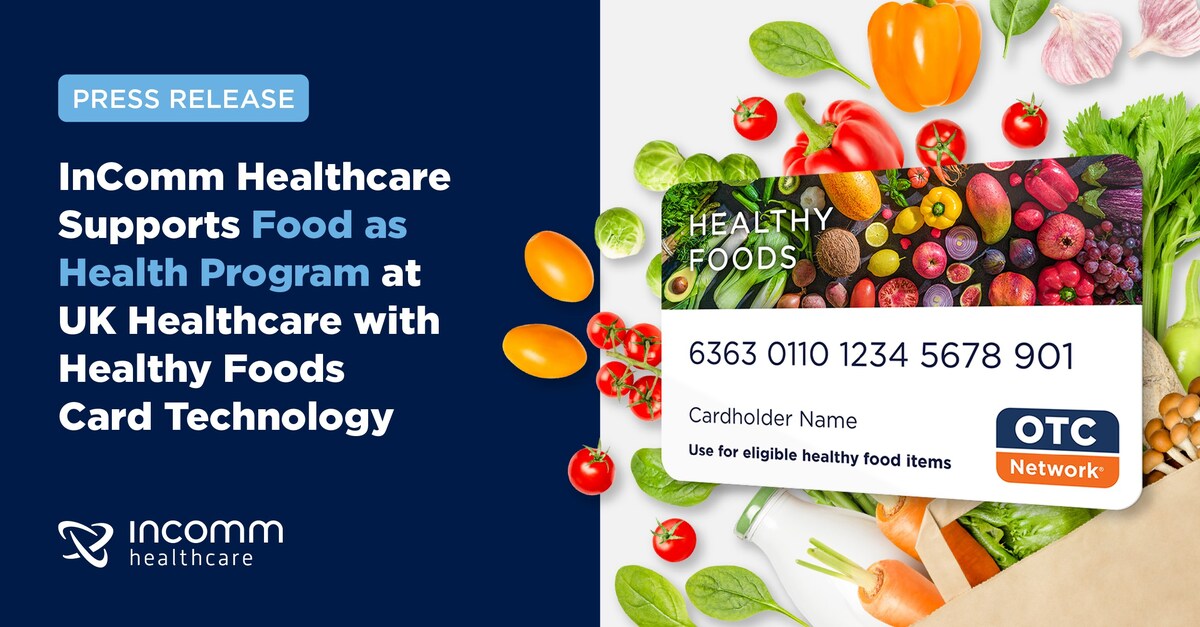
A UnitedHealthcare food card is a plan benefit that may help eligible members buy approved healthy foods. It is often linked to a UnitedHealthcare Medicare Advantage plan and may appear as part of the UCard or another benefit card.
The benefit is not offered to every UnitedHealthcare member. It may be limited to certain plans, service areas, or members who meet extra requirements, such as having both Medicare and Medicaid.
The card may cover items such as:
- Fresh fruits and vegetables
- Meat, poultry, and seafood
- Dairy products
- Eggs
- Frozen foods
- Pantry staples
- Nutritional drinks
- Seeds and plants used to grow food
Covered items and stores can change by plan. Some plans also use a monthly or quarterly allowance, while others may provide a set amount only during certain months.
The best way to think about the benefit is as a store credit with rules. It can help with approved groceries, but it usually cannot be used like cash for every item in a shopping cart.
Who May Qualify for a UnitedHealthcare Food Card?
The first step in learning how to get a UnitedHealthcare food card for seniors is checking whether your specific Medicare Advantage plan includes a healthy food benefit.
Many Medicare Advantage plans offer extra benefits beyond Original Medicare. These benefits can include food, over-the-counter products, transportation, dental care, vision care, or utility support. However, benefits vary widely by plan and county.
You may have a better chance of qualifying if you:
- Are enrolled in a UnitedHealthcare Medicare Advantage plan
- Live in the plan’s approved service area
- Meet the plan’s eligibility rules
- Have qualifying chronic health needs, when required
- Receive both Medicare and Medicaid, when the benefit is limited to dual-eligible members
- Keep your plan active and in good standing
A senior with Original Medicare Parts A and B alone does not usually receive a UnitedHealthcare food card. Original Medicare does not generally provide this type of grocery allowance.
Eligibility can also change each plan year. A benefit that was available last year may have a different amount, different food rules, or no longer be included. Always check the current plan documents rather than relying on an older card or advertisement.

How to Get a UnitedHealthcare Food Card for Seniors
The application process is often simpler than people expect. In many cases, there is no separate food card application if the benefit is already included in your Medicare Advantage plan.
Follow these steps:
- Check your plan name and member number. Look at your UnitedHealthcare member ID card or UCard.
- Review your Evidence of Coverage. Search for terms such as “healthy food,” “food benefit,” “grocery allowance,” “Special Supplemental Benefits,” or “extra benefits.”
- Sign in to your UnitedHealthcare member account. Look for a benefits page, UCard section, or food benefit balance.
- Call the member services number on the back of your card. Ask whether your plan includes a healthy food allowance and whether you meet the rules.
- Confirm the benefit amount. Ask whether the amount is monthly, quarterly, or annual.
- Ask where the card works. Request a current list of approved retailers, stores, and online options.
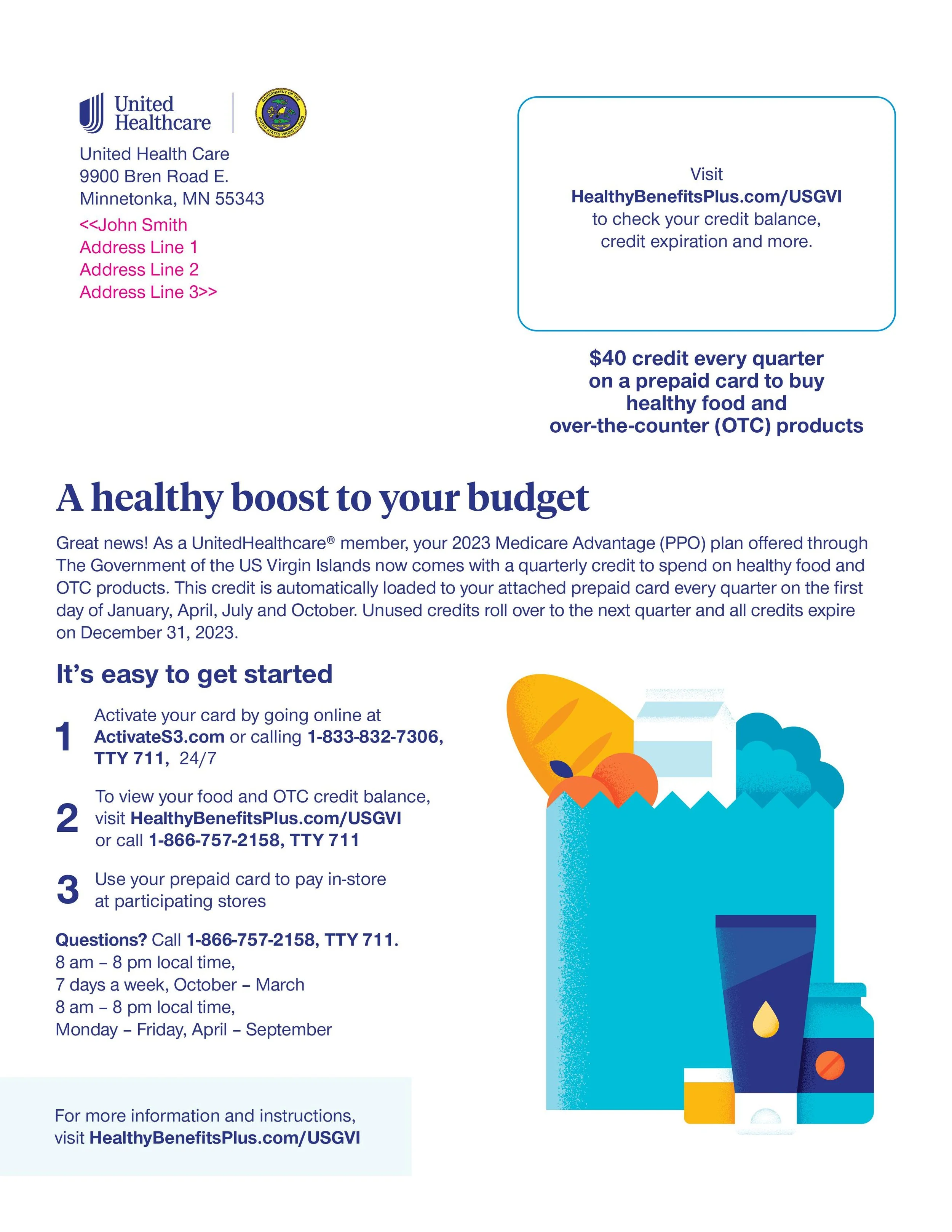
- Ask whether enrollment is automatic. Some members receive the card by mail, while others must activate it online or by phone.
- Activate the card before shopping. Follow the instructions that came with the card or UCard.
- Check the balance before buying groceries. This can help prevent an embarrassing declined transaction at checkout.
If you are still comparing plans, use Medicare’s official plan comparison tools or speak with a licensed insurance agent. Ask directly whether the plan offers a grocery benefit in your county. A benefit shown in one ZIP code may not be offered in another.
This is one of the most important lessons when researching how to get a UnitedHealthcare food card for seniors: the plan’s official materials matter more than a general online advertisement.
How to Apply If You Are Not Yet a Member
If you are not enrolled in UnitedHealthcare, you cannot usually request a food card as a stand-alone grocery program. You must first qualify for and enroll in a plan that offers the benefit.
You may enroll during an appropriate Medicare enrollment period, such as:
- Your Initial Enrollment Period around age 65
- The Annual Enrollment Period
- A Medicare Advantage Open Enrollment Period, when applicable
- A Special Enrollment Period after certain life events
Special Enrollment Periods may apply after moving, losing employer coverage, qualifying for Medicaid, or receiving certain forms of assistance. The exact rules depend on your situation.
Before choosing a plan, compare more than the food allowance. Review the plan’s:
- Monthly premium
- Medical network
- Prescription coverage
- Hospital and specialist costs
- Deductible and copay rules
- Dental and vision benefits
- Transportation benefits
- Maximum out-of-pocket limit
- Food card terms and restrictions
A larger food allowance does not always mean a better plan. A plan with a low grocery benefit but strong doctor coverage may be a better fit for your health needs.
How to Activate and Use the Food Card
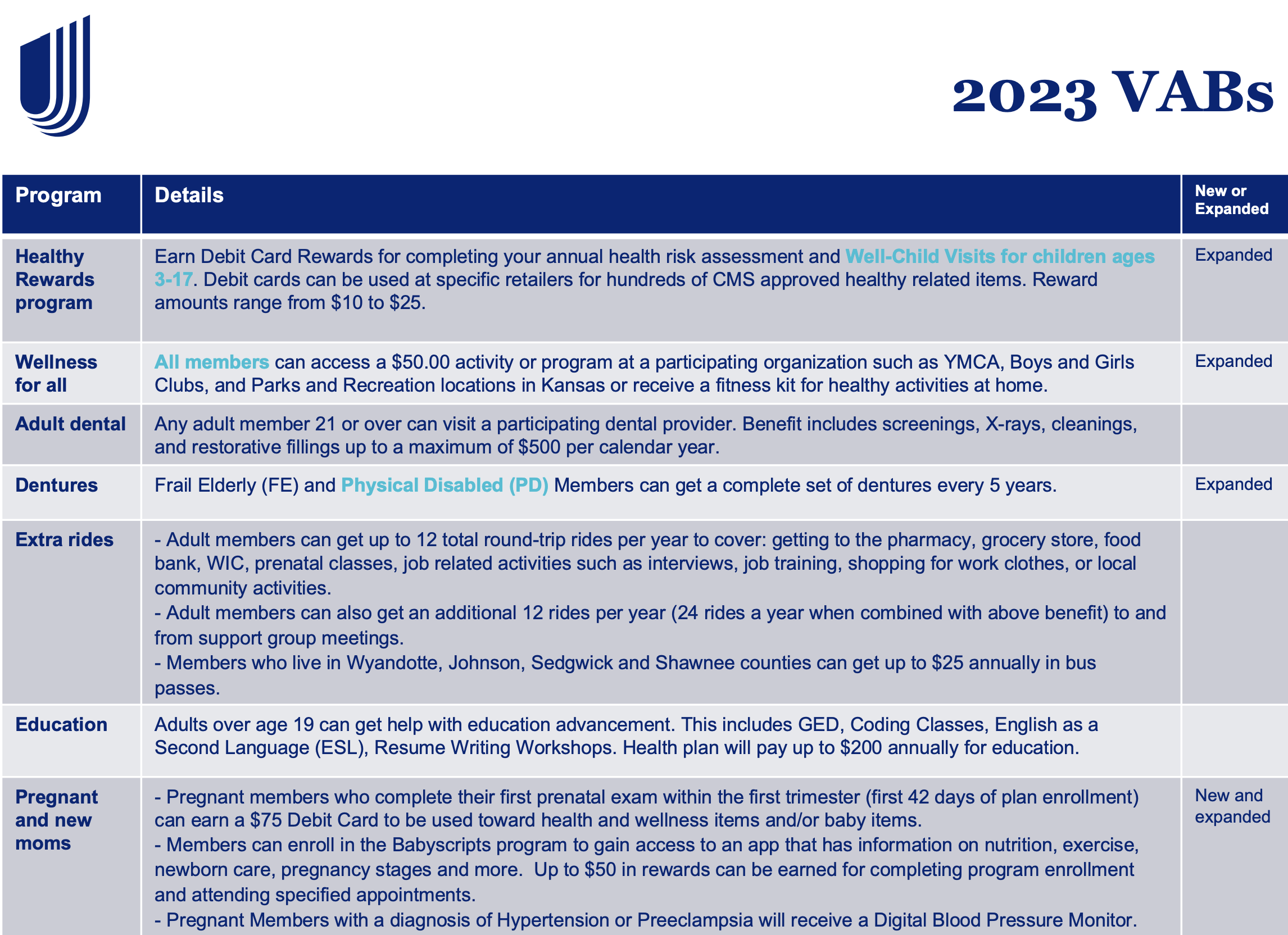
After you learn how to get a UnitedHealthcare food card for seniors, activation is the next key step. Follow the instructions included with the card, UCard, or welcome letter.
Activation may require:
- Calling an automated phone number
- Creating an online account
- Confirming your date of birth
- Entering your member ID
- Setting a personal identification number
- Agreeing to the card’s terms
At the store, use the card as instructed. Some cards work at the payment terminal like a debit card. Others require the cashier to scan eligible products separately.
Before checkout, separate approved items from non-covered items if possible. This makes it easier for the cashier to apply the benefit correctly.
Common covered items may include:
- Apples, oranges, greens, and other produce
- Rice, beans, pasta, and whole grains
- Milk, cheese, and yogurt
- Chicken, fish, and lean meat
- Low-sugar nutritional products, when allowed
Common non-covered items may include:
- Alcohol
- Tobacco
- Vitamins and medicine
- Pet food
- Household cleaners
- Cosmetics
- Prepared restaurant meals
- Gift cards
- Cash withdrawals
Rules differ by plan. Do not assume that a product is covered just because it is sold in a grocery store.
How Much Money Is on the UnitedHealthcare Food Card?
The amount depends on the plan, location, eligibility group, and plan year. Some members may receive a modest monthly amount. Others may receive a larger allowance on a quarterly schedule.
There is no single nationwide UnitedHealthcare food card amount for all seniors. Advertising that promises one fixed amount for every member can be misleading.
Ask these questions before using the benefit:
- How much money is available?
- When is the allowance added?
- Does unused money roll over?
- When does the balance expire?
- Which stores accept the card?
- Can the card be used online?
- Are delivery fees covered?
- Are farmers markets included?
- What happens if an item is partly covered?
Some allowances expire at the end of a month, quarter, or plan year. Others may roll over under limited conditions. Knowing the expiration rule can help you plan grocery trips instead of losing unused funds.
What to Do If Your Card Does Not Work
A declined transaction does not always mean you lost eligibility. The issue may involve activation, an incorrect PIN, an expired allowance, an unapproved store, or a product that is not covered.
Try these steps:
- Check your balance through the member website, app, or customer service line.
- Confirm that your card is activated.
- Ask whether the store participates in the program.
- Remove non-covered items from the transaction.
- Try using the card at a participating store listed by your plan.
- Call the number on the back of the card if the problem continues.
Keep receipts when possible. A receipt can help customer service review a denied purchase or a balance error.
If UnitedHealthcare denies a benefit that you believe your plan promises, ask for a written explanation. You may have appeal or grievance rights under your plan. Medicare Advantage members can review the Evidence of Coverage for detailed instructions and deadlines.
Never give your card number, password, or Medicare number to an unknown caller. Legitimate representatives should not pressure you to buy unrelated products or send money.
Mistakes to Avoid When Getting a Food Card
Many problems happen because seniors receive incomplete or outdated information. These mistakes are easy to avoid.
- Assuming every UnitedHealthcare Medicare plan includes groceries
- Applying for a card through an unverified website
- Confusing an OTC allowance with a food allowance
- Failing to check county-specific benefits
- Ignoring the plan’s approved store list
- Allowing the balance to expire
- Sharing the card with another person
- Buying non-covered items and expecting reimbursement
- Choosing a plan only because of its grocery benefit
- Missing Medicare enrollment deadlines
One common mistake is confusing the UnitedHealthcare OTC card with the UnitedHealthcare food card. An OTC benefit usually covers items such as pain relievers, first-aid supplies, toothpaste, or health equipment. A healthy food benefit has a different list of approved products.
When in doubt, call the number printed on your member card. This is safer and more accurate than relying on a social media post or an unofficial benefits website.
Tips for Seniors and Caregivers
A caregiver can help with the process, but UnitedHealthcare may require permission before discussing private member information. The member may need to add an authorized representative or complete a consent form.
Helpful tips include:
- Write down the customer service number in a safe place.
- Keep the benefit letter with other medical papers.
- Take a photo of the card only if the phone is secure.
- Set a calendar reminder before the allowance expires.
- Make a list of covered foods before shopping.
- Ask the store for help at the service desk.
- Use large-print plan materials when available.
- Ask a trusted family member to join the call.
- Keep receipts for disputed purchases.
In practice, the smoothest approach is to call with a short list of questions. Long, unclear calls can be tiring, especially when a senior has hearing or memory challenges.
For example, you might say: “I am a UnitedHealthcare Medicare Advantage member. Does my plan include a healthy food benefit? If yes, what is my balance, where can I use it, and when does it expire?”
Other Programs That May Help With Food Costs
If you do not qualify for the UnitedHealthcare food card for seniors, other programs may help reduce grocery costs.
You may want to check:
- Supplemental Nutrition Assistance Program, or SNAP
- Medicaid food and nutrition programs
- The Commodity Supplemental Food Program
- Meals on Wheels
- Local senior meal programs
- Food banks and community pantries
- Farmers market nutrition programs
- State pharmaceutical or utility assistance programs
SNAP eligibility is based on household income, assets, and state rules. A Medicare Advantage food benefit and SNAP are separate programs, so receiving one does not automatically mean you receive the other.
Your local Area Agency on Aging can help identify food support in your community. You can also call 211 in many areas for information about local meals, food shelves, transportation, and other assistance.
Frequently Asked Questions About How to Get a UnitedHealthcare Food Card for Seniors
Do all UnitedHealthcare seniors get a food card?
No. The UnitedHealthcare food card for seniors is usually tied to a specific Medicare Advantage plan and service area. Eligibility may also depend on Medicaid status, chronic conditions, or other plan rules.
How do I apply for a UnitedHealthcare food card?
Start by checking your plan documents or calling the member services number on your UnitedHealthcare card. If the benefit is included, enrollment may be automatic, but you may still need to activate the card.
Can I get a UnitedHealthcare food card with Original Medicare?
Original Medicare by itself does not usually provide a UnitedHealthcare food card. You generally need a qualifying UnitedHealthcare Medicare Advantage plan that includes a healthy food benefit.
How much money does the UnitedHealthcare food card provide?
The amount varies by plan, county, eligibility group, and plan year. Call member services or check your online benefit account for the exact allowance and expiration date.
Can I use the food card at any grocery store?
No. The card usually works only at approved retailers and for eligible products. Confirm the store list and covered food categories before shopping.
Can the UnitedHealthcare food card be used for medicine?
Usually not. Food benefits and over-the-counter benefits are separate, although both may be connected to a UCard or member account.
Does unused food card money roll over?
It depends on the plan. Some benefits expire monthly or quarterly, while others may allow limited rollover, so check your plan rules before assuming the balance will remain available.
What should I do if my food card is lost?
Report the lost card through your member account or by calling the number on the back of another UnitedHealthcare card. Ask whether the balance can be protected and whether a replacement card will be mailed.
Conclusion
The best way to learn how to get a UnitedHealthcare food card for seniors is to verify your exact Medicare Advantage plan, service area, eligibility rules, allowance, and approved stores. The benefit is not automatic for every senior, and it is different from an OTC card or government food assistance.
Start by checking your Evidence of Coverage and calling member services. Write down the answers, activate the card if approved, and use the benefit before its balance expires. For more help, compare official plan materials, contact your local Area Agency on Aging, and share your questions or experience with others seeking food support.

Michael Reynolds is a senior contributor at RetirementGazette.com, where he focuses on helping readers navigate the journey toward a secure and fulfilling retirement. With over a decade of experience in personal finance, retirement planning, and lifestyle writing, Michael combines practical strategies with easy-to-understand guidance tailored for both pre-retirees and those already enjoying their golden years.