Seniors can apply for food stamps through their state SNAP office online, by phone, by mail, or in person.
Learning how to apply for food stamps for seniors can make grocery costs easier to manage, especially when income comes from Social Security, SSI, pensions, or limited savings. This guide explains the process in plain language, including eligibility rules, documents, medical deductions, interviews, and ways to avoid common delays.
What Are Food Stamps for Seniors?
Food stamps are now called the Supplemental Nutrition Assistance Program, or SNAP. SNAP gives eligible households monthly funds on an Electronic Benefit Transfer, or EBT, card. The card works like a debit card at approved grocery stores, farmers markets, and some online retailers.
SNAP is not cash assistance. It is designed to help pay for food, such as:
• Fruits and vegetables
• Meat, poultry, and fish
• Bread, cereal, and other grains
• Dairy products
• Seeds and plants that grow food
• Approved grocery items bought online
SNAP usually does not cover alcohol, tobacco, vitamins, hot prepared meals, or household goods. Some states have special programs that allow certain older adults or people with disabilities to buy prepared meals, but the rules vary.
When people ask how to apply for food stamps for seniors, they are usually asking about SNAP eligibility and the state application process. The federal government sets the main rules, but each state manages applications and sends benefits.
Who May Qualify for SNAP as a Senior?
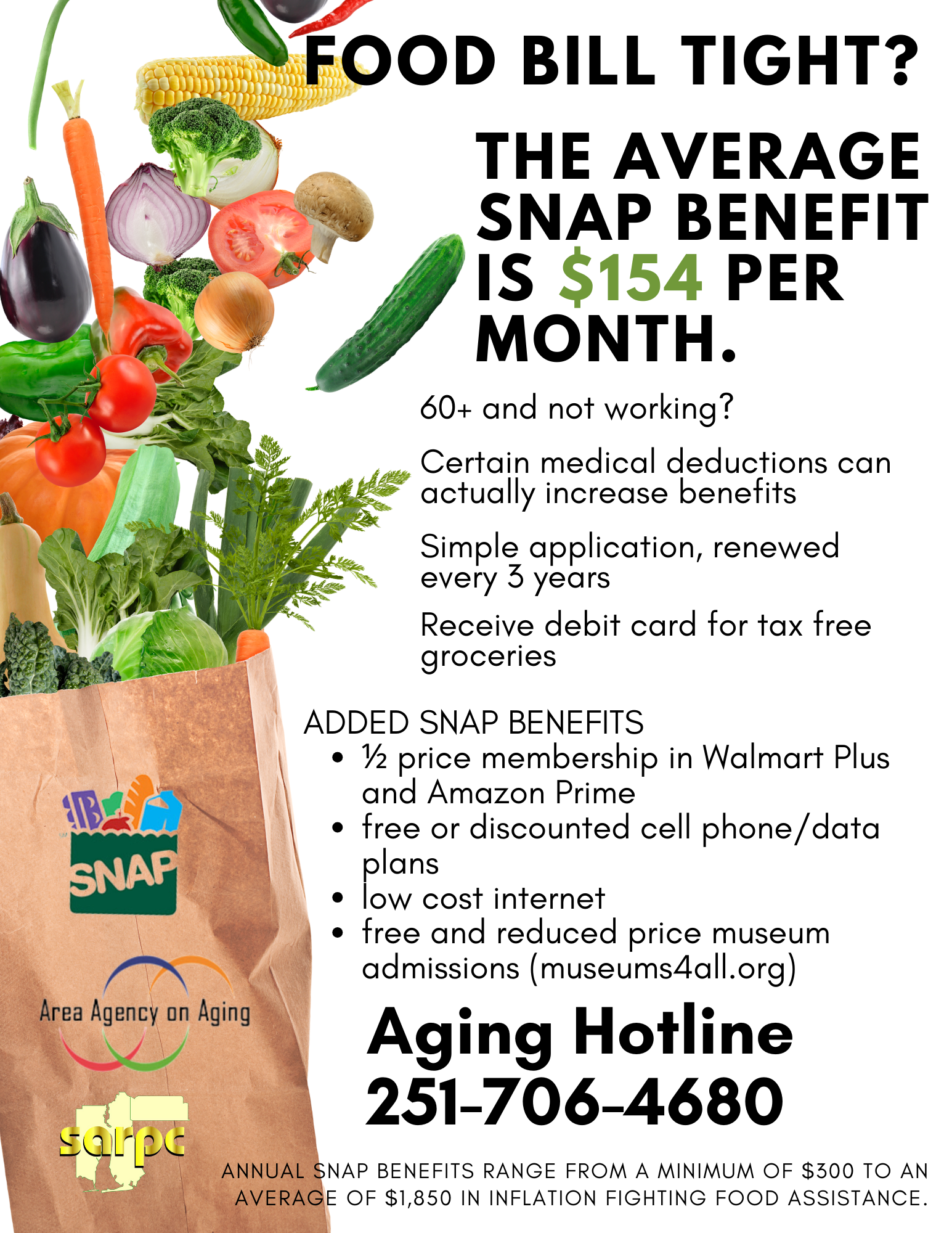
A senior may qualify for SNAP if the household meets income, resource, residency, and citizenship rules. A person is generally considered elderly for SNAP purposes at age 60 or older. A person with a qualifying disability may also receive special treatment under SNAP rules.
Eligibility is based on the household, not only on age. A SNAP household may include people who live together and buy and prepare food together. Spouses are usually counted in the same household, even if they prepare meals separately.
Important factors include:
• Household size
• Monthly income
• Rent or mortgage costs
• Utility expenses
• Medical costs
• Child care or dependent care costs
• Available resources in some states
• Citizenship or eligible immigration status
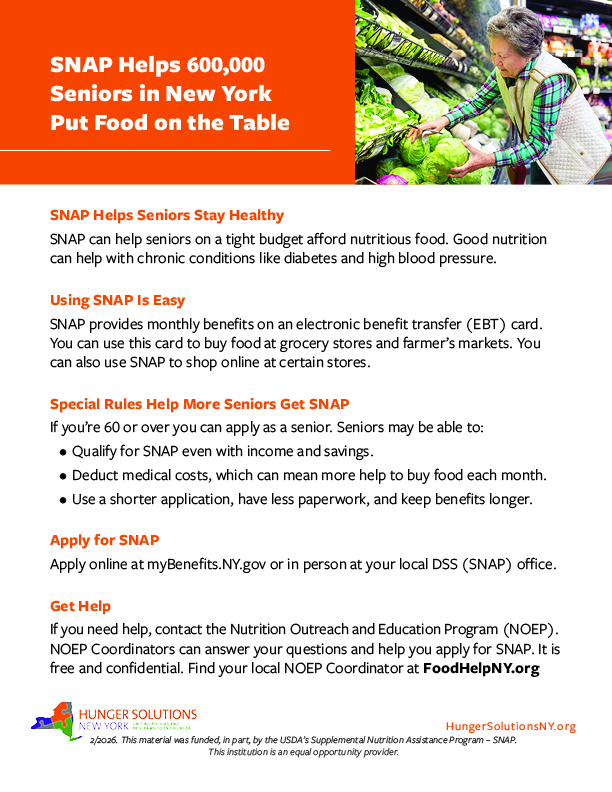
Age alone does not guarantee approval. However, seniors may qualify for deductions that make a major difference. This is why an older adult should apply even when monthly income seems slightly too high.
Income rules
SNAP considers income from many sources. Examples include:
• Social Security retirement benefits
• Supplemental Security Income
• Pension payments
• Veterans benefits
• Wages
• Unemployment benefits
• Interest or other regular income
Most households must meet gross and net income rules. Gross income is income before deductions. Net income is income after allowed deductions.
Households with an elderly or disabled member often have more flexible rules. In many cases, the household must meet the net income test instead of both gross and net tests. State rules and annual income limits can change, so use the current figures from your state SNAP agency.
Resource rules
Resources may include money in bank accounts, cash, and certain investments. Many states use broad-based categorical eligibility, which can change or remove the standard resource test for some households.
A home usually does not count as a SNAP resource. In many cases, one vehicle also receives special treatment. Do not hide accounts or property on an application. Instead, report what you have and allow the agency to apply the correct rule.
Immigration and citizenship rules
U.S. citizens and certain qualified noncitizens may receive SNAP. Some immigrants may qualify after meeting specific conditions, while others may not qualify for themselves but can apply for eligible household members.
A mixed-status household can still apply for eligible people. For example, a grandparent may apply for a U.S. citizen grandchild, even if another household member is not eligible. The state agency should explain whose information is required.
How to Apply for Food Stamps for Seniors
The process for how to apply for food stamps for seniors is usually simple, but the exact method depends on the state. Start by finding the official SNAP or human services website for the state where the senior lives.
Avoid unofficial websites that charge a fee. SNAP applications are free.
Step 1: Find the state SNAP office
Use the USDA state directory or the official state government website. Search for terms such as:
• “[State name] SNAP application”
• “[State name] food assistance”
• “[State name] Department of Human Services”
• “[State name] benefits application”
The official website often provides online applications, office addresses, phone numbers, and printable forms.
Step 2: Choose an application method
Most states offer several options:
• Apply online
• Apply by phone
• Mail a paper application
• Visit a local benefits office
• Ask an authorized representative to apply
An older adult does not always need to complete the process alone. A trusted family member, caregiver, social worker, or friend may help. The senior can also ask the agency about an authorized representative.
Step 3: Submit the application quickly
In many states, benefits are linked to the date the agency receives the application. The first application may require only basic details, such as:
• Name
• Address
• Household members
• Signature
• Basic income information
The agency will request more documents later. Do not wait for every document if the form is ready. Submit it as soon as possible.
Step 4: Complete the interview
Most applicants must complete an interview by phone or in person. The worker may ask about income, rent, utilities, medical costs, household members, and immigration or citizenship status.
Seniors may qualify for a simpler application or interview process in some states. Ask whether the state offers a senior SNAP pathway, simplified reporting, or a telephone interview.
Step 5: Send proof
The agency may request documents to verify the application. Send clear copies before the deadline. If a document is difficult to obtain, contact the worker right away and ask about other acceptable proof.
Step 6: Receive the decision
The state generally must process a regular SNAP application within 30 days. A household with very low income, little money, or urgent housing costs may qualify for expedited SNAP, which may arrive within seven days.
If approved, the agency sends an EBT card and instructions for creating a personal identification number. If denied, the notice should explain why and how to request a fair hearing.
Documents Seniors May Need
Knowing which documents to gather is an important part of how to apply for food stamps for seniors. Exact requirements differ by state, but these items are commonly requested:
• Proof of identity, such as a driver’s license or state identification card
• Social Security numbers for people applying
• Proof of address
• Social Security, SSI, pension, or veterans benefit letters
• Recent pay stubs, if anyone works
• Bank statements or resource information, if required
• Rent or mortgage proof
• Utility bills
• Medical bills and receipts
• Prescription costs
• Health insurance premium information
• Proof of child care or dependent care costs
• Immigration documents for noncitizens who are applying
A Social Security benefit letter can be especially useful. The agency may also verify some information electronically, but applicants should still provide documents when asked.
Keep a simple folder for the application. Write down the date of every phone call, the name of the worker, and the documents sent. This small habit can prevent confusion if the case takes longer than expected.
Medical Deductions Can Help Senior Applicants
Medical expenses are one of the most important SNAP deductions for households with a senior or disabled member. Allowable costs may include medical expenses that are not covered by insurance.
Examples can include:
• Doctor visits
• Hospital bills
• Prescription medicines
• Dental care
• Eye exams and glasses
• Health insurance premiums
• Medicare premiums
• Transportation to medical care
• In-home care
• Medical equipment
• Therapy or medical supplies
Some states apply a standard medical deduction. Other states require proof of expenses above a certain amount. Rules can change, so report every recurring medical cost and ask the SNAP worker which expenses count.
Many seniors forget to report Medicare Part B premiums because the payment may be deducted automatically from Social Security. That premium may still be relevant to the SNAP budget. A benefit statement or Medicare notice can help verify it.
Medical deductions can work like a door that opens slightly wider. A senior who appears over the income limit before deductions may qualify after rent, utilities, and medical costs are considered.
How Housing and Utility Costs Affect SNAP
Housing costs can strongly affect SNAP eligibility and benefit amounts. Report rent, mortgage payments, property taxes, homeowners insurance, and required fees.
Utility costs may also matter. Depending on the state, a household may receive a standard utility allowance instead of proving every bill. Tell the agency which utilities the household pays separately.
Include costs such as:
• Electricity
• Natural gas
• Heating oil
• Water
• Sewer service
• Garbage collection
• Telephone service
A senior living with family should explain the food arrangement clearly. The agency may ask whether everyone buys and prepares food together. Roommates and relatives are not always one SNAP household, but spouses and certain children are generally counted together.
Do not guess when completing this part of the application. A short explanation can prevent the agency from using the wrong household size or expense information.
How Much Can a Senior Receive?
The SNAP benefit amount depends on household size, countable income, deductions, and state rules. A person who lives alone may receive a different amount from two seniors who share food costs.
Benefits are usually calculated by comparing the household’s expected food budget with its net income. The maximum allotment and income limits are adjusted from time to time, often each federal fiscal year.
Several points are important:
• Benefits are not the same in every state or territory.
• A higher rent or medical deduction may increase the benefit.
• A household with no income may receive more than a household with Social Security income.
• SNAP benefits can change after an income, household, or housing change.
• The final amount comes from the state agency, not a private calculator.
Online SNAP calculators can offer an estimate, but they cannot guarantee approval. Use them for planning only.
Special SNAP Rules for Older Adults
SNAP includes several rules that may help seniors.
Work requirements
People age 60 or older are generally exempt from SNAP work requirements. A senior may still work if able, but the person usually does not need to meet employment or training rules that apply to some younger adults.
Simplified applications
Some states offer simpler forms, longer certification periods, or less frequent reporting for households made up of older adults or people with disabilities. Ask the state agency whether this option is available.
Certification periods
A certification period is the length of time SNAP remains approved before the household must renew. Many senior households receive longer certification periods, but the length varies by state and case.
Authorized representatives
A senior may name someone to help with the application, interview, paperwork, or EBT card. The representative should be trustworthy because they may receive private information or access benefits.
Choose an authorized representative carefully. A caregiver can be helpful, but the senior should understand what authority the person receives.
How to Apply for Food Stamps for Seniors by Phone or In Person
Online forms are convenient, but they are not the best choice for everyone. A phone or in-person application may be better for seniors who have limited internet access, vision problems, memory concerns, or difficulty uploading documents.
Before calling, prepare:
• The senior’s full name and date of birth
• Social Security number
• Current address
• Household information
• Monthly income
• Rent or mortgage amount
• Utility costs
• Medical expenses
• A list of questions
Ask for an interpreter or accessibility support if needed. Agencies commonly provide language assistance and reasonable accommodations, but the applicant may need to request them.
If visiting an office, ask whether an appointment is required. Bring copies rather than original documents when possible. Keep the originals at home in a safe place.
A useful lesson from many application experiences is to stay calm and keep records. A missing signature or unclear copy can delay a case, but a polite call to the agency often fixes the problem.

Common Mistakes That Delay SNAP Applications
The question of how to apply for food stamps for seniors often sounds easy, but small errors can cause delays. Watch for these common problems:
• Waiting to apply until every document is available
• Using an unofficial website
• Leaving out medical expenses
• Forgetting Medicare premium deductions
• Reporting the wrong household members
• Failing to complete the interview
• Missing a document deadline
• Not reporting a change in address
• Sending blurry or incomplete copies
• Ignoring letters from the SNAP office
Read every notice from the agency. If the letter is confusing, call the number printed on it and ask for an explanation.
If the application is denied, do not assume the decision is final. Review the reason carefully. You may request a fair hearing within the deadline listed in the notice. You may also reapply if your income, rent, medical expenses, or household situation changes.
Ways to Get Help With the Application
Seniors do not have to handle the process alone. Free help may be available through:
• Local Area Agencies on Aging
• Senior centers
• Benefits counselors
• Legal aid offices
• Community action agencies
• Food banks
• Public libraries
• Medicaid or Medicare counseling programs
• Trusted family members or caregivers
The Eldercare Locator can help people find aging services in their area. State and county agencies may also connect seniors with transportation, meals, housing support, and utility assistance.
Be careful with anyone who promises guaranteed approval or asks for a fee to submit a SNAP application. Official SNAP applications are free. Never share an EBT PIN with an untrusted person.

What Happens After SNAP Approval?
After approval, the senior receives an EBT card or has benefits loaded onto an existing card. The state sends information about the card, PIN setup, balance checks, and reporting duties.
Before shopping, learn how to:
• Check the EBT balance
• Change the PIN
• Report a lost or stolen card
• Find approved retailers
• Keep receipts
• Report incorrect charges
SNAP benefits do not need to be spent all at once. However, unused benefits may be removed after a long period of inactivity under state and federal rules. Use the card regularly and review transactions.
SNAP can also work with other programs. A senior may qualify for meals through an aging services program, a food pantry, Medicaid savings assistance, or energy support. Receiving SNAP does not automatically mean a person qualifies for every other program, so ask about a full benefits screening.
Frequently Asked Questions
How do I apply for food stamps for seniors?
Apply through the official SNAP agency in the state where the senior lives. Most states accept applications online, by phone, by mail, or in person.
Can seniors get SNAP if they receive Social Security?
Yes, receiving Social Security does not automatically disqualify a senior from SNAP. The agency considers the benefit along with household size, housing costs, medical expenses, and other deductions.
Can a senior qualify for SNAP while receiving SSI?
A senior who receives SSI may also qualify for SNAP if the household meets SNAP rules. SSI recipients should still apply because SNAP uses a separate eligibility process.
Does Medicare affect SNAP eligibility?
Medicare itself does not automatically prevent SNAP eligibility. Medicare premiums and other eligible medical expenses may help lower countable income for SNAP purposes.
Can someone apply for SNAP on behalf of a senior?
Yes, a senior may usually appoint an authorized representative to help with the application and case. The senior should choose a trusted person and understand what access that representative will have.
How long does it take to receive food stamps?
A regular SNAP case is generally processed within 30 days. Some households may qualify for expedited benefits within seven days when they have very low income or limited resources.
What if a senior is denied SNAP?
Read the denial notice to learn the reason and appeal deadline. The senior can request a fair hearing, correct missing information, or reapply after a change in income, expenses, or household circumstances.
Conclusion
Understanding how to apply for food stamps for seniors can turn a confusing task into a clear series of steps. Find the official state SNAP office, submit the application promptly, complete the interview, and report all income, housing costs, and medical expenses.
Seniors should not assume they earn too much before applying. Social Security, Medicare premiums, rent, utilities, and medical bills can affect the final decision. Keep copies, meet deadlines, and ask for free help when needed.
Start by contacting your state SNAP agency or a local aging service today. Exploring available benefits can help protect a senior’s food budget and bring greater peace of mind.

Michael Reynolds is a senior contributor at RetirementGazette.com, where he focuses on helping readers navigate the journey toward a secure and fulfilling retirement. With over a decade of experience in personal finance, retirement planning, and lifestyle writing, Michael combines practical strategies with easy-to-understand guidance tailored for both pre-retirees and those already enjoying their golden years.