Most senior citizens receive about $1,976 per month in Social Security retirement benefits in 2025.
How much do senior citizens get from Social Security? The answer depends on work history, earnings, claiming age, and other factors. This guide explains current average payments, maximum benefits, spousal benefits, taxes, and smart ways to estimate your own monthly amount.
How Much Do Senior Citizens Get From Social Security?
In 2025, the average retired worker receives about $1,976 per month from Social Security. This figure reflects the 2.5% cost-of-living adjustment, known as the COLA, for 2025.
Many older adults receive more or less than this amount. Social Security does not pay every retiree the same benefit. Your payment is based mainly on your lifetime earnings and the age when you start benefits.
Here are some common 2025 benefit figures:
• Average retired worker benefit: About $1,976 per month
• Average benefit for an elderly couple who both receive benefits: About $3,089 per month
• Average benefit for a widow or widower living alone: About $1,832 per month
• Maximum benefit at age 62: About $2,831 per month
• Maximum benefit at full retirement age: About $4,018 per month
• Maximum benefit at age 70: About $5,108 per month
These figures are national averages and maximums. They are not promises of what every senior citizen will receive. The Social Security Administration updates benefit amounts each year based on inflation and changes in the law.

What Determines a Senior Citizen’s Social Security Benefit?
The answer to how much do senior citizens get from Social Security starts with the worker’s earnings record. Social Security looks at your covered work and wages over many years.
The agency generally uses your highest 35 years of indexed earnings. Earlier wages are adjusted to reflect changes in average wage levels. If you worked fewer than 35 years, the missing years usually count as zeros.
Several factors affect your monthly payment:
• Lifetime earnings: Higher taxable earnings can lead to a higher benefit.
• Work history: You usually need 40 work credits, or about 10 years of work, to qualify for retirement benefits.
• Claiming age: Starting early lowers your monthly payment. Waiting can raise it.
• Full retirement age: This age is between 66 and 67 for most people today.
• Spousal or survivor status: A spouse, former spouse, widow, or widower may qualify under another person’s record.
• Medicare premiums: Medicare Part B and other costs can reduce the amount deposited into your bank account.
A useful way to think about Social Security is as a financial foundation. It may not cover every bill, but it can help pay for housing, food, medicine, and utilities.
How Claiming Age Changes Your Benefit
Your claiming age is one of the biggest answers to how much do senior citizens get from Social Security. You can usually start retirement benefits at age 62, but claiming early permanently reduces your monthly amount.
Your full retirement age depends on your birth year. For people born in 1960 or later, full retirement age is 67. For some older workers, it is 66 or somewhere between 66 and 67.
If you claim before full retirement age:
• You can receive benefits sooner.
• Your monthly payment will be smaller.
• The reduction can last for your lifetime.
If you claim after full retirement age:
• Your benefit can grow by about 8% for each full year you wait, until age 70.
• You do not earn extra delayed retirement credits after age 70.
• Waiting may help protect a surviving spouse through a larger survivor benefit.
For example, imagine a person has a full retirement age benefit of $2,000 per month. Claiming at 62 could reduce the benefit to about $1,400, depending on the person’s birth year. Waiting until age 70 could increase it to about $2,480.
The right age is not the same for everyone. Health, cash needs, family history, work plans, and other income all matter. A larger check later may be helpful, but some people need income sooner.

Social Security Benefits at Age 62, Full Retirement Age, and 70
Many people ask how much do senior citizens get from Social Security at specific ages. There is no single answer because each person has a different earnings record.
Still, the age rules are clear:
Starting at age 62
Age 62 is the earliest age for most retirement benefits. The tradeoff is a smaller monthly check.
A person with a $2,000 full retirement age benefit may receive around $1,400 by claiming at 62. The exact reduction depends on full retirement age.
Starting at full retirement age
At full retirement age, you can receive 100% of your calculated retirement benefit. You may also work without the earnings test reducing your benefits.
For many retirees, full retirement age is a useful middle path. You avoid the early claiming penalty while still receiving benefits before age 70.
Starting at age 70
Waiting until age 70 can create the largest monthly retirement benefit. This choice may be attractive for someone in good health who has other income or wants to increase protection for a spouse.
However, delaying benefits is not always best. If you have serious health problems or urgent financial needs, waiting may not make sense.

How Much Do Senior Citizens Get From Spousal Benefits?
A spouse may qualify for a retirement benefit based on their own work record or a spouse’s record. A spousal benefit can be worth up to half of the worker’s full retirement age benefit when claimed at the spouse’s full retirement age.
For example, if one spouse’s full retirement age benefit is $2,400, the other spouse may qualify for up to $1,200 at full retirement age. Claiming the spousal benefit early can reduce that amount.
A spouse usually must be married for at least one year to qualify. A divorced person may qualify if:
• The marriage lasted at least 10 years.
• The person claiming is unmarried, or meets certain rules.
• The person is at least age 62.
• The former spouse is eligible for Social Security.
A spouse’s benefit does not normally reduce the worker’s own benefit. The Social Security Administration compares the person’s own benefit with the spousal amount and pays the higher eligible amount.
Survivor Benefits for Widows and Widowers
Survivor benefits are different from regular spousal benefits. A widow or widower may receive up to 100% of the deceased spouse’s benefit at the survivor’s full retirement age.
A surviving spouse can often claim reduced survivor benefits as early as age 60. If the survivor is disabled, eligibility may begin at age 50 under certain conditions.
Survivor benefits depend on several details:
• The deceased worker’s earnings record
• The survivor’s age
• The survivor’s health or disability status
• Whether the survivor cares for an eligible child
• Whether the survivor has remarried
One important planning point is that survivor benefits and retirement benefits are separate choices. A widow or widower may be able to claim one benefit first and switch to another later. Anyone considering this strategy should ask Social Security for a benefit estimate before filing.
Supplemental Security Income Is Not the Same as Social Security
Some people use the phrase Social Security to describe both retirement benefits and Supplemental Security Income, or SSI. They are different programs.
Social Security retirement benefits are based on work and payroll tax contributions. SSI is a needs-based program for people with very limited income and resources who are older, blind, or disabled.
The maximum federal SSI payment in 2025 is $967 per month for an eligible individual and $1,450 for an eligible couple. Actual SSI payments may be lower because of other income, living arrangements, or help with food and housing.
This difference matters when asking how much do senior citizens get from Social Security. A retiree with a long, high-earning work history may receive several thousand dollars per month. An older adult with little work history may rely on a smaller retirement benefit, SSI, or both.
Some states add a separate payment to federal SSI. Rules vary by state.
Do Social Security Benefits Increase Every Year?
Social Security benefits usually receive an annual cost-of-living adjustment. The adjustment is designed to help benefits keep pace with inflation.
The 2025 COLA was 2.5%. It increased the average retired worker benefit from roughly $1,927 per month in 2024 to about $1,976 in 2025.
A COLA does not mean every person receives the same dollar increase. The increase is based on the person’s current benefit. Someone receiving $1,500 may receive a smaller dollar increase than someone receiving $2,500.
Medicare premiums can also change the amount that reaches your bank account. If your Part B premium rises, part or all of your Social Security increase may go toward Medicare costs.
How Taxes and Medicare Affect Your Take-Home Amount
The amount shown in your Social Security award letter may not be the amount you keep. Medicare premiums, federal taxes, state taxes, and voluntary deductions can affect your deposit.
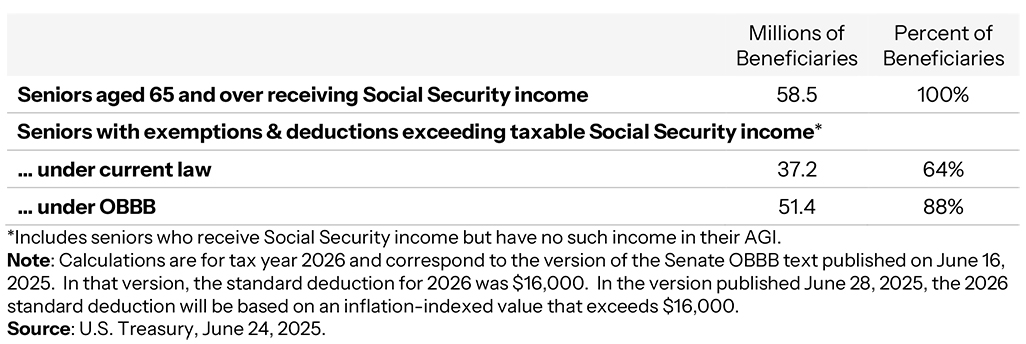
You may owe federal income tax on Social Security if your combined income is above certain limits. Combined income generally includes:
• Adjusted gross income
• Nontaxable interest
• One-half of your Social Security benefits
Some states tax Social Security, while others do not. Tax rules can change, so it is wise to check current federal and state guidance or speak with a qualified tax professional.
You can also ask Social Security to withhold federal income tax from your benefits. This may help prevent a large tax bill later.
For budgeting, use your net monthly deposit rather than your gross benefit. That number gives a more realistic picture of how much money is available for daily expenses.
How to Estimate Your Own Social Security Payment
The most reliable way to learn how much do senior citizens get from Social Security is to review your personal earnings record. National averages are useful, but your own estimate is far more important.
Follow these steps:
-
Create or sign in to your personal Social Security account.
-
Review your reported earnings for each working year.
-
Check for missing or incorrect wage information.
-
Compare estimates at age 62, full retirement age, and age 70.
-
Add possible spousal or survivor benefits if they apply.
-
Subtract estimated Medicare premiums and taxes from your expected payment.
Review your earnings record early. A missing year or incorrect wage amount can lower your future benefit. If you find an error, collect tax forms, pay stubs, or employer records that support your claim.
Do not rely only on online calculators. They can provide useful estimates, but they may not include every factor in your situation. The official benefit statement is the better starting point.
Common Mistakes That Can Lower Retirement Income
Many retirees focus only on the size of the first check. That can lead to costly mistakes.
Here are problems worth avoiding:
• Claiming at 62 without comparing the lifetime effect
• Forgetting that Medicare premiums may be deducted
• Ignoring taxes on benefits
• Failing to check the earnings record
• Overlooking spousal or survivor strategies
• Assuming Social Security will cover all living costs
• Trusting a claim that benefits will be the same for every retiree
One mistake I often see in retirement planning discussions is treating the benefit estimate as a fixed promise without checking the date. Benefit estimates can change when you continue working, when laws change, or when you claim at a different age.
Think of your Social Security decision like choosing the size of a water pipe. A larger monthly stream may be valuable for decades, but turning it on later means you need another source of water today.
Ways to Make the Most of Social Security
There is no universal strategy, but a few habits can improve decision-making.
• Delay benefits if you can afford to wait and want a larger monthly payment.
• Consider your spouse’s needs, especially survivor income.
• Keep working if additional earnings can replace low years in your 35-year record.
• Build a budget using after-tax income.
• Keep an emergency fund for health and home costs.
• Check whether you qualify for SSI, Medicaid, food assistance, or state programs.
• Get advice before claiming if you are divorced, widowed, disabled, or still working.
A financial planner can help compare claiming ages, taxes, investments, and life expectancy. A benefits counselor can explain Social Security rules. Be cautious with anyone who guarantees a certain result or pressures you to file quickly.
Frequently Asked Questions About How Much Do Senior Citizens Get From Social Security
What is the average Social Security check for a senior citizen?
The average retired worker receives about $1,976 per month in 2025. The actual amount depends on earnings history, claiming age, and deductions such as Medicare premiums.
What is the highest Social Security benefit a senior can receive?
In 2025, the maximum is about $5,108 per month for someone who earned the taxable maximum for many years and claims at age 70. The maximum is much lower for someone who claims at age 62.
Can a senior citizen receive Social Security and SSI?
Yes, some older adults may qualify for both programs. SSI is based on limited income and resources, while Social Security retirement benefits are based mainly on work history.
Does Social Security pay more if you wait until age 70?
Usually, yes. Retirement benefits can grow by about 8% for each full year you delay after full retirement age, but the increase stops at age 70.
Can a spouse receive Social Security from a partner’s record?
A spouse may qualify for up to half of the worker’s full retirement age benefit at the spouse’s full retirement age. Early filing can reduce the spousal payment.
Are Social Security benefits taxable?
They can be. Federal tax may apply when combined income passes certain limits, and some states also tax benefits.
Does working after retirement increase Social Security?
It can increase your benefit if new earnings replace one of your lower years in the 35-year calculation. Continued work may also help correct or improve your earnings record.
Conclusion
How much do senior citizens get from Social Security? In 2025, the average retired worker receives about $1,976 per month, but personal payments vary widely. Earnings history, claiming age, marital status, survivor rules, Medicare premiums, and taxes all shape the final amount.
Start with your official Social Security earnings record and compare estimates at 62, full retirement age, and 70. Then consider your health, household budget, and spouse’s future needs before choosing a filing date. Explore your personal benefit statement and share your questions with a trusted retirement professional.

Michael Reynolds is a senior contributor at RetirementGazette.com, where he focuses on helping readers navigate the journey toward a secure and fulfilling retirement. With over a decade of experience in personal finance, retirement planning, and lifestyle writing, Michael combines practical strategies with easy-to-understand guidance tailored for both pre-retirees and those already enjoying their golden years.