
Senior citizens can find financial help through Social Security, SSI, Medicare, Medicaid, SNAP, housing aid, and local programs.
Knowing how to get financial help for senior citizens can make daily life safer and less stressful. Many older adults qualify for help with food, health care, rent, utilities, transportation, and prescription drugs, but the programs can be hard to find.
This guide explains where to look, how to apply, what documents to gather, and which mistakes to avoid. It also covers free help from trusted agencies, so you do not have to manage the process alone.
How to Get Financial Help for Senior Citizens: Start With a Needs Check
The best way to learn how to get financial help for senior citizens is to begin with a simple needs check. Write down the senior’s monthly income, basic bills, debts, medical costs, and urgent concerns.
This list helps match the person with the right programs. A senior who needs help with rent may use different services than someone who mainly needs food or prescription support.
Review these areas:
• Income: Social Security, pensions, wages, retirement accounts, and other payments
• Housing: Rent, mortgage payments, property taxes, home repairs, and homelessness risk
• Utilities: Electricity, gas, water, heating, cooling, and phone service
• Food: Grocery costs, meal delivery, and access to healthy meals
• Health care: Premiums, deductibles, medicine, dental care, vision care, and medical equipment
• Transportation: Rides to medical visits, grocery stores, or community centers
• Safety: Home care, emergency housing, elder abuse, and caregiver support
A clear list turns a confusing problem into a set of smaller tasks. Think of it as making a map before starting a long trip.

Federal Programs That Help Older Adults
Federal programs are often the first place to look when learning how to get financial help for senior citizens. Eligibility may depend on income, assets, age, disability, household size, work history, or military service.
Program rules can change. Always confirm current rules with the official agency or a trained benefits counselor.
Social Security retirement benefits
Social Security retirement benefits provide monthly income to eligible workers and their families. The amount depends on lifetime earnings and the age when a person begins benefits.
A person can apply through the Social Security Administration. Before claiming, it may help to review:
• The person’s estimated benefit at different claiming ages
• Whether a spouse or former spouse may qualify for benefits
• Whether survivor benefits are available
• How work income may affect benefits before full retirement age
• Whether taxes may apply to part of the benefits
Do not rush this decision. Claiming early may provide money sooner, but it can lead to a lower monthly benefit for life.
Supplemental Security Income
Supplemental Security Income, or SSI, helps older adults and people with disabilities who have very limited income and resources. SSI is separate from Social Security retirement benefits.
A person may qualify for both programs. SSI rules are strict, and the Social Security Administration reviews income, assets, living arrangements, and other details.
SSI can help with basic needs such as food, clothing, and shelter. It is not designed to cover every household bill, so applicants may also need to explore Medicaid, SNAP, or housing assistance.
Supplemental Nutrition Assistance Program
SNAP, often called food stamps, helps eligible households buy food. Older adults may qualify even if they live alone or have modest savings, depending on state rules.
Some states offer simpler applications or special rules for older adults. SNAP benefits are usually placed on an electronic benefit transfer card and can be used at approved stores and some farmers markets.
Medical expenses may affect eligibility for older households. Keep receipts for prescriptions, health insurance premiums, transportation to medical care, and other approved costs.
Medicare Savings Programs
Medicare covers many health services, but premiums, deductibles, coinsurance, and medicine can still create a heavy burden. Medicare Savings Programs may help eligible people pay certain Medicare costs.
These programs are managed by state Medicaid agencies. The main categories include help with Part A and Part B costs, although names and income limits can vary.
A person may also qualify for Extra Help with Medicare prescription drug costs. Applying for both types of assistance can reduce monthly health care spending.
Medicaid
Medicaid may help with doctor visits, hospital care, long-term care, home care, and other health services. Rules differ by state, and long-term care eligibility can be complex.
Do not give away property or move money simply to qualify without speaking to a qualified adviser. Transfers can create penalties or affect Medicaid eligibility.
The state Medicaid office, an Area Agency on Aging, or a legal aid office can explain the rules. Get advice before making major financial changes.
Veterans benefits
Veterans, spouses, and surviving spouses may qualify for help through the Department of Veterans Affairs. Possible support includes health care, disability compensation, pensions, caregiver services, burial benefits, and aid for certain long-term care needs.
A veteran service officer can help prepare a claim at no cost. Be careful with companies that charge large fees for help that may be available for free.
Low Income Home Energy Assistance Program
The Low Income Home Energy Assistance Program, or LIHEAP, helps eligible households with heating and cooling costs. Some local programs also provide crisis help or home energy repairs.
Funding can be limited. Apply early, especially before winter or during periods of extreme heat.

Housing and Utility Assistance for Seniors
Housing costs can consume most of a senior’s income. Learning how to get financial help for senior citizens often means looking beyond cash benefits and finding ways to lower monthly expenses.
Housing Choice Vouchers
Housing Choice Vouchers, sometimes called Section 8, help eligible households pay rent in approved housing. Local public housing agencies manage applications and waiting lists.
Waitlists may be long. Apply to more than one housing authority when allowed, and keep contact details updated.
Public housing and subsidized senior housing
Public housing and privately owned subsidized apartments may offer lower rent for eligible older adults. Some buildings are designed for seniors and include elevators, community rooms, meals, or transportation.
Contact the local housing authority and ask for:
• Senior housing lists
• Income-based apartments
• Accessible units
• Emergency housing options
• Application help
Never pay someone simply to place a name on a public housing list. Official agencies explain the process without demanding unusual fees.
Property tax relief
Many states and counties offer property tax exemptions, deferrals, rebates, or freezes for older homeowners. Programs may also help surviving spouses, veterans, or people with disabilities.
The senior should contact the county tax assessor or state tax department. Filing deadlines matter, and approval is not always automatic.
Utility discounts
Utility companies may offer reduced rates, payment plans, weatherization, or shutoff protection. A local community action agency may also connect seniors with energy assistance.
Call the utility before a bill becomes overdue. Early contact usually creates more options than waiting for a shutoff notice.

State and Local Resources That Can Fill the Gaps
Federal programs do not cover every need. State and local services are often the missing piece when researching how to get financial help for senior citizens.
Area Agencies on Aging
Area Agencies on Aging connect older adults with local services. These may include meals, transportation, home care, caregiver support, legal assistance, and benefits counseling.
Ask for a complete screening rather than only one service. A counselor may find several programs that work together.
Eldercare Locator
Eldercare Locator helps people find nearby aging services. It can connect families with Area Agencies on Aging and other local resources.
This is useful when a family member lives in another state. You can call or search online to find the correct local agency.
211 community assistance
Calling 211 may connect a person with local help for rent, utilities, food, shelter, transportation, and health services. Availability depends on location and funding.
When calling, explain the full situation. Say if the senior has a shutoff notice, eviction risk, no food, or an urgent medical need.
Food banks and senior meal programs
Food banks, food pantries, congregate meal sites, and home-delivered meal programs can reduce grocery costs. Some programs serve people based on age, disability, income, or location.
Meals are more than food. Senior centers can also reduce isolation and help people learn about other benefits.
Legal aid and benefits counseling
Free or low-cost legal aid may help with housing problems, benefit denials, debt collection, consumer fraud, and elder abuse. State Health Insurance Assistance Programs provide free Medicare counseling.
A counselor can compare plans, review notices, and explain appeal rights. This support can prevent costly mistakes.

How to Apply for Financial Assistance
A good application is complete, accurate, and easy to verify. Use these steps when learning how to get financial help for senior citizens.
-
List the senior’s needs and monthly costs.
-
Check federal, state, county, and nonprofit programs.
-
Contact the official office that manages each program.
-
Gather identity, income, housing, medical, and asset records.
-
Complete the application carefully.
-
Submit copies, not original documents, unless an agency specifically requires originals.
-
Write down the submission date and confirmation number.
-
Respond quickly to requests for more information.
-
Save every letter, email, receipt, and appeal deadline.
-
Ask for an appeal if the application is denied and the senior may qualify.
Common documents may include:
• Social Security or pension statements
• Bank statements
• Pay stubs or retirement income records
• Medicare or Medicaid cards
• Rent or mortgage documents
• Utility bills
• Prescription receipts
• Property tax records
• Proof of citizenship or lawful status when required
• Identification and proof of address
A trusted family member may help, but the senior should understand what is being submitted. If someone will speak for the senior, the agency may require written permission or an authorized representative form.
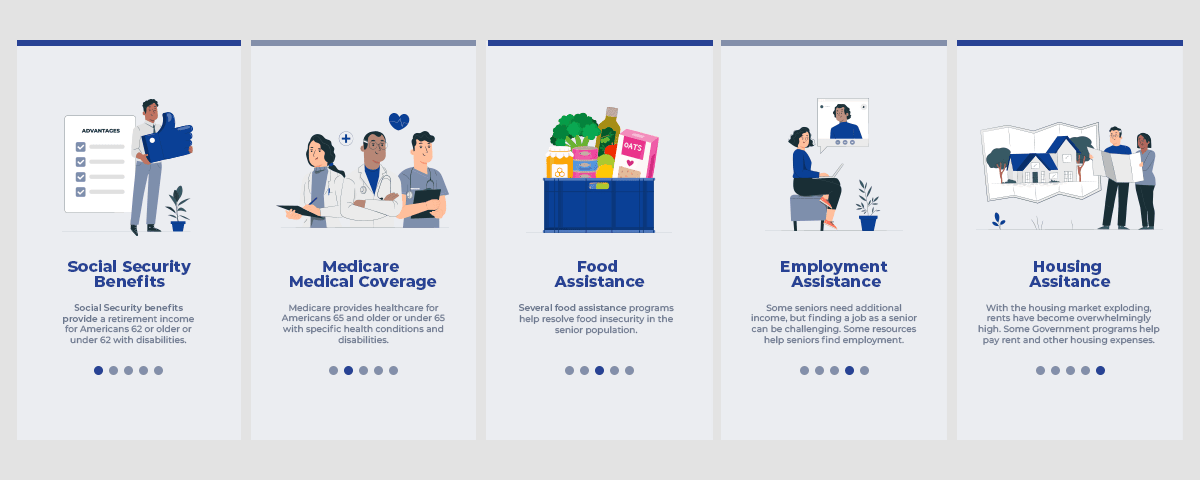
How to Get Financial Help for Senior Citizens Without Losing Benefits
Some seniors avoid assistance because they fear that accepting help will cause them to lose other benefits. That fear is understandable, but each program has its own rules.
For example, SNAP, Medicaid, SSI, housing assistance, and Medicare Savings Programs may count income and assets in different ways. A benefit from one program may affect another, but not always.
Before accepting a large gift, selling property, transferring money, or adding someone to a bank account, ask a benefits counselor or elder-law attorney about possible effects.
Keep records of:
• Gifts and loans
• Trusts and annuities
• Property transfers
• Life insurance policies
• Retirement withdrawals
• Cash payments
• Shared housing costs
Good recordkeeping protects the senior and makes reviews easier. It also helps identify errors before they become serious.

Health Care Savings for Older Adults
Medical bills are one of the biggest reasons seniors need financial help. Lowering health costs can sometimes help more than receiving a small cash payment.
Check for:
• Medicare Savings Programs
• Extra Help for prescription drugs
• Medicaid
• State pharmaceutical assistance programs
• Pharmacy discount programs
• Community health centers
• Dental and vision clinics
• Free preventive screenings
• Medical bill payment plans
Ask the doctor or hospital billing office for an itemized bill. Billing errors can happen, and a payment plan may be available even when financial aid is not.
Do not skip needed care because of cost. Tell the provider about financial hardship and ask about charity care, generic medicine, samples, or lower-cost treatment options.

Emergency Financial Help for Seniors
Some situations need action today, not next month. If a senior has no food, no heat, an eviction notice, or an unsafe home, call 211 and the local Area Agency on Aging.
For immediate needs, contact:
• Local emergency assistance programs
• Community action agencies
• Food banks
• Utility crisis programs
• Homelessness prevention offices
• Domestic violence or elder abuse hotlines
• Hospital social workers
If the senior faces abuse, neglect, or financial exploitation, contact Adult Protective Services or local law enforcement. If there is immediate danger, call 911.
A hospital social worker can often help when a medical crisis causes financial stress. Ask for a benefits screening before discharge.

Mistakes to Avoid When Seeking Senior Financial Assistance
Families often lose time or money because they make avoidable mistakes. The following lessons are useful when figuring out how to get financial help for senior citizens.
• Waiting until the last day: Many programs have deadlines or limited funds.
• Using unofficial websites: Start with government offices, recognized nonprofits, or local aging agencies.
• Paying for free help: Benefits counselors and veteran service officers often provide assistance at no charge.
• Sending original documents: Keep originals unless the agency gives clear instructions.
• Ignoring letters: A missed notice can lead to a denial or loss of benefits.
• Giving incorrect information: Estimate honestly and explain unusual income or expenses.
• Assuming denial is final: Many programs allow an appeal.
• Sharing private details online: Do not post Social Security numbers, Medicare numbers, or bank information on social media.
• Falling for benefit scams: Government agencies do not demand gift cards, cryptocurrency, or immediate payment to protect benefits.
One practical lesson stands out: keep a benefits folder. Use paper or a secure digital file for applications, notices, phone numbers, and deadlines.

How Family Members Can Help
Family support can make the process less overwhelming, especially when a senior has memory loss, limited mobility, or difficulty using the internet.
Start by asking what kind of help the senior wants. Respect matters. Financial assistance should support independence, not remove control without a legal reason.
Helpful tasks include:
• Sorting documents
• Making phone calls together
• Driving to appointments
• Reading agency letters
• Tracking deadlines
• Comparing health plans
• Arranging transportation
• Checking for scams
If the senior cannot manage finances, speak with an elder-law attorney about powers of attorney and other legal tools. Do not assume that being a relative gives you automatic authority over bank accounts or benefits.
Frequently Asked Questions About How to Get Financial Help for Senior Citizens
What is the first step in getting financial help for senior citizens?
Start by listing the senior’s income, bills, medical costs, housing needs, and urgent problems. Then contact 211 or the local Area Agency on Aging for a benefits screening.
Can seniors get help if they receive Social Security?
Yes. Receiving Social Security does not automatically prevent someone from receiving other assistance. A senior may still qualify for SNAP, Medicaid, Medicare Savings Programs, SSI, housing support, or utility assistance.
How can a senior get help paying Medicare costs?
Apply for a Medicare Savings Program through the state Medicaid office. Also check whether the senior qualifies for Extra Help with prescription drug costs.
Where can low-income seniors get help with food?
They can apply for SNAP and contact food banks, senior meal programs, congregate meal sites, and home-delivered meal services. The local Area Agency on Aging can explain which options serve the senior’s area.
Can veterans receive special financial assistance?
Some veterans, spouses, and surviving spouses may qualify for VA pensions, disability benefits, health care, caregiver support, or aid related to long-term care. A VA-accredited representative or veteran service officer can help with the application.
What should a senior do if a benefits application is denied?
Read the denial letter carefully and check the appeal deadline. Contact the agency, a legal aid office, or a benefits counselor for help preparing an appeal.
Is financial help for seniors always free?
Many public benefits and nonprofit services do not charge an application fee. Be cautious if someone demands money, gift cards, banking information, or a fast payment to release benefits.
Conclusion
Finding how to get financial help for senior citizens starts with identifying the biggest needs and contacting trusted agencies. Social Security, SSI, SNAP, Medicare Savings Programs, Medicaid, housing assistance, LIHEAP, VA benefits, and local aging services can work together to reduce financial pressure.
Gather documents, apply early, track every deadline, and ask for help when the process feels confusing. Start today by calling 211 or contacting your local Area Agency on Aging, then explore official benefit programs for the senior’s state.
Share this guide with a family member, caregiver, or older adult who may need support.

Michael Reynolds is a senior contributor at RetirementGazette.com, where he focuses on helping readers navigate the journey toward a secure and fulfilling retirement. With over a decade of experience in personal finance, retirement planning, and lifestyle writing, Michael combines practical strategies with easy-to-understand guidance tailored for both pre-retirees and those already enjoying their golden years.