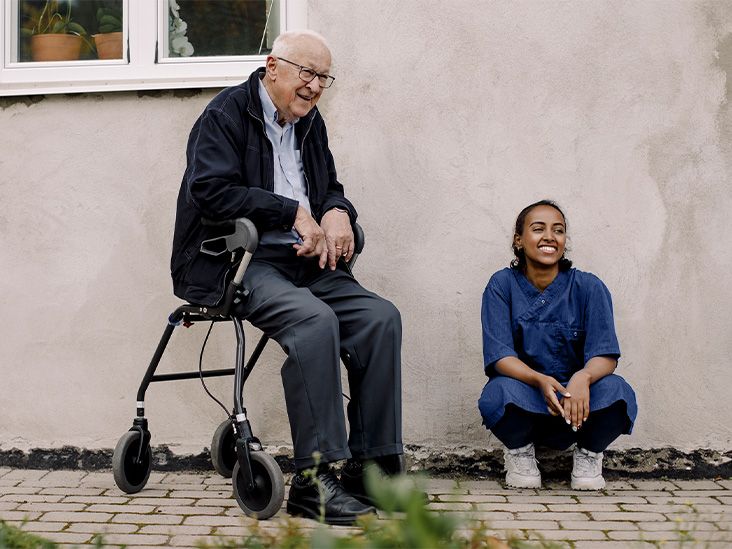
About 1.1 million U.S. adults age 65 and older live in nursing homes today.
The answer to how many seniors live in nursing homes depends on the definition of “senior” and the year measured. National surveys show that roughly 1.2 to 1.3 million people live in nursing homes, with most residents age 65 or older. This guide explains the numbers, who uses nursing homes, why people move there, and how nursing homes compare with other types of senior care.
How many seniors live in nursing homes in the United States?
About 1.1 million adults age 65 and older live in U.S. nursing homes, based on national long-term care data. The total number of nursing home residents is usually estimated at about 1.2 to 1.3 million people.
The exact figure changes because reports use different years, definitions, and data sets. Some count only residents on a certain day. Others count everyone who stayed in a nursing home during a full year.
A large national survey found that:
• About 1.29 million people lived in nursing homes at the time of the survey.
• More than 80% of residents were age 65 or older.
• About 4 in 10 residents were age 85 or older.
This means the clearest answer to how many seniors live in nursing homes is approximately 1.1 million in the United States. It is an estimate, not a permanent count.

What counts as a nursing home?
A nursing home is a licensed residential care setting for people who need regular nursing care, help with daily tasks, or both. Many nursing homes provide 24-hour supervision and medical support.
Nursing homes are different from assisted living communities. Assisted living usually supports people who need help with meals, bathing, dressing, or medicine. Nursing homes care for people with more serious medical or physical needs.
Nursing homes may also be called:
• Skilled nursing facilities
• Long-term care facilities
• Nursing facilities
• Nursing centers
• Post-acute care facilities
A skilled nursing facility may provide short-term care after surgery, an illness, or a hospital stay. A long-term care nursing home supports residents who cannot safely live alone for an extended period.
This difference matters when asking how many seniors live in nursing homes. Some people stay for only a few weeks. Others live there for months or years.

What percentage of older adults live in nursing homes?
Only a small share of older adults live in nursing homes at any one time. For adults age 65 and older, the percentage is commonly estimated at about 2% to 3%.
The rate rises sharply with age. Older adults are more likely to need help with walking, eating, bathing, memory loss, and complex health conditions.
Nursing home use is often higher among:
• Adults age 85 and older
• People with advanced dementia
• People recovering from major illness or injury
• Adults who need help with several daily activities
• People who do not have safe home support
Age alone does not determine whether someone enters a nursing home. A healthy 90-year-old may live independently, while a younger adult may need nursing care after a stroke or serious accident.
That is why statistics about how many seniors live in nursing homes should be read as population estimates. They do not predict what will happen to every older adult.

Why do seniors move into nursing homes?
Most seniors do not move into a nursing home simply because they reach a certain age. The decision usually follows a change in health, safety, or daily support needs.
Common reasons include:
• Dementia or Alzheimer’s disease
• A stroke or serious brain injury
• Severe weakness after a hospital stay
• Problems with balance and repeated falls
• Need for daily medical treatment
• Inability to bathe, dress, or eat without help
• Lack of a safe caregiver at home
• Complex medicine schedules
• Recovery after surgery
A nursing home can act like a bridge after a health crisis. For example, an older adult may leave the hospital but still need physical therapy and help moving from bed to chair. In other cases, the nursing home becomes a long-term home when round-the-clock care is needed.
Families often wait until a crisis before exploring care choices. A better approach is to discuss preferences early, while the older adult can still share clear wishes.

How many seniors live in nursing homes compared with other care settings?
Nursing homes are only one part of long-term care. Many more older adults receive care at home or live in communities that offer less medical support.
Senior care settings include:
• Private homes with family or paid caregivers
• Home health care programs
• Adult day care centers
• Assisted living communities
• Memory care communities
• Continuing care retirement communities
• Nursing homes
Home care is common because many seniors prefer familiar surroundings. It can also cost less than residential care when a person needs only limited help.
However, home care may become difficult when a person needs two caregivers, overnight supervision, complex medical treatment, or frequent transfers. At that point, a nursing home may offer a safer and more practical setting.
When people ask how many seniors live in nursing homes, they may be surprised by the answer. The number is large, but most older adults do not live in nursing homes at a given time.

How long do seniors stay in nursing homes?
Nursing home stays vary widely. Some residents stay for a short rehabilitation period. Others need long-term care for the rest of their lives.
A short stay may last:
• A few days after hospitalization
• Two to six weeks of rehabilitation
• Several months while strength returns
A long-term stay may last:
• One year
• Several years
• The remainder of a person’s life
The length of stay depends on health, recovery, family support, finances, and the availability of home care. A person admitted for rehabilitation may later return home. Another person may need permanent care because of advanced dementia or severe physical disability.
This is one reason annual nursing home totals can be confusing. A person counted during a year may not have lived there for the entire year.

How many seniors live in nursing homes because of dementia?
Dementia is one of the leading reasons older adults need nursing home care. Many residents have Alzheimer’s disease or another condition that affects memory, judgment, communication, or safety.
Dementia may make independent living unsafe when a person:
• Wanders or becomes lost
• Forgets to take vital medicine
• Leaves appliances on
• Cannot prepare food
• Falls often
• Has trouble recognizing danger
• Needs help with toileting or personal care
Not every person with dementia needs a nursing home. Some live safely at home with family support, home aides, adult day programs, or memory care. The right choice depends on the person’s symptoms, home environment, and caregiver capacity.
Caregivers should also remember that dementia care is demanding. Moving someone into a nursing home is not a failure. In many cases, it is a careful decision made to protect the older adult and reduce unsafe strain on the family.

Does nursing home use differ by age, gender, and health?
Yes. Nursing home use increases with age and is more common among women. Women often live longer than men and are more likely to live alone after the death or illness of a spouse.
Health conditions also play a major role. People with multiple chronic diseases may need more support than people with one manageable condition.
Factors linked with nursing home residence include:
• Advanced age
• Disability
• Cognitive impairment
• Limited mobility
• Chronic illness
• Frequent hospital visits
• Living alone
• Low access to family support
• Limited income or housing options
These patterns do not mean that every person in a group will need a nursing home. They only show which factors are linked with higher use.
A useful lesson from long-term care planning is to focus less on age and more on function. Ask what help a person needs each day, how safely they can manage at home, and what support is available.
How much does nursing home care cost?
Nursing home care is expensive because it includes housing, meals, personal care, supervision, and medical services. The cost depends on the state, facility, room type, and level of care.
Private-pay costs often reach several thousand dollars per month. A private room usually costs more than a shared room. Short-term rehabilitation may have different billing rules from long-term custodial care.
Common payment sources include:
• Medicare for limited skilled care after qualifying hospital treatment
• Medicaid for eligible people who need long-term care
• Long-term care insurance
• Veterans benefits in some cases
• Personal savings and retirement income
• Family support
Medicare generally does not pay for unlimited long-term nursing home residence. Medicaid is the largest public payer for long-term nursing home care, but eligibility rules vary by state.
Before choosing a facility, ask for a written estimate. Confirm what the monthly rate includes, which services cost extra, and how the facility handles future price increases.
What should families look for in a nursing home?
Choosing a nursing home can feel like choosing a new neighborhood, hospital, and support team at the same time. A visit is often more useful than a website or brochure.
During a tour, look for:
• Clean rooms and common areas
• Staff who speak kindly to residents
• Quick responses to call lights
• Fresh food and safe meal support
• A clear plan for medicine management
• Safe bathrooms and hallways
• Meaningful activities
• Good lighting and outdoor access
• Clear communication with families
Ask how many staff members work on each shift. Ask how the facility handles falls, infections, hospital transfers, and changes in behavior.
It can also help to visit at different times. A daytime tour may look very different from an evening or weekend visit.
One practical mistake families make is focusing only on the room. Staff behavior, communication, care planning, and emergency response often matter more than paint, furniture, or a fancy lobby.
How can families prepare before nursing home placement?
Planning early can reduce stress and improve choices. Families should talk about care wishes before an emergency occurs.
Useful steps include:
-
Discuss the older adult’s preferences.
-
Review medical needs and daily care tasks.
-
Ask a doctor for a current care assessment.
-
Compare nursing homes in the area.
-
Check inspection reports and complaints.
-
Review Medicare and Medicaid rules.
-
Organize medical, legal, and financial documents.
-
Visit several facilities.
-
Ask about the waiting list.
-
Create a backup plan for sudden care needs.
Important documents may include a health care power of attorney, living will, medication list, insurance details, and financial records.
Families should also ask whether the facility can meet special needs. These may include dementia care, wound care, oxygen use, rehabilitation, language support, religious practices, or special diets.
Knowing how many seniors live in nursing homes can provide context, but a personal care assessment is more useful for making a real decision.
What are the limits of nursing home statistics?
Nursing home statistics are helpful, but they are not perfect. Different agencies may count residents in different ways.
Important limits include:
• A one-day count may miss short-term residents.
• Annual data may count the same person more than once.
• Some reports include only certified facilities.
• Definitions of “senior” may differ.
• Data may be several years old.
• Nursing home care is different from assisted living and home care.
For this reason, the answer to how many seniors live in nursing homes should be presented as a range. A reasonable current estimate is about 1.1 million residents age 65 and older, within a total nursing home population of roughly 1.2 to 1.3 million.
The figures are most useful for understanding broad trends. They should not be used to judge a person’s care needs without a medical and functional assessment.
Frequently Asked Questions About How Many Seniors Live in Nursing Homes
How many seniors live in nursing homes in the United States?
About 1.1 million U.S. adults age 65 and older live in nursing homes. The total nursing home population, including younger adults, is roughly 1.2 to 1.3 million.
What percentage of people over 65 live in nursing homes?
About 2% to 3% of adults age 65 and older live in nursing homes at a given time. The percentage is much higher among adults age 85 and older.
Are most nursing home residents seniors?
Yes. More than 80% of nursing home residents are usually age 65 or older. However, younger adults may also need nursing home care after serious injuries, illnesses, or disabilities.
What is the average age of a nursing home resident?
The average age varies by facility and data source, but many residents are in their 80s. A large share are age 85 or older, especially in long-term care units.
Do all seniors eventually need a nursing home?
No. Most older adults do not live in nursing homes at any one time. Many receive help at home, live with family, or use assisted living and community services.
How long does a senior usually stay in a nursing home?
There is no single typical stay. Some seniors stay for several weeks of rehabilitation, while others remain for years because they need ongoing medical and personal care.
Does Medicare pay for nursing home care?
Medicare may cover limited skilled nursing care after certain hospital stays, but it usually does not pay for unlimited long-term custodial care. Medicaid may help eligible people pay for long-term nursing home care.
Conclusion
About 1.1 million seniors age 65 and older live in nursing homes in the United States, while the total resident population is closer to 1.2 to 1.3 million. The number changes by year and by how researchers count short-term and long-term residents.
Most older adults do not live in nursing homes. Still, nursing homes provide important care for people who need round-the-clock support, rehabilitation, medical treatment, or dementia supervision.
Start planning before a crisis. Talk with loved ones, visit several facilities, review payment options, and request a professional care assessment. Exploring trusted local resources early can help your family make a calm, informed decision when care needs change.

Michael Reynolds is a senior contributor at RetirementGazette.com, where he focuses on helping readers navigate the journey toward a secure and fulfilling retirement. With over a decade of experience in personal finance, retirement planning, and lifestyle writing, Michael combines practical strategies with easy-to-understand guidance tailored for both pre-retirees and those already enjoying their golden years.