Older adults should purchase supplemental insurance near their 65th birthday to reduce coverage gaps and surprise costs.
Turning 65 often means entering Medicare, not receiving free coverage for every medical need. Understanding why should elders purchase supplemental insurance near their 65th birthday can help older adults manage deductibles, copayments, coinsurance, prescriptions, and services that Original Medicare does not cover.
The best choice depends on health needs, budget, travel plans, and existing employer coverage. This guide explains the timing, benefits, limits, costs, and common mistakes so you can make a calm and informed decision.
What supplemental insurance means after age 65
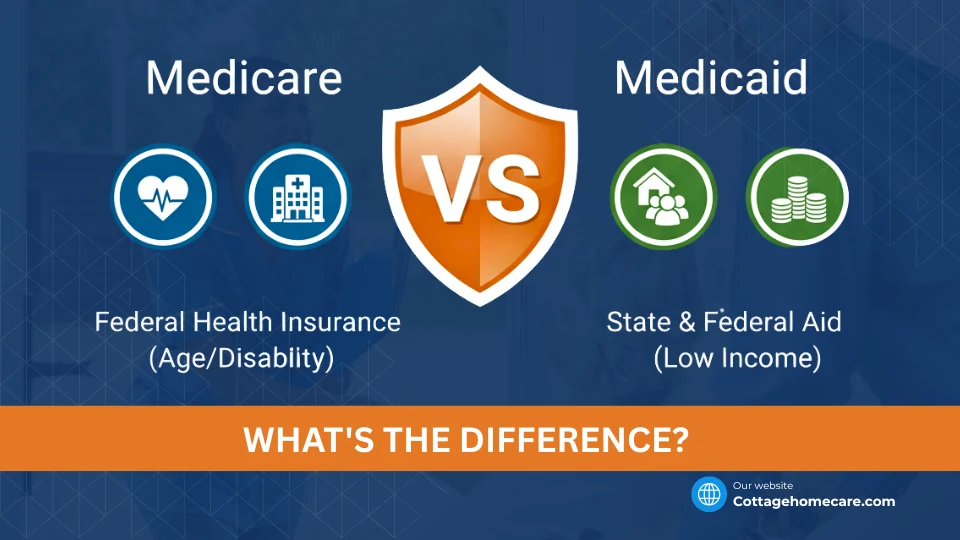
Supplemental insurance is extra coverage that works beside a primary health plan. For people with Original Medicare, this usually means a Medicare Supplement plan, also called Medigap. These plans help pay some costs that Medicare Parts A and B leave behind.
Medicare Advantage is another way to receive Medicare benefits. It is not the same as Medigap. Medicare Advantage plans replace the way you receive Original Medicare benefits, while Medigap supplements Original Medicare.
The main types of coverage include:
• Medicare Supplement insurance, which helps with certain Original Medicare out-of-pocket costs.
• Medicare Advantage, which often combines hospital, medical, and sometimes prescription coverage through a private plan.
• Medicare Part D, which helps pay for prescription drugs.
• Dental, vision, and hearing plans, which may cover services that Original Medicare generally excludes.
Older adults should compare these options carefully. Buying several plans without checking how they work together can waste money and create confusion.
 display: block; margin: 0 auto;”
loading=”lazy”
/>
Why should elders purchase supplemental insurance near their 65th birthday?
There are several strong reasons why should elders purchase supplemental insurance near their 65th birthday. The most important reason is timing. Medicare gives people a special period when they may have more choices and fewer health questions.
Here are the main benefits.
It helps control out-of-pocket medical costs
Original Medicare pays a large share of covered medical services, but it does not pay every bill. You may still face deductibles, coinsurance, and copayments.
Part B coinsurance can add up when you visit doctors often, receive outpatient treatment, or manage a long-term condition. A Medigap policy may help with some of these costs, depending on the plan.
This is one key reason why should elders purchase supplemental insurance near their 65th birthday. A predictable monthly premium may feel easier to manage than several unexpected medical bills.
It may provide stronger enrollment rights
The Medigap Open Enrollment Period begins when you are at least 65 and enrolled in Medicare Part B. It lasts for six months. During this time, insurers generally cannot use medical underwriting to deny you a plan or charge more because of health problems.
After this period, you may still buy a Medigap policy. However, federal law may not protect you in the same way. An insurer could ask health questions, charge more, or refuse coverage in some cases.
Rules can differ by state. Some states offer additional enrollment protections, so checking with your State Health Insurance Assistance Program is wise.
It can reduce worry about future treatment
Health needs can change quickly. A person may feel healthy at 65 and need surgery or cancer care at 68. Supplemental coverage cannot prevent illness, but it may make covered cost sharing easier to handle.
Think of insurance as a financial umbrella. You may not need it on a sunny day, but it matters when a storm arrives.
This explains why should elders purchase supplemental insurance near their 65th birthday instead of waiting until a serious diagnosis appears. Waiting may limit choices and make coverage more expensive.
It may support freedom to choose providers
Most Medigap plans work with any doctor or hospital that accepts Medicare. This can be useful for people who travel often or spend time in more than one state.
Medicare Advantage plans may use provider networks. Some offer out-of-network care, but the cost can be higher. Others may require referrals or prior approval for certain services.
Neither option is always better. The right choice depends on how much provider flexibility matters to you.

When should you enroll in supplemental insurance?
The best time depends on the type of coverage you want.
Your Medicare Initial Enrollment Period lasts seven months. It starts three months before the month you turn 65, includes your birthday month, and ends three months after it.
If you are already receiving Social Security benefits, enrollment in Medicare Part A and Part B may happen automatically. If not, you may need to apply yourself.
For Medigap, your strongest buying period usually starts when:
-
You are age 65 or older.
-
You are enrolled in Medicare Part B.
-
You are within your six-month Medigap Open Enrollment Period.
Some people delay Part B because they have active coverage from a current employer. This can be appropriate, but the details matter. Retiree coverage, COBRA, Veterans Affairs benefits, and employer coverage do not always work the same way.
Speak with Medicare, your employer benefits office, or a licensed counselor before delaying Part B. A wrong assumption can lead to late enrollment penalties or a coverage gap.
This timing is another reason why should elders purchase supplemental insurance near their 65th birthday. Planning before the deadline gives you time to compare plans without rushing.

What costs can supplemental insurance help cover?
Medigap plans may help pay certain costs connected to Original Medicare. The exact benefits depend on the plan letter and the rules in your state.
A plan may help with:
• Part A hospital coinsurance.
• Part A hospital deductible.
• Part B coinsurance or copayments.
• Skilled nursing facility coinsurance.
• Blood costs under Medicare rules.
• Emergency care during foreign travel for eligible plans.
Medigap policies do not usually cover everything. Most do not include routine dental care, eye exams, eyeglasses, hearing aids, long-term care, or private-duty nursing.
Medigap also does not usually include prescription drug coverage. If you choose Original Medicare with Medigap, you may need a separate Part D plan.
Medicare Advantage plans often include extra benefits, but those benefits vary. A plan may advertise dental, vision, hearing, fitness, or transportation services, yet each benefit may have limits, networks, or yearly allowances.
Read the Evidence of Coverage and Summary of Benefits. Marketing materials alone may not show the full cost.

How much does supplemental insurance cost?
Premiums vary by plan, location, age, tobacco use, and pricing method. The monthly premium is only one part of the total cost.
When comparing plans, review:
• Monthly premiums.
• Annual deductibles.
• Doctor and hospital cost sharing.
• Prescription costs.
• Maximum out-of-pocket limits for Medicare Advantage plans.
• Provider networks.
• Referral and prior authorization rules.
• Rate increase history.
Medigap policies usually have higher monthly premiums but may offer more predictable costs when you receive covered care. Medicare Advantage plans may have lower premiums, but you may pay more when you use services.
This does not mean one plan always costs less. A plan with a zero-dollar premium can still include copayments, deductibles, network limits, and other expenses.
A simple budget can help. Estimate your likely yearly costs in three situations:
-
A healthy year with routine visits.
-
A year with several specialist visits and tests.
-
A year with hospitalization or major treatment.
This exercise shows why should elders purchase supplemental insurance near their 65th birthday based on total value, not just the monthly price.
Common mistakes older adults should avoid
Many insurance problems begin with small misunderstandings. Take time to check the details before enrolling.
Mistake 1: Confusing Medigap with Medicare Advantage
These products work differently. You generally cannot use a Medigap policy to pay Medicare Advantage costs.
If you want Medigap, confirm that you are enrolled in Original Medicare. If you prefer Medicare Advantage, study its network and authorization rules.
Mistake 2: Waiting until a health problem appears
Your future health is impossible to predict. Waiting may remove guaranteed issue rights and create underwriting problems.
This is a central reason why should elders purchase supplemental insurance near their 65th birthday. Early comparison may protect your options.
Mistake 3: Focusing only on the premium
A low premium may not equal a low total cost. Review deductibles, copayments, networks, drug coverage, and annual limits.
Ask for a yearly estimate, not just a monthly price.
Mistake 4: Assuming Medicare covers long-term care
Medicare generally does not pay for most ongoing custodial care, such as help with bathing, dressing, or eating. Supplemental medical insurance does not solve every long-term care need.
If long-term care is a concern, explore separate planning options. These may include personal savings, long-term care insurance, Medicaid eligibility, or family support planning.
Mistake 5: Forgetting prescription coverage
If you choose Original Medicare, you may need Part D for prescriptions. Going without creditable drug coverage for too long can lead to a late enrollment penalty.
Ask whether your current drug plan is creditable before making a change.

A practical way to compare plans
Use a short checklist before making a decision.
-
Confirm your Medicare status. Check whether you have Part A and Part B.
-
List your doctors and hospitals. Make sure your preferred providers accept your chosen coverage.
-
Write down your medicines. Compare formularies, pharmacies, tiers, and yearly drug costs.
-
Review your health needs. Consider regular treatments, planned procedures, travel, and specialist care.
-
Compare total yearly costs. Include premiums, deductibles, copayments, and coinsurance.
-
Check enrollment rights. Find out whether you are still in your Medigap Open Enrollment Period or qualify for a special enrollment period.
-
Verify the plan directly. Read official plan documents and ask questions before signing.
-
Get free, unbiased help. SHIP counselors can explain Medicare choices without selling a policy.
A family example makes this clearer. Suppose one person travels often, takes few medications, and values broad provider access. Original Medicare with Medigap and Part D may fit that lifestyle. Another person may prefer a local network, extra dental benefits, and a lower monthly premium, making Medicare Advantage worth reviewing.
The answer to why should elders purchase supplemental insurance near their 65th birthday is personal. Good planning starts with individual needs, not a one-size-fits-all sales pitch.

How personal experience can improve the decision
When families review insurance, the same lesson often appears: people understand premiums quickly, but they overlook rules. A plan may look affordable until a person discovers that a preferred doctor is out of network or a medication needs prior approval.
A useful habit is to ask for the worst-case cost. Do not ask only, “What is the monthly premium?” Ask, “What could I pay in a difficult year?”
Another lesson is to avoid making a rushed choice because of a phone call or a mailing. Reputable agents should explain costs, exclusions, enrollment dates, and switching rules in plain language. You should never feel pressured to provide a bank account number during an unexpected sales call.
Keep copies of applications, plan documents, and confirmation numbers. Write down the date, name, and details of every important conversation. These simple steps can save time if a problem occurs.

Frequently Asked Questions
Why should elders purchase supplemental insurance near their 65th birthday?
Older adults may get better enrollment protections during the Medigap Open Enrollment Period. Supplemental coverage can also help manage Medicare deductibles, coinsurance, copayments, and other out-of-pocket costs.
Is supplemental insurance required at age 65?
No. Medicare beneficiaries do not have to buy Medigap or Medicare Advantage. However, they should review their expected medical costs and coverage gaps before deciding to go without extra insurance.
What is the best supplemental insurance for a 65-year-old?
There is no single best plan for everyone. Medigap may suit people who want broad provider access and predictable cost sharing, while Medicare Advantage may suit people who prefer managed care and extra benefits.
Can I buy Medigap after my six-month enrollment period?
You may be able to buy it, but federal guaranteed issue protections may no longer apply. An insurer may use medical underwriting, charge more, or decline coverage unless you qualify for a special right.
Does Medigap cover prescription drugs and dental care?
Modern Medigap plans generally do not include prescription drug coverage. They also usually do not cover routine dental, vision, or hearing services, so separate coverage may be needed.
Can I have Medigap and Medicare Advantage at the same time?
No. Medigap is designed to supplement Original Medicare, not Medicare Advantage. If you enroll in Medicare Advantage, your Medigap policy generally cannot pay those plan costs.
Conclusion
Buying supplemental insurance near age 65 can help older adults protect their savings, understand their choices, and reduce financial surprises. The strongest reason to act early is the enrollment window, which may provide valuable protections when choosing Medigap.
Compare total costs, provider access, prescriptions, extra benefits, and future health needs. Check official Medicare information and use free counseling before you enroll.
Start reviewing your options several months before your 65th birthday. A careful decision today can make the years ahead feel more secure, so explore trusted Medicare resources and share your questions with a qualified counselor.

Michael Reynolds is a senior contributor at RetirementGazette.com, where he focuses on helping readers navigate the journey toward a secure and fulfilling retirement. With over a decade of experience in personal finance, retirement planning, and lifestyle writing, Michael combines practical strategies with easy-to-understand guidance tailored for both pre-retirees and those already enjoying their golden years.