
SNAP benefits for seniors help eligible older adults pay for healthy food through monthly funds on an EBT card.
Understanding what are SNAP benefits for seniors can make grocery costs feel less overwhelming. The program has special rules for adults age 60 and older, including simpler household calculations, medical expense deductions, and flexible ways to apply. This guide explains eligibility, benefit amounts, income rules, application steps, and common mistakes in clear, practical terms.
What Are SNAP Benefits for Seniors?
SNAP stands for the Supplemental Nutrition Assistance Program. It is a federal food assistance program managed by the U.S. Department of Agriculture and operated by state agencies.
SNAP benefits for seniors provide monthly funds for approved food items. The funds are placed on an Electronic Benefit Transfer, or EBT, card. The card works much like a debit card at approved grocery stores, farmers markets, and some online retailers.
SNAP benefits for seniors are not cash. They cannot usually pay for rent, medicine, utilities, restaurant meals, or household products. They are meant to help with food costs and improve access to a balanced diet.
Eligible older adults may use SNAP to buy:
- Fruits and vegetables
- Meat, poultry, and fish
- Dairy products
- Bread, cereal, and rice
- Seeds and plants that grow food
- Packaged foods and snacks
SNAP benefits for seniors can be especially helpful when Social Security, Supplemental Security Income, or a pension does not cover rising grocery prices. Even a modest monthly benefit can help fill the gap between a fixed income and a full shopping cart.

Who Is Considered a Senior for SNAP?
For SNAP rules, a senior is generally a person who is age 60 or older. A person with a disability may also receive special consideration, even if they are younger than 60.
A SNAP household is based on who lives together and buys and prepares food together. This rule matters because a senior may share a home with relatives but still have a separate SNAP household if food is purchased and prepared separately.
For example, imagine a 72 year old woman living with her adult son. If they buy and cook food separately, the woman may be able to apply as her own SNAP household. If they regularly purchase and prepare meals together, the state may count them as one household.
SNAP benefits for seniors may be easier to access when the applicant:
- Lives alone
- Has a disability
- Pays high medical costs
- Pays rent, property tax, or utilities
- Receives Social Security or SSI
- Has limited savings or other resources
Rules differ by state. The state SNAP office makes the final decision after reviewing the application and documents.

How SNAP Eligibility Works for Seniors
SNAP eligibility usually depends on household size, income, deductions, and sometimes resources. The exact rules can change each federal fiscal year, which begins on October 1.
For many households, SNAP uses both gross income and net income tests. Gross income is income before deductions. Net income is income after allowed deductions.
Many households with an older adult or a person with a disability receive more favorable treatment. In general, these households may only need to meet the net income test. They may also qualify for broader resource rules, depending on state policy.
Common income sources that may count include:
- Social Security retirement benefits
- Supplemental Security Income
- Disability benefits
- Pensions
- Veterans benefits
- Wages
- Interest and dividends
- Annuity payments
- Some support from other people
SNAP benefits for seniors do not automatically stop because a person receives Social Security or SSI. These payments may count as income, but deductions may reduce the amount used to determine eligibility.
The best approach is to apply if food costs are difficult to manage. A state agency, benefits counselor, or approved screening tool can calculate the result more accurately than a simple guess.
Income Limits and Resource Rules
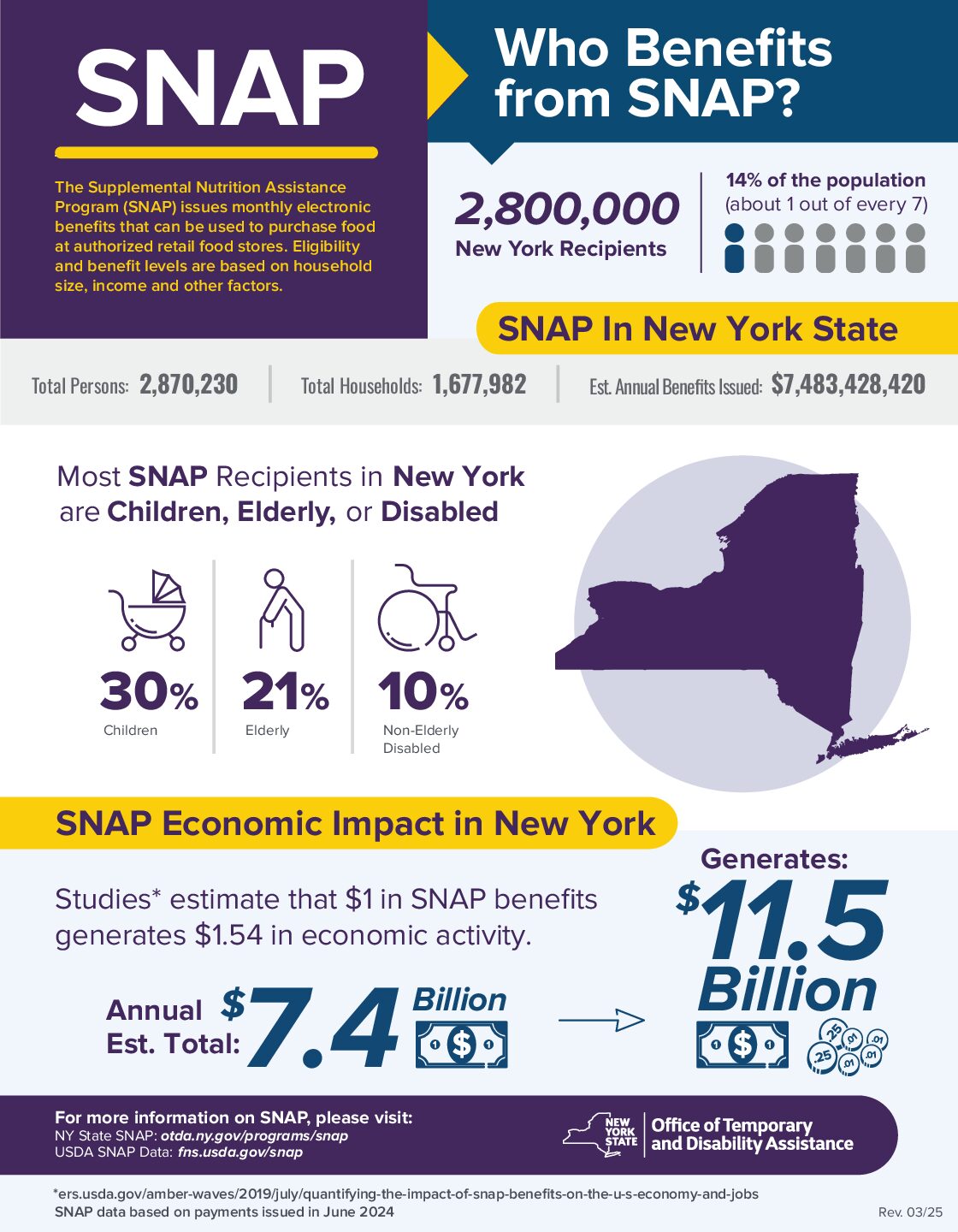
SNAP income limits are tied to federal poverty guidelines and change over time. The limit also depends on household size and state rules.
A senior applicant should not assume that receiving a monthly benefit means they earn too much for SNAP. Some older adults qualify because deductions lower their countable net income.
Important deductions may include:
- A standard deduction for basic household costs
- A deduction for shelter expenses
- A deduction for utility costs
- Certain child care or dependent care expenses
- Some legally required payments
- Unreimbursed medical expenses for an older adult or person with a disability
Medical costs can make a major difference. Allowable expenses may include health insurance premiums, prescription drugs, doctor visits, hospital bills, dental care, transportation for medical care, and certain medical supplies.
Keep receipts and statements for these expenses. One common mistake is reporting only rent and utilities while forgetting recurring medical costs. For a senior household, that omission may lower the benefit or lead to an incorrect denial.
Resource rules can include money in bank accounts, cash, and some investments. A home usually does not count as a SNAP resource. A vehicle may also receive special treatment, but the details vary by state.
How Medical Expense Deductions Help Seniors
Medical expense deductions are one of the most important parts of SNAP benefits for seniors. They recognize that an older adult may spend a large share of income on health care.
A person may have costs that seem small each month but become significant over a year. For example, a senior might pay $45 for prescriptions, $175 for Medicare premiums, and $60 for transportation to appointments. When documented and allowed under state rules, these expenses may reduce countable income.
Potential medical expenses may include:
- Medicare Part B, Part D, and supplemental premiums
- Prescription medicines
- Dental care
- Eyeglasses
- Hearing aids
- Medical equipment
- Copayments
- Home health care
- Transportation to medical appointments
- Health insurance premiums
Rules often require medical expenses to exceed a small threshold before the deduction applies. The threshold and documentation rules can vary.
When applying, provide copies of bills, receipts, insurance statements, and pharmacy records. If a caseworker does not ask about medical costs, mention them clearly. This simple step is one of the most practical ways to improve the accuracy of a SNAP application.

How Much Do SNAP Benefits for Seniors Provide?
The amount of SNAP benefits for seniors depends on household income, deductions, household size, and state rules. There is no single payment amount for every senior.
The maximum benefit is higher for larger households. A person who lives alone may receive less than a household of two, while a household with high medical and shelter deductions may qualify for a larger benefit than another household with the same income.
The general calculation works like this:
- The state reviews household income.
- It subtracts approved deductions.
- It estimates the household’s expected contribution toward food.
- It subtracts that contribution from the maximum benefit for the household size.
Some very small calculated benefits may be subject to a minimum benefit rule. The exact amount can change each year, so readers should confirm current figures with their state SNAP office or an official benefits calculator.
SNAP benefits for seniors are placed on the EBT card each month. The card balance may roll over from one month to the next, but unused benefits should not be left untouched for long periods. States may remove benefits after a period of inactivity following required notices.
What Can Seniors Buy With SNAP?
SNAP benefits can pay for most foods intended for home preparation and eating. The goal is to support regular meals and basic nutrition.
Approved purchases commonly include:
- Fresh, frozen, or canned produce
- Meat and seafood
- Eggs and cheese
- Milk and other dairy items
- Bread and cereals
- Infant food
- Seeds and food-producing plants
- Nonalcoholic drinks
SNAP generally cannot pay for:
- Alcohol
- Tobacco
- Vitamins and supplements
- Medicine
- Hot foods sold for immediate eating
- Pet food
- Cleaning products
- Soap and paper goods
- Cosmetics
- Prepared meals from most restaurants
Some states participate in restaurant meal programs for certain older adults, people with disabilities, or people without stable housing. Participation is limited, so seniors should ask their state agency whether this option is available.
Many farmers markets accept SNAP. Some also offer produce incentives, which can stretch an EBT balance further. Ask the market manager whether benefits can be used and whether bonus funds are offered.
How to Apply for SNAP Benefits for Seniors
Each state runs its own SNAP application process. You can usually apply online, by phone, by mail, or in person at a local benefits office.
The application process commonly includes these steps:
- Find the official SNAP agency for your state.
- Complete an application with household and income details.
- Submit documents that support your information.
- Complete an interview, if required.
- Wait for the eligibility decision.
- Receive an EBT card if approved.
Documents may include:
- Proof of identity
- Social Security number
- Proof of address
- Social Security or SSI award letters
- Pension statements
- Bank statements
- Rent or mortgage records
- Utility bills
- Medical receipts
- Insurance premium statements
A senior can ask for an authorized representative to help with the application, interview, or shopping. This can be useful for someone with limited mobility, memory concerns, poor internet access, or difficulty managing paperwork.
Do not delay because every document is not ready. Ask the agency which items are required and whether the application date can be protected while documents are collected.

How Long Does a SNAP Application Take?
Many SNAP applications are processed within 30 days. Some households with very low income and few resources may qualify for expedited SNAP, which can be issued much sooner.
The state may contact the applicant for an interview or more information. Respond quickly and keep copies of every form sent.
If the application is denied, the notice should explain why. A senior usually has the right to request a fair hearing within the stated deadline. Read the notice closely because the appeal period may be limited.
A useful habit is to keep a simple benefits folder with:
- Application copies
- Agency letters
- Caseworker names
- Phone call dates
- Documents submitted
- Appeal deadlines
In benefits work, small paperwork gaps often cause bigger problems than the eligibility rules themselves. Clear records make it easier to correct an error.
SNAP and Social Security: What Seniors Should Know
Social Security and SNAP are separate programs. Receiving Social Security does not automatically qualify a person for SNAP, and it does not automatically disqualify them.
Social Security retirement and disability payments usually count as income for SNAP. Supplemental Security Income also affects the calculation, but SSI recipients may still qualify for SNAP in many states.
Some states use data matching or simplified applications for people who receive certain public benefits. This can make the process easier, but seniors should still report all requested information accurately.
SNAP does not reduce a person’s Social Security check. It also does not replace Medicare, Medicaid, housing assistance, or energy assistance. A senior may qualify for several programs at the same time.
A benefits counselor can screen for related programs such as:
- Medicare Savings Programs
- Medicaid
- Low Income Home Energy Assistance
- Senior Farmers’ Market Nutrition Programs
- Local food pantries
- Property tax relief
- Prescription assistance
Looking at the full benefits picture is often more useful than applying for SNAP alone.
Special Rules for Senior Households
SNAP benefits for seniors may include several protections that help older adults apply more easily.
A household with an older adult may have:
- No work requirement based only on age
- A medical expense deduction
- A shelter deduction
- A simpler household arrangement in some cases
- More flexible resource rules in some states
- A longer certification period in some states
- Fewer reporting duties than certain other households
These rules do not guarantee approval. The applicant must still meet the applicable income and household requirements.
Some states also offer simplified reporting for elderly or disabled households. This may reduce the number of times a person must report changes. Even so, report major changes when the agency requires it.
If a senior has trouble traveling, ask about phone interviews, mail-in forms, home visits, accessible offices, or help from an authorized representative.
Common Mistakes to Avoid
Many seniors avoid SNAP because they believe a common myth. They may think home ownership, Social Security, or a small bank account automatically prevents approval. In reality, the answer depends on the complete household situation and state rules.
Avoid these mistakes:
- Do not assume you are ineligible before applying.
- Do not leave out medical expenses.
- Do not count only rent and ignore utilities.
- Do not list relatives as part of the food household unless you buy and prepare food together.
- Do not submit estimates when official records are available.
- Do not ignore requests for an interview.
- Do not miss an appeal deadline.
- Do not share your EBT PIN with strangers.
- Do not pay someone who promises guaranteed approval.
Official SNAP services are free. Be careful with websites or callers who request payment, bank passwords, or unusual personal details.
If you receive a suspicious call or text, contact the state SNAP agency using a verified number. Scammers often target older adults because benefit cards can be used like cash at participating stores.
How to Make SNAP Benefits Stretch Further
SNAP benefits for seniors can go further with simple planning. You do not need a complex diet plan. A short list and a few low-cost staples can make a real difference.
Try these ideas:
- Plan three or four low-cost meals before shopping.
- Compare unit prices, not just package prices.
- Choose frozen vegetables when fresh food is costly.
- Buy store brands when quality is similar.
- Use beans, lentils, eggs, and canned fish for affordable protein.
- Freeze bread and meat before they spoil.
- Check farmers market incentives.
- Use store loyalty discounts when allowed.
- Build meals around foods already at home.
- Avoid shopping while hungry or without a list.
For example, oats, eggs, beans, brown rice, frozen vegetables, bananas, and canned tuna can support several simple meals. These foods are not glamorous, but they are dependable building blocks, much like a sturdy toolbox.
Food banks, senior centers, and community meal programs may also help. Using these services is not a failure. They are community resources designed to help people protect both their food budget and their health.
Frequently Asked Questions About SNAP Benefits for Seniors
Can seniors get SNAP benefits if they receive Social Security?
Yes. Social Security usually counts as income, but many seniors still qualify after allowed deductions are applied. Medical, shelter, and utility expenses may lower countable income.
Can a senior get SNAP benefits while receiving SSI?
Possibly. SSI does not automatically prevent a person from receiving SNAP, although the SSI payment may count as income. Eligibility depends on household details and state rules.
Does owning a home disqualify a senior from SNAP?
Usually, the home a person lives in is not counted as a SNAP resource. Other property, savings, and income rules may still apply, so the senior should provide complete information.
Can SNAP pay for vitamins or prescription medicine?
No. SNAP generally cannot pay for vitamins, supplements, or medicine. It can pay for many foods, including fruits, vegetables, meat, dairy, bread, and seeds that grow food.
Can a senior apply for SNAP online?
In most states, seniors can apply online, by mail, by phone, or in person. The exact options vary, so use the official state benefits agency rather than an unverified website.
Can someone help a senior use SNAP?
Yes. A senior may name an authorized representative to help with the application and other SNAP tasks. The senior should choose someone trusted and understand what access that person will have.
How often do seniors need to renew SNAP?
Renewal periods vary by state and household type. The state will send a notice with the renewal date and required documents, so keep the mailing address current.
[CodeImg not included in accordance with the requested FAQ formatting.]
Conclusion
SNAP benefits for seniors can help older adults buy healthy food when fixed income does not cover rising grocery costs. Eligibility depends on income, household rules, medical expenses, shelter costs, and state policies.
The most important steps are to apply through the official state agency, report all eligible expenses, keep good records, and ask for help when needed. Do not let myths about Social Security, home ownership, or age stop you from checking your eligibility.
Review your state’s SNAP rules, gather your documents, and consider speaking with a benefits counselor or trusted senior service organization. Taking that first step may bring meaningful support to your monthly food budget.

Michael Reynolds is a senior contributor at RetirementGazette.com, where he focuses on helping readers navigate the journey toward a secure and fulfilling retirement. With over a decade of experience in personal finance, retirement planning, and lifestyle writing, Michael combines practical strategies with easy-to-understand guidance tailored for both pre-retirees and those already enjoying their golden years.