
Someone may not have Medicare Part A because they are not yet eligible, declined coverage, or must pay a monthly premium.
Understanding why would someone not have Medicare Part A can prevent costly mistakes. Medicare rules depend on age, work history, disability status, citizenship, employer coverage, and enrollment choices, so this guide explains the most common reasons in clear, practical terms.
What Is Medicare Part A?
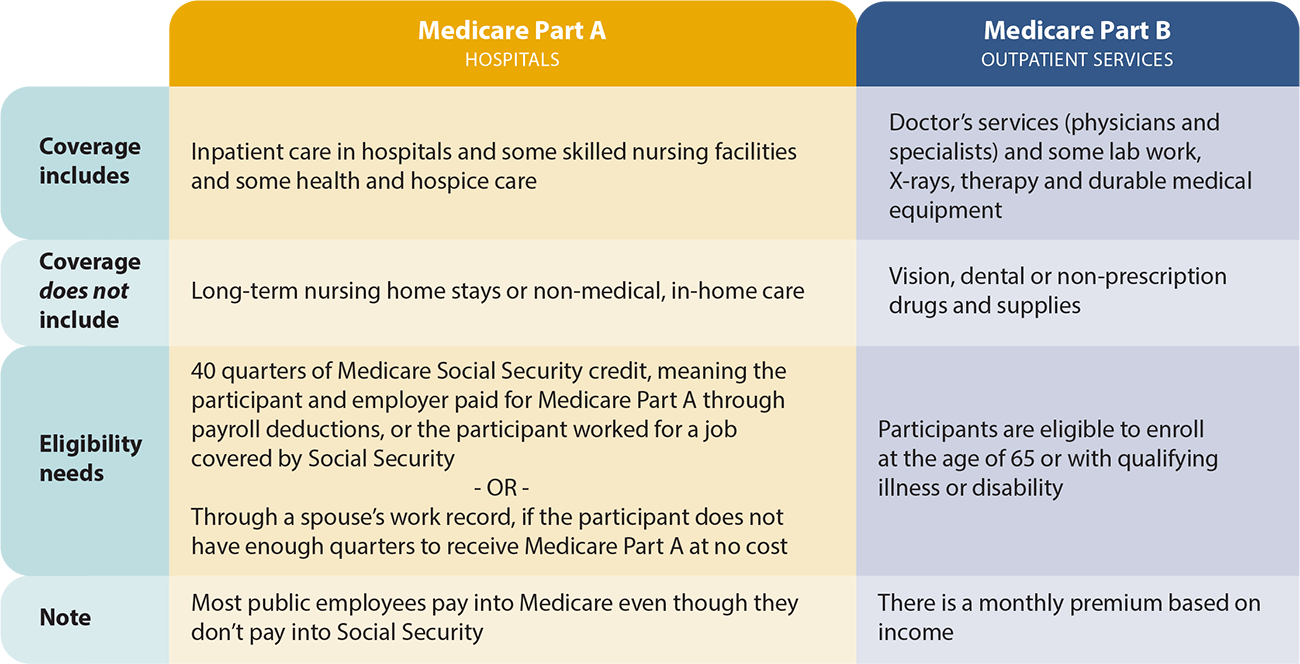
Medicare Part A is hospital insurance. It helps pay for medically necessary care such as:
• Inpatient hospital stays
• Skilled nursing facility care after a qualifying hospital stay
• Hospice care
• Some home health care
• Certain inpatient mental health services
Most people qualify for premium-free Part A after earning enough Social Security or Medicare work credits. In many cases, a person needs about 40 work credits, which is usually equal to 10 years of work.
Part A is different from Medicare Part B. Part B helps cover doctor visits, outpatient care, preventive services, and medical equipment. A person may have Part A without Part B, or may delay both parts in certain situations.
For many people, Part A feels automatic. However, Medicare enrollment is not automatic for everyone. That is why someone can reach age 65 and still not have Medicare Part A.

Why Would Someone Not Have Medicare Part A?
There are several valid reasons why would someone not have Medicare Part A. The reason matters because the next step may be enrollment, proof of work history, premium payment, or simply waiting until the person becomes eligible.
They Have Not Reached Medicare Eligibility Age
The most common reason is simple: the person is younger than 65 and does not qualify through disability or another special rule.
Most people first become eligible for Medicare at age 65. Some people qualify earlier after receiving Social Security Disability Insurance for 24 months. People with end-stage renal disease or amyotrophic lateral sclerosis may qualify under special rules.
A person can have private health insurance for many years before becoming eligible for Medicare. Not having Part A before age 65 is usually normal.
They Do Not Have Enough Work Credits
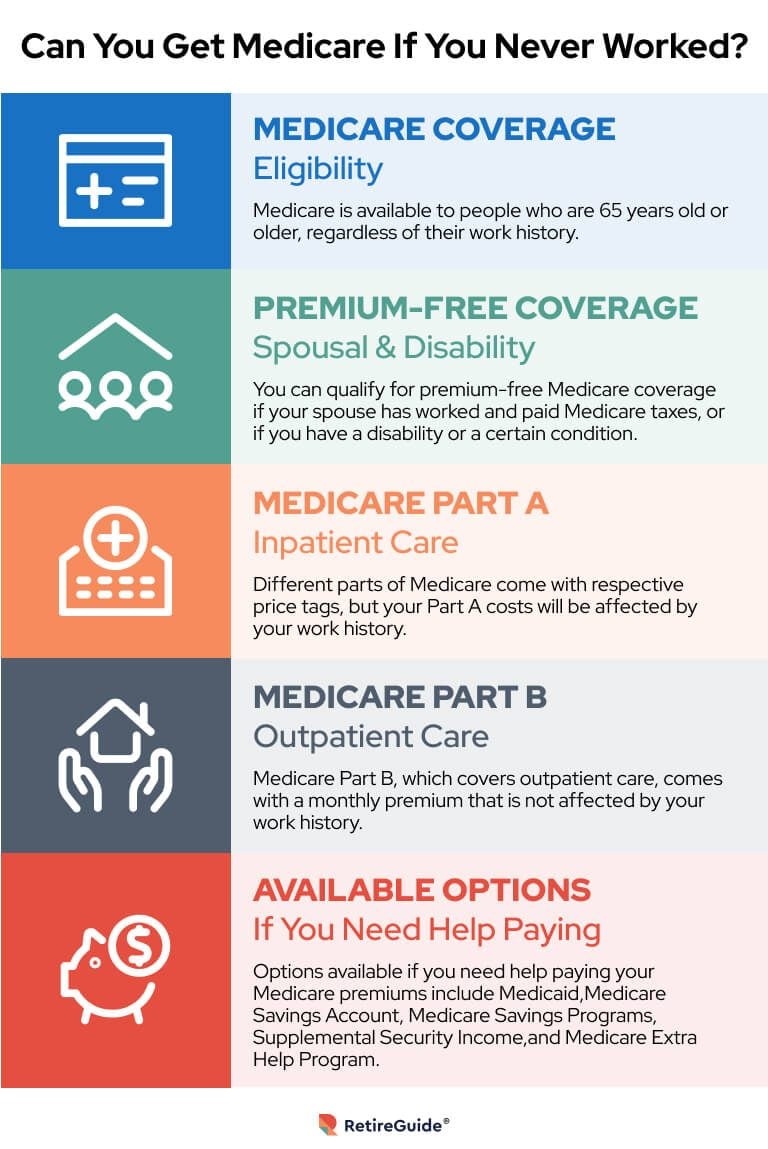
Premium-free Part A is generally based on a person’s work record or a spouse’s work record. If neither person has enough Medicare-covered work credits, the applicant may need to buy Part A.
In 2025, the standard Part A premium can be as high as $518 per month for people with fewer than 30 quarters of Medicare-covered work. People with 30 to 39 quarters may pay a lower premium. Premium amounts can change each year, so checking the current figure with Medicare is important.
This is one major answer to why would someone not have Medicare Part A: they may be eligible for Medicare but unable to receive Part A without a premium.
They Did Not Sign Up on Their Own
Medicare may automatically enroll people who are already receiving Social Security benefits before turning 65. But people who are not receiving those benefits may need to apply themselves.
For example, a person who waits to claim Social Security until age 70 may not be automatically enrolled in Medicare at 65. They must usually apply through Social Security during their Initial Enrollment Period.
This is a common source of confusion. Delaying Social Security does not always mean delaying Medicare enrollment.
They Are Not a U.S. Citizen or Do Not Meet Residency Rules
Medicare eligibility also depends on citizenship or lawful presence and residency requirements. A person who is not a U.S. citizen may need to meet specific conditions before enrolling.
Generally, lawful permanent residents may qualify if they have lived in the United States continuously for at least five years before applying. Individual situations can differ, especially for people with work histories in other countries.
Someone asking why would someone not have Medicare Part A should review both immigration status and work history. A person may meet one requirement but not the other.
They Chose Not to Enroll
Medicare Part A is often premium-free, but it is not always legally required. Some people decline or delay Part A because they want to keep contributing to a Health Savings Account, or HSA.
Once a person has Medicare, they generally cannot contribute to an HSA. This matters for people who have a high-deductible employer health plan and want to keep receiving HSA tax benefits.
A person should think carefully before declining Part A. If they later enroll, Medicare coverage can sometimes begin retroactively, which may create HSA contribution problems.
They Have Employer Coverage and Want to Delay Medicare
Some people continue working after age 65 and keep coverage through a current employer. In that case, the best Medicare choice may depend on the employer’s size and the person’s health plan.
Coverage from a current employer is different from retiree coverage, COBRA, or Veterans Affairs coverage. Those types of insurance may not protect a person from Medicare enrollment penalties in the same way.
Before delaying Part A or Part B, ask the employer’s benefits office:
• Is the plan based on current employment?
• Does the employer have 20 or more employees?
• Is the plan creditable for prescription drug coverage?
• Will the plan pay first or second after Medicare?
• Could delaying Medicare affect HSA eligibility?
Getting the answer in writing is wise. Health insurance rules can feel like a maze, and a benefits specialist can help you avoid a wrong turn.
They Have Not Applied for Medicare Yet
A person may simply be outside the correct enrollment period. The Initial Enrollment Period normally begins three months before the month of the 65th birthday, includes the birthday month, and ends three months afterward.
People who miss that window may need to use the General Enrollment Period or a Special Enrollment Period. The General Enrollment Period runs from January 1 through March 31 each year, with coverage generally starting the month after enrollment.
A Special Enrollment Period may be available after qualifying employer coverage ends. The exact timing depends on the person’s situation.
They Have Medicare Through Disability but Not Part A
Some people qualify for Medicare because of disability but do not understand that their coverage may begin later. Most people receiving SSDI must wait 24 months before Medicare starts.
A person may have Medicaid, private insurance, or employer coverage during this waiting period. Until the Medicare eligibility date arrives, they may not have Part A.
People with ALS usually qualify for Medicare sooner after disability benefits begin. People with end-stage renal disease have separate rules based on dialysis or transplant treatment.

Can Someone Buy Medicare Part A?
Yes. A person who does not qualify for premium-free Part A may be able to buy it.
To buy Part A, a person generally must also enroll in Part B. Part B has its own monthly premium, so the total cost can be significant.
Buying Part A may make sense when:
• The person has a limited work history
• The person wants Medicare hospital coverage
• Employer insurance is ending
• The person needs access to Medicare Advantage
• The person does not qualify for Medicaid or another low-cost plan
However, buying Part A is not always the best financial choice. Compare the Part A premium with employer insurance, Marketplace coverage, Medicaid, retiree coverage, and other available options.
A Medicare counselor, State Health Insurance Assistance Program counselor, or Social Security representative can help explain the numbers. Be cautious with anyone who promises a simple answer without reviewing your full situation.
What Happens If Someone Delays Medicare Part A?
Delaying Part A may be harmless in some cases, but it can create problems in others.
People with premium-free Part A usually have little financial reason to delay it unless they need to protect HSA contributions. However, people who must pay a Part A premium should compare the cost and possible late enrollment penalty before making a decision.
The premium Part A late enrollment penalty can increase the monthly premium by 10%. The penalty may apply for twice the number of years the person delayed enrollment. For example, a two-year delay could lead to a penalty period of four years.
The rules can be different when a person has coverage from active employment. A Special Enrollment Period may help the person avoid a penalty after that employer coverage ends.
Keep records of:
• The date employer coverage began
• The date employer coverage ended
• The employer’s size
• Proof of Medicare tax credits or work quarters
• HSA contributions
• Letters from Social Security or Medicare
Good records are like a map. They make it easier to prove eligibility and correct an enrollment problem.

Medicare Part A and Health Savings Accounts
HSA rules are one of the most important reasons why would someone not have Medicare Part A. A person cannot contribute to an HSA after Medicare coverage begins.
The problem is that Medicare Part A can be retroactive. If a person enrolls in Medicare after turning 65, Part A may start up to six months before the application date, but not earlier than the month the person first became eligible.
For this reason, someone approaching Medicare enrollment should talk with a tax professional about when to stop HSA contributions. Many people stop contributing at least six months before applying, but the correct timing depends on their circumstances.
The person should also consider HSA contributions from:
• Their own payroll
• Employer contributions
• A spouse’s contributions
• Catch-up contributions
• Contributions made after the Medicare start date
An HSA mistake may lead to excess contributions, income tax, or additional tax. This is an area where professional advice can be worth the cost.

How to Find Out Why Someone Does Not Have Medicare Part A
If a person expected to have Part A but does not, these steps can help identify the reason.
-
Check the Medicare card. It lists the effective dates for Part A and Part B.
-
Review the Social Security account. The person may not have applied, or an application may still be pending.
-
Call Social Security. Social Security handles Medicare enrollment for most people.
-
Ask about work credits. A person may qualify through their own record or a spouse’s record.
-
Confirm citizenship and residency information. Missing documents can delay an application.
-
Review employer coverage. Ask whether the coverage is based on current employment.
-
Check HSA contributions. This can affect the best enrollment date.
-
Ask about Medicaid or Medicare Savings Programs. These programs may help with premiums and other costs.
Medicare and Social Security are separate programs, but Social Security handles most Medicare enrollment tasks. Medicare itself can explain coverage, benefits, and plan choices, while Social Security can review enrollment and work-credit questions.
Common Mistakes to Avoid
People often make Medicare decisions based on advice from a friend, coworker, or online post. That advice may be correct for one person and wrong for another.
Avoid these mistakes:
• Assuming Medicare enrollment is automatic because you turned 65
• Assuming delaying Social Security also delays Medicare
• Treating COBRA as the same as current employer coverage
• Forgetting that Part A can affect HSA eligibility
• Ignoring the difference between premium-free and premium Part A
• Waiting too long to ask about a Special Enrollment Period
• Dropping employer coverage before confirming Medicare is active
• Assuming Veterans Affairs coverage removes every Medicare concern
• Failing to keep enrollment documents and confirmation numbers
A useful personal lesson from reviewing Medicare choices is that timing often matters as much as eligibility. A person may qualify for Part A but still need to choose the right start date.
When in doubt, ask for help before canceling health insurance or submitting an enrollment form. A small question today can prevent a large bill later.

Frequently Asked Questions
Why would someone not have Medicare Part A at age 65?
They may not have applied, may not be receiving Social Security benefits, or may not meet the work-credit or residency rules. They may also have chosen to delay Part A because of employer coverage or HSA contributions.
Is Medicare Part A automatic for everyone?
No. Automatic enrollment usually applies to people already receiving Social Security or Railroad Retirement benefits before age 65. Others generally need to enroll through Social Security.
Can a person have Medicare Part B but not Part A?
Yes, but this situation is less common. A person may choose Part B without Part A, or may not qualify for premium-free Part A and decide not to buy it.
Can someone get Medicare Part A without enough work credits?
They may be able to buy Part A if they meet the citizenship or residency rules and enroll in Part B. The monthly Part A premium depends on their Medicare-covered work history.
Does employer insurance replace Medicare Part A?
It may pay first or second, depending on the employer’s size and the type of coverage. Employer insurance does not always replace Medicare, so a benefits administrator should confirm how the plans coordinate.
Can someone lose Medicare Part A?
Part A can end if a person stops paying a required premium or loses eligibility under a specific rule. Premium-free Part A usually does not end simply because someone stops working.
Does delaying Medicare Part A cause a penalty?
It can, especially when a person must pay a Part A premium and does not have qualifying employer coverage. The penalty rules depend on how long enrollment was delayed and why it was delayed.
Conclusion
There are many legitimate answers to why would someone not have Medicare Part A. The person may be under 65, lack enough work credits, need to buy Part A, have delayed enrollment, rely on employer coverage, or be protecting HSA contributions.
The safest next step is to confirm the reason with Social Security, review employer coverage, and check how Medicare may affect HSA contributions. Do not cancel existing insurance until Medicare coverage and start dates are confirmed. Use official Medicare and Social Security resources, speak with a qualified counselor, and share your questions or experience with Medicare in the comments.

Michael Reynolds is a senior contributor at RetirementGazette.com, where he focuses on helping readers navigate the journey toward a secure and fulfilling retirement. With over a decade of experience in personal finance, retirement planning, and lifestyle writing, Michael combines practical strategies with easy-to-understand guidance tailored for both pre-retirees and those already enjoying their golden years.