
Medicare can pay for an electric wheelchair when it is medically necessary, typically once every few years.
I’ve helped many older adults and caregivers navigate Medicare rules about durable medical equipment. This guide explains how often Medicare will pay for an electric wheelchair, what triggers coverage, paperwork needed, limits, and real-world tips to improve your chance of approval. Read on for clear steps, common scenarios, and practical advice from experience so you can make an informed decision.

Understanding Medicare coverage for electric wheelchairs
Medicare covers durable medical equipment (DME). Electric wheelchairs fall under DME when ordered by a doctor for home use. Coverage depends on medical necessity, mobility limits, and specific rules in Medicare Part B. Knowing the policy helps you plan and avoid surprises.
Medicare will not automatically replace a chair on a fixed schedule. Each case is evaluated. Your doctor and supplier must document why you need an electric wheelchair versus a manual one.
When will Medicare pay: rules and frequency
How often will Medicare pay for an electric wheelchair is decided case by case. Medicare generally pays for an electric wheelchair if your condition makes a manual wheelchair insufficient. Frequency is based on medical need, repairability, and whether a newer model is required.
Typical timeframes and rules:
- Initial approval depends on a written order and face-to-face exam with your doctor.
- Replacements are allowed if the wheelchair is damaged beyond repair or if your condition changes significantly.
- Routine upgrades for convenience are rarely covered.
How often will Medicare pay for an electric wheelchair also hinges on documentation. If your medical records show progressive decline or new impairments, Medicare may approve replacement sooner. If the chair is worn but repairable, Medicare may cover repairs instead of a full replacement.

How to qualify and get coverage
Steps to qualify:
- Get a detailed prescription from your doctor stating why a manual wheelchair won’t meet your needs.
- Complete a face-to-face exam and have the doctor document mobility limitations and daily function.
- Choose a Medicare-enrolled supplier that bills Medicare directly.
Required documentation:
- Physician’s order with diagnosis and need.
- Records of the face-to-face exam.
- Supplier documentation showing the model and medical rationale.
How often will Medicare pay for an electric wheelchair links directly to these steps. Strong, clear documentation speeds approval and supports requests for replacement when needed.

What Medicare may pay for and limits
Medicare Part B typically covers:
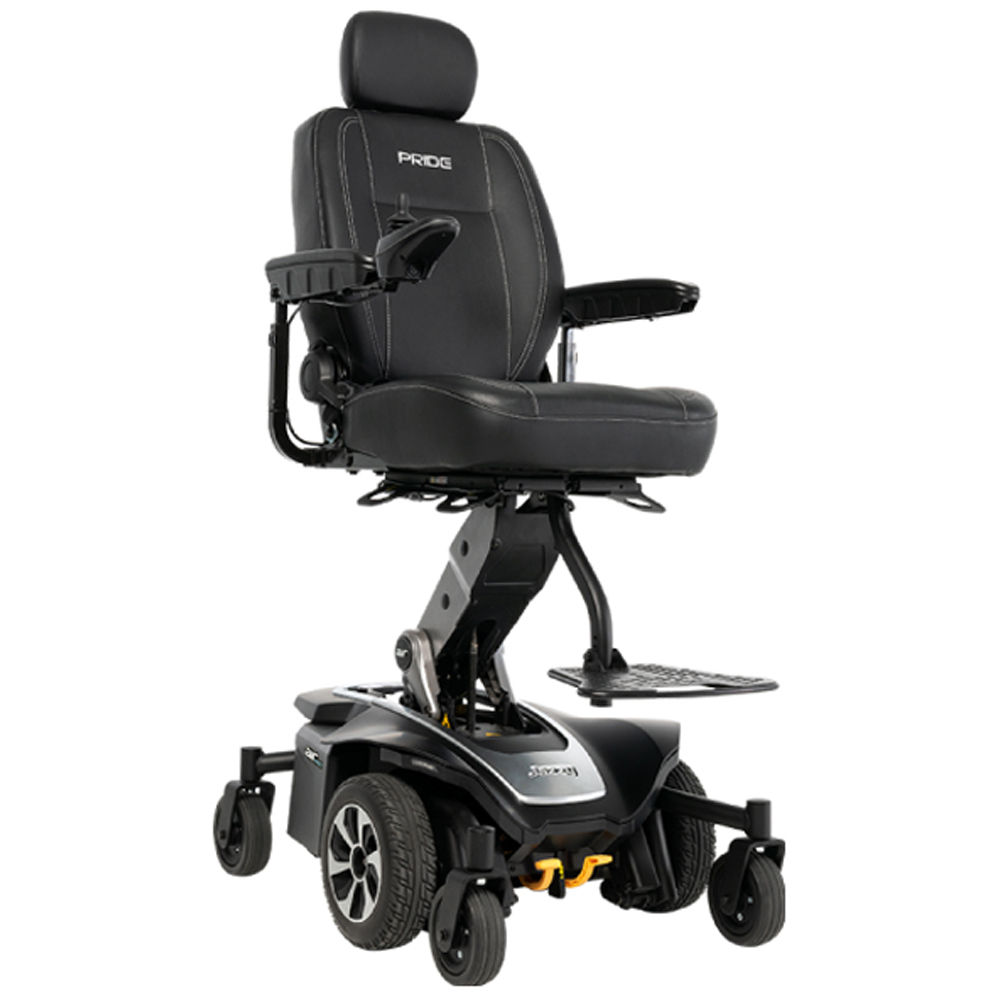
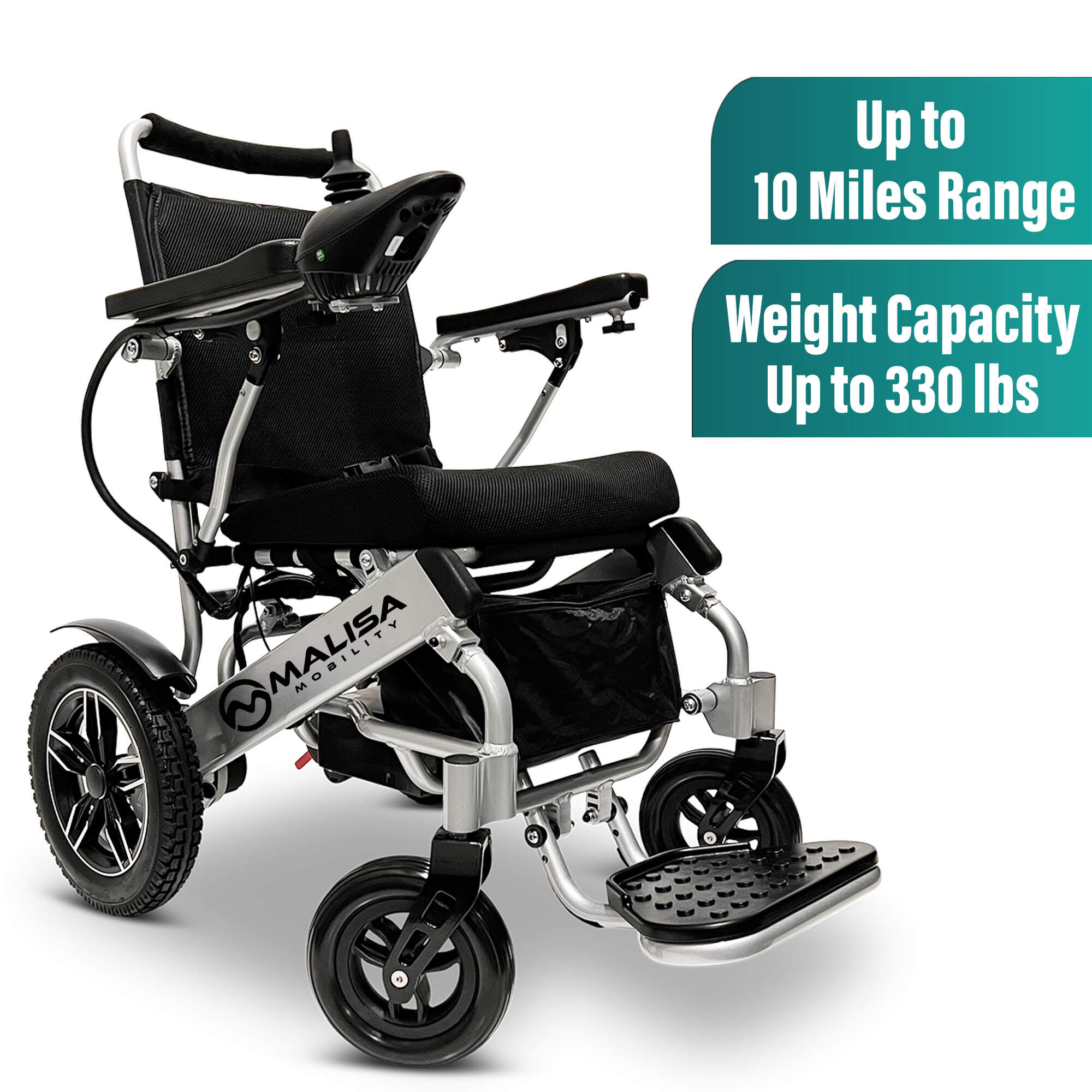
- Standard power wheelchairs that meet medical need.
- Necessary accessories related to safe use.
- Repairs and maintenance if the supplier is enrolled with Medicare.
Medicare may not cover:
- Models chosen only for style or convenience.
- Batteries, cushions, or accessories not deemed medically necessary.
- Duplicate equipment when a repair would suffice.
Limits on frequency:
- No fixed national timeline. Coverage is based on clinical need.
- Medicare may prefer repair over replacement.
- If rental is applicable, Medicare may rent equipment before approving purchase.
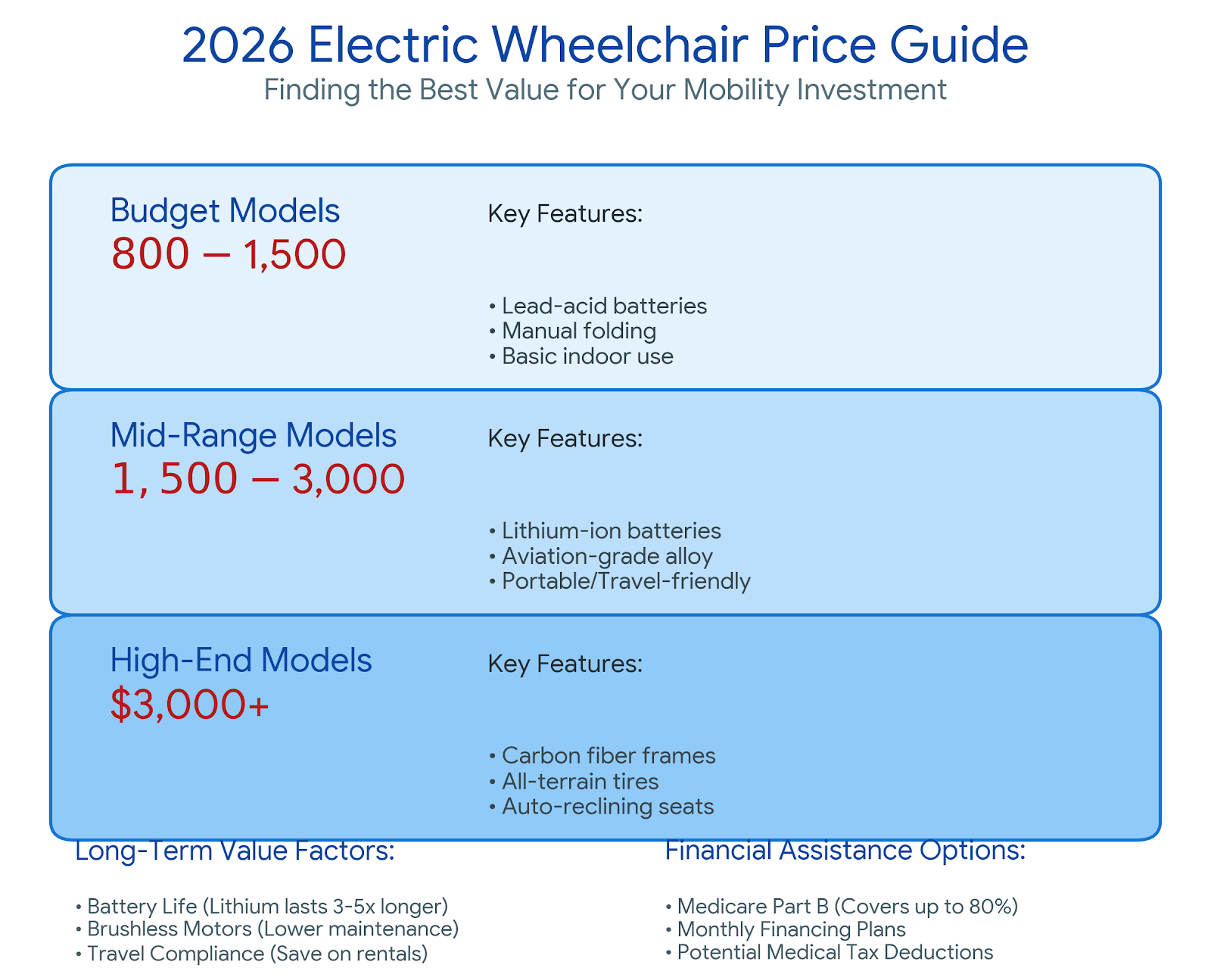
How often will Medicare pay for an electric wheelchair can vary in cost share. You normally pay 20% of Medicare-approved amount after Part B deductible, unless you have secondary insurance that picks up some costs.
Tips to speed approval and avoid denials
Practical tips from experience:
- Work with a trusted Medicare supplier who understands coverage rules.
- Ensure the doctor’s notes match the supplier’s documentation word-for-word.
- Keep a mobility diary that shows daily limitations and incidents where mobility was unsafe.
- If denied, request a redetermination quickly and gather more clinical evidence.
How often will Medicare pay for an electric wheelchair depends on paperwork quality. Clear, consistent records reduce delays and denials.

Personal experience and lessons learned
I once helped a client whose initial claim was denied. The denial stemmed from vague wording in the doctor’s note. We added a short mobility diary, a detailed face-to-face report, and a follow-up letter from her therapist. The appeal succeeded and Medicare approved a replacement chair. Lesson learned: precise documentation matters more than form or timing.
Another tip from my work: choose a supplier that handles appeals. They save time and know what Medicare reviewers expect. These small choices can change how often Medicare will pay for an electric wheelchair in practice.
Common reasons for approval and denial
Common approval reasons:
- Inability to safely use a manual wheelchair.
- Persistent fatigue or cardiorespiratory limits that make manual propulsion unsafe.
- Risk of falls or inability to perform daily tasks without a powered chair.
Common denial reasons:
- Lack of clear clinical documentation.
- Equipment deemed a convenience upgrade.
- Supplier not enrolled in Medicare.
How often will Medicare pay for an electric wheelchair is shaped by these real reasons. Aim to address common denial points early.
PAA-style questions
What clinical details help approval?
- Describe daily mobility limits, distance unable to walk, and why a manual chair is unsafe. Include objective measures like gait speed or assisted distance.
Will Medicare pay for repairs instead of a new chair?
- Yes. Medicare often pays for repairs when damage is repairable. Replacement is approved when repair is not safe or feasible.
How long does the approval process take?
- Initial approval can take a few weeks. Appeals add weeks to months. Good documentation shortens the timeline.
Frequently Asked Questions of How often will Medicare pay for an electric wheelchair
How often will Medicare pay for an electric wheelchair if my condition worsens?
Medicare may pay again when clinical records show a clear, documented change in function. Provide updated notes, a new face-to-face exam, and supporting therapy records.
How often will Medicare pay for an electric wheelchair if mine breaks?
If the chair is damaged beyond repair, Medicare can cover a replacement. If repairable, Medicare typically covers the repair instead of a new chair.
How often will Medicare pay for an electric wheelchair when I want an upgrade?
Medicare rarely pays for upgrades for comfort or convenience. Upgrades need strong medical justification tied to safety or new medical needs.
How often will Medicare pay for an electric wheelchair if my supplier isn’t enrolled?
Medicare will not pay suppliers that aren’t enrolled. Choose a Medicare-enrolled supplier to ensure billing and potential coverage.
How often will Medicare pay for an electric wheelchair after an appeal?
An appeal decision is case-specific. If the appeal shows new evidence of medical necessity, Medicare may approve coverage even after an initial denial.
Conclusion
Medicare can pay for an electric wheelchair when medical need is clear and well documented. Frequency depends on clinical change, repairability, and paperwork quality rather than a simple calendar rule. Take action now: gather detailed medical notes, work with an experienced supplier, and keep a short mobility diary to support your request. If you have questions, talk to your doctor and supplier, then consider appealing promptly when needed. Share your experience below or sign up for more guides to stay informed and confident about Medicare DME coverage.

Michael Reynolds is a senior contributor at RetirementGazette.com, where he focuses on helping readers navigate the journey toward a secure and fulfilling retirement. With over a decade of experience in personal finance, retirement planning, and lifestyle writing, Michael combines practical strategies with easy-to-understand guidance tailored for both pre-retirees and those already enjoying their golden years.