
You can get an electric wheelchair through Medicare if it’s medically necessary and properly documented.
I’ve helped many people navigate Medicare to get durable medical equipment, and I’ll walk you through every step of how to get an electric wheelchair through Medicare. This guide explains rules, eligibility, paperwork, supplier selection, appeals, costs, and practical tips from real experience so you can move forward with confidence and less stress.

Understanding Medicare coverage for electric wheelchairs
Medicare covers power wheelchairs when they are medically necessary for use in the home. Medicare Part B pays for durable medical equipment, which includes electric wheelchairs, under specific conditions. Knowing these conditions helps you avoid surprises and speeds approval.
Medicare uses specific rules to decide coverage. Your doctor must document that a scooter or manual wheelchair won’t meet your medical needs and that a power wheelchair is necessary for daily living. The rule set includes mobility limitations, home use, and ongoing medical need.
Medicare’s process can seem complex, but with the right documentation and a reliable supplier, approvals are common. Keep records and stay organized to improve your chances of success when pursuing how to get an electric wheelchair through Medicare.
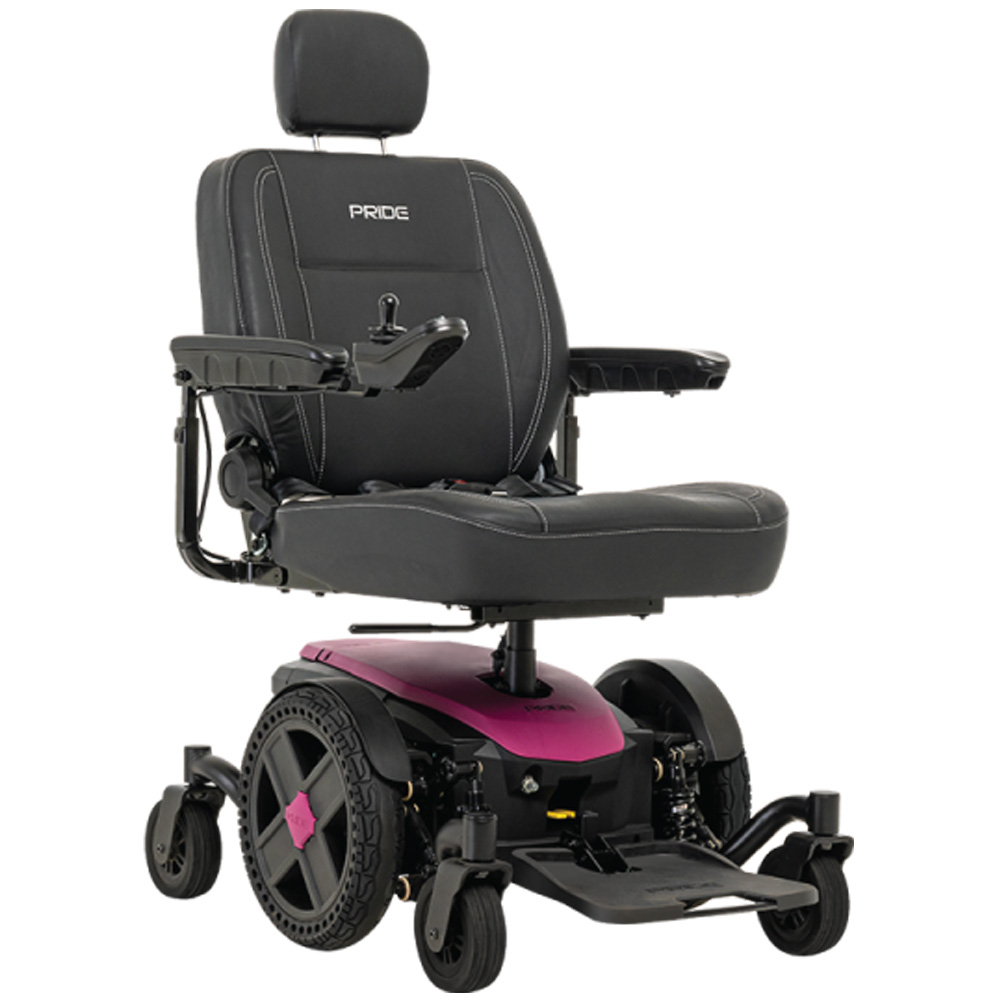
Eligibility criteria and documentation needed
To qualify, you must meet Medicare’s medical necessity requirements. Your doctor must provide clear, dated documentation that you need a power wheelchair to perform daily living activities at home. This documentation is called a “written order” and is the foundation of the claim.
Common evidence Medicare looks for:
- A detailed doctor’s statement showing functional limitations and reasons a manual wheelchair or cane won’t work.
- Clinical notes, therapy records, or evaluations that demonstrate mobility issues.
- A face-to-face visit note confirming ongoing need for the equipment.
Ensure your paperwork includes specifics such as distance you can walk, transfers you can manage, and safety risks. Precise language helps suppliers and Medicare understand why a power wheelchair is necessary for your care.

Step-by-step process to get an electric wheelchair through Medicare
- Talk with your doctor
- Explain mobility limits and daily struggles. Ask for a detailed written order that states why a power wheelchair is medically necessary.
- Obtain a face-to-face evaluation
- Medicare often requires a recent face-to-face visit. Make sure your provider documents how the power wheelchair will improve function and safety.
- Work with a Medicare-enrolled supplier
- Choose a supplier who accepts Medicare assignment and knows the documentation rules. A good supplier helps submit claims and ensures proper medical coding.
- Submit documentation and claim
- The supplier files the claim with Medicare using the doctor’s order and supporting medical records. Track submission and request status updates.
- Wait for approval or decision
- Medicare reviews the claim. If approved, Medicare covers 80% of the Medicare-approved amount after your Part B deductible; you pay 20% plus any remaining costs from non-covered items.
- Appeal a denial if needed
- If denied, request an appeal quickly. Provide additional clinical notes, therapy reports, or a new physician statement. Follow Medicare appeal timelines exactly.
Following these steps keeps the process organized and increases the chance of approval when pursuing how to get an electric wheelchair through Medicare.
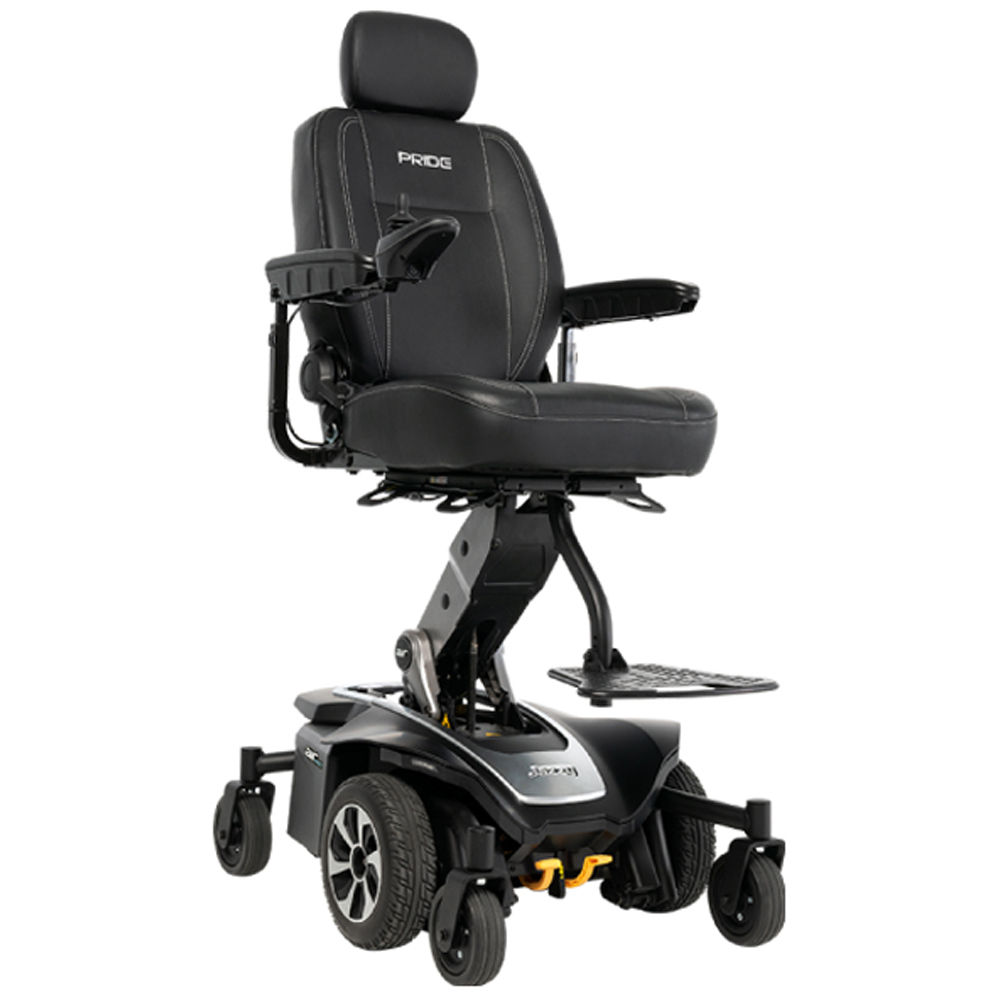
Choosing the right electric wheelchair and suppliers
Selecting the right power wheelchair is both medical and personal. Match features to your needs: seating support, control type, turning radius, battery range, and home accessibility. Your doctor and supplier should help choose a model that meets Medicare’s coverage rules.
Tips for choosing suppliers:
- Use a Medicare-enrolled supplier that understands coverage rules.
- Confirm they accept Medicare assignment so billed amounts match Medicare-approved pricing.
- Ask about warranties, service, and repairs—these affect long-term costs and usability.
Try to test drive models when possible. Practical fitting avoids mistakes like choosing a chair that won't fit through doors or that lacks necessary support for comfort and safety. Good supplier support made a big difference in my experience and in many patients I helped.
Costs, payment responsibilities, and limitations
Medicare Part B covers 80% of the Medicare-approved cost after your deductible. You are responsible for 20% of the approved amount and any charges above Medicare’s approved price. If a supplier charges more than the Medicare-approved amount, you may pay the difference.
Limitations to know:
- Medicare covers power wheelchairs for home use; outdoor-only needs may face denial.
- Custom features not medically required are usually not covered.
- Replacement rules and repair coverage follow specific timeframes and documentation.
Plan for extras such as delivery, set-up, cushion upgrades, or accessories. Ask the supplier for a written cost estimate before ordering. Clear cost expectations reduce surprises and help you budget while learning how to get an electric wheelchair through Medicare.
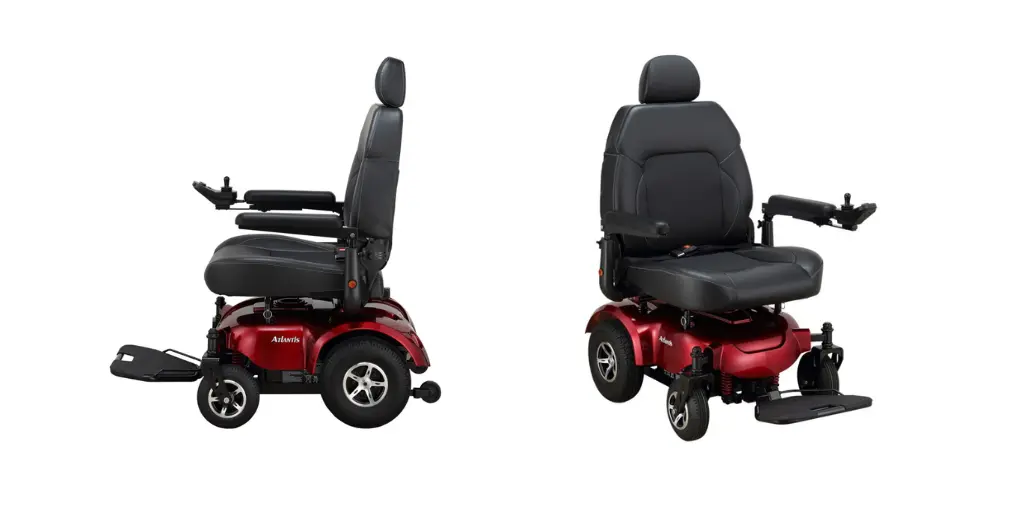
Common reasons claims are denied and how to avoid them
Denials often come from missing documentation or unclear medical necessity. Other common issues include non-enrolled suppliers, incorrect billing codes, or lack of face-to-face evaluation notes. Knowing these pitfalls helps prevent delays.
How to avoid denials:
- Ensure your physician’s order is detailed and recent.
- Use a Medicare-enrolled supplier who files correctly.
- Provide therapy notes, mobility assessments, and any relevant test results.
If denied, gather more evidence and file an appeal quickly. I’ve seen successful appeals when clinicians add detail about safety risks and daily limits that were missing in the original order.

Personal experience, tips, and mistakes to avoid
From my experience helping clients, clear communication with your doctor and supplier is key. Early on, I saw cases delayed because orders said only “wheelchair” without explaining why a power chair was necessary. Detailed notes are essential.
Practical tips:
- Bring a mobility diary to your doctor visit that documents daily limitations.
- Request a copy of all submitted notes and claims.
- Ask suppliers for a written quote that shows Medicare’s approved amount and your estimated out-of-pocket cost.
Mistakes to avoid:
- Using a non-Medicare supplier without checking enrollment.
- Assuming all features are covered—discuss custom options upfront.
- Waiting too long to appeal a denial; appeals must be timely.
These small changes make the process smoother and save time when learning how to get an electric wheelchair through Medicare.
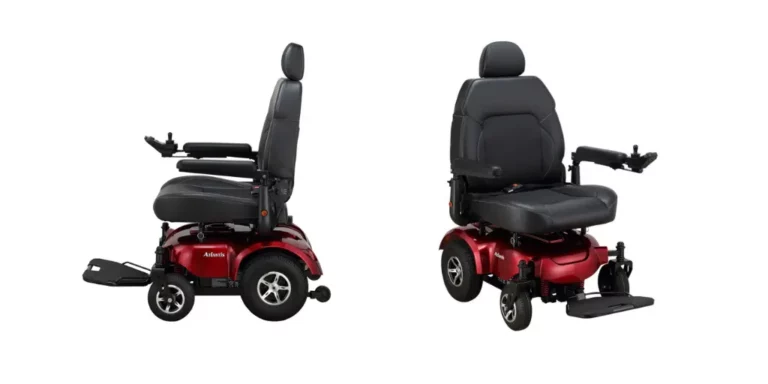
Frequently Asked Questions of How to get an electric wheelchair through Medicare
What documentation does Medicare require to cover an electric wheelchair?
Medicare requires a detailed written order from your doctor stating medical necessity, a face-to-face evaluation record, and supporting clinical notes showing functional limits and why other devices are insufficient.
Can Medicare cover a power wheelchair for outdoor use?
Medicare primarily covers wheelchairs for home use; outdoor-only needs are less likely to qualify unless documented as necessary for essential daily functions related to home living.
How much will I pay out of pocket for a Medicare-covered electric wheelchair?
You typically pay 20% of the Medicare-approved amount after meeting your Part B deductible, plus any charges above the Medicare-approved fee or non-covered accessories.
How long does it take to get approval from Medicare?
Approval times vary but often take several weeks after claim submission; delays occur if documentation is incomplete or the supplier files incorrect billing codes.
What should I do if Medicare denies coverage for a power wheelchair?
File an appeal promptly and submit additional medical records, therapist evaluations, and a clarifying letter from your doctor explaining why a power wheelchair is medically necessary.
Conclusion
Getting an electric wheelchair through Medicare is possible with the right documentation, a Medicare-enrolled supplier, and clear communication with your doctor. Focus on medical necessity, organize records, and ask questions at each step to avoid common pitfalls. Take action today: schedule a focused doctor visit, gather supporting notes, and contact a knowledgeable supplier to begin your application process. If this was helpful, leave a comment, share your experience, or subscribe for more practical guides and updates on Medicare durable medical equipment.

Michael Reynolds is a senior contributor at RetirementGazette.com, where he focuses on helping readers navigate the journey toward a secure and fulfilling retirement. With over a decade of experience in personal finance, retirement planning, and lifestyle writing, Michael combines practical strategies with easy-to-understand guidance tailored for both pre-retirees and those already enjoying their golden years.