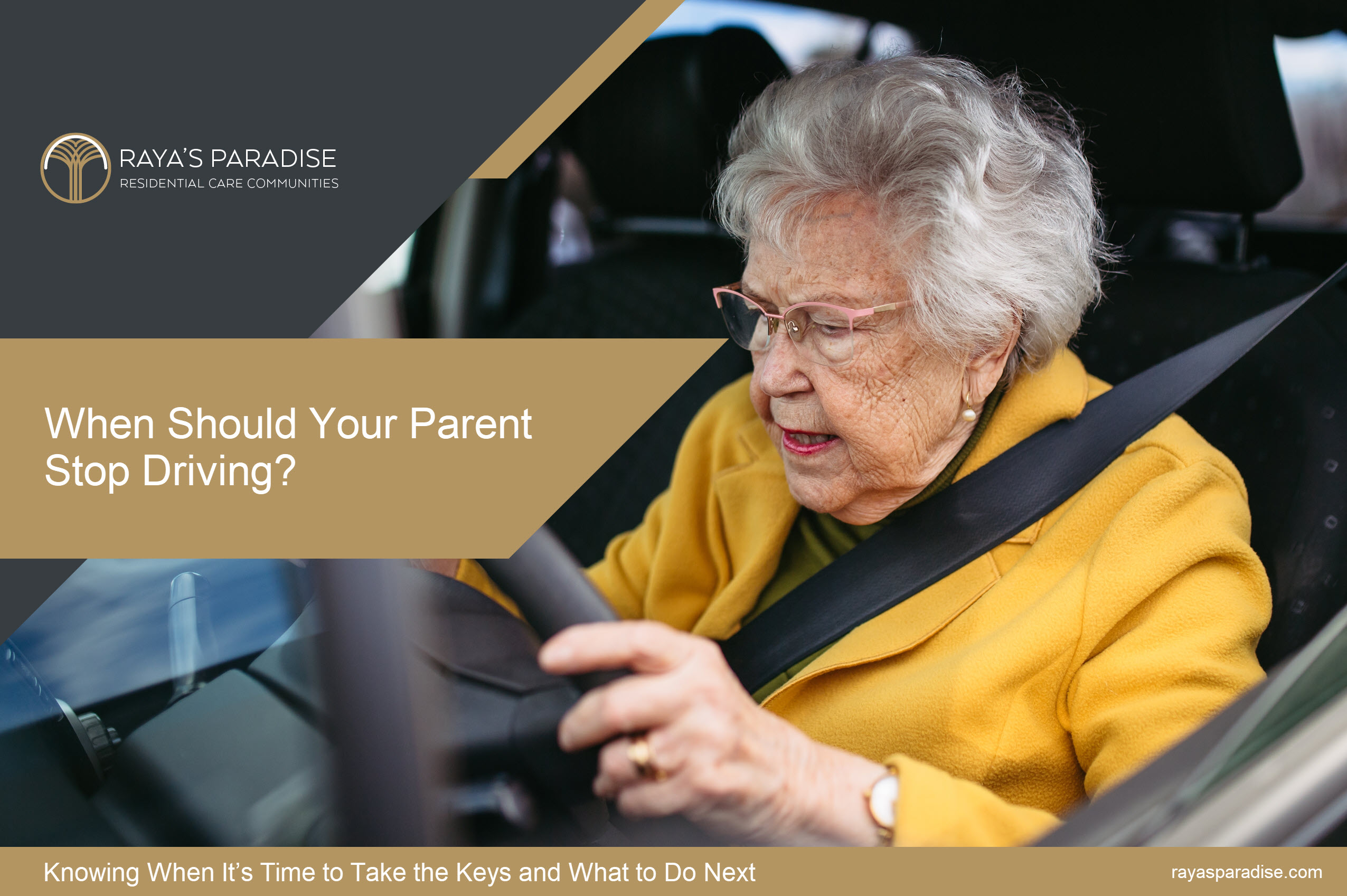
Talk calmly, gather facts, set limits, and offer safe transport alternatives right away.
I’ve helped many families face the hard question of how to stop an elderly parent from driving. I combine practical steps, gentle communication tips, legal options, and real-world examples so you can act with care and clarity. This guide explains signs of unsafe driving, step-by-step actions, alternatives to driving, and how to handle pushback without breaking family ties.

Why this matters: safety, independence, and dignity
Driving is freedom. For older adults, it also becomes a safety risk when vision, reaction time, or thinking change. Knowing how to stop an elderly parent from driving helps protect them and others on the road while preserving dignity.
Many crashes involve older drivers who have common age-related changes. Every choice has trade-offs. The goal is to reduce risk without removing autonomy abruptly. This section explains why the issue matters and what is at stake.

Common signs it's time to stop driving
Recognizing red flags helps you move from worry to action. Look for these signs:
- Small crashes or scrapes that they don’t report.
- Near-misses, getting lost on familiar routes, or repeated missed turns.
- Slower reaction time or trouble judging gaps in traffic.
- Trouble with basic car tasks, like checking mirrors or using signals.
- Medical changes: vision loss, memory lapses, dizziness, or side effects from new medications.
If you see these signs, plan how to stop driving before a serious crash happens. Trust your observations and document incidents. A clear record can help in conversations and with healthcare providers.

How to stop an elderly parent from driving: step-by-step
This practical plan balances safety and empathy. Use it as a roadmap when you need to intervene.
- Prepare first
- Gather recent examples of unsafe driving.
- Check their driver license status and local rules.
- Talk to their doctor about fitness to drive.
- Start a calm conversation
- Choose a quiet time and private place.
- Use "I" statements: say what you saw and why you are worried.
- Avoid blame; focus on safety and options.
- Offer a trial alternative
- Suggest a temporary break from driving for medical testing.
- Arrange rides with family, friends, or ride services.
- Propose one-week trials to show it can work.
- Use medical and legal pathways if needed
- Ask the doctor to assess driving ability and document findings.
- Contact your state motor vehicle office for testing and reporting options.
- As a last resort, remove keys or car access and explain why.
- Support the transition
- Set up regular rides or grocery delivery.
- Help with scheduling appointments and social activities.
- Reassure them you’ll help maintain independence in other ways.
Following these steps helps reduce conflict and keeps the focus on safety, not punishment. If immediate danger exists, remove access to the car and follow up with medical and legal steps.

Medical, legal, and administrative options
There are clear paths you can use when wondering how to stop an elderly parent from driving. Know what each path can do.
- Medical evaluations
- Doctors can assess vision, cognition, and medications. They can document concerns, recommend driving cessation, or refer to specialists.
- Driver rehabilitation specialists
– These professionals evaluate driving skills and suggest adaptive equipment or training. - Licensing and reporting
- Many states let physicians or family members report unsafe drivers. The motor vehicle agency can require re-testing or restrict licenses.
- Power of attorney and guardianship
- If needed, a legal decision maker can limit access to keys or vehicles. This is often a last resort and may require court procedures.
Use medical assessments first. They offer neutral, professional evidence and may preserve relationships. Legal actions are powerful but can be emotionally costly.

Alternatives to driving: keep life moving
Stopping driving does not mean stopping life. Offer workable options to replace independence.
- Family rides and carpooling
- Neighbors and family can volunteer for key trips like medical visits.
- Ride-hailing and shuttle services
- Rideshare apps, community shuttles, and senior transportation programs can fill gaps.
- Public transit and paratransit
- For those able to use buses or paratransit, these are cost-effective choices.
- Delivery services and telehealth
- Grocery delivery and telehealth reduce the need to travel.
- Mobility aids and adaptive devices
- If limited driving could still be safe, low-speed vehicles or adaptive controls may help.
Match alternatives to your parent’s needs. Practical, reliable options make it easier to stop driving without feeling isolated.

How to handle resistance and preserve the relationship
Stopping a parent from driving is emotional. Strong reactions are common. Use empathy and strategy.
- Expect denial and anger
- These feelings are normal. Acknowledge them and stay calm.
- Use neutral facts and documentation
- Share concrete examples and medical notes. This avoids personal attacks.
- Involve a trusted third party
- A doctor, family friend, or faith leader can help mediate.
- Offer small wins
- Suggest a short break or driving only during the day. Gradual steps feel less like loss.
- Stay consistent but compassionate
- Changing rules back and forth causes confusion. Set clear, kind boundaries.
From personal experience, I found that involving a trusted physician early reduces conflict. One family I worked with used a two-week driving pause ordered by a doctor. After the pause, the parent accepted regular rides because the family had shown reliable support.

Personal lessons, mistakes to avoid, and practical tips
I’ve helped family members through this. Here are direct lessons and things I would do differently next time.
- Start early and document incidents
- Don’t wait for a crash. Keep a simple log of concerning events.
- Communicate with respect
- Frame the change around safety and quality of life, not control.
- Avoid surprise tricks
- Hiding keys or sabotaging a car can break trust permanently.
- Use professional assessments sooner
- A neutral driving evaluation or doctor’s note makes decisions easier for everyone.
- Plan replacements before removing driving privileges
- Having steady ride options ahead of time lowers resistance and stress.
These small steps make a hard change smoother and preserve dignity.

PAA-style questions you might ask
Q: How soon should I act if I notice small crashes?
A: Act as soon as you see repeated errors or increased risk. Early steps prevent serious harm and allow time to plan alternatives.
Q: Can a doctor make my parent stop driving?
A: Doctors can recommend stopping and document their findings. Some states allow doctors to report concerns to the motor vehicle agency, which can take action.
Q: Will taking away the keys damage our relationship?
A: It can, if handled abruptly. Use calm conversations, professional input, and reliable alternatives to reduce relationship strain.
Frequently Asked Questions about How to stop an elderly parent from driving
What are the legal steps I can take to stop my parent from driving?
You can ask your state motor vehicle agency about reporting procedures. In some places, doctors or family can file a report that triggers testing or license review.
How do I approach a fearful or angry parent about stopping driving?
Start with empathy and specific examples of concern. Offer immediate alternatives and invite a doctor to evaluate driving ability.
Can a driver rehabilitation specialist help?
Yes. They evaluate skills, recommend training, and advise on adaptive equipment. Their report can also support discussions with doctors or licensing agencies.
What if my parent needs to drive for errands or medical care?
Plan rides with family, community transport, or ride services. Consider medication delivery and telehealth to reduce travel needs.
Is it okay to remove car keys without permission?
Only when immediate danger exists. Removing keys without conversation can harm trust. Try clear communication and professional support first.
How can I get my parent to accept help?
Offer trials, keep promises, and show consistent support. Involve trusted people and medical professionals to provide objective input.
Does Medicare or insurance cover driving assessments?
Coverage varies. Some Medicare plans may cover parts of an evaluation if medically necessary. Check benefits and local resources for seniors.
What if my parent refuses medical testing?
Explain the safety reasons and the possible legal consequences of refusing. If risk is high, consult their doctor and the local motor vehicle agency for guidance.
Conclusion
Stopping driving is about safety and care. Use clear steps: notice signs, gather facts, have calm talks, get medical input, and offer solid alternatives. Move steadily and kindly to preserve dignity and reduce risk.
Take action today: document concerns, schedule a medical review, and line up dependable transport. Share your experience or questions below, subscribe for more guides, or reach out to a professional for personalized help.

Michael Reynolds is a senior contributor at RetirementGazette.com, where he focuses on helping readers navigate the journey toward a secure and fulfilling retirement. With over a decade of experience in personal finance, retirement planning, and lifestyle writing, Michael combines practical strategies with easy-to-understand guidance tailored for both pre-retirees and those already enjoying their golden years.