A broken femur in an older adult is very serious and needs urgent medical care.
I’ve cared for older patients and written about bone health for years. I know how scary a fall and a femur break can feel. This article explains how serious is a broken femur in the elderly, why it matters, what to expect, and practical steps to improve outcomes. Read on for clear facts, real-life tips, and steps you can use today.

Why a broken femur in older adults is so serious — How serious is a broken femur in the elderly
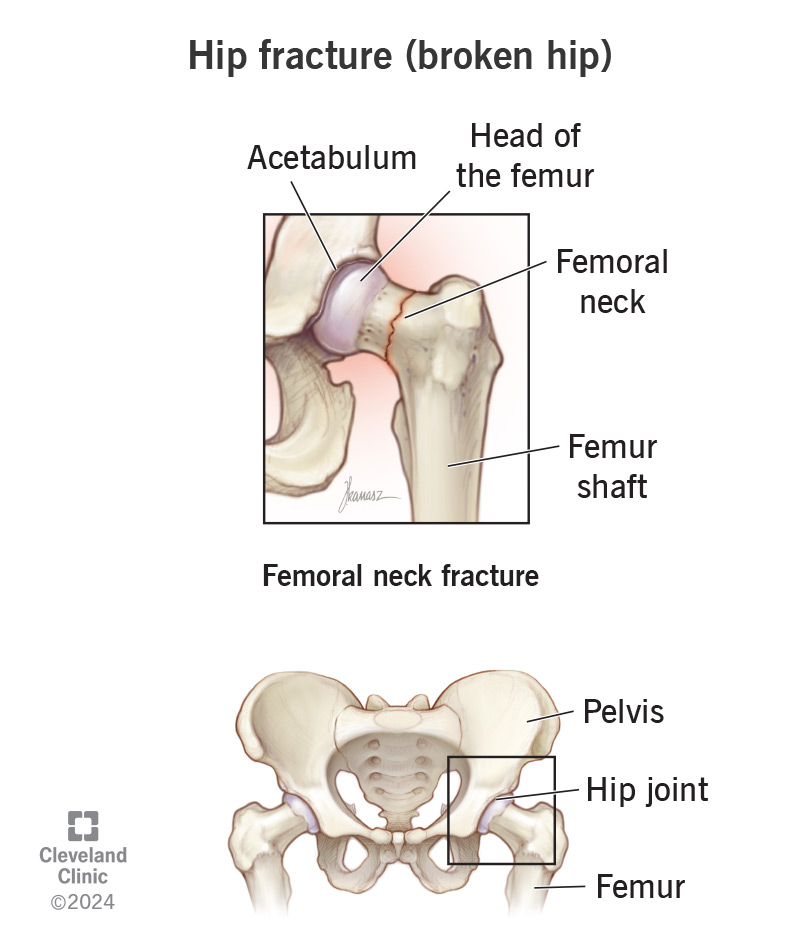
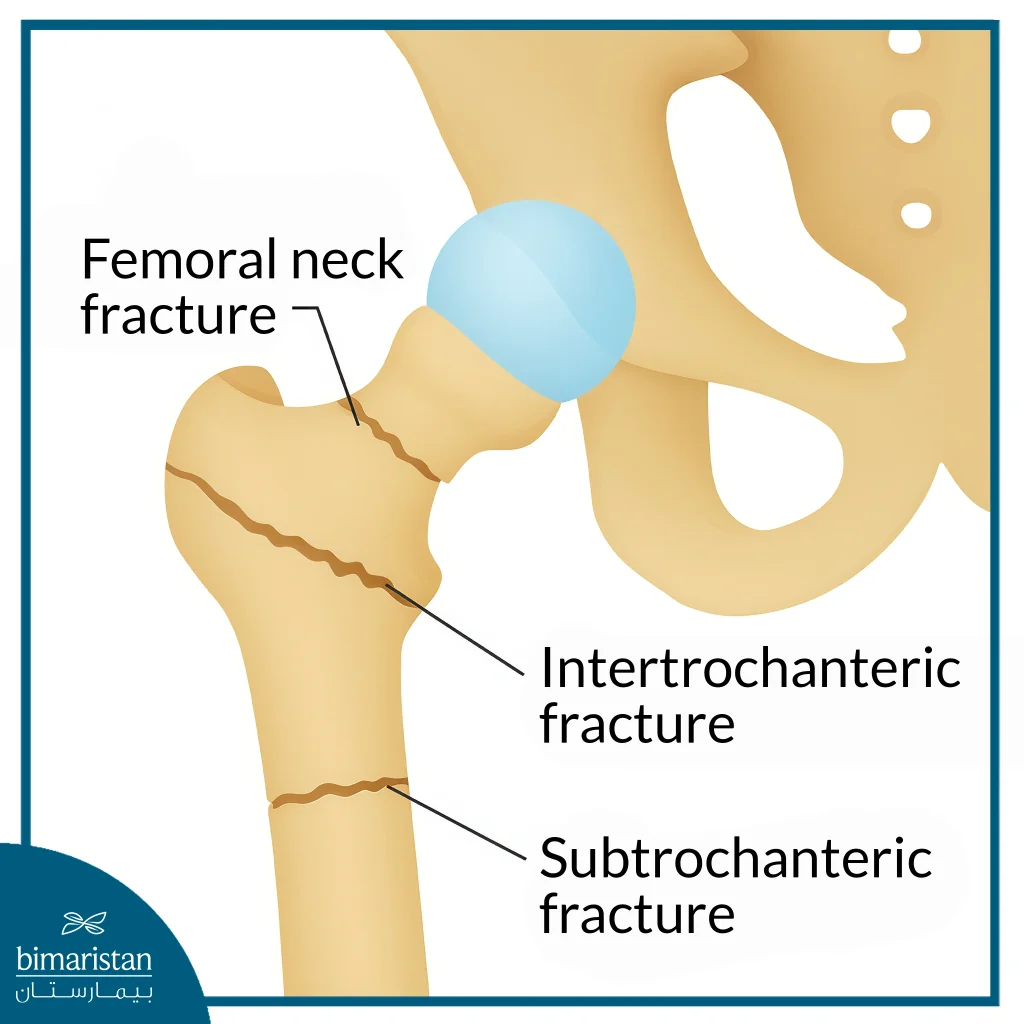
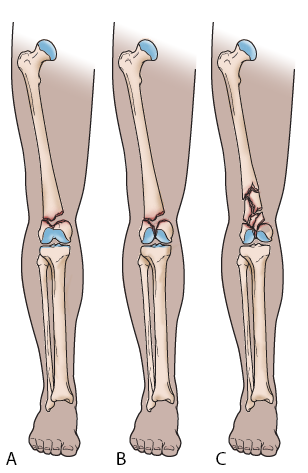
A broken femur in the elderly often signals a major health event. The femur is the largest bone in the body and key for standing and walking. When it breaks, pain is severe and mobility often stops. How serious is a broken femur in the elderly depends on health, timing of treatment, and post-op care.
Causes and risk factors that explain how serious is a broken femur in the elderly
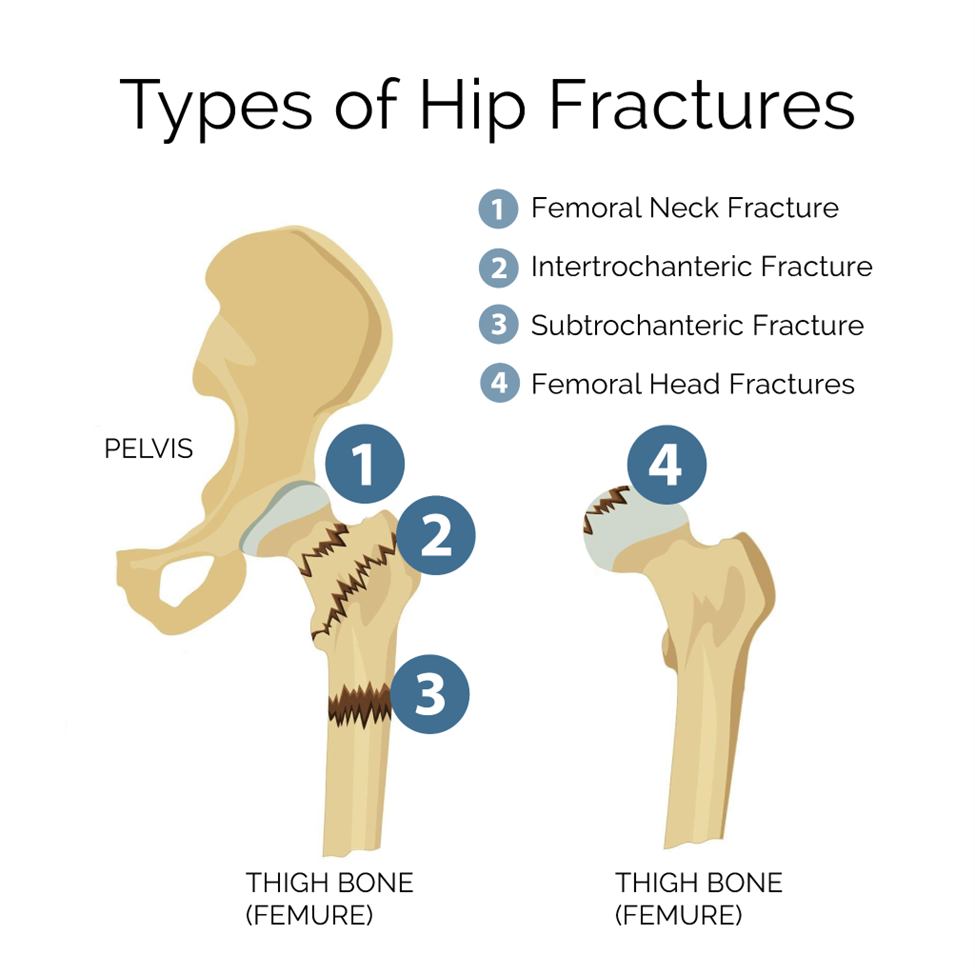
Falls are the top cause of femur fractures in older adults. Low bone density, such as osteoporosis, raises risk a lot. Chronic illness, poor vision, and meds that cause dizziness add risk. Knowing these causes helps explain how serious is a broken femur in the elderly and how to prevent it.
Immediate medical consequences and common complications of how serious is a broken femur in the elderly
A broken femur causes heavy pain and often visible deformity. Bleeding and shock can occur, especially in frail elders. Complications include blood clots, pneumonia, infections, and pressure sores from long bed rest. Each complication raises how serious is a broken femur in the elderly and can slow or block recovery.
Q: Will a broken femur always need surgery?
A: Most older adults with femur fractures need surgery to realign and stabilize the bone. Non-surgical care is rare and used only when surgery is too risky.
Q: How long until someone can walk again?
A: Many begin assisted walking within days to weeks after surgery, but full recovery often takes months. Pre-injury health and rehab make a big difference.
Q: Do older people die from a broken femur?
A: Mortality risk rises after a femur fracture, especially within the first year. Prompt care and good rehab lower that risk.
How treatment choices affect how serious is a broken femur in the elderly
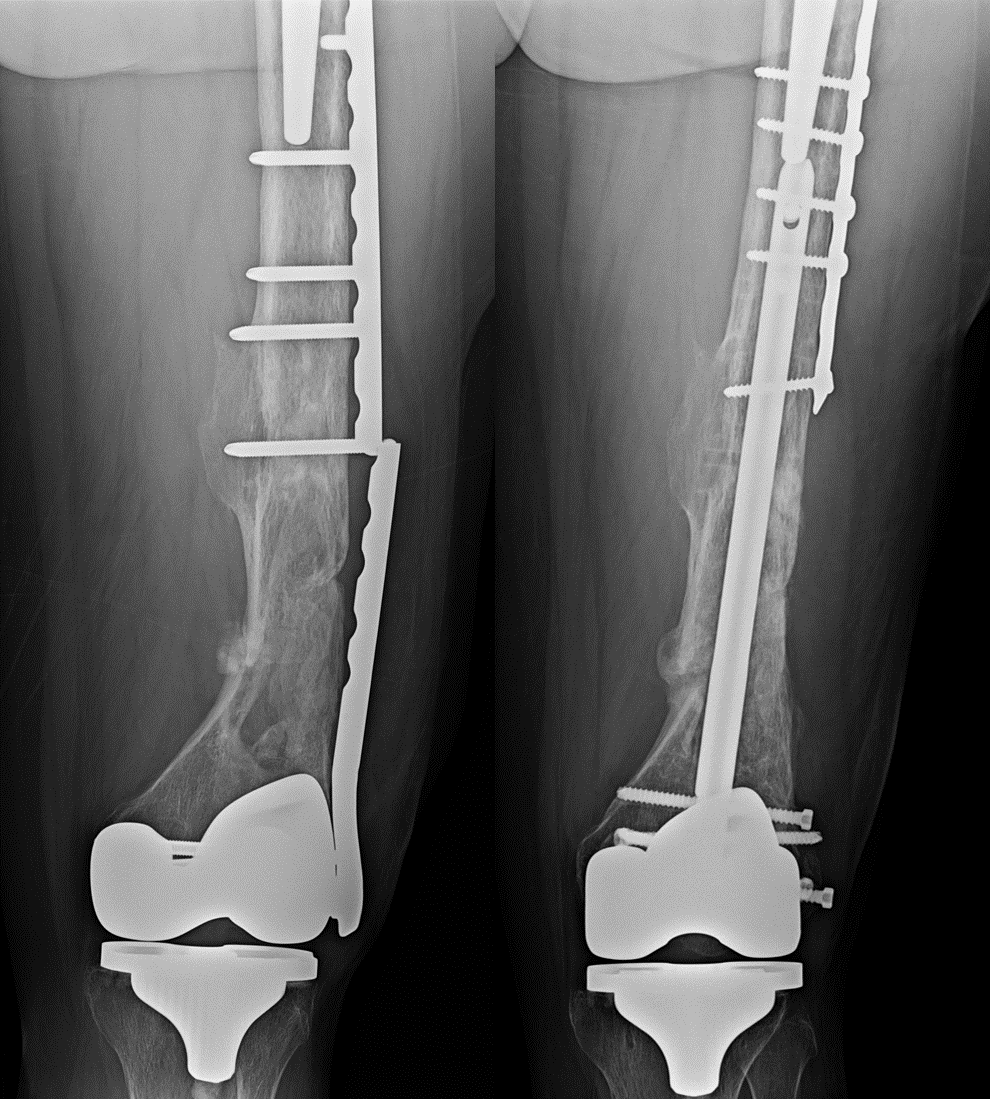
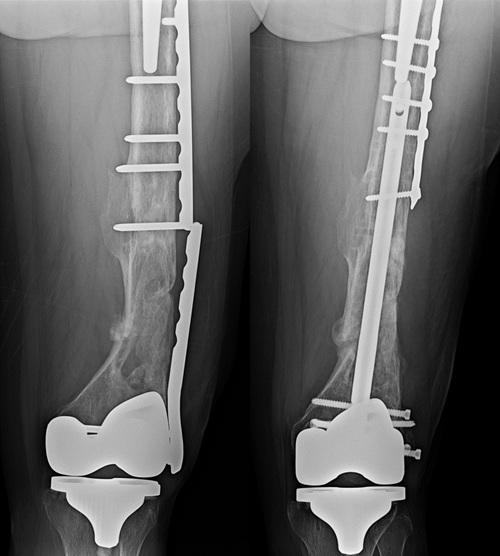
Surgery typically involves rods, plates, or hip replacements. Early surgery, ideally within 24 to 48 hours, links to better outcomes. Pain control, blood management, and infection prevention are key. Rehab and physical therapy shape long-term function and show why how serious is a broken femur in the elderly often depends on post-op care.
Rehabilitation, recovery timeline, and long-term outlook for how serious is a broken femur in the elderly
Recovery has phases. Hospital stay lasts days to weeks. Rehab can take weeks to months. Some regain most function. Others need long-term care or assistive devices. The long-term outlook tells us how serious is a broken femur in the elderly: it can be life-changing, but recovery is possible with good care.
Prevention and home strategies to reduce how serious is a broken femur in the elderly
Focus on bone health and fall prevention. Simple steps help a lot:
- Get bone density testing and follow treatment plans.
- Review medications that cause dizziness with a doctor.
- Remove trip risks at home and add grab rails and good lighting.
- Use strength and balance exercises, like chair stands and short walks.
These steps cut the chance of a femur break and lower how serious is a broken femur in the elderly if a fall happens.
Personal experience and lessons learned about how serious is a broken femur in the elderly
I once worked with a woman who fell and broke her femur. She was small but sharp. Surgery went well. She had poor support at home and lost ground fast. We learned two things: early rehab and social support matter most. Never underestimate how social isolation can make recovery harder. My tip: plan discharge early and line up help right away. This changes outcomes and reduces how serious is a broken femur in the elderly.

Frequently Asked Questions of How serious is a broken femur in the elderly
How common is a femur fracture in older adults?
Femur fractures are common after falls in older adults, especially those with osteoporosis. Incidence rises with age and with prior fractures.
What are the short-term risks after a femur break?
Short-term risks include heavy pain, bleeding, blood clots, and pneumonia from immobility. Quick medical care cuts these risks.
Does surgery always improve survival and function?
Surgery generally improves mobility and lowers some risks, but benefits depend on overall health and timing. Early surgery usually helps more.
How long is the typical hospital stay?
Hospital stays often last several days to two weeks, depending on complications and rehab needs. Discharge goals focus on safe mobility and care plans.
Can physical therapy restore pre-injury independence?
Physical therapy helps most people regain strength and mobility. Some reach pre-injury independence, while others need long-term aids or support.
What are simple home changes that help prevent fractures?
Improve lighting, remove rugs, install grab bars, and use non-slip shoes. These changes lower fall risk and the chance of a femur fracture.
Conclusion
A broken femur in an older person is a serious event. It affects survival, mobility, and quality of life. Early medical care, timely surgery, and strong rehab improve outcomes. Prevention through bone health, home safety, and exercise is powerful. Take action now: check bone health, make the home safer, and plan support if a fall happens. Share this article, ask questions, or subscribe to learn more about keeping older loved ones safe.

Michael Reynolds is a senior contributor at RetirementGazette.com, where he focuses on helping readers navigate the journey toward a secure and fulfilling retirement. With over a decade of experience in personal finance, retirement planning, and lifestyle writing, Michael combines practical strategies with easy-to-understand guidance tailored for both pre-retirees and those already enjoying their golden years.