Set the time using the clock’s buttons, app, or a battery reset with model-specific steps.
I work with family caregivers and have tested many dementia clocks. I know how confusing time changes can be for someone with memory loss. In this guide I explain, step by step, how do you change the time on a dementia clock. I include model-specific instructions, safety tips, and troubleshooting. My aim is simple: help you keep time accurate and daily routines calm.
Why changing time matters for people with dementia
Accurate time reduces anxiety and confusion. When a clock shows the wrong time, it can cause missed meals, sleep problems, and agitation. Caregivers often ask how do you change the time on a dementia clock so routines stay predictable. Fixing the clock is a small step that brings real comfort and safety.

Source: sunwaysseniorliving
Overview: Types of dementia clocks and how time is set
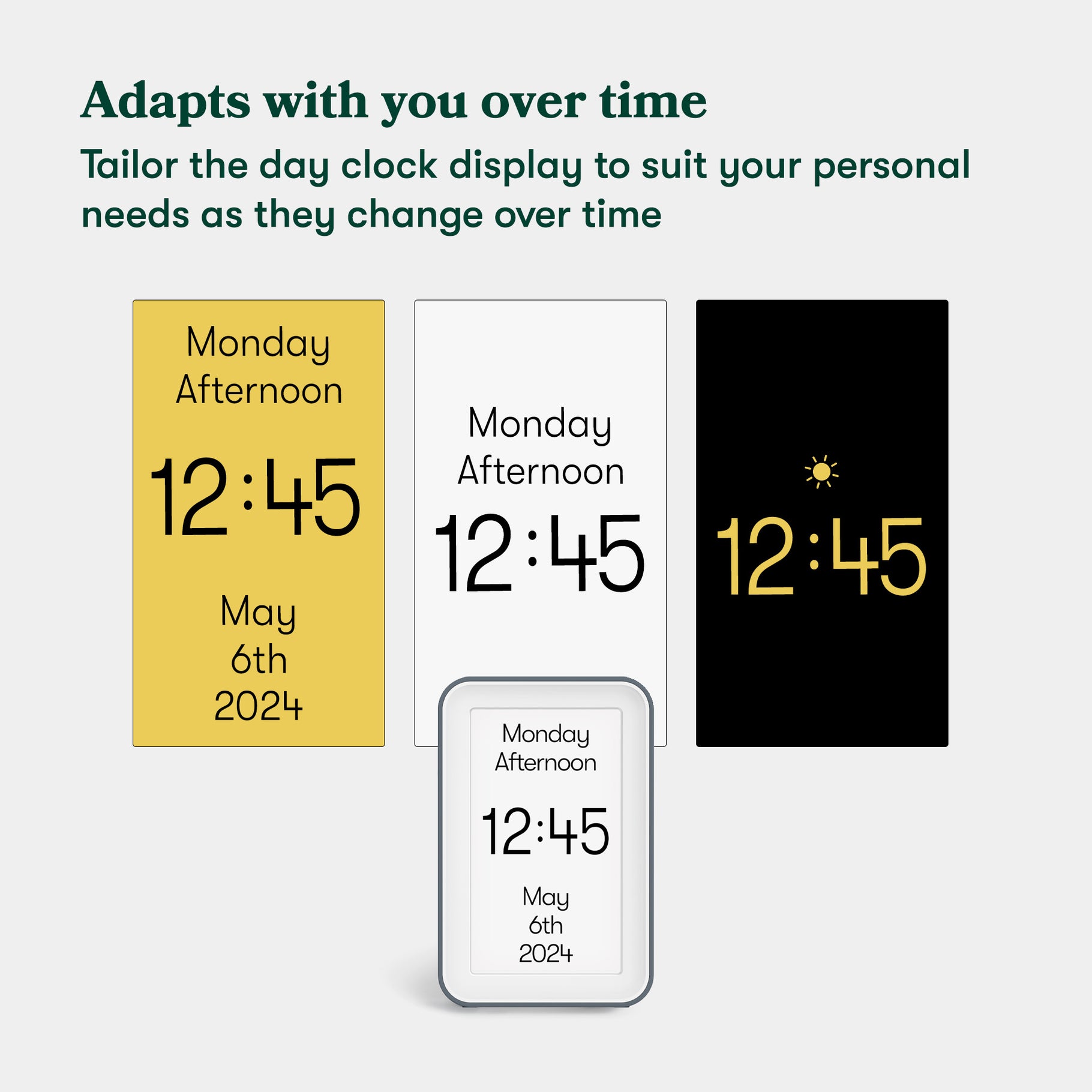
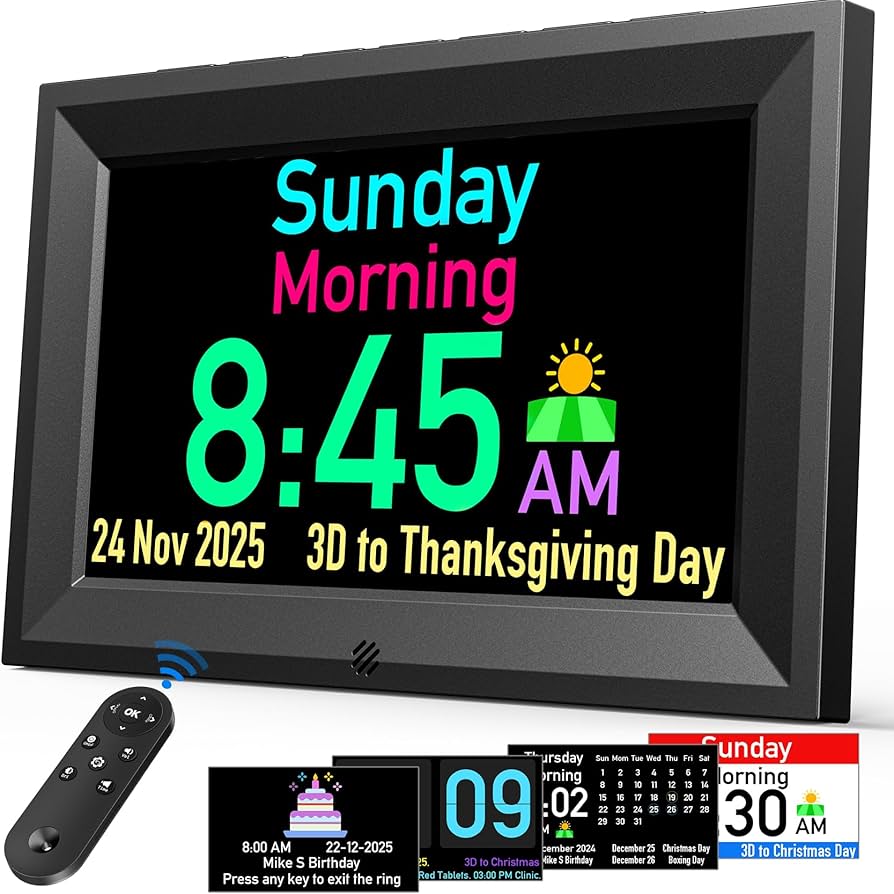
Dementia clocks vary from simple day displays to Wi‑Fi smart clocks. Each type sets time in a different way. Know your model before you start. Below I list common types and how their time is usually set.
- Digital day clocks
- Time is set with buttons on the back or side. Some have a small menu for day and date.
- Plug-in LED clocks
- Use buttons on the unit. They need power, so unplugging can reset some models.
- Battery-powered clocks
- Time may reset when you change batteries. Some models use a small dial or tiny buttons.
- Radio-controlled (atomic) clocks
- These sync to an atomic signal. Manual changes are rare but possible on some models.
- App-connected smart clocks
- Time is controlled via a phone app or cloud service. Change the time in the app, not on the clock itself.
Knowing your model makes the question how do you change the time on a dementia clock much easier to answer. Below I add quick checks and a simple checklist you can use before you touch the clock.
Quick checklist before you start
- Find the model number (usually on the back or under the battery cover).
- Note whether it plugs in, uses batteries, or connects to Wi‑Fi.
- Keep fresh batteries nearby, and a small flashlight or magnifier for tiny buttons.
- Have your phone handy if the clock uses an app.
Source: relish-life
Step-by-step: How do you change the time on a dementia clock
Follow these clear, calm steps. Keep the person nearby informed. Speak slowly and simply. I walk through what I do when I change a clock in someone’s home.
- Identify the model
- Look at the back for buttons and labels. Note words like “set,” “mode,” or icons for apps or Wi‑Fi.
- Read quick labels
- Many clocks have tiny marks near buttons. They usually show which buttons change hours and minutes.
- Use the set or mode button
- Press once to enter time set. Use up/down or +/– to change numbers. On some models you press and hold to enter the menu.
- Save the change
- Press set again or wait; many clocks auto‑save after a few seconds.
- For battery clocks
- If the clock freezes, remove and reinsert the battery. Then set the time again. Use fresh, high‑quality batteries.
- For plug‑in clocks
- Unplug for 10 seconds only if the clock is unresponsive. Plug back in and set time. Avoid unplugging during active alarms or reminders.
- For app‑controlled clocks
- Open the app. Go to settings, then time or device setup. Adjust the time and sync. Make sure your phone and clock are on the same Wi‑Fi network.
- For radio‑controlled clocks
- Turn off the radio‑sync option if you need a manual override. Then set time per the button steps. Remember to turn auto‑sync back on if you want the atomic signal later.
- Daylight saving time
- Check if your clock updates automatically. If it does not, repeat the steps above to manually update hours and AM/PM.
Model-specific tips (common brands and features)
Some clocks share common features. Here are a few useful notes I collected while testing different brands.
- Day and date clocks (large text): Look for a dedicated “date/day” button. If not present, the menu will let you set day and date separately.
- LED plug‑in clocks: Hold the set button for 3 seconds to enter programming mode. Use arrows to move quickly.
- Battery day clocks: Check for a tiny backup battery or capacitor. If present, it keeps time through battery swaps.
- Smart clocks: If the app shows a different timezone, change the timezone setting rather than the clock time.
Practice once or twice. If you teach a family member, show them each step. Tape a short cheat sheet to the back of the clock. These small steps reduce confusion.
Tips to keep the clock accurate and avoid confusion
Small habits prevent big problems. After you set the time, use these practical tips to keep things stable.
- Keep a simple note beside the clock with the last time you adjusted it. This lets other caregivers know what changed and when.
- Use non‑removable labels to mark the correct buttons. A small sticker reduces accidental changes.
- Lock the settings when possible. Many clocks have a child/senior lock or a hardware switch to prevent changes.
- Match the clock time with watches and phone time to avoid mixed signals. Consistency matters.
- Replace batteries on a schedule. I mark battery swap dates on a calendar. This stops unexpected resets.
- For people with severe confusion, choose a clock that shows the day and a plain, large time display. This reduces cognitive load.
- Create a short script to explain the change to the person, for example: “I’m fixing the clock so your lunch is at the right time.”
These measures reduce the need to repeat how do you change the time on a dementia clock and protect routines.
Source: dolancare.com
Troubleshooting common problems when you change the time
Problems happen. Below are quick fixes I use most often. They solve most issues quickly.
- Clock won’t enter set mode
- Try holding the set or mode button for 3 to 5 seconds. If that fails, remove power for 10 seconds and try again.
- Time resets after a battery change
- Use fresh, high‑quality batteries. Check for a small backup battery or built‑in capacitor and replace if possible.
- App won’t sync
- Restart the phone and the clock. Check Wi‑Fi, Bluetooth, and app permissions. Make sure the clock firmware and app are up to date.
- Radio‑controlled clock keeps changing
- Turn off auto‑sync if the atomic signal matches a different timezone. Then set the correct timezone and time manually.
- Buttons are hard to press
- Clean gently with a dry cloth. For tiny buttons use a blunt tool like a pen tip. Avoid liquids near electronics.
If these steps fail, contact the maker for model‑specific help. Keep the model number and purchase info handy to speed up support.
Source: amazon
My experience: lessons learned changing dementia clock time
I’ve adjusted many clocks for older adults. Early on, I changed a plug‑in day clock and accidentally flipped AM/PM. That caused a day of poor sleep and confusion. Since then I always double‑check AM/PM and the day display. I tape short instructions to the back of each clock. I also test changes at a quiet time to watch how the person reacts. These small habits save stress and keep routines steady.
Communication tips I use
- Tell the person what I’m doing in one sentence: “I’m fixing the clock so your dinner stays at the right time.”
- Do changes when they are calm and not expecting a meal or activity.
- Show the new time and point to the day or AM/PM to reassure them.
When to contact manufacturer or caregiver support
Call for help if the clock is damaged, the settings are locked, or you see strange behavior. Contact support when:
- The device won’t power on after new batteries.
- The app shows persistent errors and won’t reconnect.
- Settings appear in a foreign language or the display is garbled.
- You suspect a hardware fault like a broken display or internal damage.
Keep purchase information and the model number. This makes technical support faster and more effective. If you use a dementia support group or an occupational therapist, share the model details. They can often offer practical tips based on the exact clock you own.
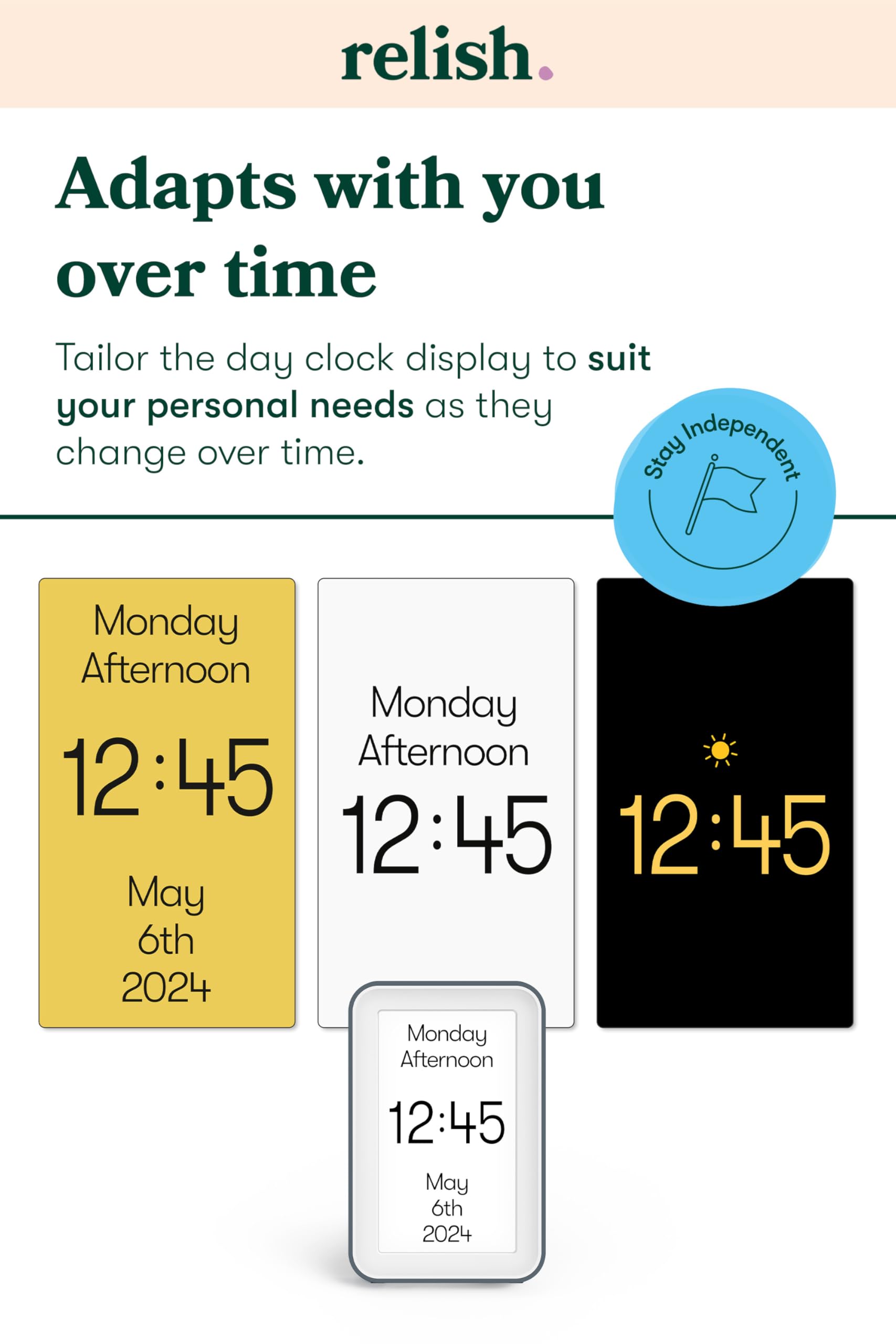
Source: amazon
Frequently Asked Questions of how do you change the time on a dementia clock
How often should I check the clock time?
Check weekly and after any power outage or battery change. Regular checks help prevent routine disruptions.
Can a dementia clock update automatically for daylight saving?
Some clocks update automatically. If yours does not, follow the steps above to set the time manually. For radio clocks, confirm the timezone setting.
Is it safe to change the time when the person is nearby?
Yes. Do it calmly and explain what you are doing in one sentence. Change the time during a quiet moment to avoid distress.
What if the clock keeps resetting after I set it?
This often means weak batteries or a faulty backup. Replace batteries with fresh ones and test again. If it still resets, contact the maker and check for firmware updates if it’s a smart clock.
Can I lock the time settings to prevent accidental changes?
Many models offer a lock or child/senior‑proof mode. Check the manual or app for a settings lock option. If there is no built‑in lock, a small piece of tape over the buttons can help temporarily.
Will changing the clock time affect reminders and alarms?
Yes. Alarms and reminders use the clock time. After changing time, check scheduled alarms and reminders to keep routines intact.
Conclusion
Fixing a dementia clock is a small task that brings big comfort. Use model‑specific steps, keep fresh batteries, and add a simple note to avoid repeat work. When you know how do you change the time on a dementia clock, you protect routines and reduce stress for both the person and the caregiver.
Try the steps today. Share what worked for you in the comments or contact the device maker for model‑specific help if needed.

Michael Reynolds is a senior contributor at RetirementGazette.com, where he focuses on helping readers navigate the journey toward a secure and fulfilling retirement. With over a decade of experience in personal finance, retirement planning, and lifestyle writing, Michael combines practical strategies with easy-to-understand guidance tailored for both pre-retirees and those already enjoying their golden years.