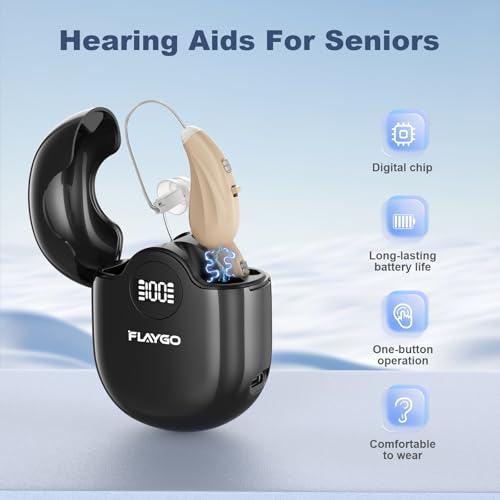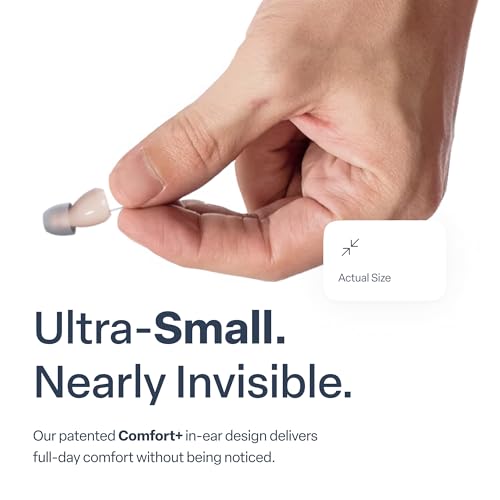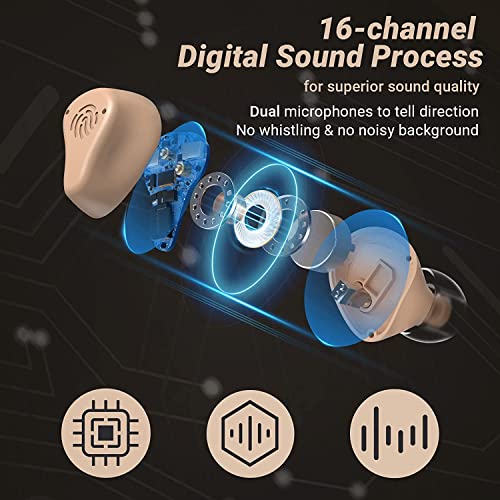
Retirement is a time to enjoy free days, new hobbies, family time, and calm moments. But hearing loss can quietly make those pleasures harder. Many seniors feel left out during conversations, avoid noisy places, or miss sounds at home. The good news is that a hearing aid for seniors can change daily life. It helps people hear better, feel safer, and take part more fully in family and community life.

Why hearing loss is common in older adults
Hearing loss is very common as people age. Doctors call the most common type presbycusis. This is hearing loss that happens slowly over time. Tiny hair cells in the inner ear wear down. This makes it hard to hear high voices and soft sounds.
Other causes include years of loud noise, certain medicines, and health problems like diabetes or heart disease. Even injuries and earwax build-up can make hearing worse. Many people do not notice the change right away. They may think others mumble or that TV is too soft, rather than realizing they need help.
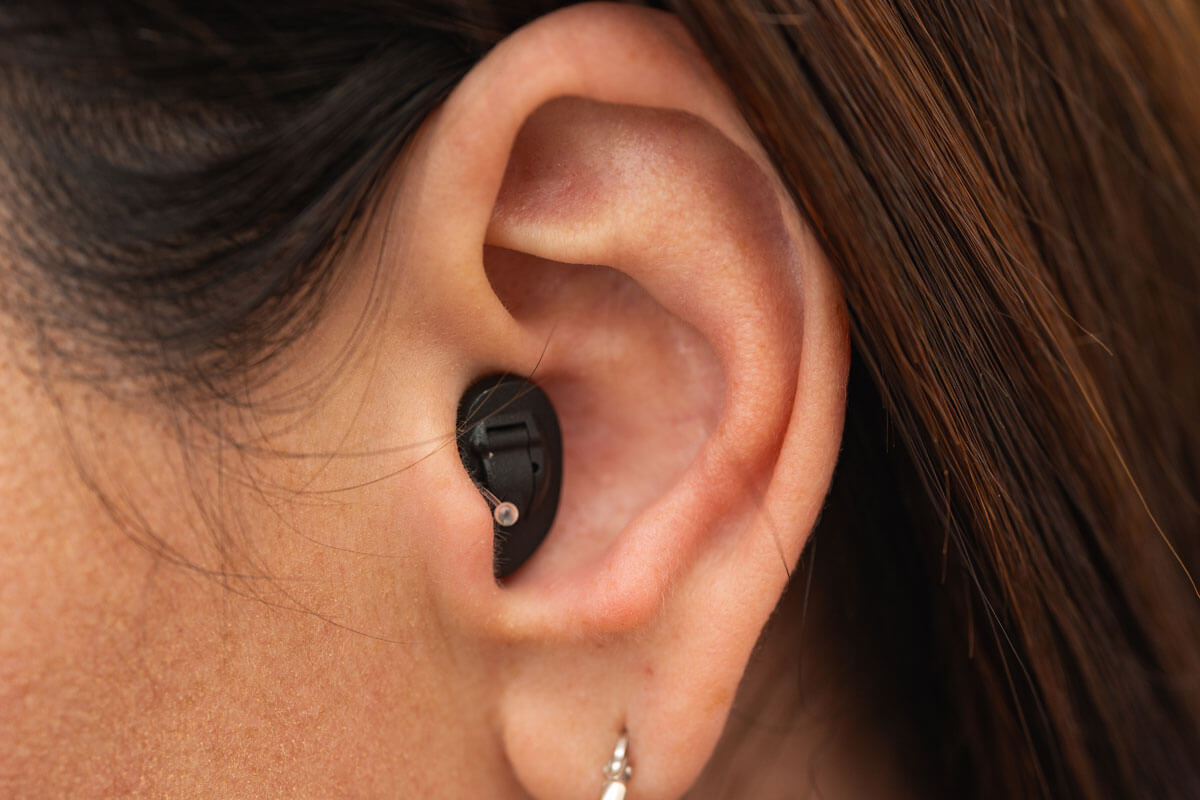
Benefits of using a hearing aid in retirement
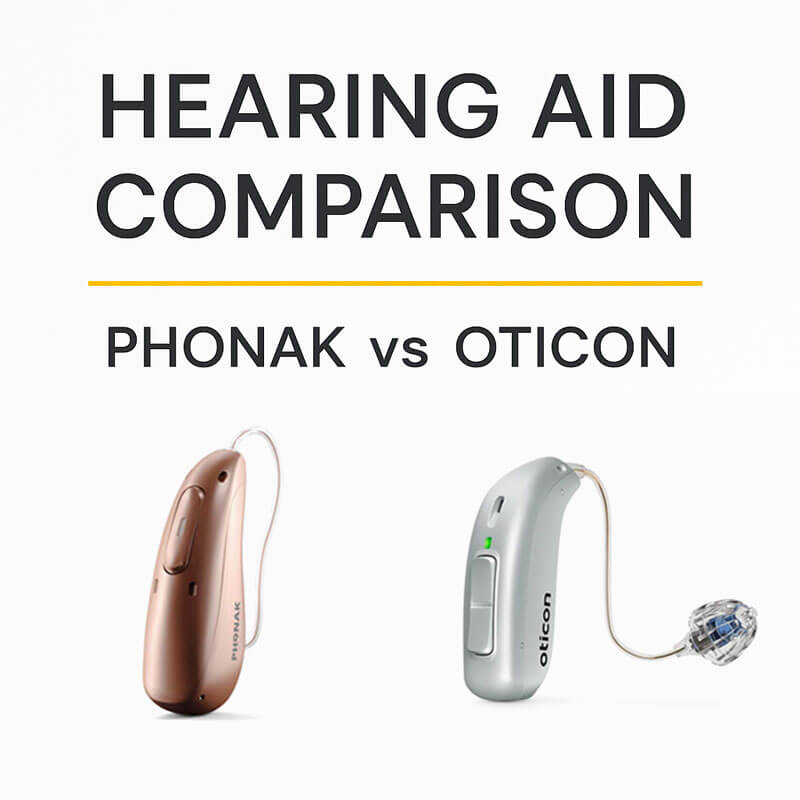
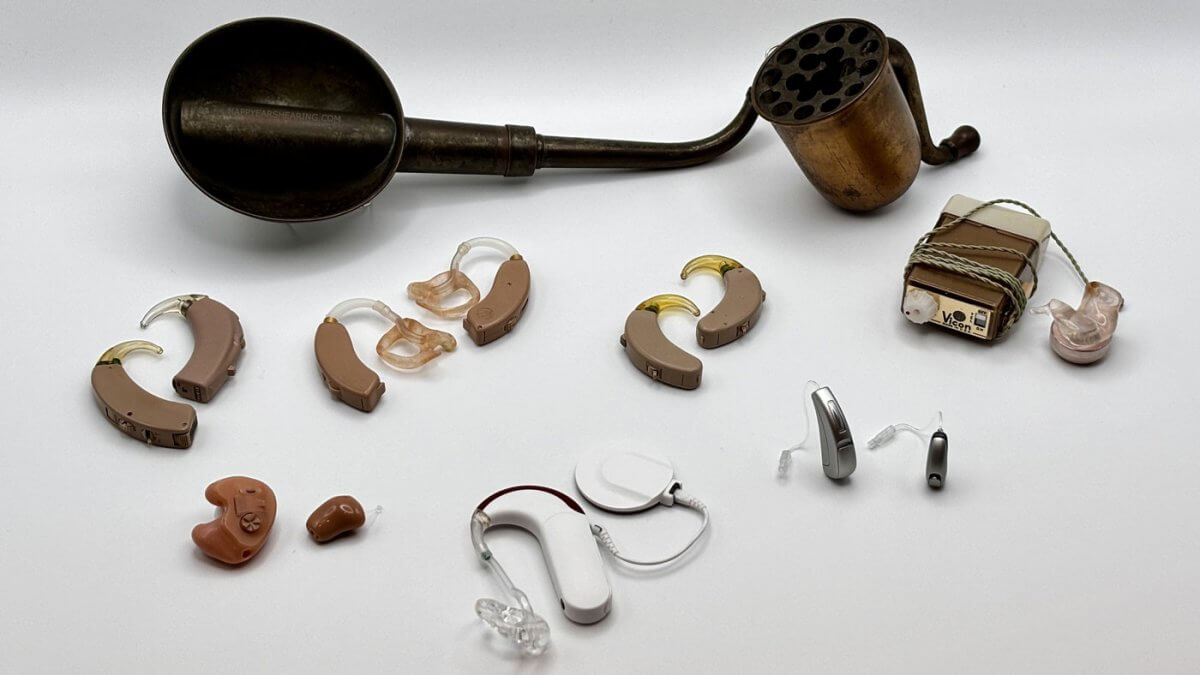
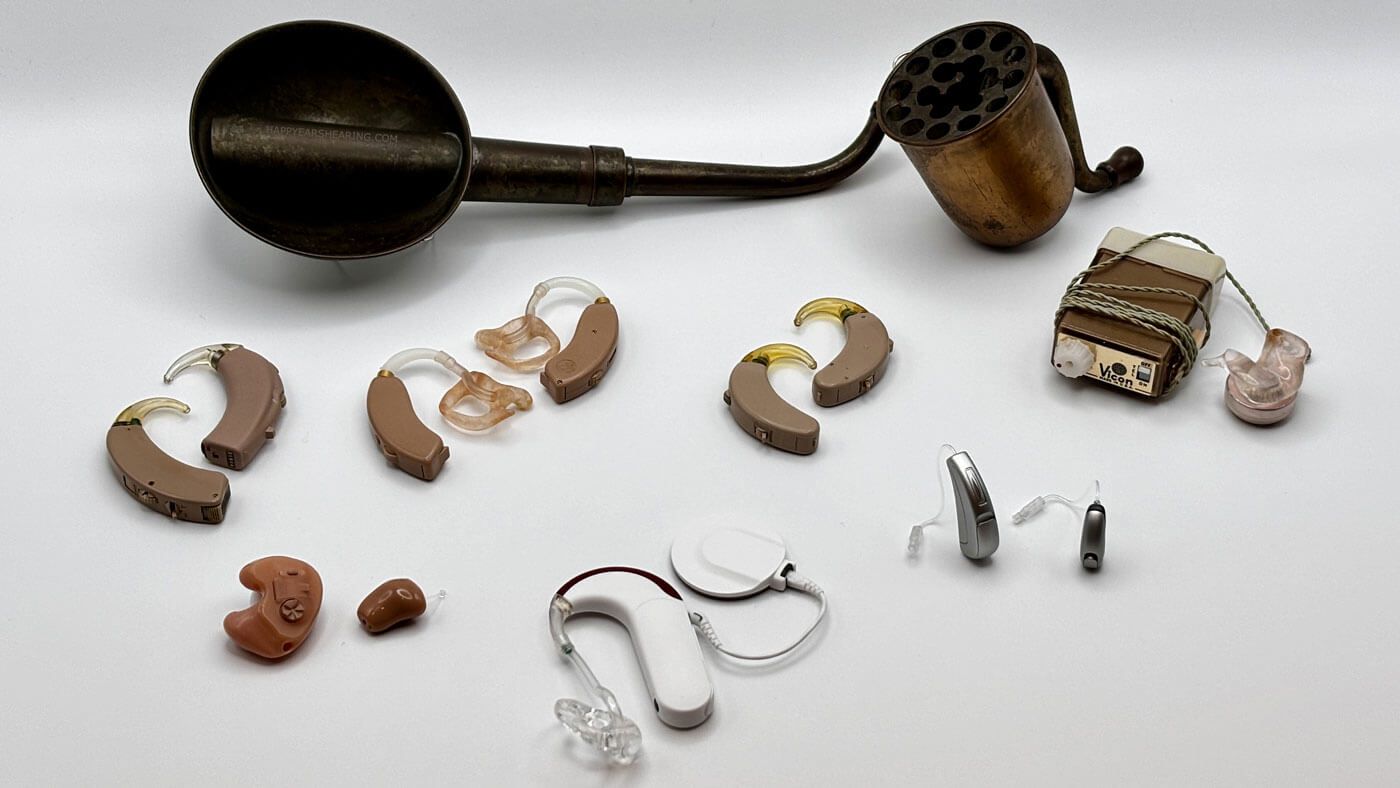
Using a hearing aid for elderly people can bring many clear benefits. These devices are small but powerful. They improve sound, speech clarity, and daily comfort.
Better communication
Hearing aids make conversations easier. You hear friends, family, and caregivers more clearly. This reduces the need to ask people to repeat themselves. Clear speech helps you join group talks and enjoy company more.

Better mental health and brain health
Treating hearing loss can lower feelings of loneliness and depression. Studies show that using a hearing aid may reduce the risk of faster memory loss. Sound helps the brain stay active. A hearing aid for seniors keeps the mind engaged.
Greater independence and safety
When you hear alarms, doorbells, or phone calls, you feel more secure. Hearing aids help you manage daily tasks and stay independent longer. You can handle appointments, medication reminders, and small repairs with confidence.

Better social life
Hearing makes social events fun again. You can attend church, clubs, or family dinners without strain. Being present and included brings joy and richer relationships.
Daily comfort and less fatigue
Listening in noisy places takes effort. A hearing aid reduces listening fatigue. You use less energy to understand people. This means more energy for the things you love.
How to choose the right hearing aid for seniors
Picking the best hearing aid for seniors is about comfort, ease, and clear sound. There is no single “best” device for everyone. The right one fits your budget, lifestyle, and hearing needs.
Start with a hearing test
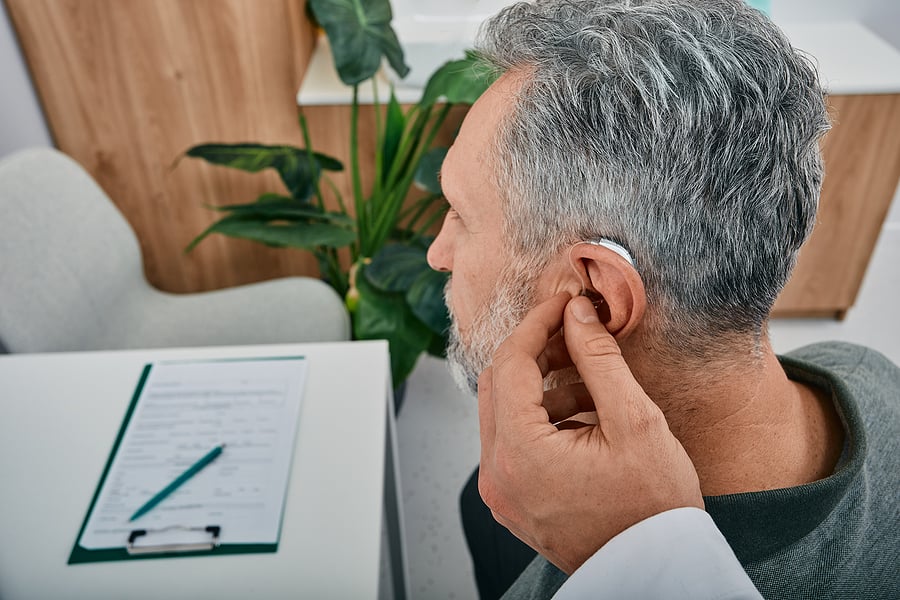
A licensed audiologist or hearing specialist should test your hearing. The test maps what frequencies you can and cannot hear. This helps match a hearing aid to your hearing profile.
Easy to use controls
Look for models with simple controls. Big buttons, clear icons, and an easy on/off switch help users who have limited dexterity or vision. Some devices offer remote controls or apps with large fonts.
Rechargeable batteries
Many seniors prefer rechargeable hearing aids. They avoid changing tiny batteries each day. Rechargeable models are easy: put them in their charger at night. This is convenient and eco-friendly.

Comfort and fit
A hearing aid must feel comfortable all day. Ask about different sizes and soft tips. An open-fit design can feel natural and reduce plugged-up sensations. A good fit also cuts down on feedback and whistling.
Sound quality and noise handling
Choose a device with clear sound and good background-noise reduction. Directional microphones help focus on the person in front of you. Some models auto-adjust settings for restaurants, music, and quiet rooms.
Additional features to consider
- Bluetooth for phone calls and TV streaming.
- Telecoil for use with hearing loops in public places.
- Remote tuning so your provider can adjust settings without an office visit.
- Waterproof or sweat-resistant options for active users.
Budget and warranty
Hearing aids range from budget models to premium designs. Check for trial periods, warranties, and service plans. Many providers offer financing or insurance help. Ask about follow-up care and adjustments.
Common mistakes seniors make when buying hearing aids
Buying a hearing aid is a big step. Some common errors can be avoided with a little care.
- Buying online without a hearing test. A device that fits your hearing loss is vital.
- Choosing the cheapest option only. Low-cost models can lack sound quality and support.
- Not trying devices in real life. Test them in noisy places and at home.
- Skipping follow-up visits. Hearing aids often need fine-tuning after weeks of use.
- Ignoring comfort. If a device hurts, it won’t be worn. Ask for different sizes or styles.
- Expecting instant perfection. It takes time for your brain and ears to adjust. Stick with a fitting plan.
Maintenance and care tips
Caring for a hearing aid keeps it working well. Simple habits make a big difference.
- Clean daily with a soft, dry cloth. Avoid water and cleaners.
- Keep devices in a dry, cool place when not in use. Use a drying box or dehumidifier if needed.
- Change or recharge batteries as directed. Carry spare batteries on outings.
- Check and remove earwax buildup from tips or filters. Your provider can teach you how.
- Schedule regular checkups with your audiologist. They can clean, fix, and update software.
- Store devices away from pets and curious hands. Pets may chew cords or cases.
Real-life impact: Maria’s story
Maria retired at 68. She loved choir practice and Sunday lunches with her grandchildren. Over time, she stopped joining group sings and sat at the edge of family meals. She felt tired and lonely but blamed noisy rooms and soft voices.
After a friendly chat with her daughter, Maria took a hearing test. She tried a pair of small, rechargeable hearing aids for seniors. At first, the sounds felt strange. Her audiologist adjusted the settings over two visits.
Soon Maria heard the piano and the split syllables in songs. She laughed more at family jokes and joined the choir again. Her energy returned. She said the hearing aid gave her back small joys—like the rustle of pages and the whisper of a granddaughter’s secret.
Frequently asked questions
What is the best hearing aid for seniors?
There is no single best hearing aid for all seniors. The best hearing aid for seniors fits your hearing loss, comfort needs, and budget. Talk to an audiologist to find a model that suits your lifestyle.
How long does it take to get used to a hearing aid?
Most people adjust in a few weeks. You may need several fitting sessions. Start by wearing the device for short periods and slowly increase time each day.
Can hearing aids help with balance or tinnitus?
Hearing aids can help with tinnitus for some people by making background sounds easier to hear. They do not directly fix balance problems, but better hearing can improve awareness and safety.
Are hearing aids covered by insurance?
Coverage varies. Medicare usually does not cover hearing aids, but some Medicare Advantage plans or supplemental insurance may help. Veterans and other programs may offer benefits. Check with your provider.
Conclusion and call-to-action
Hearing loss does not have to shape your retirement. A well-chosen hearing aid for seniors can improve your talk with loved ones, lift your mood, and restore independence. Small changes, like a hearing test and a comfortable device, lead to big daily gains.
If you or a loved one notices signs of retirement hearing loss, take the first step today. Book a hearing test, talk to a local audiologist, or ask family to join you at an appointment. Rediscover conversations, music, and life’s small sounds—because retired life should be full and joyful. Take action now and make hearing health part of your retirement plan.

Michael Reynolds is a senior contributor at RetirementGazette.com, where he focuses on helping readers navigate the journey toward a secure and fulfilling retirement. With over a decade of experience in personal finance, retirement planning, and lifestyle writing, Michael combines practical strategies with easy-to-understand guidance tailored for both pre-retirees and those already enjoying their golden years.