
Start by planning purpose, routines, social ties, and small steps to build emotional resilience.
I have helped many people and studied retirement transitions, so I know how to emotionally prepare for retirement in clear, practical steps. This guide lays out what to expect, why feelings shift, and how to build routines, meaning, and social ties so retirement feels like a fresh start rather than a loss. Read on for step-by-step actions, personal stories, and checklists you can use right away to move from worry to confidence.

Why emotional preparation matters
Retirement is more than money. How you feel can shape your health, relationships, and daily joy. Learning how to emotionally prepare for retirement helps you avoid isolation, boredom, and identity loss.
Good emotional preparation reduces stress. Studies show that people who plan psychologically adapt faster and enjoy better mental health. Planning emotions is as important as planning finances.
Practical emotional work improves sleep, mood, and social life. If you know how to emotionally prepare for retirement, you will likely feel more in control and excited about the next chapter.

Common emotions during the transition
You may feel relief and fear at once. Joy about free time can sit next to worry about purpose and money. Anger, grief, and relief are all normal.
Many people mourn lost work roles and routines. Loss of status or daily structure can cause sadness. Recognize these feelings as part of change, not failure.
Expect swings at first. The first year often has more emotional ups and downs. Knowing how to emotionally prepare for retirement makes those swings easier to manage.

Step-by-step plan: how to emotionally prepare for retirement
Follow a simple plan. Use small, steady steps to adjust your mind and habits.
- Clarify values and purpose
- Write down what matters to you.
- Ask what would make your days meaningful.
- Try one interest for a month to test it.
- Build a daily routine
- Set wake and sleep times.
- Include activity, social time, and learning.
- Start with short habits, then expand.
- Cultivate social ties
- Reach out to friends and family.
- Join a group or class that suits your interests.
- Volunteer or mentor to meet people and share skills.
- Set small goals and celebrate wins
- Make weekly and monthly goals.
- Track progress in a simple journal.
- Reward yourself for steps forward.
- Practice emotional skills
- Use simple breathing or mindfulness for stress.
- Name emotions instead of judging them.
- Try cognitive reframing: replace “I lost my job” with “I freed time to explore.”
Each step teaches how to emotionally prepare for retirement in concrete ways. Pick one step and do it this week. Small wins add up fast.

Rebuilding identity and finding purpose
Work often shapes identity. Retirement asks you to build a new identity. This takes time, patience, and experiments.
Try new roles slowly. Test hobbies, part-time work, or mentoring. Many retirees find a mix of activities that create a new sense of self.
Use story work to reframe your life. Tell a short story about what you want this decade to be. This mental image helps guide choices and keeps you focused on how to emotionally prepare for retirement.
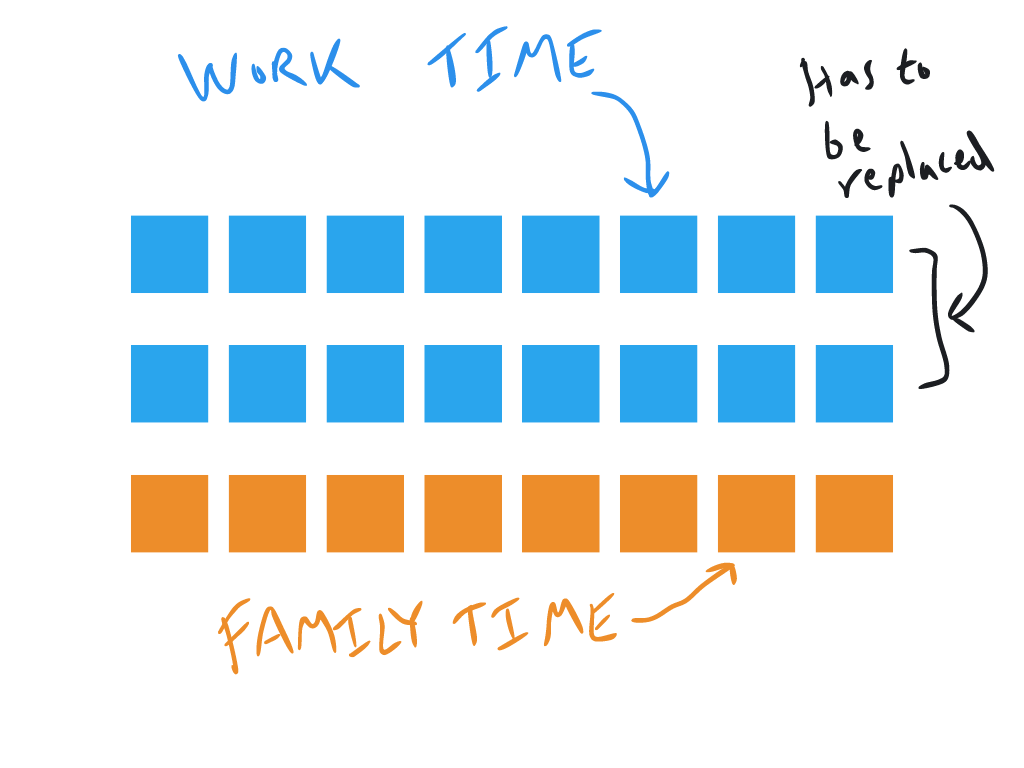
Balancing finances and emotions
Money and emotion are linked. Financial security eases anxiety, but money alone does not create meaning. Plan both.
Get clear on your financial picture. Knowing your budget lowers stress. Simultaneously, plan activities that feed your heart and mind.
When you learn how to emotionally prepare for retirement, your financial choices align better with life goals. That reduces regrets and supports a calm mindset.

Social connections and relationships
Strong ties boost mood and health. Loneliness is a top risk after retirement. Focus on gentle social habits.
Schedule regular calls, walks, or shared meals. Join local groups or online communities that fit your interests. Quality often beats quantity in friendships.
Talk openly with your partner about roles and expectations. Clear communication prevents resentments and builds shared routines for this new life phase.
Daily habits and meaningful routines
Routines anchor the day. Simple habits create calm and purpose. Start with a morning ritual and a midday activity.
Include movement, learning, and social moments each day. Rotate activities to avoid boredom. Keep a short weekly plan to stay motivated.
Routines are the practical core of how to emotionally prepare for retirement. They turn intention into repeatable action.
Coping with loss, grief, and identity shifts
Grief is normal when roles end. Allow time to feel and process. Use small rituals to mark endings and beginnings.
Tell a trusted friend or therapist about your feelings. Journaling helps too. If sadness lasts longer than a few months or affects daily life, seek professional help.
Accept that identity changes slowly. Be kind to yourself as you learn new ways to feel useful and valued.
When to seek professional help
Some transitions need extra support. Consider a counselor if anxiety or depression affects sleep, appetite, or relationships. A financial advisor can help with money worries that feed emotional stress.
Therapy, coaching, or group programs can speed adjustment. These supports teach coping skills and offer structure. Getting help is a strong, proactive step in learning how to emotionally prepare for retirement.
My experience and lessons learned
I guided a client through retirement after a 35-year career. He felt lost at first. We tried simple goals, a weekly volunteer shift, and a book club.
Within months, he found new purpose and friends. Key lessons were to start small, test interests, and ask for help. Mistakes included trying to change everything at once and ignoring social needs.
These firsthand lessons show how to emotionally prepare for retirement with patience and curiosity.
Practical checklist: start this month
Use this short list to act now. Each task is small and doable.
- Clarify one value and one activity to try this week.
- Create a simple weekly routine with three fixed items.
- Schedule one social meetup this month.
- Track mood for two weeks in a notebook.
- Book a financial review and, if needed, a counseling consult.
Follow these items to make steady progress on how to emotionally prepare for retirement.
Frequently Asked Questions of how to emotionally prepare for retirement
What is the first emotional step when approaching retirement?
Start by naming your feelings and fears. Write them down and discuss them with a friend or counselor to gain perspective.
How long does emotional adjustment to retirement take?
Adjustment varies, but many people feel settled within 6 to 12 months. Some aspects of identity take longer and may evolve over years.
Can planning activities prevent depression after retirement?
Planning meaningful activities lowers risk but does not guarantee prevention. Combine activities with strong social ties and professional help if symptoms arise.
Is part-time work a good way to transition emotionally?
Yes. Part-time work can keep structure, social contact, and purpose while easing the shift from full-time roles. Test a short-term arrangement first.
How do I handle conflict with my spouse in retirement?
Openly set expectations and divide tasks fairly. Schedule check-ins to reassess roles and be willing to compromise.
Should I talk to a therapist before retiring?
Talking to a therapist can help you plan for emotional changes and build coping tools. Early work can make the transition smoother.
How can I find new friends after retirement?
Join classes, volunteer, or local groups related to your interests. Reaching out to neighbors or old colleagues often leads to new social ties.
Conclusion
Preparing your emotions matters as much as preparing your finances. Use clear steps: name values, build routines, cultivate friendships, and test new roles. Start small, be kind to yourself, and ask for help when needed.
Take one action this week. Try a new class, schedule a chat, or set a simple routine. Share your experience in the comments or subscribe for more guides on life transitions.
Retirement Planning Writer & Financial Lifestyle Expert
Michael Reynolds is a senior contributor at RetirementGazette.com, where he focuses on helping readers navigate the journey toward a secure and fulfilling retirement. With over a decade of experience in personal finance, retirement planning, and lifestyle writing, Michael combines practical strategies with easy-to-understand guidance tailored for both pre-retirees and those already enjoying their golden years.
His work covers a wide range of topics including retirement income strategies, smart investing, post-retirement careers, and everyday financial decisions that shape long-term stability. Michael believes that retirement is not just about saving money—it’s about creating a balanced life with purpose, flexibility, and peace of mind. This perspective aligns with modern retirement thinking, where financial planning and lifestyle choices go hand in hand.
At RetirementGazette.com, Michael is committed to delivering well-researched, unbiased, and actionable content. He carefully analyzes financial trends, expert insights, and real-world scenarios to help readers make confident decisions about their future. His mission is simple: to empower individuals with the knowledge they need to retire smarter, live better, and enjoy every stage of life after work.