
A Safe Step shower usually costs about $8,000 to $20,000 installed in the United States, but the final price depends on the shower model, bathroom layout, wall repairs, plumbing work, accessories, and local labor rates. A larger or highly customized project may cost more than $20,000.
Safe Step does not publish one universal retail price for every home. Most customers receive a custom quote after an in-home consultation. For a useful budget, ask for the full installed price, not only the product price.

Safe Step shower cost at a glance
The following ranges are planning estimates for U.S. homeowners. They are not a guaranteed Safe Step price list.
| Project type | Estimated installed cost |
|---|---|
| Basic walk-in shower replacement | $8,000–$12,000 |
| Standard Safe Step shower with safety features | $10,000–$16,000 |
| Larger or heavily customized shower | $15,000–$22,000+ |
| Major plumbing, floor, or wall repairs | Add $1,000–$5,000+ |
| Premium accessories and grab bars | Add several hundred to several thousand dollars |
A simple conversion with little plumbing work may stay near the lower end. A project that requires structural repairs, new plumbing, electrical work, or extensive tile removal can move toward the upper end.
These figures are best used for early planning. Your actual price can vary by state, city, bathroom condition, product configuration, and installation requirements.
What is included in the price?
A Safe Step shower quote may include more than the shower unit itself. Ask the representative to separate each part of the project.
Common price components include:
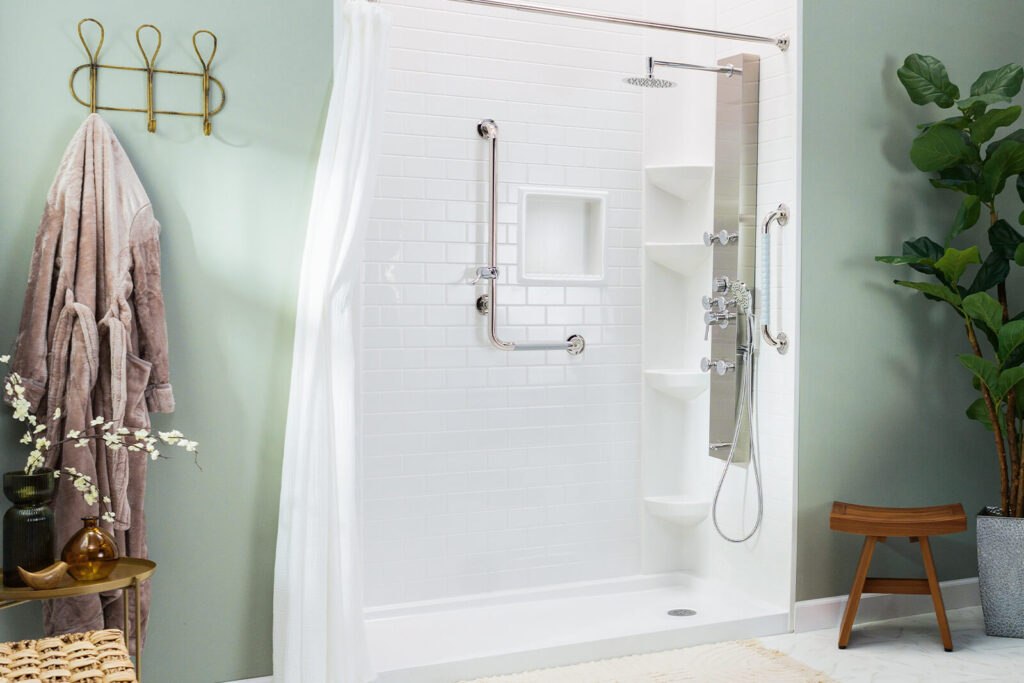
- Shower base or floor pan
- Wall panels or wall surround
- Shower door or curtain system
- Seat or built-in bench
- Handheld shower wand
- Grab bars
- Low-threshold or roll-in entry
- Faucet and shower controls
- Removal and disposal of the old shower
- Plumbing connections
- Wall preparation
- Labor and installation
- Permit fees, where required
- Cleanup after the work
Some quotes may also include a warranty or limited service coverage. Read the terms carefully. A product warranty may cover materials but not labor, water damage, mold, or changes made by another contractor.
The key question is whether the quote covers a complete bathroom project or only a replacement shower system. A low starting price may exclude demolition, plumbing changes, permits, doors, accessories, or repairs behind the old surround.

What changes the cost of a Safe Step shower?
The largest price differences usually come from the bathroom layout and the level of customization.
1. Existing shower or bathtub
Replacing an existing shower in the same location is often less complex than changing a bathtub into a shower. A tub-to-shower conversion may require:
- Removal of the tub
- New plumbing connections
- A wider shower base
- Wall repairs
- Changes to the floor
- New blocking for grab bars or a seat
If the new shower uses the existing drain and water lines, installation may be simpler. Moving those lines can increase labor and repair costs.
2. Bathroom size and shower dimensions
A larger shower uses more wall material and may require a larger base, door, seat, or enclosure. A compact unit may cost less, but it must still provide enough room to enter, turn, sit, and use the controls safely.
Do not choose a smaller shower only to reduce the quote. The usable space matters more than the number of accessories.
3. Accessibility features
Safety features can raise the project price, but they may also make the shower easier to use.
Possible features include:
- Low-step or zero-threshold entry
- Built-in seat
- Fold-down seat
- Multiple grab bars
- Handheld shower head
- Thermostatic or pressure-balancing controls
- Non-slip flooring
- Wider door
- Transfer space
- Easy-reach shelves
A grab bar should be attached to suitable structural support. Adhesive-only bars are not a substitute for properly installed support bars in a bathing area.
4. Condition behind the walls and floor
A shower replacement can uncover water damage, mold, weak framing, or an uneven floor. These problems may not appear in an initial visual estimate.
Possible extra work includes:
- Replacing damaged subfloor
- Repairing wall framing
- Treating mold
- Replacing wet insulation
- Correcting an uneven floor
- Repairing old water lines
- Updating shutoff valves
Ask whether the quote includes a stated allowance for hidden damage. If it does not, ask how additional work will be approved and priced.
5. Door and enclosure choices
A framed door is often less costly than a large frameless glass enclosure. Door width, swing direction, glass type, and hardware can all affect the price.
A shower door must not block safe entry or make it hard to assist the person using the shower. In some bathrooms, a curtain provides more usable access than a swinging door.
6. Local labor and permit costs
Installation costs vary across the United States. Labor in a major metro area may be higher than labor in a smaller market. Local building departments may also require permits for plumbing, electrical, structural, or remodeling work.
The contractor should explain which permits are needed and who will obtain them. Do not assume that a national brand handles every local permit.

How much does a Safe Step shower cost compared with other options?
A Safe Step shower may cost more than a basic acrylic shower installed by a local remodeler. The difference may reflect design, accessibility features, project management, warranty terms, and installation service.
| Option | Typical U.S. installed range | Main trade-off |
|---|---|---|
| Basic prefabricated shower | $4,000–$10,000 | Lower cost, fewer custom options |
| Local acrylic shower replacement | $6,000–$15,000 | More contractor choice; quality varies |
| Safe Step-style accessible shower | $8,000–$20,000 | Convenience and safety features; higher price |
| Custom tile shower | $10,000–$30,000+ | Flexible design; more labor and maintenance |
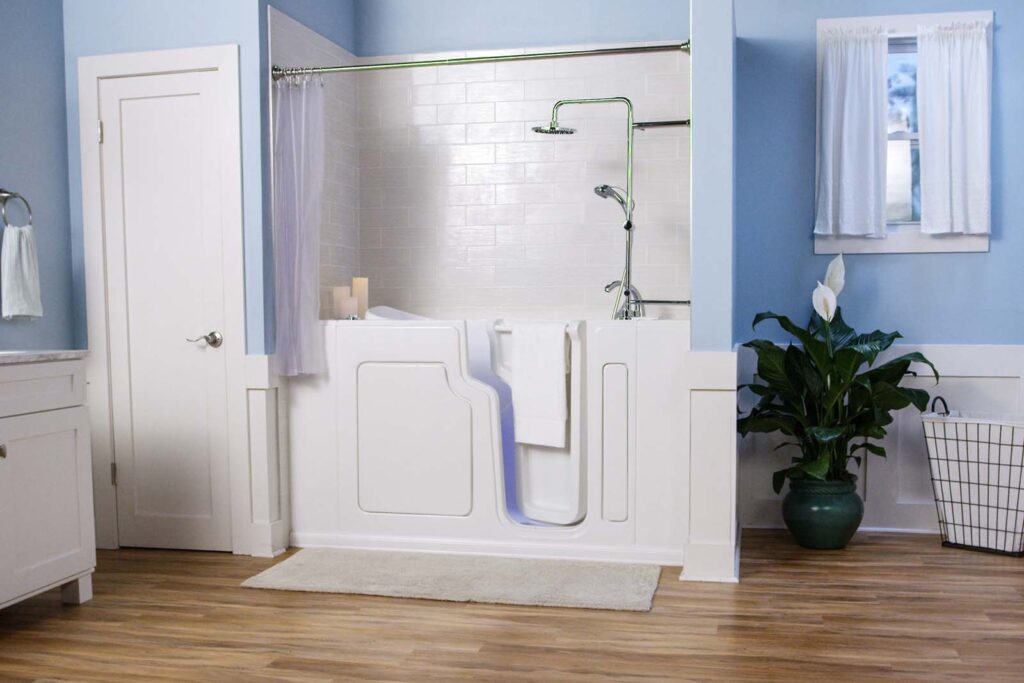
| Walk-in tub with shower function | $10,000–$25,000+ | Useful for seated bathing; slower entry and exit |
These are broad U.S. remodeling ranges, not fixed quotes. They can overlap because bathroom condition and labor often matter more than the product category.
A custom tile shower is not automatically safer. Tile grout can require more cleaning, and a tiled floor must be designed to provide stable footing. A lower-cost shower can still be suitable if it has proper support, drainage, access, and installation.
Is Safe Step worth the cost?
Safe Step may be worth considering when the priority is a professionally installed accessible shower with a simple buying process. It may be less attractive when the main goal is the lowest possible price or when you already have a trusted local remodeling contractor.
Compare these points before deciding:
- Total installed price
- Exact shower dimensions
- Entry height and clear opening
- Seat size and weight rating
- Grab bar location and mounting method
- Floor surface and slip resistance
- Door or curtain design
- Plumbing and electrical changes
- Warranty coverage
- Repair and service process
- Cancellation terms
- Financing cost
Do not judge value from the monthly payment alone. A financed project can cost much more than its cash price after interest, fees, and a long repayment period.

How to compare a Safe Step quote with another contractor
Use the same written scope for every estimate. Otherwise, one quote may appear cheaper simply because it leaves out important work.
Ask each provider to list:
- Product model and size
- Shower base and wall materials
- Demolition and disposal
- Plumbing work
- Electrical work, if any
- Subfloor or wall repairs
- Door, seat, and grab bars
- Permit responsibility
- Labor and cleanup
- Warranty terms
- Payment schedule
- Change-order rules
A good comparison quote should explain what happens if the installer finds water damage. It should also identify whether the price is fixed or subject to added charges.
Questions to ask during the in-home consultation
- What is the full cash price?
- What work is excluded?
- Is the quote valid for a stated period?
- Can the design be changed after signing?
- Who performs the installation?
- Is the installer licensed and insured in my state?
- Who obtains required permits?
- How long will the bathroom be out of service?
- What happens if the project runs over schedule?
- What does the warranty exclude?
- Is financing optional?
- Is there a cancellation period under the contract or state law?
Get answers in writing. Verbal promises are hard to verify later.

Does Medicare or insurance pay for a Safe Step shower?
Original Medicare generally does not pay for a home shower remodel simply because it improves bathing safety. Medicare coverage rules focus on eligible medical services and durable medical equipment, not most permanent bathroom improvements.
Medicaid programs, Medicare Advantage plans, veterans’ programs, long-term-care policies, and state or local assistance programs may have different rules. Coverage can depend on medical need, income, disability status, prior approval, and the exact program.
Before assuming you qualify, contact:
- Your Medicare Advantage plan
- Your state Medicaid office
- The U.S. Department of Veterans Affairs, if applicable
- Your long-term-care insurer
- Local aging or disability services
Ask whether the program covers home modifications, not only medical equipment. Do not sign a contract based on a verbal claim that insurance will reimburse you.
Potential tax treatment also depends on your personal situation. Speak with a qualified tax professional before treating the project as a medical expense.
Can you finance a Safe Step shower?
Many bathroom remodeling companies offer financing, but approval, interest rate, fees, and repayment terms vary. Financing can make a project easier to start, but it does not reduce the total cost.
Before accepting financing, check:
- Annual percentage rate
- Loan term
- Monthly payment
- Total amount paid
- Origination or administrative fees
- Deferred-interest terms
- Late-payment penalties
- Prepayment rules
- Whether the lender is separate from the installer
For example, a $15,000 project paid over several years may cost much more than $15,000. Compare the total repayment amount with the cash price.
If the salesperson focuses only on a low monthly payment, ask for the written loan disclosures. The Federal Trade Commission advises consumers to review home-improvement contracts and financing terms carefully before work begins. See the FTC guidance on home improvement.
How to reduce the cost without reducing safety
You can often lower the price by reducing cosmetic upgrades rather than removing core safety features.
Consider:
- Keeping the shower in its current location
- Choosing standard dimensions
- Using wall panels instead of custom tile
- Selecting a curtain instead of a large glass enclosure
- Limiting decorative trim
- Comparing local contractors
- Requesting an itemized quote
- Scheduling work during a slower season
- Paying cash only if it does not weaken your emergency savings
Avoid cutting features that address a known safety need. Removing a seat, stable grab bars, or a low-threshold entry may save money but can make the shower harder to use.
Also avoid paying the full amount before installation. A reasonable contract should connect payments to project progress. Check local rules before making a large deposit.
Common mistakes when estimating Safe Step shower cost
Mistake 1: Treating an advertised starting price as the final price
A “starting at” price may exclude labor, demolition, accessories, plumbing, or site repairs. Use the written total instead.
Mistake 2: Ignoring hidden damage
Old bathrooms may have water damage behind the walls or under the floor. Ask how the installer handles unexpected repairs.
Mistake 3: Choosing features without checking fit
A seat or grab bar must be placed where the user can reach it safely. A product can have many safety features and still fit poorly in a specific bathroom.
Mistake 4: Assuming every low-threshold shower meets ADA rules
The Americans with Disabilities Act mainly applies to covered public accommodations and commercial settings. A residential shower is not automatically an ADA-compliant installation because it has a low threshold.
For a home, the design should fit the user, the available space, local code, and the installer’s documented specifications. For formal accessibility requirements, consult a qualified designer or occupational therapist.
Mistake 5: Overlooking water control
A curbless or low-threshold shower needs proper slope, drainage, waterproofing, and splash control. Poor installation can lead to leaks or standing water.
Mistake 6: Failing to check the contractor
Ask for proof of insurance, licensing where required, references, and the written warranty. Verify the business through your state licensing agency and the Better Business Bureau, while remembering that no single listing proves workmanship quality.

A simple way to budget for a Safe Step shower
Use this three-part estimate:
Expected project cost = shower system + installation + site work
For a hypothetical example:
- Shower system and accessories: $8,500
- Installation and demolition: $4,000
- Plumbing and minor repairs: $1,500
- Estimated total: $14,000
This example is for budgeting only. It is not a Safe Step quote.
Add a contingency only if your budget allows it. A reserve of roughly 10% to 20% may help with hidden repairs, but the contractor should still obtain approval before doing extra work.
The strongest price check is not a national average. It is two or three itemized quotes based on the same bathroom measurements and requested features.
Frequently asked questions
What is the cheapest Safe Step shower option?
The least expensive option is usually a standard-size shower that stays in the current location and uses basic finishes. The exact price depends on the local quote, installation scope, and required repairs.
How long does Safe Step shower installation take?
Many shower replacements take a few days, but the schedule depends on demolition, plumbing, permits, product availability, and hidden damage. Ask for a written start date and completion range.
Is a Safe Step shower tax deductible?
A bathroom modification may have tax implications in limited situations, but eligibility depends on your medical condition, insurance reimbursement, itemized expenses, and tax rules. Ask a tax professional before claiming a deduction.
Can a Safe Step shower be installed over an existing tub?
A tub area may be converted to a shower, but the old tub must usually be removed. The installer must check the drain, water lines, floor, wall framing, and available space before confirming the design.
Should I choose a shower or a walk-in tub?
Choose a shower when quick entry, easy standing access, or a seat is the main need. A walk-in tub may suit someone who prefers seated bathing, but it can take time to fill and drain. The user’s balance, mobility, transfer ability, and caregiver needs should guide the choice.
Final cost estimate
For most U.S. homeowners, a practical planning budget for a Safe Step shower is $8,000 to $20,000 installed. A straightforward replacement may cost less, while a larger conversion with plumbing, flooring, electrical work, or repairs may cost more.
Before signing, request an itemized quote that shows the product, labor, accessories, permits, warranty, financing terms, and possible extra charges. Compare it with at least one local contractor’s estimate using the same scope of work.

Michael Reynolds is a senior contributor at RetirementGazette.com, where he focuses on helping readers navigate the journey toward a secure and fulfilling retirement. With over a decade of experience in personal finance, retirement planning, and lifestyle writing, Michael combines practical strategies with easy-to-understand guidance tailored for both pre-retirees and those already enjoying their golden years.