
Seniors can get food allowance through SNAP, senior food boxes, farmers’ market vouchers, and local meal programs.
Learning how to get food allowance for seniors can make a real difference when groceries, medicine, rent, and utility bills compete for the same limited income. In the United States, help may come as monthly benefits, free food packages, meal delivery, or vouchers for fresh produce. This guide explains the main programs, eligibility rules, application steps, and common mistakes so you can choose the best path with confidence.
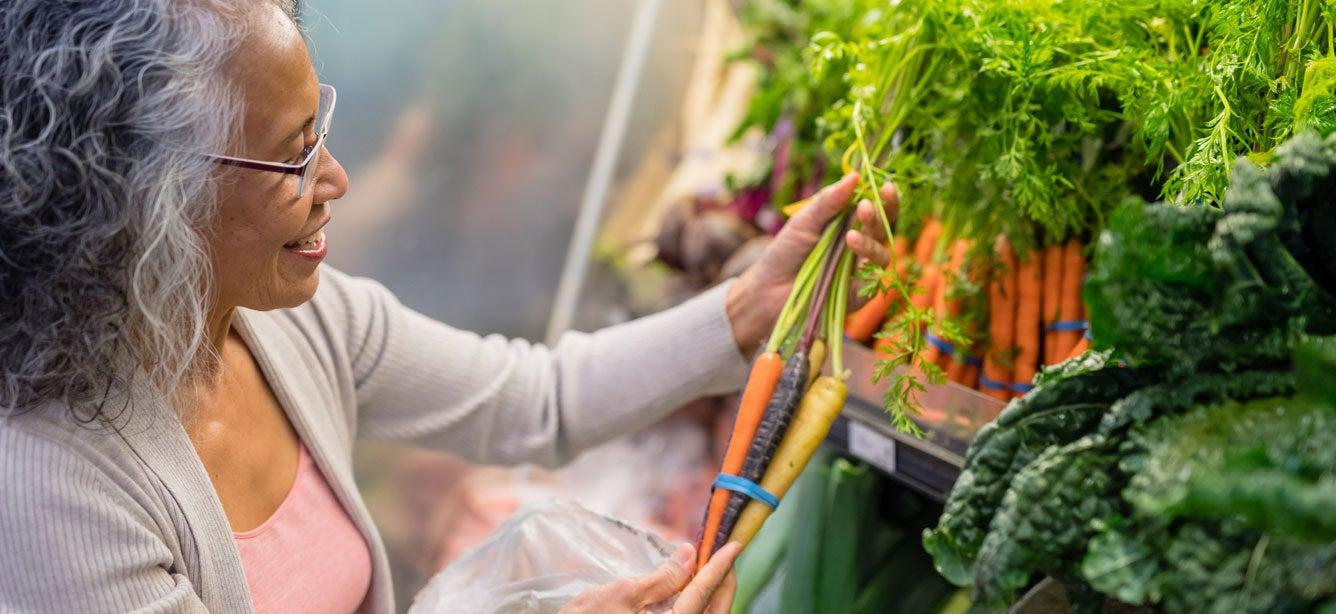
What “food allowance” means for seniors
The phrase “food allowance” usually refers to food assistance programs, not one single national payment. Most programs do not give cash directly. Instead, they provide an electronic benefit card, a box of healthy food, coupons, or prepared meals.
The best program depends on a senior’s income, age, health, location, housing costs, and access to transportation. A person may qualify for more than one program at the same time.
Common types of food help include:
- Monthly grocery benefits through the Supplemental Nutrition Assistance Program, also called SNAP
- Monthly food packages through the Commodity Supplemental Food Program, or CSFP
- Farmers’ market and produce vouchers through the Senior Farmers’ Market Nutrition Program, or SFMNP
- Home delivered meals through Meals on Wheels and similar local services
- Congregate meals served at senior centers, churches, and community sites
- Food pantries and community meal programs
- Tribal food assistance programs in eligible communities
SNAP is the main federal food benefit for low income households. The USDA Food and Nutrition Service oversees SNAP, but each state manages applications and case decisions. This means the rules, forms, interview process, and contact points may differ from state to state.
How to get food allowance for seniors through SNAP
For many older adults, SNAP is the most useful answer to how to get food allowance for seniors. SNAP benefits are placed on an Electronic Benefit Transfer card, often called an EBT card. The card works like a debit card at approved grocery stores, farmers’ markets, and some online retailers.
SNAP can usually be used to buy:
- Fruits and vegetables
- Meat, poultry, fish, and eggs
- Bread, cereal, and other staple foods
- Dairy products
- Seeds and plants that produce food
SNAP generally cannot be used for alcohol, tobacco, vitamins, hot prepared meals, or nonfood items such as soap and paper products. Some states have special restaurant meal programs for older adults, people with disabilities, or people without stable housing.
Older adults may receive helpful screening rules. For example, a household with someone age 60 or older may qualify under special elderly household rules. Medical expenses that are not fully covered by insurance may also affect eligibility when properly documented.
Basic SNAP eligibility
SNAP eligibility often depends on:
- Household income
- Household size
- Bank accounts and other resources, depending on state rules
- Rent or mortgage costs
- Utility expenses
- Medical costs for a senior or person with a disability
- Citizenship or qualified immigration status
Income limits change each year and may vary by household type and state. Do not assume you are ineligible because you receive Social Security, Supplemental Security Income, or a pension. Many seniors qualify for SNAP even when they receive some retirement income.
A senior who lives alone may apply as a one person household. If a senior buys and prepares food with another person, the household may be counted differently. The local SNAP office makes the final decision based on program rules and the facts in the application.
How to apply for SNAP food benefits
The application process for how to get food allowance for seniors is usually manageable, but gathering documents first can prevent delays.
Follow these steps
-
Find your state SNAP agency. Use your state government website or call the USDA National Hunger Hotline for guidance. Avoid unofficial websites that ask for payment to submit a free application.
-
Submit an application. Most states accept applications online, by mail, in person, or by phone. If a senior cannot travel, ask whether a representative can apply or whether a phone interview is available.
-
Complete the interview. A caseworker may ask about income, expenses, household members, cooking arrangements, and immigration status. Answer clearly and ask for an interpreter or disability accommodation if needed.
-
Send verification documents. The agency will explain which documents are required. Send copies, not original documents, unless the agency specifically asks for an original.
-
Watch for the decision notice. The notice should explain whether the application was approved, denied, or needs more information. It should also explain appeal rights.
-
Use the EBT card correctly. Keep the card and personal identification number safe. Check the balance and report a lost card quickly.
The application date matters. If you believe you may qualify, apply as soon as possible rather than waiting until every document is ready. The agency can tell you what is missing.
Documents that may help
Prepare as many of these items as possible:
- Social Security number for each applicant
- Proof of identity
- Proof of address
- Social Security, SSI, pension, or retirement benefit letters
- Recent pay stubs, if anyone works
- Rent or mortgage statements
- Utility bills
- Medical bills and insurance statements
- Bank or retirement account information when requested
- Immigration documents for noncitizens applying for benefits
A common mistake is listing income but leaving out allowable expenses. Another is failing to report recurring medical costs because each bill seems small. Keep a simple folder for receipts, prescriptions, insurance premiums, transportation to medical care, and other health expenses.
How medical costs can help a senior qualify
Medical expenses are an important part of how to get food allowance for seniors. In many SNAP cases, an eligible senior household may receive a deduction for certain out of pocket medical costs. This can lower countable income and may increase the benefit amount.
Possible expenses may include:
- Prescription medicines
- Doctor and dental visits
- Health insurance premiums
- Medicare premiums
- Medical equipment
- Hearing aids
- Eyeglasses
- Transportation for medical care
- In home care costs
- Over the counter medical supplies, when allowed
Rules differ by state. Some programs require expenses to exceed a specific amount before a deduction applies. Some costs may need receipts or statements.
Ask the SNAP worker directly: “Which medical expenses can I claim for the senior in my household?” This simple question can prevent a missed deduction. Keep copies of every document you submit.

Other food assistance programs for seniors
SNAP is not the only answer to how to get food allowance for seniors. Some programs serve older adults who do not qualify for SNAP or who need more help between grocery trips.
Commodity Supplemental Food Program
The Commodity Supplemental Food Program provides monthly food packages to some low income adults age 60 and older. Packages may include items such as:
- Canned fruits and vegetables
- Juice
- Beans
- Rice or pasta
- Cereal
- Peanut butter
- Shelf stable meat or cheese
- Other nutritious staples
Eligibility and enrollment rules vary. A local food bank, senior center, or state agriculture agency can explain whether CSFP operates in your area.
Senior Farmers’ Market Nutrition Program
The Senior Farmers’ Market Nutrition Program gives eligible seniors coupons or electronic benefits for fresh foods. Benefits may be used at approved farmers’ markets, roadside stands, or community supported agriculture sites.
The program often covers fruits, vegetables, herbs, and honey. It usually does not cover meat, bread, or packaged grocery items. Funding is limited in many areas, so apply early during the enrollment season.
Home delivered meals
Home delivered meal services can help seniors who cannot shop or cook safely. Meals may be delivered by Meals on Wheels providers, local aging agencies, or nonprofit groups.
Eligibility often considers:
- Age
- Difficulty preparing meals
- Mobility or health needs
- Living alone
- Lack of a reliable caregiver
- Household income
Some providers request a donation, but an inability to pay should not always prevent someone from asking for help. Contact the local Area Agency on Aging to find services near you.
Congregate meal sites
Congregate meals are served at senior centers, community centers, faith groups, and other local locations. These meals provide food and a chance to connect with other people.
Social contact is not a small benefit. Regular meals with others can ease loneliness and help staff notice when a senior needs extra support.
Food pantries and local food banks
Food pantries can offer groceries at no cost. Many do not require a lengthy application. Some provide special boxes for seniors, low sodium foods, fresh produce, or shelf stable meals.
Call before visiting. Ask about hours, identification rules, delivery options, and whether the pantry has senior specific food boxes.
How to get food allowance for seniors with Social Security or SSI
Receiving Social Security or SSI does not automatically prevent a senior from getting SNAP. The agency counts these payments as income, but the senior may still qualify after household income and allowable deductions are reviewed.
This is an area where many people give up too soon. A retiree may think, “I receive a monthly check, so I cannot get food help.” That assumption can leave needed support unused.
When applying, report the correct gross benefit amount and list eligible expenses. Do not subtract expenses yourself unless the form instructs you to do so. The caseworker will calculate deductions under the rules that apply in your state.
SSI recipients may also receive notices that explain benefit changes. Keep these notices. They can serve as proof of income and help you report changes on time.

How to get food allowance for seniors who live with family
A senior who lives with adult children, grandchildren, or a caregiver may still qualify for food assistance. SNAP household rules focus largely on who buys and prepares food together, not simply who shares an address.
For example, an older parent may live with a daughter but buy and prepare food separately. In some situations, they may be treated as a separate SNAP household. If everyone shares food and meals, the household may be counted together.
Explain the living arrangement honestly. Do not change facts to try to qualify. Instead, describe:
- Who buys groceries
- Who cooks meals
- Whether food is shared
- Who pays for groceries
- Whether the senior receives regular support from family
The state agency will apply the correct rule. If the senior has a legal representative, that person may help with the application while the senior remains the applicant.
How to get food allowance for seniors with disabilities or limited mobility
Limited mobility should not stop a senior from applying. Many states offer phone interviews, accessible offices, authorized representatives, and mail-in forms.
A senior may ask a trusted person to help with:
- Completing the form
- Organizing documents
- Attending an interview
- Reporting changes
- Using an EBT card
- Contacting a food delivery provider
The senior should understand and approve the arrangement. An authorized representative may act for the applicant, but the representative must follow program rules and protect the senior’s benefits.
If a disability affects communication, memory, hearing, vision, or travel, request a reasonable accommodation. Agencies must provide language access and disability accommodations under applicable rules.
A practical lesson I often share with families is to make one phone call before assuming a service is unavailable. A local aging office may know about transportation, food delivery, benefits counseling, and legal assistance that does not appear in a basic online search.

How much food assistance can a senior receive?
The amount depends on household income, household size, deductions, and state rules. SNAP is not a fixed senior allowance, so two people of the same age may receive different amounts.
A senior household with high rent, medical expenses, and utility costs may receive more help than a household with the same income but fewer allowable expenses. The final amount comes from the state agency’s calculation.
Other programs may provide:
- A monthly food box
- A set number of meals each week
- Seasonal produce coupons
- Grocery bags from a food pantry
- Home delivered frozen or fresh meals
Benefits can also change. Report changes in income, rent, household size, or medical costs when required. If benefits stop or decrease and you disagree, read the notice carefully and request a fair hearing before the deadline.
Common mistakes to avoid
Knowing how to get food allowance for seniors also means knowing what can cause delays or denials.
Avoid these mistakes:
- Waiting because you think Social Security makes you ineligible
- Applying through a website that charges a fee
- Leaving medical expenses off the form
- Forgetting to report rent or utility costs
- Missing the interview
- Ignoring requests for verification
- Sending original documents without keeping copies
- Failing to renew benefits on time
- Sharing an EBT personal identification number
- Paying someone who promises guaranteed approval
No legitimate worker can guarantee approval. Benefits are based on program rules and verified information.
If the application is denied, read the written notice. It should state the reason and explain how to appeal. A legal aid office, senior benefits counselor, or Area Agency on Aging may help you understand the decision.

How to find trustworthy help
Start with official and community sources. Good places to contact include:
- Your state SNAP agency
- The USDA National Hunger Hotline
- Your local Area Agency on Aging
- A county senior services office
- A community action agency
- A local food bank
- A legal aid organization
- A benefits enrollment counselor
The Eldercare Locator can help families find local aging services. Medicare counselors can explain health coverage costs, while SNAP workers handle food benefit eligibility. These roles are different, so contact the right office for the right question.
When calling, write down:
- The person’s name
- The date and time of the call
- The advice provided
- Any case number
- The document deadline
- The next step
This small record can be valuable if a case is delayed or information is misunderstood.
Frequently asked questions about how to get food allowance for seniors
Can seniors get SNAP benefits if they receive Social Security?
Yes. Social Security is counted as income, but it does not automatically disqualify a senior from SNAP. Rent, medical costs, utility expenses, and household size may affect the final decision.
What is the easiest way to apply for senior food assistance?
Apply through your state SNAP agency online, by phone, by mail, or in person. For other programs, contact your local Area Agency on Aging, senior center, or food bank.
Can a senior get food assistance while living with family?
Yes. SNAP rules examine who buys and prepares food together. A senior living with family may be a separate household in some cases, but the state agency must review the exact arrangement.
Does Medicare help pay for groceries?
Medicare does not provide a standard grocery allowance for everyone. Some Medicare Advantage plans may offer limited grocery or healthy food benefits to members who meet specific plan and health requirements.
Can seniors receive SNAP and home delivered meals?
Possibly. These programs serve different needs, and receiving one does not always prevent eligibility for another. Each program has its own rules, funding limits, and application process.
What should a senior do if an application is denied?
Read the denial notice to find the reason and appeal deadline. Contact the state agency, legal aid, or a benefits counselor quickly if the decision seems wrong or documents were overlooked.
Are food benefits available to seniors who are not U.S. citizens?
Some qualified noncitizens may be eligible, while others may not. Eligibility can depend on immigration category, years in the United States, and household circumstances, so ask the state agency for a confidential screening.
Conclusion
Getting food assistance can feel confusing, but the process becomes clearer when you start with the right program. SNAP may provide monthly grocery benefits, while CSFP, farmers’ market vouchers, meal delivery, senior centers, and food pantries can offer extra support.
Gather income, housing, and medical records. Apply through an official state or local agency, answer questions honestly, and ask about deductions and accommodations. If one program does not fit, keep looking because another service may meet the need.
Use this guide as a starting point, then contact your state SNAP office or local Area Agency on Aging today. Share your experience or questions in the comments so other families can find helpful support, too.

Michael Reynolds is a senior contributor at RetirementGazette.com, where he focuses on helping readers navigate the journey toward a secure and fulfilling retirement. With over a decade of experience in personal finance, retirement planning, and lifestyle writing, Michael combines practical strategies with easy-to-understand guidance tailored for both pre-retirees and those already enjoying their golden years.