To become a senior care assistant, gain care skills, complete required training, pass checks, and build trusted experience.
Learning how to become a senior care assistant can lead to meaningful work with older adults in homes, assisted living communities, and nursing facilities. The role combines practical care, patience, safety awareness, and human connection. This guide explains the usual steps, training options, daily duties, pay factors, and skills that help you grow with confidence.
What Does a Senior Care Assistant Do?
A senior care assistant supports older adults with daily tasks while helping them stay safe, comfortable, and independent. The job may take place in a private home, assisted living center, memory care unit, hospital, or skilled nursing facility.
The exact duties depend on the employer, the client’s health, and state law. Some senior care assistants provide nonmedical support. Others hold a nursing assistant credential and may perform approved clinical tasks under supervision.
Common duties include:
• Helping with bathing, dressing, grooming, and toileting
• Preparing meals and encouraging safe eating
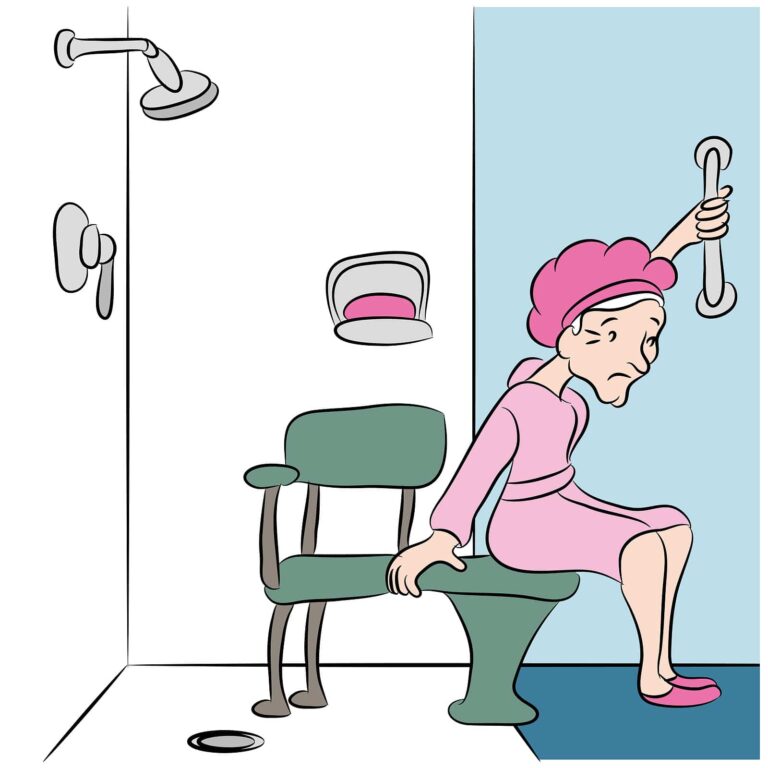
• Supporting walking, transfers, and other movement
• Reminding clients to take medicine without giving medical advice
• Cleaning light household areas used by the client
• Driving or accompanying clients to appointments
• Offering companionship and emotional support
• Watching for changes in mood, behavior, pain, or health
• Reporting concerns to a nurse, family member, or supervisor
A senior care assistant is not simply a cleaner or companion. You may become the person who notices that an older adult seems confused, weak, feverish, or unusually quiet. That observation can help the care team act early.

Senior Care Assistant and Related Job Titles
Before learning how to become a senior care assistant, understand how the title may differ by workplace. Job names are not always used in the same way across the United States.
Common related titles include:
• Personal care aide: Provides help with everyday personal tasks, meals, mobility, and companionship.
• Home health aide: May provide personal care and basic health-related support under a care plan.
• Certified nursing assistant: Completes state-approved training and testing, then provides hands-on care under nursing supervision.
• Direct support professional: Helps people with disabilities or other support needs live more independently.
• Resident assistant: Supports people who live in assisted living or residential care settings.
The biggest difference is often certification and scope of practice. A senior care assistant may not be allowed to give medication, change sterile dressings, take certain measurements, or perform other medical tasks unless state rules and employer policies allow it.
Ask each employer:
• What is the official job title?
• Is certification required before hiring?
• Which tasks are allowed?
• Who supervises the role?
• Does the employer provide training?
This step prevents a common mistake: applying for a job without understanding its legal or clinical requirements.
How to Become a Senior Care Assistant Step by Step
The process is fairly clear, but requirements vary by state and employer. Use these steps as a practical starting point.
1. Check the Basic Requirements
Many entry-level care jobs require a high school diploma or GED, but some employers focus more on maturity, reliability, and a willingness to learn. You may also need to be at least 18 years old.
Employers often ask for:
• A valid government-issued ID
• Legal permission to work in the United States
• A clean or reviewable background check
• Physical ability to stand, bend, walk, and assist with transfers
• Reliable transportation for some home care roles
• Proof of vaccinations or a health screening
• A drug screening, depending on the employer
Do not assume that a criminal record automatically ends your chances. Rules differ by state and by the type of record. Be honest, explain relevant circumstances, and ask whether the employer reviews applications individually.
2. Learn Basic Care Skills
Before your first shift, learn how to protect the client and yourself. Good care is not about rushing. It is about using safe steps each time.
Important skills include:
• Hand hygiene and infection control
• Safe bathing and toileting support
• Fall prevention
• Body mechanics and safe transfers
• Respectful communication
• Food safety
• Emergency response
• Dementia-friendly care
• Recognizing abuse, neglect, dehydration, and sudden health changes
Many employers provide orientation. Still, taking an approved caregiving, CPR, first aid, or dementia course can make you a stronger applicant.
3. Decide Whether You Need CNA Certification
A certified nursing assistant credential can expand your job choices. CNA requirements usually include state-approved classroom instruction, clinical practice, and a competency exam. After passing, you may be placed on a state nursing assistant registry.
A CNA credential may help you qualify for work in:
• Nursing homes
• Hospitals
• Rehabilitation centers
• Memory care communities
• Assisted living facilities
• Home health agencies
However, CNA certification is not required for every senior care assistant job. Check your state health department, nursing board, or nurse aide registry for current rules. Training hours, exams, renewal rules, and allowed duties can differ.
4. Complete CPR and First Aid Training
CPR and first aid training can help you respond during a fall, choking event, breathing problem, or other emergency. Some employers require certification from a recognized training provider.
Keep your card current. Also learn your employer’s emergency process. You should know when to call 911, when to contact a nurse, and how to document what happened.
5. Apply for Entry-Level Care Jobs
Search for positions using several terms. Employers may advertise the same type of work under different names.
Try searches such as:
• Senior care assistant
• Personal care aide
• Home care aide
• Caregiver
• Resident assistant
• Certified nursing assistant
• Companion caregiver
Read the job description closely. Look for details about lifting, driving, overnight shifts, dementia care, medication support, and required credentials.
6. Prepare for the Interview
A strong interview answer shows patience, judgment, and respect. Employers want to know how you will act when a client refuses care, falls, becomes upset, or needs more help than expected.
Use short examples. For instance:
“I would stay calm, give the client time, explain each step, and report any safety concern to my supervisor.”
You can also discuss a time when you:
• Helped an older relative or neighbor
• Managed a difficult task with patience
• Followed a safety rule
• Worked as part of a team
• Kept private information confidential
7. Complete Orientation and Supervised Training
After hiring, you may shadow an experienced worker or complete online and in-person training. Take notes. Ask questions. Never perform a task you have not been trained or authorized to do.
A useful habit is to repeat instructions back to your supervisor. This simple step reduces errors and shows that you take the client’s care seriously.

Education and Certification Options
There is no single national path for how to become a senior care assistant. Your best route depends on the level of care you want to provide.
Entry-Level Caregiver Training
Short courses may cover personal care, communication, infection prevention, dementia, and client rights. These courses can help people with no health care background begin safely.
They may be offered by:
• Home care agencies
• Community colleges
• Adult education programs
• Workforce development centers
• Senior care organizations
• Online training providers
Confirm that the course is accepted by local employers. A certificate from an unknown provider may not meet a state or facility requirement.
Certified Nursing Assistant Training
CNA training is more structured. It usually includes classroom lessons, hands-on practice, and supervised clinical experience.
The exam commonly tests:
• Basic nursing skills
• Personal care
• Infection control
• Communication
• Safety
• Client rights
• Measuring and reporting basic observations
Certification can improve access to jobs, but it also brings responsibility. You must follow the limits of your training and state scope of practice.
Additional Training That Can Help
Extra training is useful when it matches the needs of the people you will serve. Consider:
• Dementia care
• Alzheimer’s care
• Mental health awareness
• Fall prevention
• Safe lifting
• End-of-life support
• Medication aide training, where permitted
• Mental health first aid
• Cultural humility
Older adults are not all alike. A person’s language, food choices, faith, family structure, and personal history should shape respectful care.

Skills That Make a Great Senior Care Assistant
Technical knowledge matters, but character often determines whether clients feel safe with you. Older adults may need help with private tasks. They deserve control, dignity, and clear choices.
Communication
Use plain words and a calm voice. Face the client when speaking. Give one instruction at a time if the person has hearing loss or memory problems.
Do not talk over an older adult or speak to family members as if the client is not present. Ask, “Would you like help with that?” instead of taking over.
Patience
Care may take longer than expected. A person with arthritis may need extra time to stand. Someone with dementia may ask the same question many times.
Patience is not passive. It is an active choice to slow down and protect the person’s dignity.
Observation
Notice changes in:
• Appetite
• Sleep
• Walking
• Skin condition
• Breathing
• Speech
• Mood
• Memory
• Toileting
Report concerns promptly. Do not diagnose the client. Your role is to observe, record, and communicate.
Reliability
Families and care teams depend on you. Arrive on time, follow the care plan, complete your notes, and call early if an emergency prevents you from working.
One missed shift can disrupt meals, medication routines, bathing, and appointments. Reliability is one of the strongest ways to build trust.
Emotional Strength
Senior care can be joyful, but it can also involve illness, loneliness, grief, and death. Learn healthy ways to manage stress. Speak with a supervisor when a situation feels too heavy.

Understanding Safety, Ethics, and Client Rights
Safety is central to learning how to become a senior care assistant. You must protect clients from falls, burns, infections, medication mistakes, financial exploitation, and abuse.
Follow these rules:
• Keep walkways clear.
• Use mobility equipment as trained.
• Lock wheelchair brakes before transfers.
• Test bath water before use.
• Keep emergency numbers easy to find.
• Store cleaning products safely.
• Protect client information.
• Follow the care plan.
• Report suspected abuse or neglect according to state law and workplace policy.
Never accept large gifts, borrow money, manage a client’s finances, or use a client’s bank card without clear legal authorization and employer approval. Even when a client offers freely, the situation can create pressure or a conflict of interest.
Respect privacy during bathing, dressing, and toileting. Explain what you are doing and close doors or curtains. Small acts of respect can make a difficult task feel safe.

What a Typical Workday May Look Like
Every shift is different. A morning home care visit might include helping a client get out of bed, preparing breakfast, assisting with grooming, and checking the home for hazards.
An afternoon shift may involve:
• Preparing lunch
• Encouraging fluids
• Supporting a short walk
• Folding laundry
• Driving to an appointment
• Recording changes in the client’s condition
An evening shift may include bathing, preparing dinner, helping with pajamas, and making sure the client has needed items nearby.
The work can be physical. You may stand for long periods, bend often, or help with movement. Use proper body mechanics and ask for help with transfers that exceed your training or the equipment’s limits.
A lesson many new caregivers learn quickly is that the care plan is a guide, not a substitute for observation. If something seems different, pause and report it.

Pay, Job Outlook, and Career Growth
Pay for senior care assistants depends on location, training, setting, shift, experience, and employer. Home care, assisted living, nursing homes, and hospitals may offer different rates and benefits.
Factors that may affect pay include:
• CNA certification
• Dementia care experience
• Night, weekend, or holiday work
• Live-in or overnight duties
• Driving responsibilities
• Union or hospital employment
• Full-time benefits
• Geographic area
Public labor data regularly shows strong demand for personal care and home health workers as the U.S. older population grows. Still, job outlook figures are national estimates. Local wages and openings can be very different.
Career growth may lead to roles such as:
• Lead caregiver
• Care coordinator
• Medication aide, where legal
• CNA
• Patient care technician
• Activities assistant
• Home care supervisor
• Licensed practical nurse
• Registered nurse
Keep a record of your training, skills, and positive performance reviews. That record can support future applications and pay discussions.

Common Mistakes to Avoid
Knowing how to become a senior care assistant also means knowing what can go wrong. Avoid these common errors:
• Starting work without understanding the job duties
• Skipping hand hygiene
• Trying to lift a client alone when help is needed
• Giving medical advice outside your role
• Ignoring a sudden change in behavior
• Sharing client stories on social media
• Arriving late without calling
• Using personal money or accepting expensive gifts
• Failing to document care
• Treating every client in the same way
Another mistake is believing kindness replaces training. Kindness builds trust, but safe transfers, infection control, emergency response, and reporting rules require instruction.
If you make an error, report it quickly. Hiding a mistake can place the client at greater risk and damage your career.

How to Build Experience Before Applying
If you have no formal experience, start with safe and supervised opportunities. You might volunteer at a senior center, help with approved community programs, or support an older family member while learning proper boundaries.
You can also build relevant skills through jobs in:
• Child care
• Customer service
• Hospitality
• Housekeeping
• Disability support
• Medical reception
• Recreation programs
These jobs can show patience, communication, organization, and dependability. However, do not describe unpaid family help as professional clinical experience. Be accurate on your resume.
A simple resume should include:
• A clear summary
• Relevant work or volunteer history
• Training and certifications
• Languages spoken
• Availability
• References, with permission
Ask a former supervisor, instructor, or volunteer coordinator to serve as a reference. Choose someone who can speak about your reliability and behavior.
Frequently Asked Questions About How to Become a Senior Care Assistant
Do you need a degree to become a senior care assistant?
Usually, you do not need a college degree for an entry-level senior care assistant job. Some employers require a high school diploma, training, CPR certification, or CNA credentials.
How long does it take to become a senior care assistant?
You may qualify for some caregiver jobs after a short employer training program. Becoming a CNA often takes several weeks or months, depending on your state-approved course schedule and testing process.
Is CNA certification required for senior care assistant work?
No, not always. Many nonmedical care roles do not require CNA certification, but nursing homes, hospitals, and certain regulated positions may require it.
What is the difference between a caregiver and a senior care assistant?
The titles can describe very similar work, including personal care, companionship, meals, and mobility support. The real difference depends on the employer, certification, state rules, and assigned duties.
Can a senior care assistant give medication?
A senior care assistant may remind a client to take prescribed medicine, but giving or managing medication is regulated in many states. Follow your employer’s policy and state law, and never perform a medication task without proper authorization and training.
Is senior care assistant work physically demanding?
It can be physically demanding because the role may involve standing, walking, bending, and assisting with movement. Proper training, equipment, and teamwork help reduce injury risk.
Conclusion
Learning how to become a senior care assistant starts with understanding the role, checking local requirements, building basic care skills, and gaining practical experience. CPR, first aid, dementia training, and CNA certification can strengthen your options, but compassion, observation, reliability, and respect remain at the heart of excellent care.
Choose training that employers recognize, ask clear questions during interviews, and stay within your legal scope of practice. If you are ready to help older adults live with greater comfort and dignity, explore local programs and current job openings today.

Michael Reynolds is a senior contributor at RetirementGazette.com, where he focuses on helping readers navigate the journey toward a secure and fulfilling retirement. With over a decade of experience in personal finance, retirement planning, and lifestyle writing, Michael combines practical strategies with easy-to-understand guidance tailored for both pre-retirees and those already enjoying their golden years.