Caregivers are important because they protect health, dignity, safety, and comfort when people need extra support.
Understanding why are caregivers important means looking beyond daily tasks. Caregivers help older adults, people with disabilities, injured people, and those with long-term health needs live with greater comfort and independence. Their work blends practical help, emotional support, health awareness, and human connection. This guide explains their value, the benefits they provide, the challenges they face, and ways families can support them.
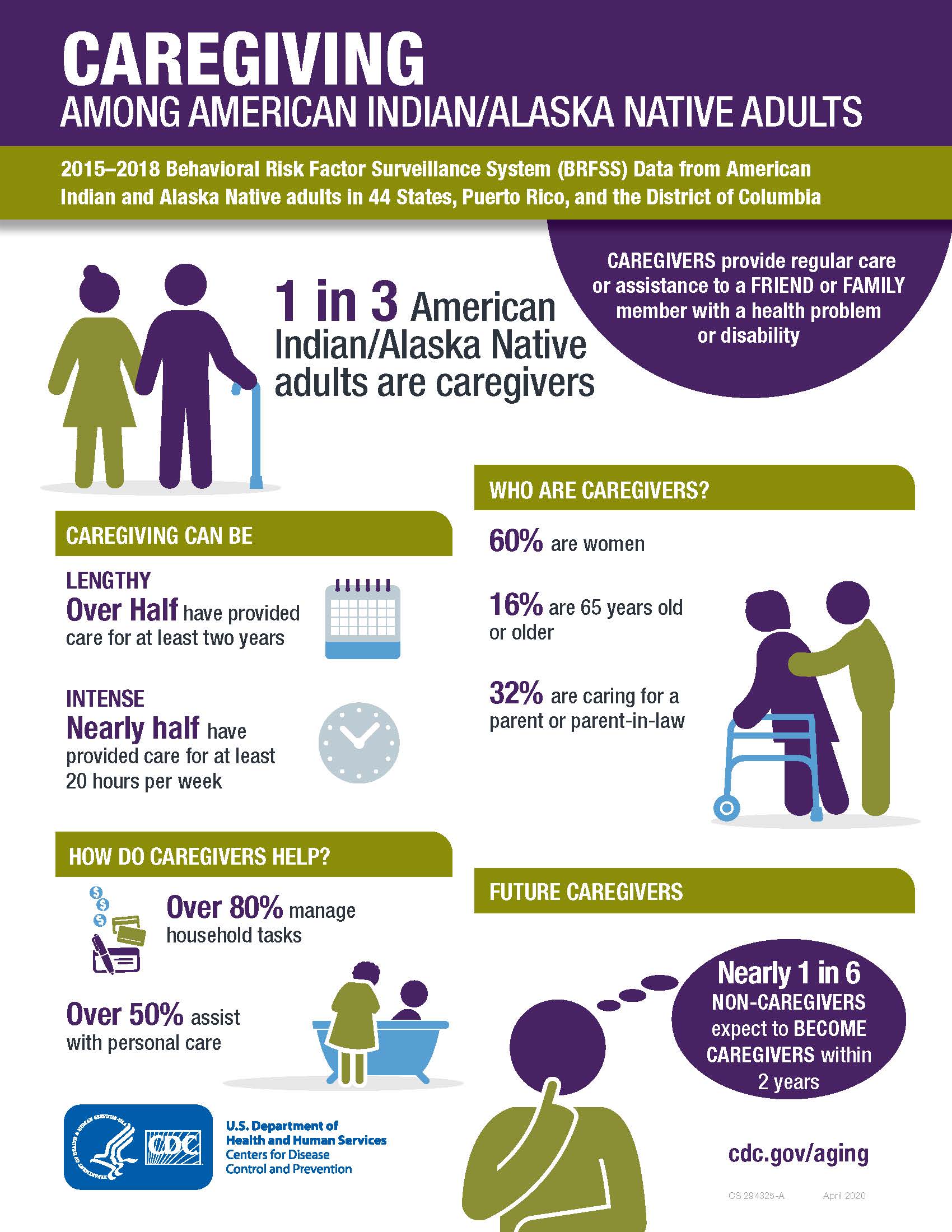
What Is a Caregiver?
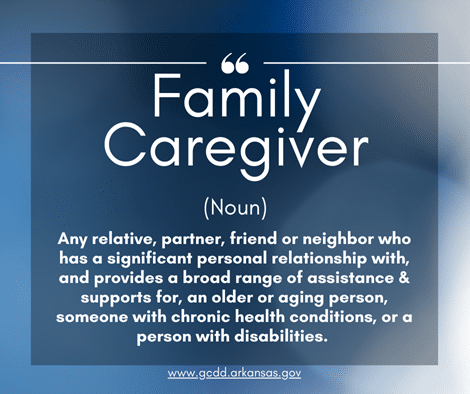
A caregiver is someone who helps another person manage daily life, health needs, or personal care. The caregiver may be a family member, friend, neighbor, home health aide, nursing assistant, or other trained professional.
Caregiving can be paid or unpaid. A daughter helping her father prepare meals is a caregiver. So is a home care worker who helps a client bathe, take medicine, and attend medical visits.
Caregivers may help with:
- Bathing, dressing, grooming, and toileting
- Cooking, eating, and grocery shopping
- Taking medicine safely
- Walking, moving, and using medical equipment
- Cleaning and laundry
- Transportation and medical visits
- Communication with doctors and family members
- Companionship and emotional support
- Managing bills, schedules, and household tasks
Caregiving needs can be short-term or long-term. Someone recovering from surgery may need help for a few weeks. A person with dementia, Parkinson’s disease, or a physical disability may need support for many years.
Why Are Caregivers Important to Health and Safety?
The clearest answer to why are caregivers important is that they help people stay safe and well when they cannot manage everything alone.
A caregiver can notice small changes before they become serious problems. For example, a caregiver may see that a person is eating less, walking differently, sleeping poorly, or becoming more confused. Sharing these changes with a health professional may lead to earlier care.
Caregivers also reduce common risks at home. They can remove loose rugs, improve lighting, organize medicines, and stay close during transfers or walks. These simple steps may help prevent falls, missed doses, burns, dehydration, and other emergencies.
Caregivers often support medical care by:
- Keeping a list of medicines and appointments
- Reporting side effects or new symptoms
- Helping the person follow care instructions
- Tracking blood pressure, blood sugar, weight, or temperature when advised
- Asking questions during medical visits
- Explaining health information in simple words
Still, caregivers do not replace doctors, nurses, or emergency services. A caregiver should call 911 for a life-threatening emergency and seek professional advice when symptoms are unclear or worsening.

How Caregivers Support Independence and Daily Living
Many people believe that needing care means losing independence. In reality, the right support can help a person keep more control over daily life.
Good caregivers do not take over every task. They offer the level of help needed while allowing the person to do what they can. This approach protects strength, confidence, and dignity.
For example, a caregiver might place clothing within easy reach instead of dressing the person without asking. They might provide a shower chair and stay nearby rather than doing every step. Small choices like these help people remain active participants in their own lives.
Caregivers support independence by:
- Offering choices about meals, clothing, and routines
- Allowing extra time for tasks
- Using tools such as walkers, grab bars, and reachers
- Encouraging safe movement and exercise
- Supporting hobbies and social activities
- Respecting privacy and personal preferences
This is one of the strongest reasons why are caregivers important. They act like a bridge between what a person wants to do and what the person can safely do today.
A person’s abilities may change from day to day. A caring approach allows room for good days, hard days, and gradual progress.
The Emotional Importance of Caregiving
Physical help is only one part of caregiving. Emotional support can be just as valuable.
Illness, aging, injury, or disability may bring fear, frustration, loneliness, or grief. A caregiver can offer patience and a calm presence during these moments. Sometimes, listening is more helpful than giving advice.
A familiar caregiver may also provide comfort through routine. A morning cup of tea, a short walk, a favorite song, or a phone call with a friend can make the day feel less uncertain.
Caregivers can support emotional well-being by:
- Listening without rushing
- Speaking with respect
- Encouraging safe contact with friends and family
- Supporting faith, culture, and personal traditions
- Noticing signs of sadness, anxiety, or confusion
- Celebrating small achievements
Social connection matters at every age. Long periods of isolation may harm mood and overall health. Caregivers can help people stay connected to their community, even when leaving home is difficult.
From my experience reviewing caregiver stories and practical care plans, one lesson appears again and again: people remember how care made them feel. A clean room matters, but feeling seen and respected matters too.
Why Are Caregivers Important for Older Adults?
Caregivers play a major role in helping older adults age safely and comfortably. Many older adults want to remain in their homes and communities. Care support can make that possible for longer.
Older adults may face several needs at once. They may have trouble with balance, hearing, memory, cooking, transportation, or medicine management. A caregiver can coordinate these needs and reduce the stress placed on the older adult.
Caregivers may help older adults:
- Remain at home safely
- Attend preventive care visits
- Eat regular, healthy meals
- Manage chronic conditions
- Avoid unsafe driving
- Stay active and socially connected
- Keep a clean and comfortable home
- Make decisions about future care
Caregivers also help families understand what is really happening. A relative who visits once a week may not see gradual changes in memory or mobility. A caregiver who visits each day can provide a clearer picture.
This support is especially important for people living with dementia. A caregiver can create a steady routine, reduce confusion, and watch for wandering or unsafe behavior. Dementia care requires patience, but it also requires professional guidance when behavior or health needs become difficult to manage.
Why Are Caregivers Important for People With Disabilities?
People with physical, intellectual, or developmental disabilities may need support with some tasks but not others. Caregivers can help remove barriers while respecting the person’s rights and choices.
The goal should not be to control the person’s life. The goal is to provide access, safety, and opportunity.
A caregiver may assist with:
- Personal care
- Communication
- Transportation
- Work or school routines
- Community activities
- Assistive devices
- Meal preparation
- Financial or household organization
Person-centered care is essential. The person receiving care should have a voice in routines, goals, and decisions whenever possible.
For example, a caregiver supporting an adult with a developmental disability may use pictures, clear steps, and extra time to explain a task. This can build confidence instead of creating dependence.
Caregivers also help families focus on abilities rather than limits. A disability may change how someone completes a task, but it does not remove the person’s need for respect, choice, friendship, or purpose.
Why Are Caregivers Important for Families?
Caregivers support the whole family, not only the person receiving care. Without help, family members may struggle to balance jobs, parenting, health needs, and household duties.
A family caregiver often becomes the main organizer. They may speak with doctors, fill prescriptions, arrange transportation, and update relatives. This unseen work can take many hours each week.
Caregivers help families by:
- Sharing daily responsibilities
- Reducing confusion during health changes
- Improving communication
- Providing updates to relatives
- Offering practical help during recovery
- Connecting families with community services
- Supporting safer care at home
Family caregiving can also bring people closer. Shared meals, stories, and acts of kindness may create meaningful memories. However, love does not remove the need for rest or support.
One mistake families often make is assuming that one person can handle everything. This can lead to exhaustion and conflict. A better plan divides tasks clearly. One person may handle appointments, another may prepare meals, and another may provide weekend visits.
Written plans are helpful. They can include emergency contacts, medicine details, preferred routines, and signs that professional help is needed.
The Economic and Community Value of Caregivers
Caregivers provide value that is easy to overlook because much of their work happens in homes. Unpaid family caregivers save families and health systems significant costs by offering daily support.
Their help may reduce avoidable hospital visits, delays in treatment, and the need for early placement in a long-term care setting. This does not mean home care is always the best choice. Some people need skilled nursing, residential care, or specialized services.
Professional caregivers also support the workforce. Their work allows family members to continue working, studying, or caring for children. Home care agencies, assisted living communities, hospitals, and rehabilitation programs all depend on trained care workers.
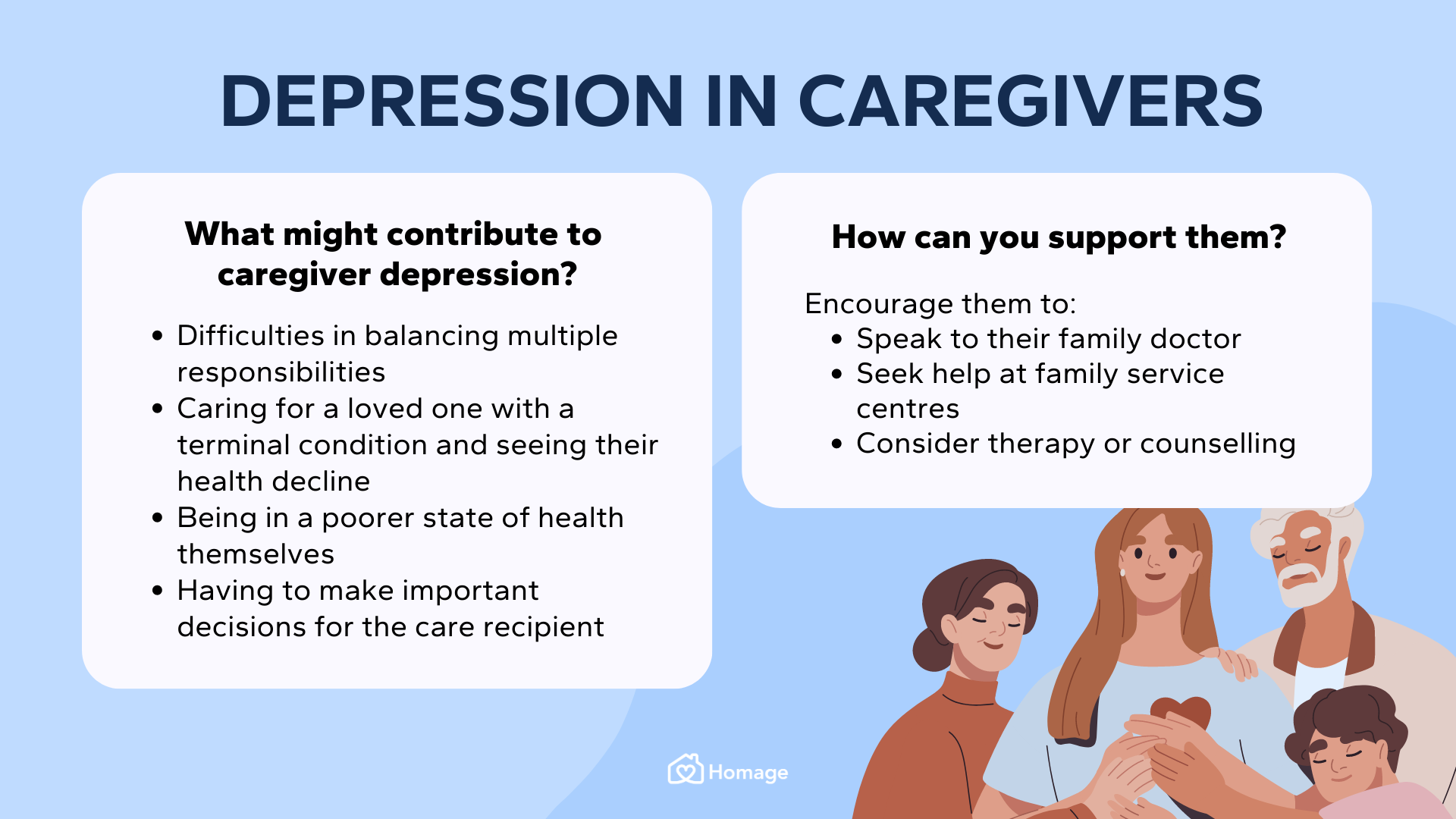
Research on caregiving has found both benefits and risks. Caregiving can create purpose and stronger family ties, but heavy demands may increase stress, depression, sleep problems, and physical strain. These findings show why caregiver support is a health issue, not just a family matter.
Communities can help through:
- Respite care
- Adult day programs
- Transportation services
- Meal delivery
- Support groups
- Home modification programs
- Training for family caregivers
- Fair pay and safe conditions for professional caregivers

Common Challenges Caregivers Face
Caregiving can be rewarding, but it is not easy. The role may involve long hours, emotional pressure, physical work, and difficult decisions.
Common challenges include:
- Caregiver stress and fatigue
- Limited sleep
- Financial pressure
- Balancing work and family
- Conflicts among relatives
- Lack of training
- Grief and emotional exhaustion
- Unsafe lifting or transfers
- Social isolation
- Uncertainty about the future
Caregiver burnout may show up as anger, hopelessness, constant worry, poor sleep, or loss of interest in normal activities. These signs should not be ignored.
A caregiver should ask for help before reaching a crisis. Respite care, support groups, counseling, and conversations with a doctor can make a real difference.
A practical lesson is to avoid saying, “Let me know if you need anything.” Instead, offer a clear task. Say, “I can stay with Mom on Saturday from 10 a.m. to 2 p.m.” Specific help is easier to accept and organize.
Practical Ways to Be a Better Caregiver
Good caregiving is built on respect, planning, communication, and patience. You do not need to be perfect. You need a safe and steady approach.
Try these steps:
- Ask what help the person wants. Do not assume.
- Learn the person’s health conditions and warning signs.
- Keep an updated medicine and appointment list.
- Create simple daily routines.
- Use safe body mechanics when helping someone move.
- Protect privacy during personal care.
- Encourage the person to do safe tasks independently.
- Take breaks before you feel completely exhausted.
- Keep important phone numbers easy to find.
- Discuss future care needs early.
Use plain language when speaking about health. Ask the person to repeat key instructions if there is confusion. During medical visits, write down questions before arriving.
Another important tip is to separate the person from the condition. Dementia may cause repeated questions, but the person is not being difficult on purpose. Pain may cause irritability, but that does not mean the person has lost their dignity.
Professional training is useful for lifting, infection control, dementia care, medication safety, and emergency planning. When a task feels unsafe, ask a nurse, therapist, doctor, or qualified care professional for guidance.
How Families Can Support Caregivers
Supporting a caregiver starts with recognizing the work. Thanking someone is meaningful, but practical help is often more useful.
Families can support caregivers by:
- Sharing regular care shifts
- Paying for respite or home care when possible
- Handling meals, errands, or cleaning
- Attending medical visits
- Listening without judgment
- Respecting the caregiver’s need for rest
- Learning about the person’s condition
- Discussing money and responsibilities openly
Families should also include the person receiving care in planning. Care decisions should not happen around them as if they are not present.
If family conflict develops, a social worker, care manager, counselor, or trusted health professional may help guide the discussion. Early conversations are usually easier than urgent decisions made during a health crisis.
When Professional Caregiver Help Is Needed
Family care may not be enough when needs become complex or unsafe. Professional help may be appropriate if the person needs skilled medical care, frequent supervision, or physical assistance that causes injury risk.
Consider professional support when:
- Falls happen often
- Medicines are missed or mixed up
- The caregiver cannot sleep or work
- Personal care becomes unsafe
- The person wanders or becomes aggressive
- The caregiver feels unable to continue
- Medical equipment requires special training
- The home environment is no longer safe
Options may include home health care, personal care assistance, adult day services, assisted living, skilled nursing, or hospice care. The right choice depends on health needs, preferences, finances, location, and available services.
A professional assessment can help families choose wisely. Avoid waiting until the main caregiver becomes sick or reaches exhaustion.
Frequently Asked Questions About Why Are Caregivers Important
Why are caregivers important in daily life?
Caregivers help with personal care, meals, medicine, movement, safety, and household tasks. They also provide companionship and notice health changes that may need medical attention.
Why are caregivers important for older adults?
Caregivers help older adults stay safe, independent, and connected to their communities. They can support aging at home while helping families manage health and daily needs.
What is the most important role of a caregiver?
The most important role is to provide safe, respectful, person-centered support. This means helping with needed tasks while protecting the person’s dignity, choices, and independence.
How do caregivers help people with disabilities?
Caregivers reduce barriers and provide support with personal care, communication, transportation, work, school, and community life. Their help should promote choice and participation rather than unnecessary dependence.
Can caregiving affect the caregiver’s health?
Yes. Long hours, stress, poor sleep, and physical demands can affect a caregiver’s mental and physical health. Regular breaks, shared duties, professional help, and medical support can reduce these risks.
When should a family hire a professional caregiver?
A family should consider professional help when care becomes unsafe, too complex, or too demanding for unpaid caregivers. Falls, missed medicines, exhaustion, and difficult medical tasks are common warning signs.
Conclusion
Caregivers are important because they protect health, safety, dignity, independence, and emotional well-being. They help people manage daily life, stay connected, follow care plans, and remain at home when that is safe and desired.
Their work also supports families and communities. Yet caregivers need support too. Shared responsibilities, respite care, training, and honest conversations can make caregiving safer and more sustainable.
If you care for someone, start with one practical step today: create a simple care plan, ask for specific help, or speak with a health professional about available resources. Explore local caregiver programs, share this guide with your family, and leave a comment about what has helped you most.

Michael Reynolds is a senior contributor at RetirementGazette.com, where he focuses on helping readers navigate the journey toward a secure and fulfilling retirement. With over a decade of experience in personal finance, retirement planning, and lifestyle writing, Michael combines practical strategies with easy-to-understand guidance tailored for both pre-retirees and those already enjoying their golden years.