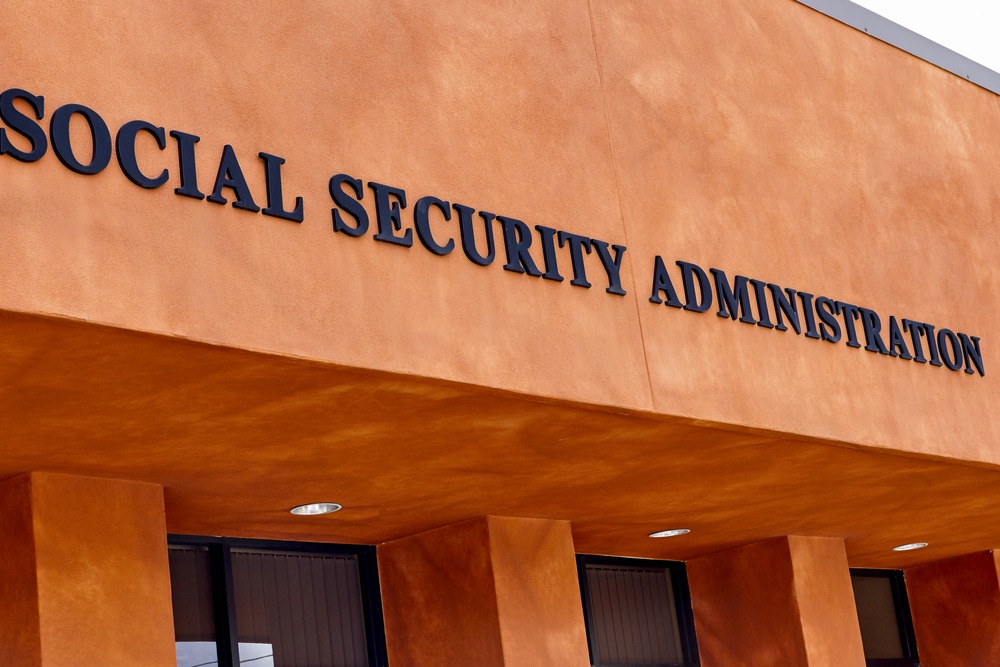
People visit the Social Security office to apply for benefits, replace cards, fix records, and resolve payment or eligibility issues.
Understanding why do people go to the Social Security office can save you time, stress, and an unnecessary trip. The Social Security Administration, or SSA, handles far more than retirement checks. It also manages disability benefits, Supplemental Security Income, Social Security numbers, Medicare enrollment support, appeals, and many life changes. This guide explains the most common reasons people visit, what to bring, and which tasks you may complete online or by phone instead.
The Most Common Reasons People Visit the Social Security Office
People go to the Social Security office when they need help with a benefit, record, or identity document. Some visits take only a few minutes. Others involve a detailed claim or an appeal.
The most common reasons include:
• Applying for retirement benefits
• Applying for Social Security Disability Insurance
• Applying for Supplemental Security Income
• Replacing a lost or damaged Social Security card
• Correcting a name, birth date, or other record
• Checking the status of a benefit application
• Reporting a change in income, address, or living situation
• Asking about a denied claim
• Appealing a decision
• Fixing a payment problem
• Enrolling in Medicare or asking about Medicare-related issues
• Reporting the death of a Social Security beneficiary
The answer to why do people go to the Social Security office often depends on a major life event. Retirement, illness, disability, marriage, divorce, adoption, or the death of a family member can all lead to a visit.
Many people also visit because they are unsure which documents they need. A short appointment can help them understand their rights and next steps.
Applying for Social Security Retirement Benefits
Retirement is one of the best-known reasons why do people go to the Social Security office. You may apply for retirement benefits online, by phone, or at a local office. Some people still prefer an in-person visit because their work history, spouse’s record, or benefit timing may need careful review.
You can usually start receiving retirement benefits between ages 62 and 70. Your monthly payment may be higher if you wait to claim, but the best choice depends on your health, income, family needs, and life expectancy.
An SSA worker may help explain:
• Your estimated monthly benefit
• Your full retirement age
• The effect of claiming before full retirement age
• Delayed retirement credits
• Spousal or survivor benefits
• Taxes that may apply to benefits
• How work income may affect payments before full retirement age
For example, a person who claims at 62 may receive less each month than a person who waits until full retirement age. A person who delays beyond full retirement age may receive a larger monthly benefit, but delaying is not right for everyone.

Applying for Disability Benefits
Another major reason why do people go to the Social Security office is to apply for disability benefits. The SSA offers two main programs: Social Security Disability Insurance, known as SSDI, and Supplemental Security Income, known as SSI.
SSDI is generally for people who have worked and paid Social Security taxes for enough time. SSI is a needs-based program for people with limited income and resources who are disabled, blind, or age 65 or older.
A disability claim usually requires information about:
• Your medical conditions
• Your doctors and treatment dates
• Your medicines
• Your work history
• Your education and job skills
• Your daily activities
• Your income and resources
The SSA does not approve a claim simply because a person has a diagnosis. The condition must affect the person’s ability to work or meet the program’s rules. Medical evidence is very important.
A common mistake is waiting too long to apply. Disability claims can take time, and the review process may include reconsideration and a hearing. Keep copies of forms, medical records, letters, and deadlines.

Getting or Replacing a Social Security Card
Many people go to the Social Security office because they need a Social Security card. This may happen after a card is lost, stolen, damaged, or needed for a new job.
In many cases, you can request a replacement card online if you meet the SSA’s identity and account requirements. You may also apply by mail or visit an office.
You may need original documents or certified copies that prove:
• Your identity
• Your age
• Your citizenship or lawful immigration status
The SSA generally does not accept photocopies or documents that are not properly certified. Do not carry original documents in an unprotected folder. Keep them safe and take only what the instructions require.
The SSA limits replacement cards in many situations. That means you should not request a new card for small reasons, such as normal wear, unless the card is unreadable or no longer usable.

Correcting Personal Information
A change in personal information is another answer to why do people go to the Social Security office. You may need to update your record after marriage, divorce, adoption, naturalization, or a legal name change.
Correct information matters because the SSA uses your records to calculate benefits. A wrong name or birth date can also create problems with employers, tax records, Medicare, or benefit applications.
Bring documents that show the change. For a name change, this may include a marriage certificate, divorce decree, court order, or naturalization document.
Review every letter from the SSA carefully. If the information is wrong, contact the agency quickly. Small record errors can become harder to fix after many years.

Fixing a Delayed, Missing, or Incorrect Payment
Payment problems are a stressful reason why do people go to the Social Security office. A payment may be late, lower than expected, stopped, or sent to an old bank account.
Before visiting, check your bank account and your online Social Security account. Also read recent letters from the SSA. The letter may explain a change caused by:
• A change in income
• Medicare premiums
• Workers’ compensation
• Overpayment recovery
• A change in living arrangements
• A report that was not completed
• A bank account update
If you believe the agency made an error, ask for a clear explanation. Write down the date, the employee’s name if available, and the action you need to take.
Do not ignore an overpayment notice. You may be able to request reconsideration, ask for a waiver, or arrange repayment, depending on your situation and the facts of the case.

Asking About Medicare
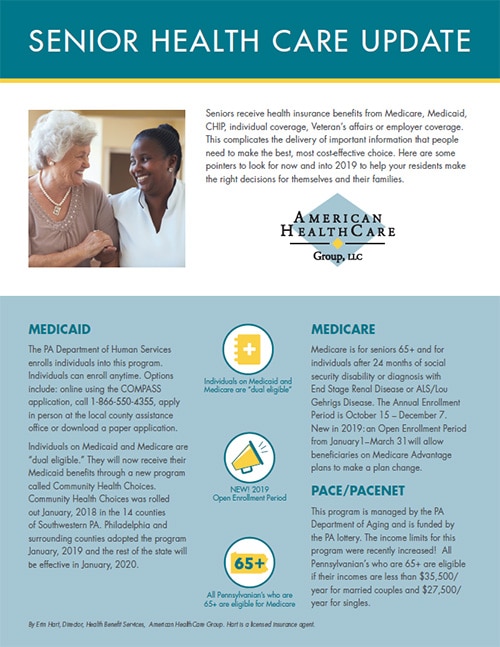
Some people go to the Social Security office because they need help with Medicare. The SSA handles certain Medicare enrollment tasks and may help with Medicare Part A and Part B questions.
However, Social Security and Medicare are not the same agency. Medicare coverage questions often belong with Medicare, a Medicare plan, or a State Health Insurance Assistance Program counselor.
People may contact Social Security about:
• Signing up for Medicare Part A or Part B
• Checking whether Medicare premiums will be deducted from benefits
• Asking about a Medicare card
• Applying for help with Medicare costs
• Understanding enrollment timing
A person who keeps working after age 65 should review enrollment rules carefully. Employer coverage, health savings accounts, and the size of the employer can affect the right choice.

Reporting a Life Change
The SSA needs accurate information. A person may go to the Social Security office to report a change that affects benefits or eligibility.
Important changes can include:
• Moving to a new address
• Getting married or divorced
• Starting or stopping work
• Receiving a new pension
• Changing income
• Moving into or out of a care facility
• Changing living arrangements
• Becoming unable to manage money
• Leaving the United States for an extended period
SSI recipients usually have strict reporting duties. Failing to report a change can create an overpayment. An overpayment means the SSA paid more than the person should have received, and the agency may later ask for the money back.
When in doubt, report the change and keep proof. A dated letter, fax receipt, online confirmation, or office receipt can protect you if the record is later questioned.
Appealing a Denied Claim or Agency Decision
A denied application is a common reason why do people go to the Social Security office. A denial does not always mean the process is over. You may have the right to request reconsideration, a hearing, or another review.
Read the decision notice from beginning to end. It should explain the reason for the decision and the deadline for appeal. Deadlines are often strict, so do not wait until the last week.
A typical appeal path may include:
-
Reconsideration by someone who was not part of the first decision
-
A hearing with an administrative law judge
-
Review by the Appeals Council
-
A federal court review in certain cases
Strong appeals address the reason for denial. Simply saying “I disagree” is usually not enough. Provide new evidence, explain errors, and connect your limitations to your ability to work or meet program rules.
A qualified disability representative or attorney may help, especially when the claim involves complex medical or work issues.
Handling Survivor and Family Benefits
After a beneficiary dies, a family member may visit or contact the SSA to report the death and ask about survivor benefits. A funeral home often reports deaths, but families should still confirm that the record is accurate.
Eligible family members may include:
• A surviving spouse
• A divorced surviving spouse
• Children
• Dependent parents
Eligibility depends on age, disability, relationship, and other rules. A surviving spouse may also ask about the one-time death payment, when applicable.
Do not assume that benefits transfer automatically. Contact the SSA promptly and ask which family members should apply. Bring death records and proof of relationship if requested.
What to Bring to the Social Security Office
Knowing what to bring can make a visit much easier. The exact documents depend on your reason for going, but the SSA may request original documents or certified copies.
A useful preparation list includes:
• A government-issued photo ID
• Your Social Security number
• Birth certificate or proof of age
• Proof of citizenship or lawful immigration status
• Marriage or divorce records
• Medical records and provider information
• Employment and earnings details
• Bank account information
• SSA letters and claim numbers
• Court orders or legal name-change records
Place documents in the order listed in the SSA instructions. Write down your questions before the appointment. If someone is helping you, ask about the rules for appointing an authorized representative.
Never give your Social Security number to an unsolicited caller, text sender, or email writer. The SSA warns that scammers often pretend to be government workers and threaten arrest, benefit loss, or immediate payment.
How to Avoid an Unnecessary Office Visit
The answer to why do people go to the Social Security office is not always “because they must.” Many services are available through the SSA website or by telephone.
You may be able to:
• Apply for retirement benefits online
• Apply for disability benefits online
• Request a replacement Social Security card
• Print a benefit verification letter
• Review your earnings record
• Estimate future retirement benefits
• Change direct deposit information
• Check an application status
• Request some forms
Before visiting, use the official SSA website or call the national toll-free number. Local offices may have different services, hours, and appointment rules.
Still, online tools have limits. A person with limited internet access, language barriers, complex records, or difficulty using technology may benefit from an in-person appointment. Accessibility help and language services may be available if requested.
How to Prepare for a Successful Visit
A little planning can turn a confusing visit into a clear plan. Think of the appointment as a checklist, not a test. You do not need to know every rule before you arrive.
Follow these steps:
-
Identify the exact problem you need to solve.
-
Check whether the service is available online or by phone.
-
Make an appointment if the office recommends one.
-
Gather original documents and copies for your records.
-
Write down key dates, names, and claim numbers.
-
Prepare three or four direct questions.
-
Ask the employee to explain the next step.
-
Request written confirmation when possible.
One lesson that helps many people is to avoid vague questions. Instead of asking, “What is happening with my benefits?” ask, “Is my application waiting for medical evidence, an earnings record, or an appeal decision?”
Take notes during the visit. Government terms can feel like a new language, and written notes help you remember what to do next.
Limits of an In-Person Social Security Visit
A Social Security office can explain procedures and accept documents, but an employee may not be able to approve a claim during your visit. Disability decisions often require medical review by state agencies and other specialists.
An office employee also cannot provide personal legal, medical, or investment advice. The employee can explain program rules, but you may need an attorney, benefits counselor, doctor, accountant, or Medicare adviser for specialized guidance.
Rules can also change. Always confirm current deadlines, benefit amounts, and documentation requirements through official SSA information. This article provides general education, not a decision about your individual eligibility.
Frequently Asked Questions About Why Do People Go to the Social Security Office
Why do people go to the Social Security office in person?
People go in person to apply for certain benefits, replace documents, correct records, report changes, discuss payment problems, or appeal decisions. An office visit can be useful when the issue is complex or online services are not enough.
Can I apply for Social Security benefits without visiting an office?
Yes. Many people can apply for retirement, Medicare, SSDI, or SSI online or by phone. However, the SSA may request an appointment or additional documents during the review.
What should I bring to a Social Security appointment?
Bring photo identification, your Social Security number, relevant SSA letters, and documents connected to your request. The SSA may require original or certified documents, so check the instructions before leaving home.
Do I need an appointment at the Social Security office?
An appointment may be required or strongly recommended for some services. Check the official SSA website or call before visiting because local procedures and available services can vary.
Can the Social Security office fix a wrong name or birth date?
The SSA can update certain personal information when you provide acceptable proof. Bring legal documents that show the correct name, date of birth, or immigration status.
What should I do if my Social Security claim is denied?
Read the denial notice and follow the appeal instructions before the deadline. You may request reconsideration and submit evidence that addresses the reason for the denial.
Can I report a death at the Social Security office?
Yes. You can report a death to the SSA, although a funeral home often submits the report. Ask whether surviving family members may qualify for monthly survivor benefits or a one-time payment.
Conclusion
People visit the Social Security office for many important reasons, from applying for retirement or disability benefits to replacing a Social Security card, correcting records, and resolving payment issues. Many simple tasks can be completed online, but an in-person visit may be best when your case involves complex documents, an appeal, or a major life change.
Prepare your questions, bring the right records, protect your Social Security number, and confirm deadlines in writing. Use official SSA resources to check your options, and share your experience or questions in the comments to help others prepare for their visit.

Michael Reynolds is a senior contributor at RetirementGazette.com, where he focuses on helping readers navigate the journey toward a secure and fulfilling retirement. With over a decade of experience in personal finance, retirement planning, and lifestyle writing, Michael combines practical strategies with easy-to-understand guidance tailored for both pre-retirees and those already enjoying their golden years.