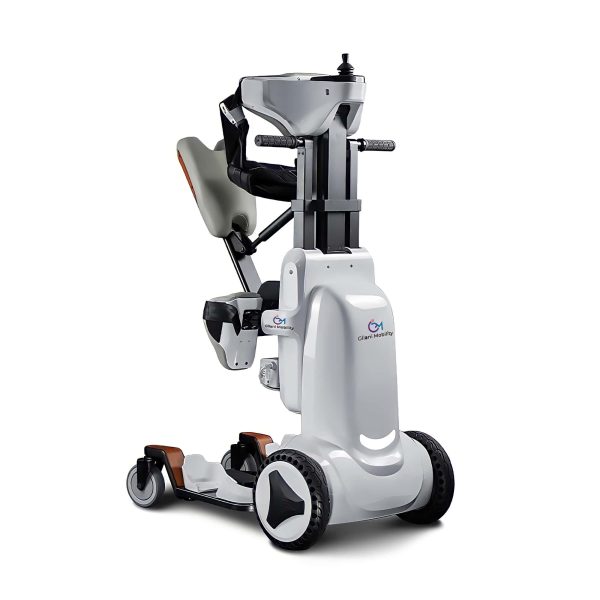
Use non-slip cushions, correct positioning, and discreet chair aids to prevent sliding.
I have helped many families and worked with clinicians to reduce falls and discomfort. This guide explains how to keep the elderly from sliding out of a chair with clear steps, real-world tips, and tested solutions you can use right away. You will find causes, simple fixes, equipment choices, safety checks, and when to call a professional. Read on for practical, friendly advice that respects dignity and improves everyday comfort and safety.

Why seniors slide out of chairs
Sliding often starts from small issues. Poor posture, soft seat cushions, deep chair seats, and weak leg strength all add up. Medications that cause dizziness, urgency to move, or loss of balance make sliding more likely. Environmental factors like slippery covers or smooth pants also play a part.
Understanding these causes helps when deciding how to keep the elderly from sliding out of a chair. Fixing one thing often makes a big difference. Small changes can prevent falls and reduce fear.

Assessing risk: quick checklist
Use a short checklist to see how urgent the issue is. Observe sitting posture, how far the person slides, whether they try to push up, and if they show discomfort. Note chair type, cushion depth, and footwear. Track when sliding happens most: after meals, during naps, or while reaching.
This simple assessment guides solutions for how to keep the elderly from sliding out of a chair. It also helps when discussing options with an occupational therapist or caregiver.
Practical chair modifications and aids
Choose solutions that are safe, respectful, and easy to use. Here are reliable options that I have seen work in homes and care settings.
-
Non-slip cushions and covers
- Use gel or rubberized cushions that grip the chair surface. These reduce backward sliding and improve comfort.
-
Wedge and contoured cushions
- A small forward-tilt or wedge cushion helps hips stay back and knees lower than hips. This improves posture and prevents sliding.
-
Seat belts and lap belts (used respectfully)
- A soft, easy-release lap belt can stop sliding when mobility aids are needed. Always use with consent and under guidance from a professional.
-
Adjustable chair height and foot support
- Ensure feet touch the floor or a footrest. Flat feet provide a stable base and reduce sliding.
-
Armrests and side supports
- Properly positioned armrests help the elderly steady themselves when shifting weight. Add side bolsters if needed.
-
Anti-slip mats between cushion and chair
- Thin, textured mats beneath cushions increase grip without altering comfort.
-
Clothing and footwear adjustments
- Avoid slippery fabrics. Use socks with grip or non-slip slippers to improve traction when feet touch the floor.
I once installed a thin wedge cushion and non-slip mat for a client who slid backward daily. The change was immediate. He sat straighter and felt more confident. These small fixes are low-cost and low-risk, and they often solve the problem quickly.

Transfer and positioning techniques
Good technique matters as much as equipment. Use these steps when helping someone sit or reposition.
-
Prepare the chair and person
- Lock wheels, move armrests if needed, and remove loose rugs or obstacles.
-
Align hips with the back of the chair
- Ask the person to scoot forward on the chair or help them shift their hips back while feet are flat.
-
Feet and knees
- Keep feet flat and shoulder-width apart. Knees should be at or slightly lower than hips.
-
Use a gait belt for safe transfers
- Place a gait belt around the waist and coach the person to lean forward before standing or sitting.
-
Teach small cues
- Encourage leaning forward slightly before sitting down to keep the hips behind the knees.
From experience, coaching short, repeatable steps works best. Caregivers and family members learn faster when they practice the same script each time. That consistency helps stop sliding episodes.

Strength, mobility, and habit changes
Improving strength and daily habits reduces sliding long term.
-
Short seated exercises
- Heel raises, seated marches, and knee extensions build ankle and thigh strength that stabilizes sitting.
-
Daily standing practice
- Short stands and weight shifts improve balance and confidence.
-
Medication review and toileting schedule
- Work with a clinician to check medications that affect balance. Set a regular toileting routine to reduce hurried transfers.
-
Foot health and footwear
- Proper shoes and foot care prevent foot pain that leads to poor foot placement while sitting.
I recommend simple, repeatable exercises done daily. I once worked with a client who improved seat stability in six weeks with five minutes of seated leg work every day.
Safety checks, maintenance, and dignity
Ongoing checks keep solutions working and maintain dignity.
-
Inspect cushions and belts monthly
- Look for wear, tears, and loss of grip. Replace items when needed.
-
Keep the environment clear
- Remove loose rugs and clutter. Ensure good lighting around seating areas.
-
Respectful use of restraints
- Use belts only when necessary and with consent. Document reasons and review alternatives.
-
Train caregivers
- Teach correct transfer techniques and equipment use. Regular refreshers reduce mistakes.
Be transparent with the person and family. Discuss changes before installing aids. Respect and consent matter as much as safety.

When to seek professional help
Call a physical therapist or occupational therapist when sliding continues despite basic fixes. A therapist can assess posture, recommend custom cushions, and train caregivers. Consider a home safety evaluation for recurring falls or if pain limits movement.
A clinician can also advise about lap belts, harnesses, and specialized seating. Early professional input often prevents injuries and keeps independence longer.
Common questions addressed in the text
Many people wonder which solution works fastest. Non-slip cushions and wedge pads usually give the quickest improvement. They are low-cost and easy to try.
Some worry belts are unsafe. Properly fitted, monitored belts can be safe and respectful. Always get professional advice when using restraints.
Others ask about chair swaps. Changing to a firmer, higher chair with armrests often helps immediately. Chairs with adjustable height and firm seats reduce sliding.
Frequently Asked Questions of How to keep the elderly from sliding out of a chair
What is the fastest way to stop an elderly person from sliding out of a chair?
Try a non-slip cushion and a slight wedge cushion to improve posture and grip. These changes are low-cost and can show immediate improvement.
Are seat belts safe for seniors in chairs?
Seat belts can be safe when used with consent and under professional guidance. They should be soft, quick-release, and regularly monitored.
How can posture changes reduce sliding?
Keeping hips back, feet flat, and knees at or slightly lower than hips creates a stable base. Small positioning cues and proper cushions help reinforce this posture.
When should I call a therapist for sliding issues?
Call a physical or occupational therapist if sliding persists, causes pain, or leads to near-falls. A therapist offers tailored seating and training.
Can exercises really help prevent sliding?
Yes. Short daily exercises that strengthen the legs and core improve sitting balance and reduce sliding over time.
Conclusion
Preventing sliding is a mix of good fit, smart aids, and simple habits. Start with a non-slip cushion, check chair height, and improve foot support. Teach safe transfer steps and add short strength activities. If problems persist, get professional help to find the right seating solution.
Take action today: try one small change, like adding a non-slip mat, and observe the difference. Share your results, ask questions, or subscribe for more tips on safe, comfortable seating for older adults.

Michael Reynolds is a senior contributor at RetirementGazette.com, where he focuses on helping readers navigate the journey toward a secure and fulfilling retirement. With over a decade of experience in personal finance, retirement planning, and lifestyle writing, Michael combines practical strategies with easy-to-understand guidance tailored for both pre-retirees and those already enjoying their golden years.